

Getting the message that your passport is ready should feel like the final step. For many Kenyans, it does bring relief—at least for a moment.
Then reality checks in.
You still have to collect it. And if your collection point is Nyayo House, you already know that “ready for collection” does not always mean “quick to collect.” A simple pickup can turn into hours of waiting, moving between counters, or being told to return another day.
Some delays are unavoidable. Government systems can slow down. Queues can stretch longer than expected. But many passport collection problems follow familiar patterns. Once you understand what usually causes delays, you can prepare better—or delegate the task to someone who handles these processes regularly.
Why Passport Collection Can Take Longer Than Expected
On paper, passport collection sounds straightforward. Once you receive notification that your passport is ready, you present the required documents and collect it from the relevant passport centre.
The Directorate of Immigration Services lists the key collection requirements as the invoice, original ID, original birth certificate for minors, and previous passport where the application is a replacement. Passports are also collected from the passport centre where biometrics were taken.
That sounds simple enough. But anyone who has dealt with busy public offices in Kenya knows the real experience depends on timing, preparation, queue movement, and whether the system is cooperating that day.
System Delays Are One of the Biggest Frustrations
One of the most common complaints at passport collection centres is system downtime.
When digital verification slows or stops, the collection process can barely move. You may have the right documents, the correct message, and enough patience, but if the system is not responding, there is little you can do except wait.
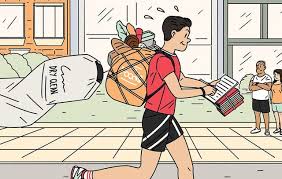
This is where experienced errand runners can be useful. A runner who visits Nyayo House regularly often has a better feel for when the process is moving smoothly and when delays are likely. They may not control the system, but they can reduce the time you personally lose.
Instead of leaving work, travelling into town, paying for parking, and waiting for hours, you can have someone else monitor the situation and update you as things progress.
Missing Documents Can Send You Back to Square One
Another common cause of delay is incomplete paperwork.
It could be something small: a missing invoice printout, an old passport left at home during a replacement case, or a parent forgetting a child’s birth certificate. Small mistakes can create big delays when officers are strict about verification.
The frustrating part is that most of these delays are avoidable.
A professional errand runner will usually confirm the document checklist before accepting the task. For passport-related errands, that means checking whether the applicant has the right identification, collection notice, invoice details, and any supporting documents needed for a minor or replacement passport.
That preparation matters. It helps avoid the all-too-common situation where someone arrives at the counter, only to be sent outside to print, photocopy, or retrieve a missing document.
The Wrong Collection Point Can Waste an Entire Trip
Many applicants assume that all passports can be collected from Nyayo House. That is not always the case.
According to the Directorate of Immigration Services, a passport is collected from the passport centre where the applicant completed biometrics.
This is an important detail for people who applied in regional centres or travelled during the application process. Showing up at the wrong office can mean losing a full day and still going home empty-handed.
Errand runners who handle document collection regularly are more likely to confirm the collection location before leaving. It sounds basic, but in practice, that simple check can prevent wasted transport, frustration, and unnecessary follow-ups.
Name Mismatches and Application Details Can Slow Verification
Passport collection also becomes complicated when application details do not match supporting documents.
A missing middle name, spelling difference, inconsistent ID details, or mismatch between application records and identification documents can trigger extra verification. Sometimes the issue is minor, but it still has to be resolved before release.
This is where experience helps. A runner may spot potential issues before travelling and ask the client to clarify or correct them. They can also communicate updates quickly if immigration officers request additional confirmation.
The goal is not to bypass procedure. It is to avoid being caught unprepared.
Authorization Problems When Someone Collects on Your Behalf
Many people want to send someone else to collect their passport, especially if they live outside Nairobi, work full-time, or are abroad.
This can be convenient, but it must be handled carefully because passports are sensitive documents. Authorization details should be clear, properly signed, and supported by identification documents where required.
A vague letter or blurry ID copy can slow the process or result in rejection. A good errand runner will request clear documents beforehand and make sure the authorization letter includes the right names, ID numbers, contact details, and purpose of collection.
When dealing with sensitive documents, trust is non-negotiable. That is why many people prefer using vetted professionals listed through platforms such as The Real Plug, where accountability and verification matter more than simply finding the cheapest person available.
The “Come Back Tomorrow” Problem
Few phrases are more discouraging after hours in a queue than “come back tomorrow.”
Sometimes there is a clear reason. A file may not be signed. A verification step may be pending. A system issue may have affected processing. Other times, the explanation is vague, leaving applicants unsure whether they should wait, ask more questions, or return another day.
Professional errand runners are often better placed to manage this situation because they are used to following up. They can ask the right questions, confirm who to report to next time, and stay longer if waiting might resolve the issue.
For someone with work meetings, family responsibilities, or travel plans, that persistence can save a second wasted trip.
Courier and Delivery Challenges After Collection
Collecting the passport is not always the final step.
Some people need the document delivered to another town. Others need it sent securely to a family member, travel agent, or visa processing office. For diaspora clients, safe handover and delivery can be just as important as collection itself.
A professional errand runner can help manage this final stage by confirming collection, documenting handover, and arranging reliable delivery. This is especially useful when the passport needs to reach Kisumu, Mombasa, Eldoret, Nakuru, or even someone coordinating from outside Kenya.
The value here is not just convenience. It is chain of custody—knowing who handled the document, when it was collected, and how it was delivered.
Why Diaspora and Upcountry Kenyans Benefit Most
For applicants outside Nairobi, passport collection delays can become expensive very quickly.
Travelling from another county for a single administrative task means transport costs, time off work, accommodation in some cases, and the risk of being told to return another day. For diaspora Kenyans, the challenge is even greater because coordinating from abroad requires trust, communication, and clear documentation.
In these situations, hiring a passport errand runner can be a practical cost-saving decision. Instead of travelling personally for a task that may take hours or get delayed, clients can appoint someone reliable to handle the follow-up and provide updates.
This is one reason personal errands help and diaspora services in Kenya continue to grow. People need dependable support on the ground, especially for tasks involving official documents.
How to Reduce Passport Collection Delays
Whether you go personally or send a runner, preparation makes the biggest difference.
Confirm that your passport is ready before travelling. Check your collection centre. Carry your invoice, original ID, and previous passport if it is a replacement. For minors, ensure the required birth certificate and supporting documents are available.
If you are delegating the task, use someone experienced with document handling. Share clear copies, prepare a proper authorization letter where needed, and agree on updates, delivery, and proof of collection before the errand begins.
A reliable runner will not treat the task casually. They will confirm details, communicate progress, and handle the passport with the seriousness it deserves.
Final Thoughts
Passport collection delays in Kenya are frustrating because they often feel unpredictable. But many of the problems—missing documents, wrong collection points, poor timing, unclear authorization, and weak follow-up—can be managed with better preparation.
For some people, going personally still makes sense. For others, especially busy professionals, business owners, upcountry applicants, and diaspora Kenyans, working with an experienced errand runner can save time, reduce stress, and prevent unnecessary repeat trips.
In the end, the value is simple: your passport gets collected, your day stays intact, and you avoid turning one administrative task into a long, exhausting chase.