

For many small business owners in Nairobi, profit is made long before the customer walks in.
It starts at the sourcing stage. Where you buy your stock, how early you arrive, who you buy from, and whether you understand the market rhythm can determine whether your margins stay healthy or disappear quietly.
Nairobi’s wholesale markets are busy, noisy, and sometimes overwhelming, but they remain some of the best places to buy stock at competitive prices. Whether you run a boutique, small duka, restaurant, hardware shop, or online store, knowing where to source can save you serious money over time.
The trick is not just knowing the market name. It is knowing what each market is good for, when to go, and how to avoid paying more than you should.
Gikomba Market: Best for Mitumba, Shoes, Bags, and Household Items
Gikomba is the first place many people think of when wholesale shopping in Nairobi comes up—and for good reason.
It is one of the busiest second-hand goods markets in the region, attracting traders from across Kenya and neighbouring countries. For mitumba clothes, shoes, bags, bedding, and household items, Gikomba remains a major sourcing hub.
The best deals are usually found early in the morning when new bales are opened. By the time casual shoppers arrive later in the day, the strongest pieces may already have been selected by regular traders.
For new buyers, Gikomba can feel confusing. Sections are crowded, prices vary widely, and quality changes from one seller to another. Building relationships with reliable suppliers makes a big difference. Regular buyers often get better information on when fresh stock arrives and which bales are worth viewing.
If you cannot be there at dawn, working with someone who knows the market can help. Some business owners use trusted errand runners to inspect items, negotiate prices, and arrange delivery while they focus on running their shops.
Wakulima Market: Best for Fresh Produce and Food Businesses
For restaurants, caterers, mama mbogas, schools, and food suppliers, Wakulima Market is one of Nairobi’s most important wholesale produce centres.
The market handles large volumes of fruits, vegetables, potatoes, onions, cereals, and other fresh produce coming from different parts of Kenya. Prices here can be much better than retail outlets, especially when buying in bulk.
Timing matters. The market is active very early, often before sunrise, as suppliers offload fresh produce. Buyers who arrive early usually get better quality and more room to negotiate.
However, Wakulima also requires sharp eyes. A crate may look good on top but contain bruised or overripe produce underneath. Experienced buyers inspect carefully before paying.
For food businesses, quality control is everything. Cheap produce is not a bargain if half of it goes bad before reaching customers.
Nyamakima and River Road: Best for Electronics, Fabric, and General Supplies
Nyamakima, River Road, and the surrounding downtown streets are key sourcing areas for electronics, phone accessories, electrical items, hardware products, fabrics, and general wholesale goods.
Small electronics shops, fundis, tailors, and resellers often source from this area because prices can be lower when buying in quantity. The area is also useful for items such as extension cables, small appliances, lighting products, spare parts, vitenge, curtain fabric, school uniform materials, and tailoring supplies.
Wholesale pricing here often depends on quantity and relationships. A regular buyer purchasing in bulk will usually access better prices than a first-time walk-in customer.
Navigation can be tricky, especially because some of the best suppliers operate from upper floors or less obvious buildings. If you are new, it helps to go with someone familiar with the area or take time to compare several shops before buying.
Kamukunji Market: Best for Hardware, Metalwork, and Construction Supplies
Kamukunji is well known among contractors, jua kali artisans, hardware shop owners, and anyone sourcing tools or construction-related materials.
It is a strong market for metal bars, mabati, welding materials, hand tools, fabrication work, and custom-made metal products. Buyers can often find better prices than in formal hardware stores, particularly when buying in bulk.
Kamukunji is also useful when you need custom items such as gates, grills, windows, stands, or jikos. Many artisans can fabricate products based on your measurements and budget.
The challenge is follow-up. Custom work may require checking progress, confirming measurements, and ensuring the final product matches what was agreed. For business owners who cannot keep returning, having a reliable person on the ground can prevent delays and misunderstandings.
Toi Market: Best for Affordable Mitumba Without the Gikomba Rush
Toi Market in Kibera is another popular sourcing point for mitumba clothes, shoes, and accessories.
Compared to Gikomba, Toi is often easier to navigate and less overwhelming. Some boutique owners prefer it because they can take more time inspecting items without dealing with the same level of crowding.
The selection may not be as massive as Gikomba, but Toi can offer good value, especially for children’s clothes, ladies’ wear, shoes, and casual fashion pieces.
Weekdays are usually better for serious sourcing. Weekends attract more retail shoppers, which can affect both prices and availability.
How to Save Money When Buying Wholesale in Nairobi
Buying from wholesale markets does not automatically mean you are getting the best price.
The smartest buyers compare before committing. Prices can differ significantly between stalls, even for similar goods. Walking around first may feel tiring, but it helps you understand the real price range.
Quality also matters. A cheap bale with poor resale value, a sack of cereals with stones, or electronics without reliable testing can quickly turn into a loss. Always inspect before paying.
Relationships are another major advantage. Traders remember consistent buyers who pay on time and communicate clearly. Over time, a good supplier may alert you when fresh stock arrives or offer better terms than they would give a stranger.
When It Makes Sense to Send an Errand Runner
Wholesale shopping can take time, energy, and local knowledge.
If you run a busy shop, leaving for half a day to source stock may cost you sales. If you are unfamiliar with a market, you may pay higher prices or struggle to identify good quality.
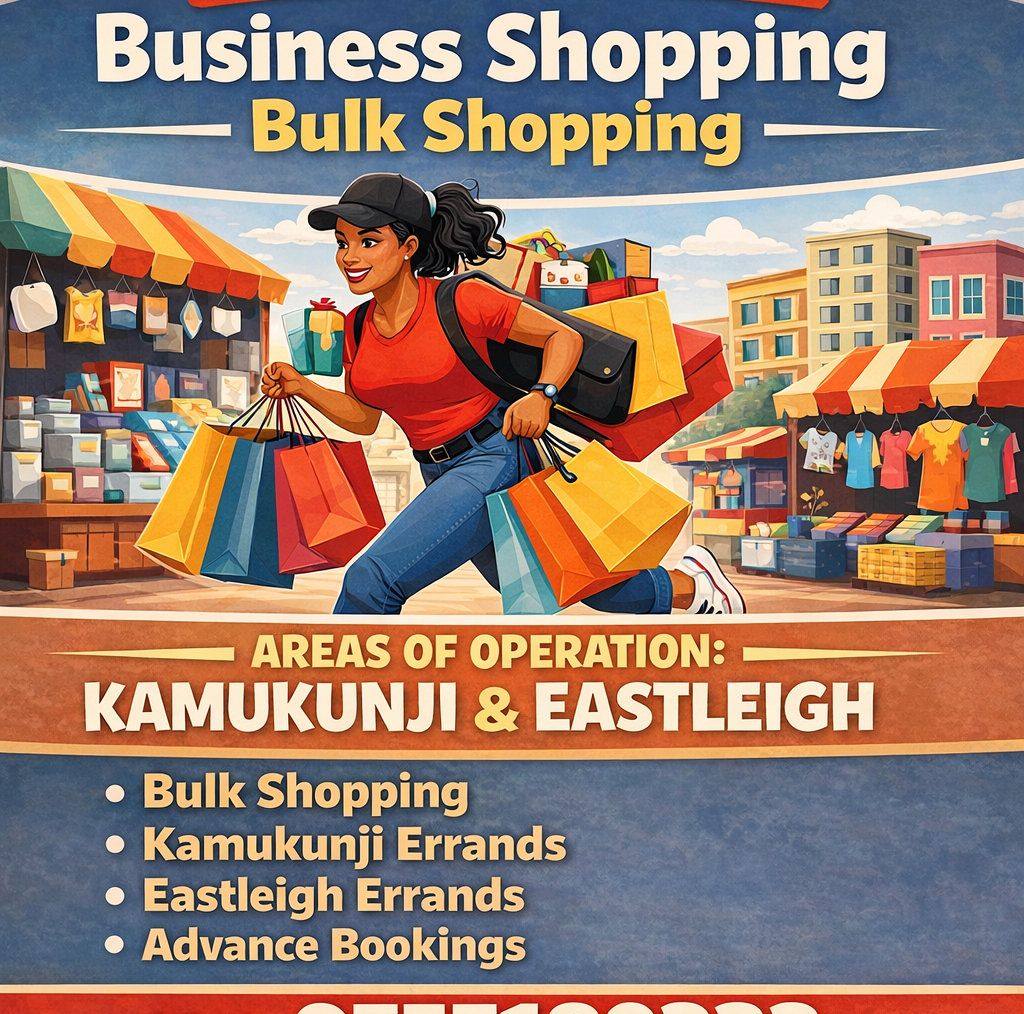
This is where professional errand runners can help. A runner who understands Nairobi markets can go early, compare prices, inspect goods, negotiate, arrange transport, and deliver stock to your business.
Trust is important because sourcing involves money and inventory. Platforms such as The Real Plug make it easier to find vetted professionals in Kenya who can assist with business errands, market sourcing, and reliable delivery.
For many small businesses, this support allows them to access wholesale prices without spending valuable working hours in crowded markets.
Final Thoughts
Nairobi’s wholesale markets are not always easy, but they remain essential for business owners who want better margins.
Gikomba works well for mitumba and household items. Wakulima is ideal for fresh produce. Nyamakima and River Road serve electronics, fabric, and general supplies. Kamukunji is strong for hardware and metalwork. Toi Market offers a more manageable option for affordable fashion stock.
The best approach is to understand what each market offers, go early, compare prices, inspect quality, and build relationships with reliable suppliers.
In business, every shilling saved during sourcing can strengthen your margins. Nairobi’s wholesale markets reward people who are prepared, patient, and willing to learn how the system works.