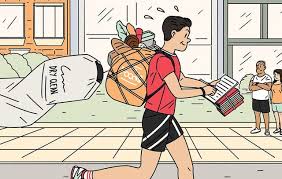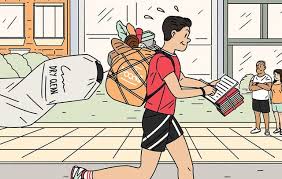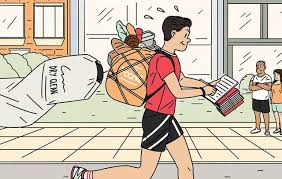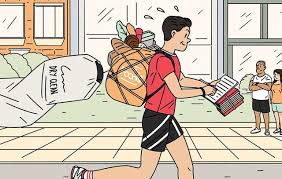


Many people assume an errand business in Kenya starts with a boda boda, a small car, or at least someone’s Probox waiting nearby. It’s an easy assumption to make because deliveries and errands are often tied to movement. But here’s the thing: clients are rarely paying for your vehicle. They’re paying for reliability, honesty, speed, and peace of mind.
And honestly, owning a motorbike is not always the advantage people imagine. Fuel prices, repairs, insurance, county issues, parking stress, and loan repayments can quietly eat into your profit. Before you know it, the business is busy but your pocket is still empty.
The good news? You can start an errand business without owning a motorbike or car in Kenya. Whether you’re in Nairobi, Kisumu, Eldoret, Nakuru, Mombasa, or a fast-growing town like Kitengela, Thika, or Juja, there are people who need help with everyday tasks. What matters is how well you organise yourself and how much trust you build.
What an Errand Business Really Means
An errand business is not just about carrying parcels from one place to another. At its core, it is about solving small but stressful problems for busy people.
Think of a parent in Umoja who cannot leave their shop to follow up on school documents. Or someone in diaspora who wants a trusted person to check on a utility bill, pay tokens, or confirm that a parent’s NHIF contribution has gone through. Maybe it’s an office worker in Upper Hill who needs documents dropped in town but cannot leave work before 5 p.m.
None of these clients wake up thinking, “I need someone with a motorbike.” What they actually need is someone dependable.
That difference matters. Once you understand that you are selling convenience and trust, not transport, the business becomes much easier to start.
Errands You Can Handle Without a Vehicle
Not every errand needs wheels. In fact, some of the best-paying errands only require your time, patience, phone, and ability to move smartly.
Government and Office Runs
Government-related errands are common because many people dislike queues, unclear processes, and moving from one office to another. Huduma Centre, KRA, NSSF, NHIF, county offices, land offices, and court registries attract people who need help following up on paperwork.
You can group such errands by location. For example, if you’re going to the CBD, you can handle two or three tasks in one trip. That way, you earn from each client while spending less on transport.
Local Shopping and Sourcing
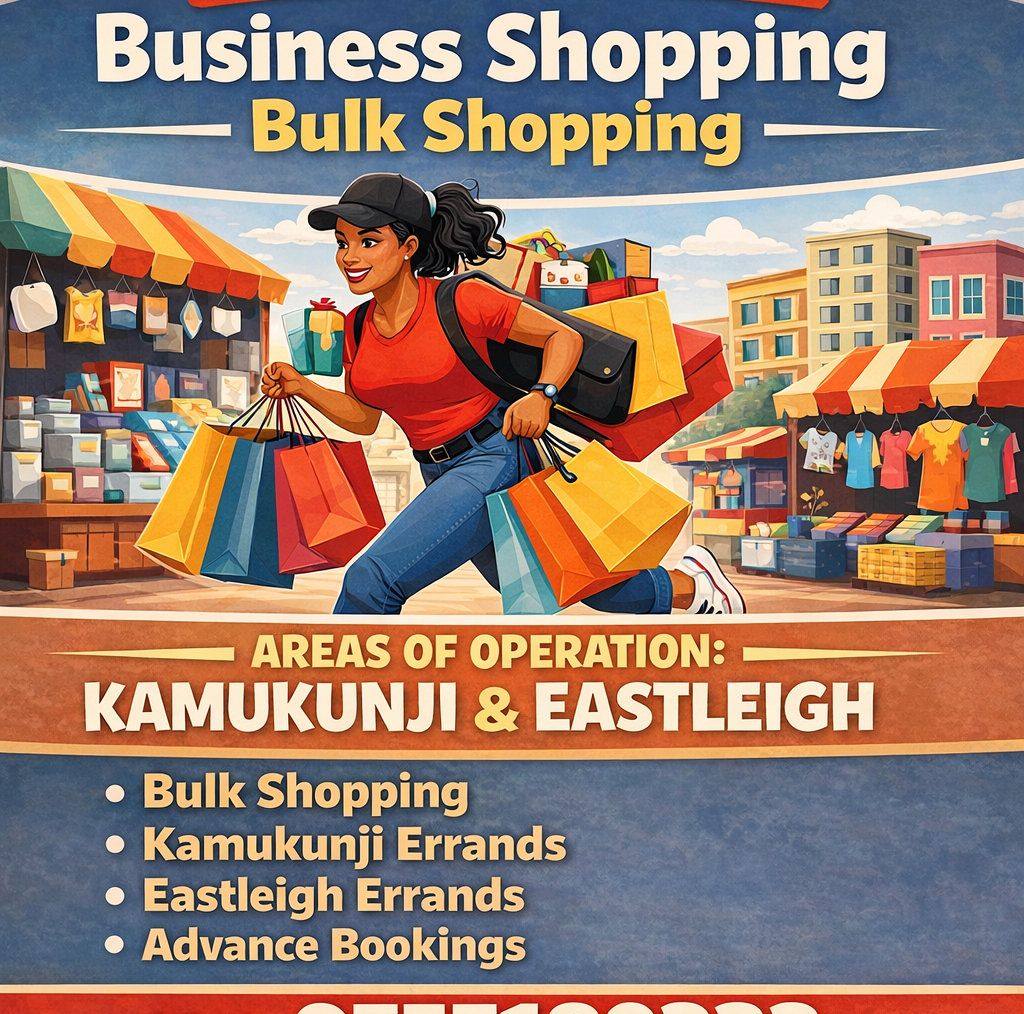
Shopping errands are also practical. Someone may need items from Gikomba, Kamukunji, Eastleigh, Kongowea, or Nyamakima but does not have the time or confidence to go there. Your job is to source, confirm prices, share photos, buy carefully, and arrange delivery if needed.
You don’t have to deliver everything yourself. Sometimes your value is in buying the right item at the right price and avoiding the usual “nilipata tofauti kidogo” disappointments.
Estate-Based Deliveries
If you know your neighbourhood well, you already have an advantage. A person in Roysambu, Pipeline, Bamburi, Langas, or Milimani may need medicine picked from a chemist, groceries collected from a supermarket, documents dropped at a nearby office, or laundry taken somewhere.
Within a short radius, walking can work perfectly. In some estates, walking is even faster than using a boda during traffic hours.
Bill Payments and Follow-Ups
This is especially useful for Kenyans living abroad or people managing family responsibilities from far away. They may need someone to pay water bills, buy KPLC tokens, visit a caretaker, check whether rent was received, or confirm a repair was done.
For this type of work, your phone, clear records, and honesty are more important than transport.
Start Simple and Avoid Unnecessary Debt
One mistake many beginners make is borrowing money too early. They think the business needs branding, a motorbike, uniforms, a website, and paid ads before the first client comes in. That can put pressure on a business that has not yet found its footing.
Start with what you have.
You need a reliable phone, a dedicated business line if possible, a notebook or simple spreadsheet, and clear service areas. For example, you can say you handle errands within Nakuru CBD, Section 58, and Milimani. Or within Nairobi CBD, Westlands, Ngara, and Parklands.
Clear boundaries protect you from overpromising. A client would rather hear “I can do that tomorrow morning” than get a promise that later turns into excuses.
Price Your Errand Services Properly
Pricing is where many people go wrong. Because they don’t own a vehicle, they assume they should charge very little. That’s not wise. Your time, movement, waiting, communication, and risk all have value.
A simple pricing model can include a service fee, transport reimbursement, and an extra charge for long queues, heavy items, or urgent tasks.
For example, a local errand may start from KSh 200 to KSh 500 depending on distance and complexity. A government office follow-up may cost more because of waiting time. Shopping errands can include a service fee plus exact transport and packaging costs.
Always agree on the price before starting. Also be transparent with M-Pesa charges, delivery fees, and any extra costs. People trust service providers who explain money clearly.
Build a Rider Network Instead of Buying a Bike
You don’t need to own a motorbike to offer delivery options. What you need is a small network of reliable riders.
Start with two or three boda riders you already know in your area. Explain that you will give them regular jobs when clients need fast delivery. Negotiate fair rates and keep their contacts saved properly.
This gives you flexibility without the burden of fuel, repairs, insurance, and loan repayments. When the job requires a bike, you simply include the rider’s fee in the client’s bill.
For sensitive tasks, trust matters even more. Platforms like The Real Plug can also help clients find vetted professionals, especially when the errand involves documents, office access, home services, or tasks where people want extra confidence before hiring someone.
How to Find Your First Clients
You don’t need expensive advertising at the beginning. Your first clients are probably already around you.
Start with your estate WhatsApp group, church group, chama, workplace contacts, former classmates, neighbours, and local business owners. Keep the message simple and human. Say what you do, where you operate, and how people can reach you.
Cyber cafes are also useful connection points. Many people go there for KRA PINs, eCitizen services, HELB forms, business registration, and document printing. Some of them still need someone to do the physical follow-up. A good relationship with a cyber attendant can bring steady referrals.
Salons, barbershops, kiosks, chemists, and small offices also work well because they interact with many locals every day.
Choose a Niche People Remember
At first, it may be tempting to say you do everything. But in a crowded market, being known for something specific helps.
You can become the person who handles Huduma Centre follow-ups in your town. Or the reliable Gikomba shopper for boutique owners. Or the estate errand person for busy parents and professionals. Once people associate you with a clear service, referrals become easier.
You can still accept other errands, but having a strong niche makes your business easier to explain and easier to trust.
Protect Your Reputation
In this business, reputation is everything. You may handle cash, documents, shopping money, receipts, keys, or private information. One careless mistake can damage trust quickly.
So communicate often. Send photos, receipts, screenshots, queue updates, and delivery confirmations. If you are delayed, say so early. Silence makes clients nervous, especially when money or documents are involved.
Keep records of every job. Note the client’s name, task, amount received, expenses, and completion status. It may sound small, but good records make you look professional and protect you when questions come up later.
Growing Without Owning a Vehicle
Growth does not have to mean buying a motorbike immediately. You can grow by improving your systems.
As clients increase, you can work with part-time runners in different estates, partner with specific riders, or handle only coordination while others do the movement. You can also create service days: Mondays for government offices, Tuesdays for shopping, Wednesdays for document delivery, and so on.
That kind of planning helps you serve more clients without burning out.
Over time, you may decide to buy a motorbike or car. But by then, it will be a business decision, not pressure. You’ll know your numbers, your routes, your clients, and whether owning a vehicle truly makes sense.
Final Thoughts
Starting an errand business without owning a motorbike or car in Kenya is not only possible; it can actually be smarter in the early stages. You keep costs low, avoid debt, and learn what clients really need before investing in expensive assets.
The real tools are reliability, honesty, local knowledge, clear pricing, and good communication. Start where you are, serve people well, and let your reputation do the heavy lifting.