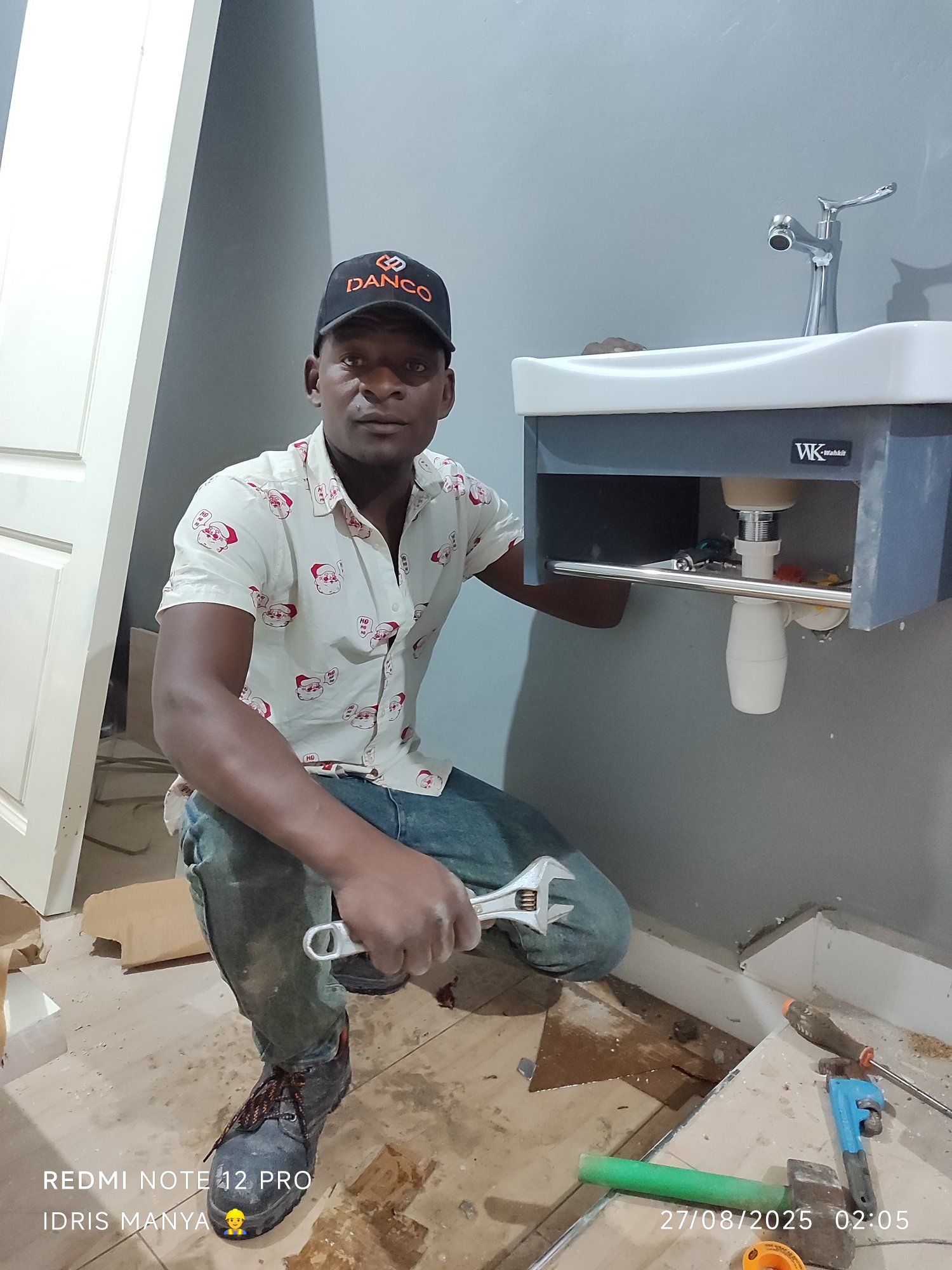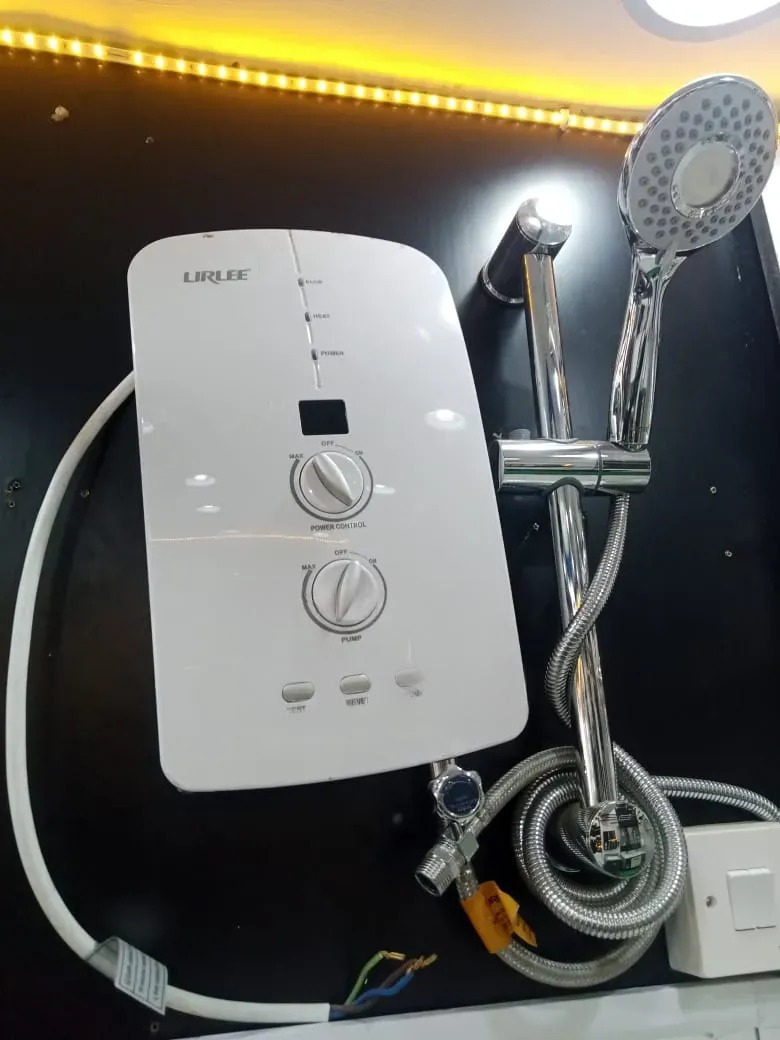


Nobody is born knowing how to fix a leaking sink. Even the plumber who now handles apartments in Kilimani or hotel maintenance in Nyali once started by carrying tools, watching closely, and asking questions that probably sounded obvious at the time.
Getting a plumbing job in Kenya without experience can feel difficult because the trade runs heavily on trust. People want someone who can enter their home, handle water systems properly, and leave the place better than they found it. Still, lack of experience does not mean you have no chance. It simply means you need to build proof slowly, start with small jobs, and place yourself around people who already get plumbing work.
Learn the Basics Before Looking for Paid Work
Before asking anyone for a plumbing job, understand the simple things first. Learn what a stopcock is, how a P-trap works, why taps leak, how toilet cisterns fill, and what causes common blockages. These basics matter because clients and senior fundis can quickly tell when someone is completely green.
You can begin with free learning. Watch plumbing repair videos, observe fundis working near your estate, and ask questions respectfully. If there is a construction site near your home, request to watch during slower hours without disturbing the workers. Carry a notebook and pay attention to how pipes are measured, cut, joined, sealed, and tested.
Practice at home where possible. Replace a shower head. Fix a loose tap. Open a sink trap and clean it. These small repairs help you gain confidence before touching a client’s property.
Consider Short Plumbing Training
You do not always need a long course to begin, but training helps. Local technical institutes, village polytechnics, and NITA-related centres offer plumbing and pipe-fitting courses. Even a short practical course can make a difference.
A certificate shows that you have taken the trade seriously. More importantly, training gives you supervised practice. You learn how to use tools safely, understand basic drawings, and avoid mistakes that could damage someone’s house.
In Kenya, that small piece of paper can open doors, especially with caretakers, contractors, schools, and maintenance companies.
Start as a Helper to an Experienced Fundi
The easiest way into plumbing is through someone already doing the work. Many plumbers need helpers on site, especially when carrying pipes, mixing materials, cutting fittings, or cleaning up after installations.
Approach experienced plumbers politely. Don’t start by demanding a full salary. Explain that you are learning and willing to assist. Construction sites in places like Ruaka, Kitengela, Ruiru, Athi River, Mombasa, and Kisumu often have plumbing work going on. Ask for the foreman or main plumber and introduce yourself clearly.
At first, you may only carry tools or prepare materials. That is still valuable. You will see real problems, real clients, and real deadlines. After a few weeks, you will understand more than someone who has only watched videos online.
Use Hardware Shops to Find Small Jobs
Hardware shops are quiet job centres for plumbers. Customers walk in every day asking for taps, pipes, valves, washers, toilet parts, and fittings. Many of them also need someone to install those items.
Build a relationship with hardware shops near you. Visit often, greet the attendants, and explain that you are learning plumbing and can handle small repairs. Leave your number and be available when they call.
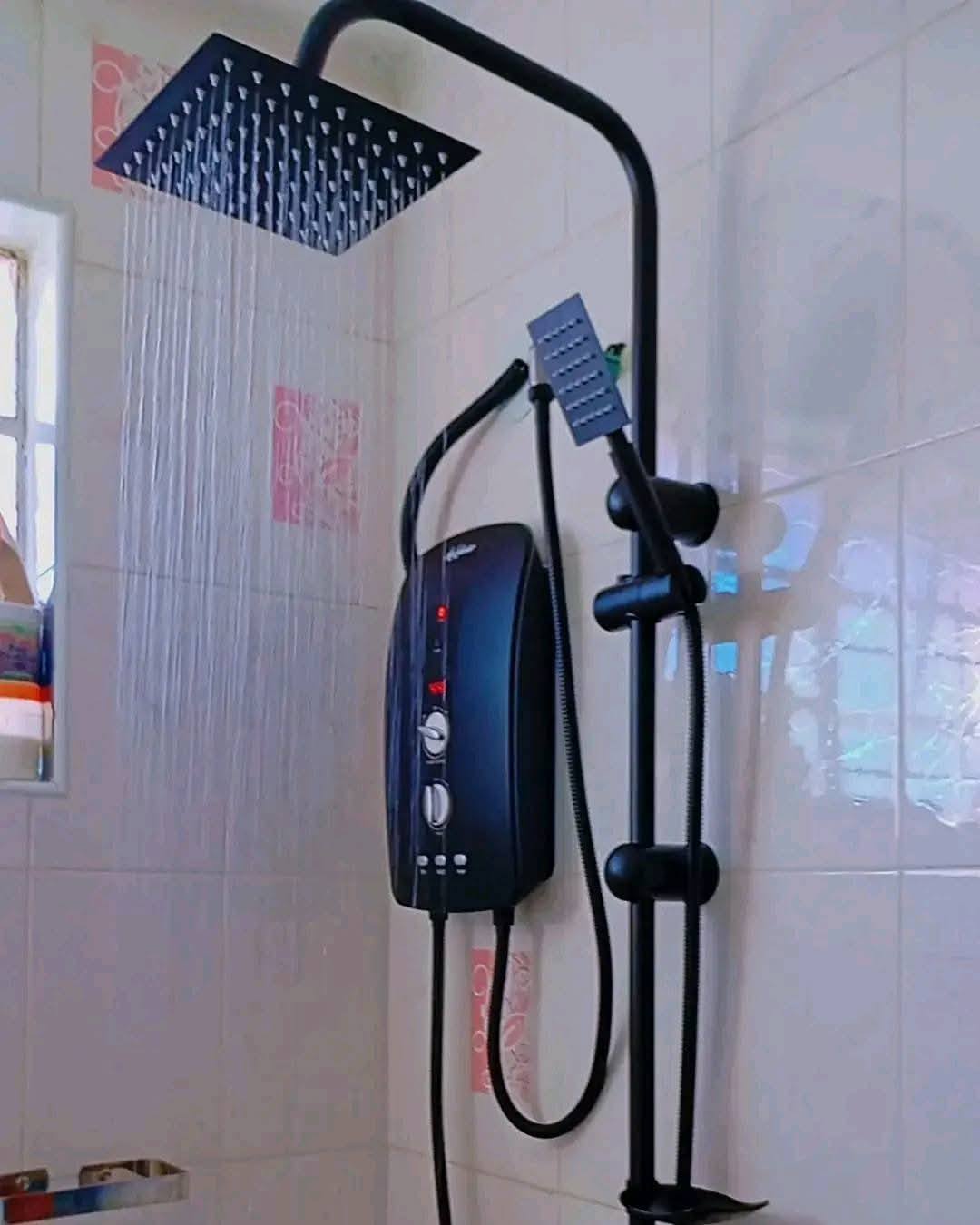
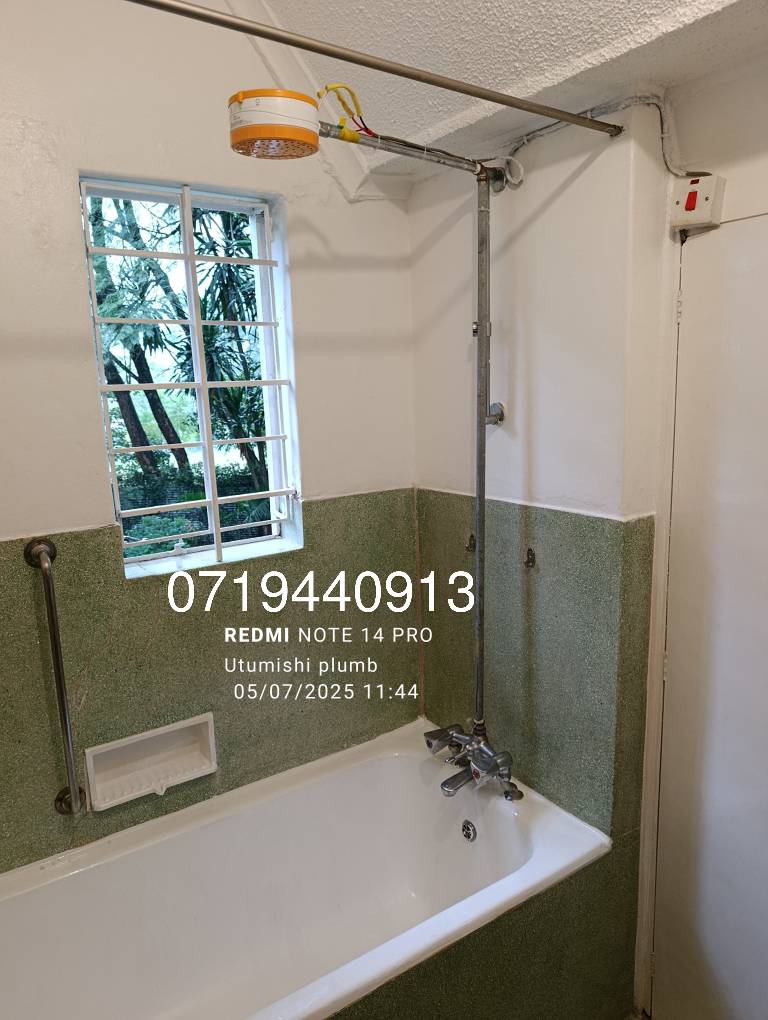
Do not expect big jobs immediately. Your first opportunity may be replacing a tap, fixing a leaking toilet, or helping someone install a shower head. Take those jobs seriously. One satisfied customer can lead to another.
Talk to Caretakers and Estate Managers
Caretakers are important in Kenya’s rental market. They hear about leaking sinks, blocked toilets, broken taps, and water tank issues before anyone else. Most already have a plumber, but that plumber may be unavailable, expensive, or unreliable.
Introduce yourself to caretakers in estates around you. Be honest that you are starting out but can handle small repairs. Show photos of any work you have done, even if it was at home or during training.
Offer to assess minor issues and only charge if you can fix them. This reduces risk for the caretaker and gives you a chance to prove yourself.
Make Yourself Easy to Trust
Plumbing is personal work. You may enter someone’s kitchen, bathroom, or compound. Clients need to feel safe with you.
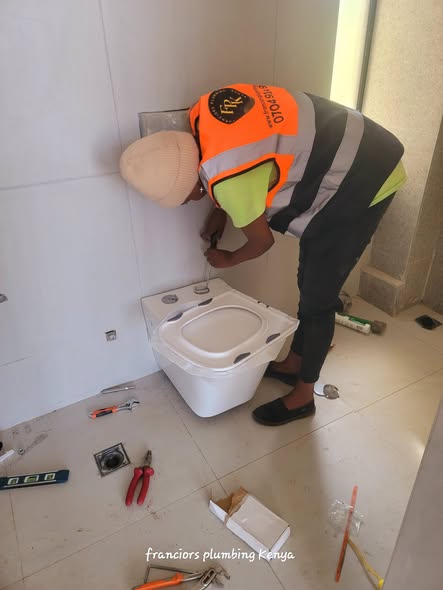
Dress neatly. You do not need branded overalls on day one, but you should look clean and prepared. Carry a small tool bag with basics such as a screwdriver, adjustable spanner, thread tape, plunger, and a rag.
Communication also matters. If you say you will arrive at 10 a.m., arrive at 10 a.m. If you are delayed by traffic or rain, send a message before the client starts calling. That small habit separates you from many casual fundis.
If a job is beyond your skill level, say so. Clients respect honesty more than fake confidence.
Create a Simple Online Presence
People now search online when they need plumbers, especially during emergencies. You should be visible beyond word of mouth.
Start with WhatsApp Business. Use a clear name such as “Brian Plumbing – Umoja & Donholm.” Add your services, working areas, and photos of small jobs you have done. Before-and-after images help people see that you can actually work.
You can also create a profile on The Real Plug, where clients look for vetted professionals in Kenya. For someone starting out, being listed in a trusted space helps build confidence because clients can find your details in a more professional setting.
Begin With Simple Plumbing Jobs
Do not start with complicated piping or major bathroom renovations. Begin with jobs that are easier to manage and lower risk.
Leaking taps, loose shower heads, blocked sinks, toilet seat replacement, faulty ball valves, and simple pipe leaks are good entry jobs. They teach you how to diagnose problems, quote fairly, explain materials, and deal with clients.
Always clean up after yourself. Wipe the sink, mop spilled water, and carry away damaged parts. Many clients remember cleanliness almost as much as the repair itself.
Charge Fairly, Not Desperately
Being new does not mean working for almost nothing. If experienced plumbers in your area charge KSh 800 for a small repair, you can charge slightly less while building your name, but do not reduce yourself to KSh 100 jobs that leave you broke.
Quote labour separately from materials. For example, say, “Labour is KSh 600. Materials will be bought with a receipt.” This keeps things clear and avoids blame if the client chooses poor-quality materials.
Write simple receipts where possible. It makes you look organised and helps build trust.
Build Your Name One Job at a Time
Your first plumbing job may not come from a big company. It may come from a neighbour, a caretaker, a hardware shop, or a senior fundi who needs help. That is normal.
Do each small job well. Arrive on time. Communicate clearly. Don’t exaggerate your skills. Ask happy clients to refer you. Take photos of your work with permission. Keep learning from better plumbers.
After a few months, you will no longer be the person with no experience. You will be the plumber who fixed Mama Njeri’s sink, helped on a site in Ruiru, or repaired a toilet in your estate without drama.
In Kenya, that kind of reputation becomes your real CV.