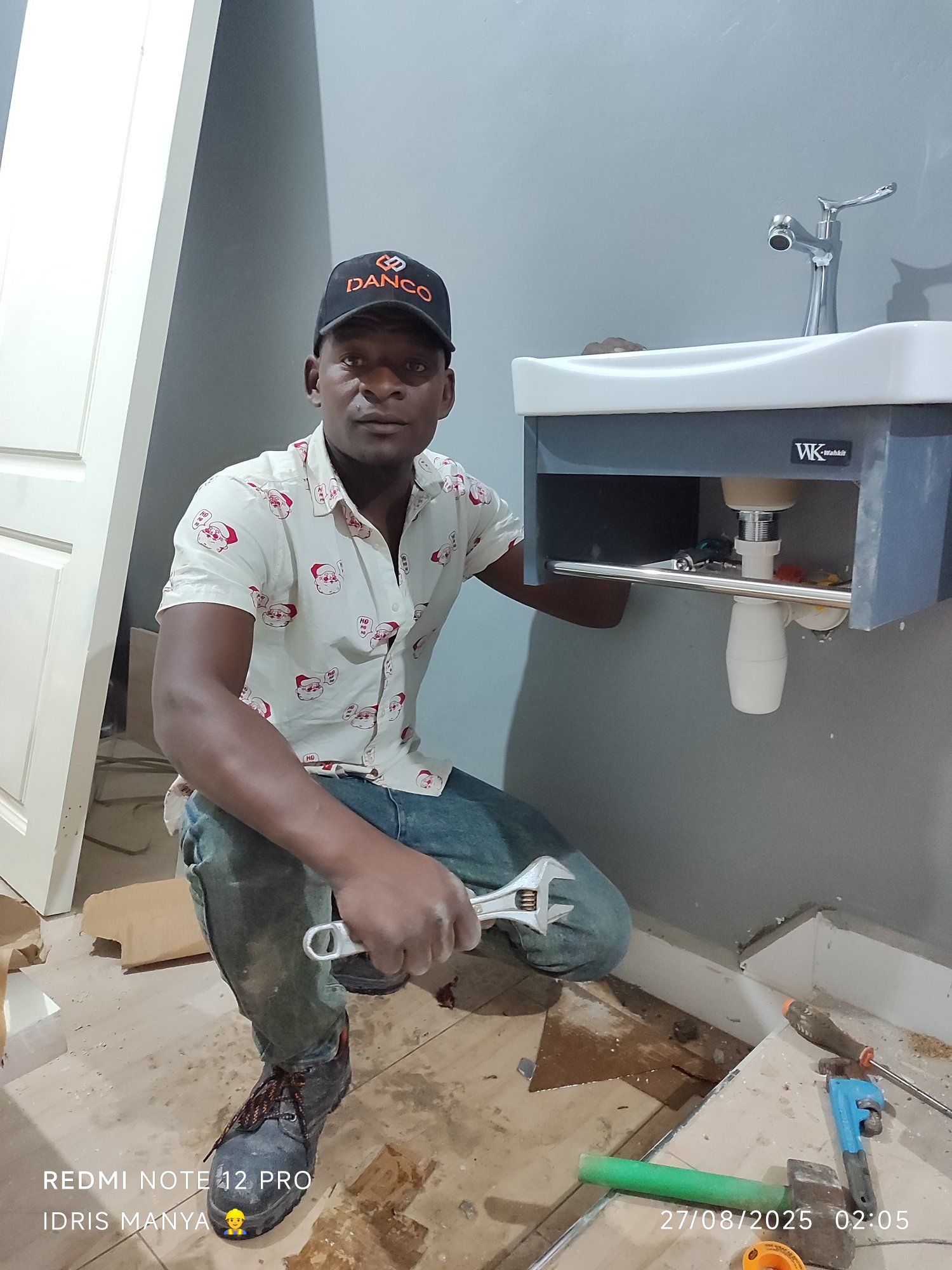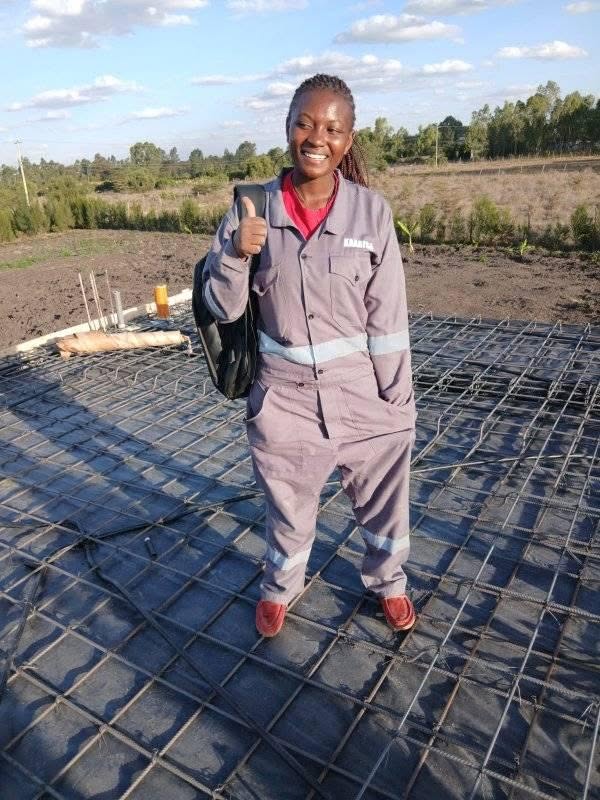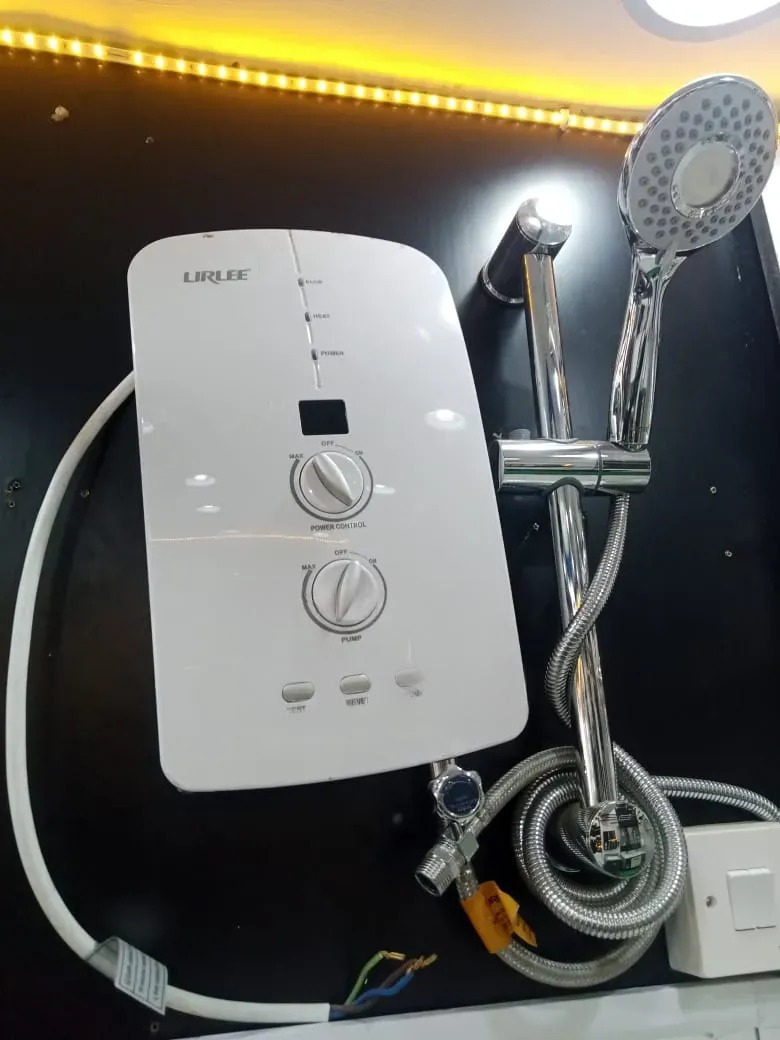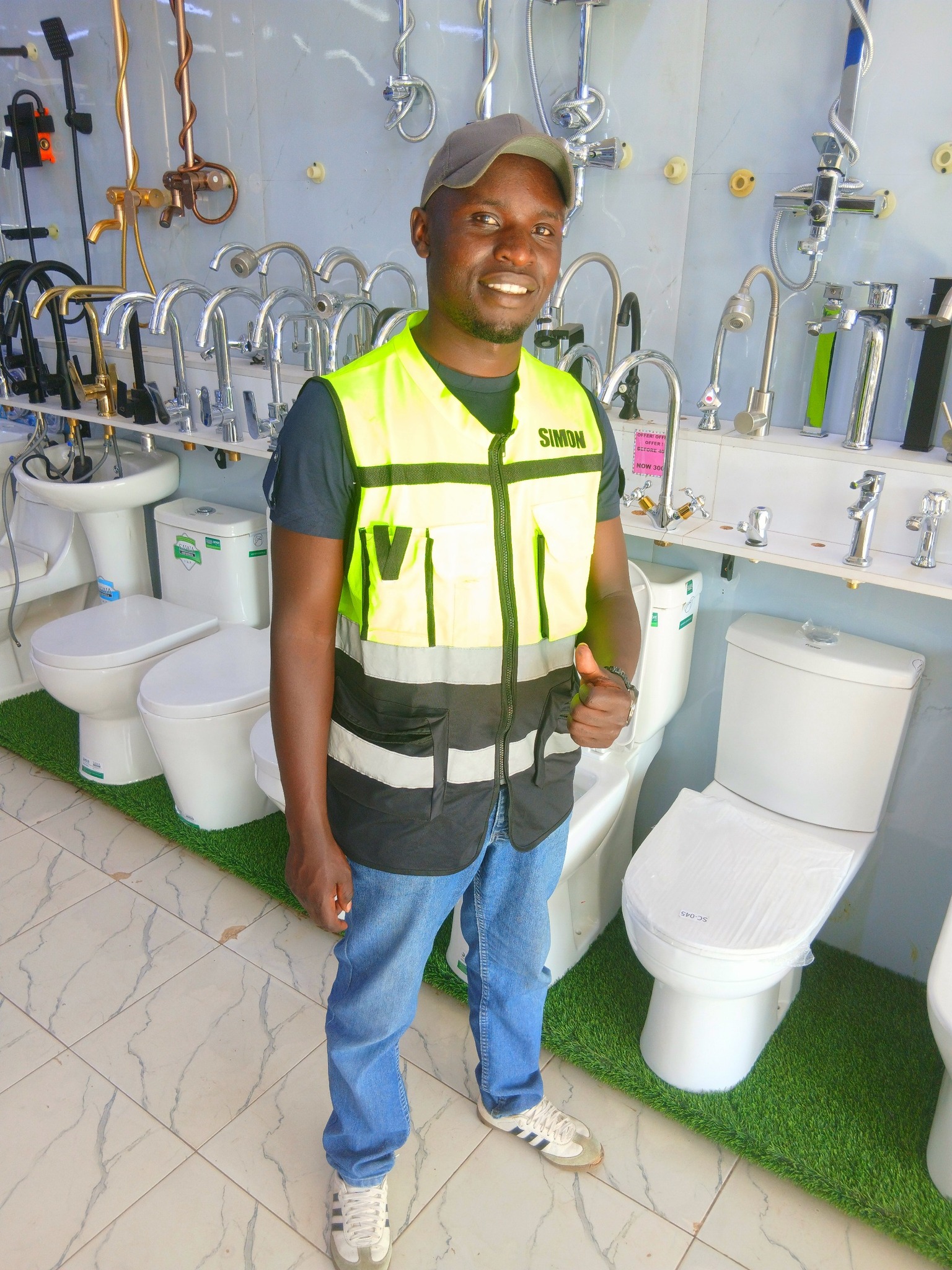


You can tell a growing estate from the sound of construction alone. Early morning in Ruaka, Ruiru, Kitengela, Syokimau, or Nyali, there is always a grinder somewhere, a lorry reversing, or a foreman shouting instructions from the second floor. Behind all that activity, plumbing work is quietly waiting. Water tanks need fixing, bathrooms need finishing, drainage lines need testing, and someone has to make sure the taps actually work before tenants move in.
So when people talk about plumbing vacancies in Kenya, it is not always about formal jobs posted online with neat job descriptions. Sometimes the “vacancy” is a contractor looking for a reliable plumber by tomorrow morning. Sometimes it is a school administrator trying to repair blocked toilets before pupils report back. Other times, it is a property manager in Kilimani who is tired of calling plumbers who arrive late, quote badly, and disappear after collecting material money.
The work is there. What employers struggle to find are plumbers who combine skill with reliability, honesty, and a bit of professional discipline. That is what separates someone who gets one job from someone who keeps getting called back.
Employers Want Practical Skills, Not Just Big Claims
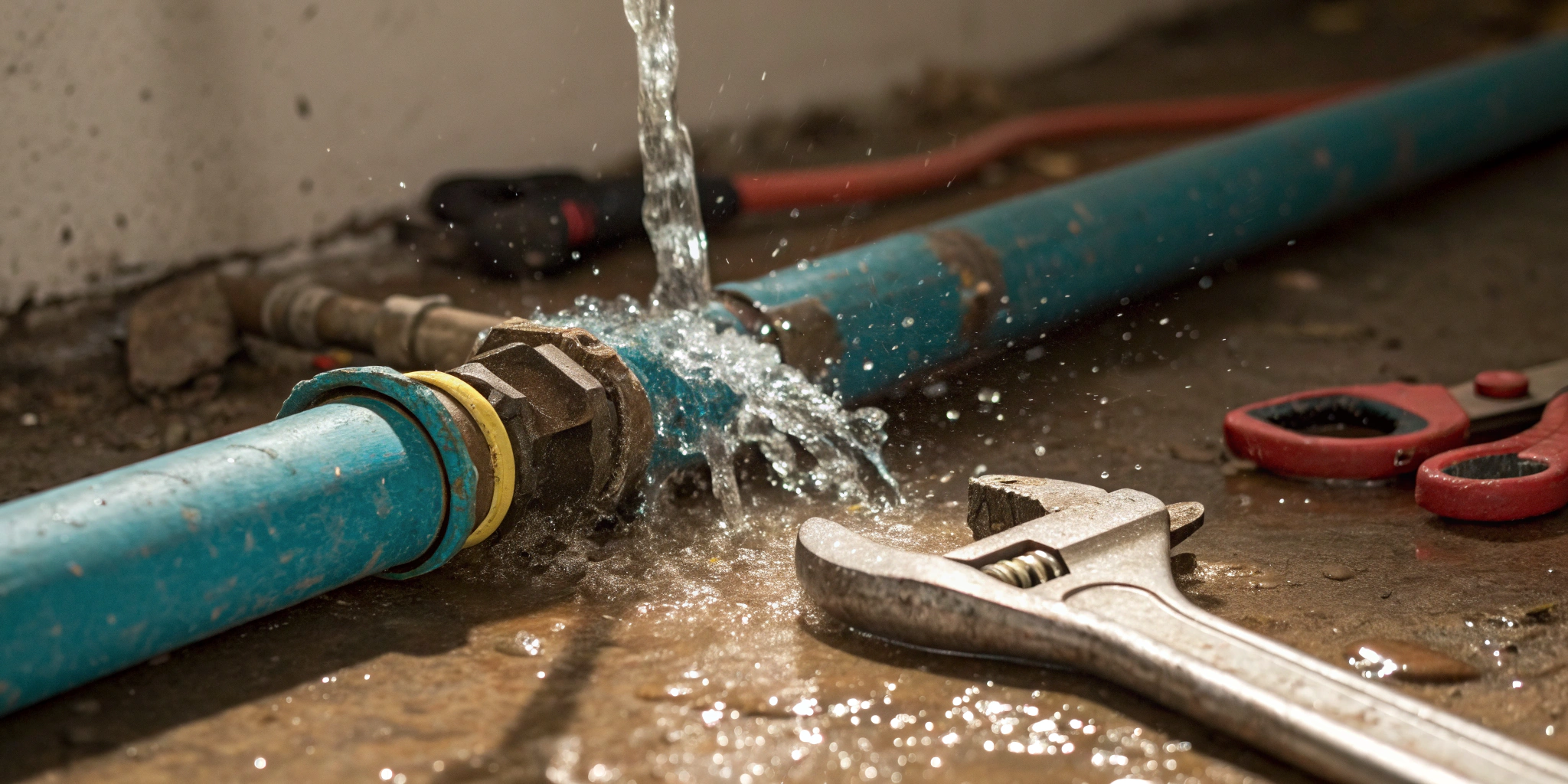
Plumbing is a hands-on trade. You can talk confidently, but the real test starts when water pressure drops, a pipe joint leaks, or a newly installed toilet refuses to flush properly. Employers want plumbers who can diagnose problems instead of guessing.
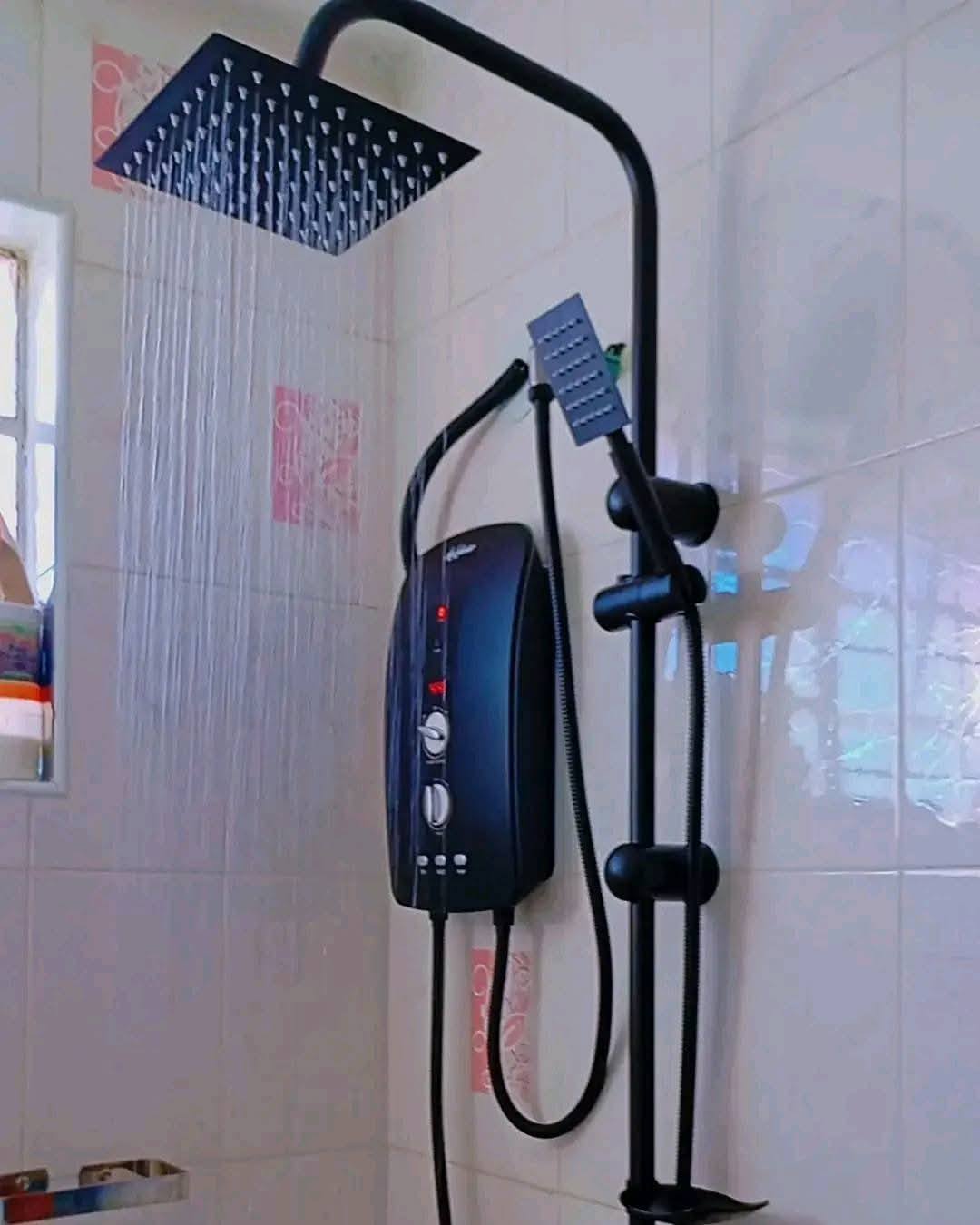
In newer buildings across Nairobi, Kiambu, Machakos, and Mombasa, plumbing systems are not as basic as they used to be. Many projects now involve concealed piping, pressure pumps, solar water heaters, instant showers, biodigesters, and modern drainage systems. If your skills are limited to changing taps and unblocking sinks, you may still get work, but mostly small repair jobs.
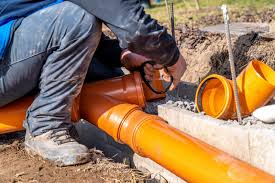
For construction sites, employers want to hear what you have actually done. Have you handled first fix and second fix plumbing? Have you worked with PPR pipes? Can you install a water tank system properly? Do you understand how to test for leaks before walls are closed? These details matter because one careless mistake can delay tilers, painters, electricians, and the final handover.
A good plumber does not rush to break tiles or cut pipes. They check valves, pressure, blockages, connections, and the history of the problem. That kind of thinking saves employers money.
Reliability Is Often More Important Than Talent
Many employers in Kenya have the same complaint about fundis: “Alisema anakuja, hakukuja.” That one habit ruins trust faster than poor workmanship.
On a construction site, one late plumber can delay the tiler, painter, carpenter, and supervisor. In a hotel, a leaking bathroom can affect guests. In a school, blocked toilets can quickly become a health issue. In an apartment block, a burst pipe can damage several units before lunch.
This is why employers value plumbers who show up when they say they will. If you agree to be in Syokimau at 7:30 a.m., arrive early. If traffic on Mombasa Road delays you, communicate before the foreman starts calling. A short message like, “I’m held up near Mlolongo, I’ll arrive in 20 minutes,” sounds simple, but it shows respect.
Reliability also means finishing what you start. Employers do not want someone who begins a job, disappears halfway, and comes back three days later with excuses. The plumber who completes tasks properly becomes the first person called when another vacancy comes up.
Trust and Traceability Matter More Than Ever
Plumbing work often happens in sensitive spaces. You may be allowed into people’s homes, bathrooms, kitchens, office stores, school compounds, hotel rooms, or construction sites with expensive materials lying around. Employers need to know they are dealing with someone traceable.
This is where many plumbers lose opportunities. They may be skilled, but they have no proper profile, no references, no clear service areas, and no proof of previous work. To an employer, that feels risky.
Having a profile on The Real Plug helps because clients and businesses can find vetted professionals in a more organised way. A plumber who appears there with a real name, service areas, work photos, and reviews looks easier to trust than someone whose only introduction is a random phone number forwarded in a WhatsApp group.
Traceability is not about looking fancy. It is about reducing doubt. Employers want to know that if something goes wrong, they can reach you, identify you, and hold you accountable.
Good Conduct on Site Can Get You Hired Again
Many plumbers think the job ends with fixing the pipe. Employers look at more than that. They notice how you behave on site, how you talk to other workers, and whether you respect the client’s space.
On construction sites, plumbing does not happen in isolation. You work around masons, electricians, tilers, painters, and carpenters. If you damage someone else’s work, leave open trenches, scatter pipe cuttings everywhere, or ignore the foreman’s instructions, your technical skill will not save you for long.
In homes and offices, simple manners count. Ask where to place your tools. Avoid loud music. Do not move personal items carelessly. Clean up after the repair. If you cut pipes or remove old fittings, do not leave the rubbish for the client unless you have agreed.
A homeowner in Karen, a landlord in Donholm, or a school administrator in Eldoret may not understand every technical detail, but they will remember whether you worked neatly and respectfully.
Paperwork Opens Bigger Plumbing Opportunities
For small home repairs, clients may only ask for your number and rate. But once you start looking at bigger plumbing vacancies in Kenya, paperwork becomes important.
A NITA certificate is useful, even at Grade III level. It shows basic formal training and gives employers more confidence in your skills. A certificate of good conduct can also help, especially for schools, hotels, gated estates, NGOs, embassies, and corporate buildings.
If you want institutional or commercial work, business registration and KRA details become important. Procurement officers often need suppliers who can issue invoices, receipts, and proper quotations. County projects, schools, hospitals, and property management companies may also ask for documents before giving you work.
Some bigger employers may even prefer plumbers with liability insurance. It sounds like something for large contractors, but it is becoming more relevant. If a plumbing mistake causes water damage in an apartment block or office, the loss can be serious. Insurance tells employers you treat your work like a business, not casual kibarua.
Employers Like Plumbers Who Quote Clearly
Unclear pricing causes many problems. A plumber says, “Tutamalizana,” starts the job, then the client is shocked by the final amount. That approach may work once, but it rarely builds long-term trust.
Employers prefer clear quotations. Even if you send it on WhatsApp, break it down properly. State labour, materials, transport, expected timeline, and payment terms. If you need a deposit for materials, say how much and what it covers.
For example, if you are repairing toilets in a school, do not just say, “It will cost around 20,000.” Explain how much goes to labour, how much to materials, how long the work will take, and whether the price may change if hidden damage is found.
A clear quote makes you look organised. It also protects you from arguments later.
Honesty With Materials and Money Is a Big Test
Many employers judge plumbers by how they handle material money. If a client gives you KSh 15,000 for fittings, they expect receipts, correct items, and change returned without being chased.
This is where trust is either built or destroyed. If you buy materials, send photos, keep receipts, and explain any price changes. If there is change, return it immediately. Do not wait until the client asks.
A plumber who accounts properly for small amounts can later be trusted with bigger projects. That is how some fundis move from fixing one leaking toilet to handling full plumbing installations for rentals, schools, or commercial buildings.
Proof of Work Helps You Stand Out
Employers do not want long stories. They want evidence.
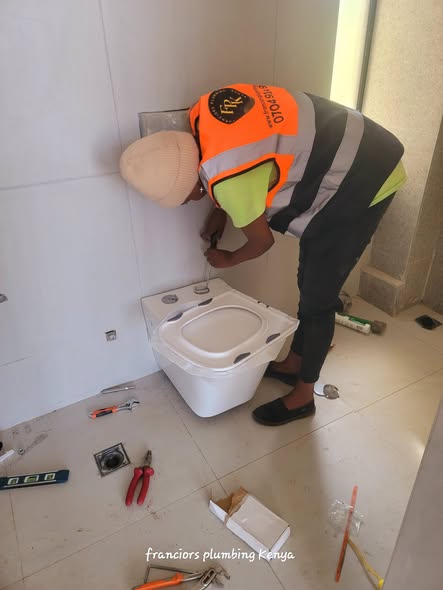
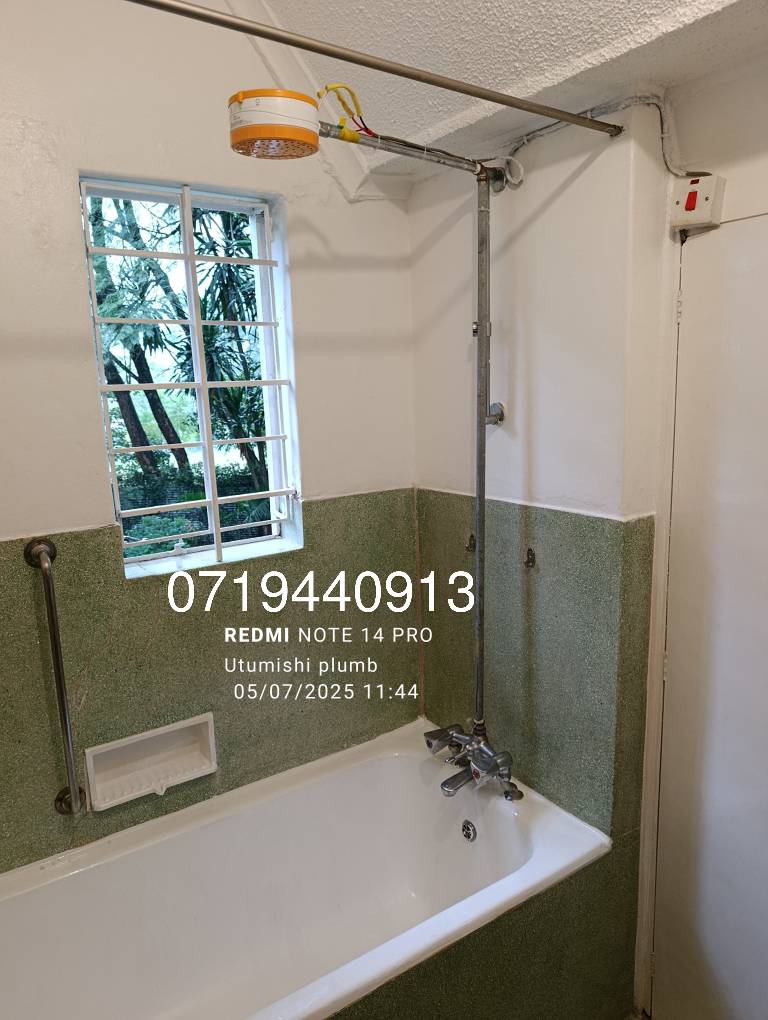
Keep photos of your past work on your phone. Show neat pipe layouts, repaired bathrooms, water tank installations, drainage work, pump connections, and finished fittings. If you worked on a site, keep photos that show your contribution clearly.
Client testimonials also help. A short message from a landlord, contractor, caretaker, or school administrator can give a new employer confidence. You do not need dramatic praise. Even a simple “He came on time and fixed the leak properly” is useful.
When someone asks, “Have you done this kind of work before?” show them instead of over-explaining.
Where Plumbing Vacancies Are Found in Kenya
Plumbing vacancies in Kenya come from many places. Construction sites need plumbers for installation work. Hardware shops refer customers who need fittings installed. Caretakers connect fundis to tenants and landlords. Schools, hotels, offices, hospitals, and factories need maintenance support. Property managers often look for reliable plumbers they can call regularly.
Online platforms also matter. The Jobs section on The Real Plug usually connects users with opportunities involving vetted professionals, including home repairs, maintenance jobs, and service requests from businesses. For plumbers, being present where serious clients are already searching can reduce the time spent chasing random leads.
The best approach is to combine both worlds: local networks and online visibility.
What Really Gets a Plumber Hired
At the end of the day, employers remember a few simple things. Did you arrive when you said you would? Did you fix the problem properly? Did you communicate clearly? Did you handle money honestly? Did you leave the place clean?
Those things may sound basic, but in the Kenyan market, they are powerful. A plumber who is skilled, punctual, respectful, and accountable will always have an advantage.
There is no shortage of plumbing work in Kenya. There is a shortage of plumbers who make hiring them feel safe and stress-free. If you can become that kind of plumber, vacancies stop feeling like something you chase. They start coming through referrals, repeat clients, and calls from people who already know your work.