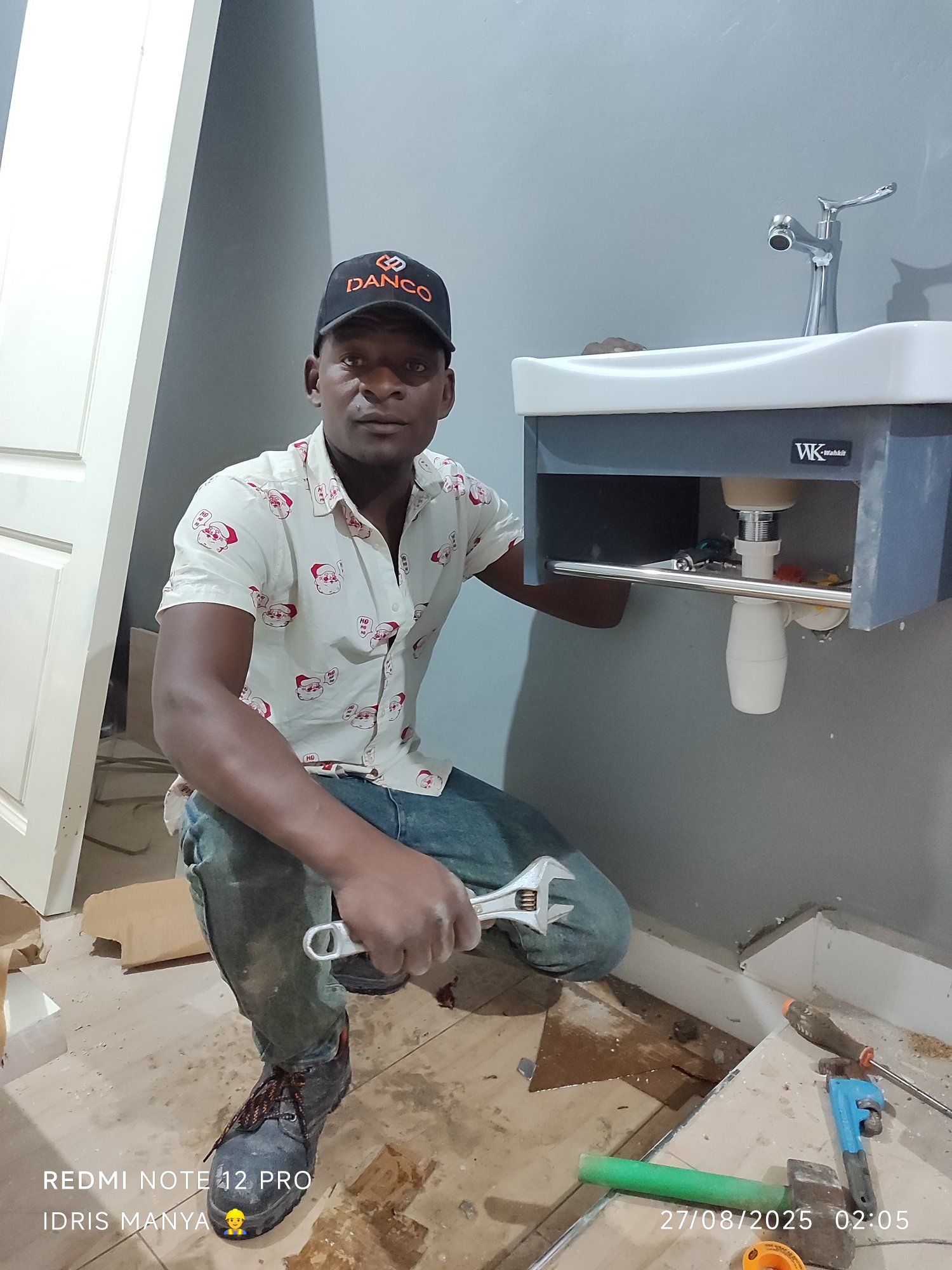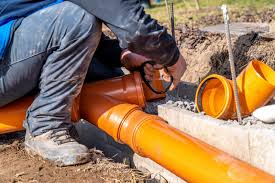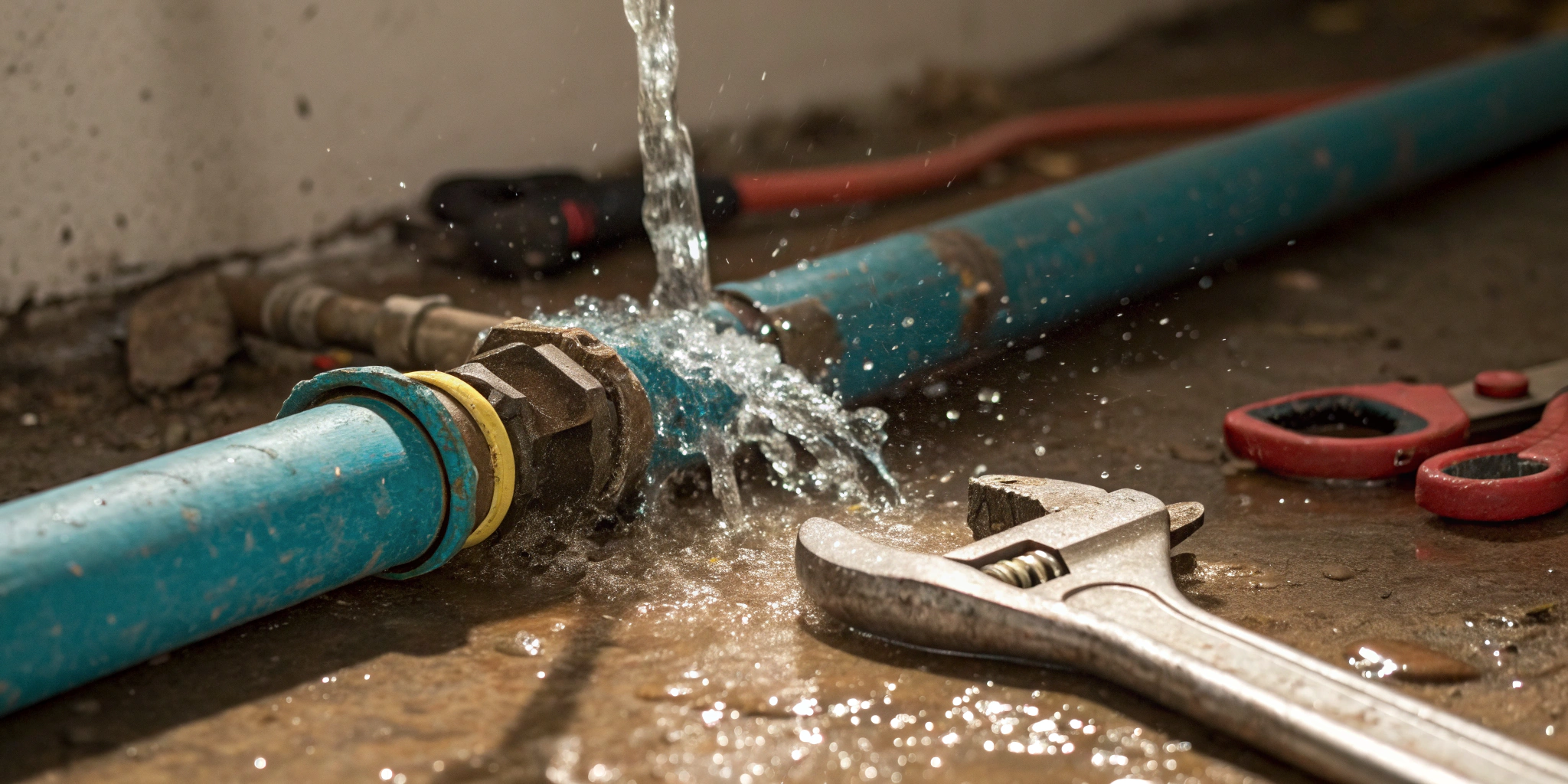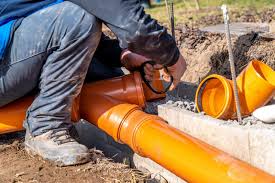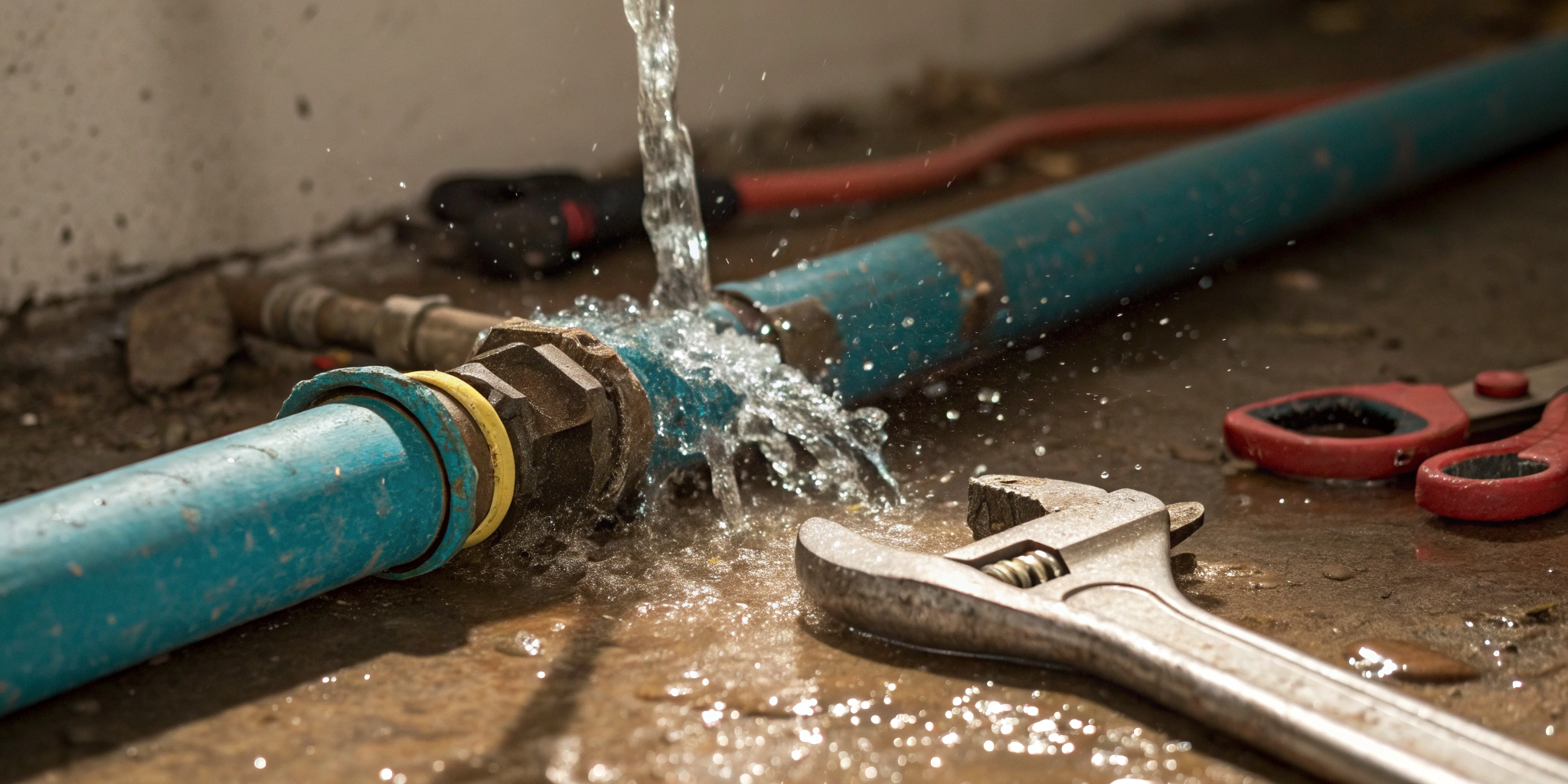


Plumbing in Kenya has quietly changed. It is no longer just the fundi who comes with a spanner, tightens a tap, collects a few hundred shillings, and leaves. That work still exists, of course. Sinks still block in Umoja, toilets still leak in Bamburi, and shower heads still break in rental houses across the country. But the bigger plumbing opportunities now sit in more technical spaces.
Walk around Ruaka, Ruiru, Athi River, Diani, or even parts of Nanyuki and you will notice how homes and commercial buildings are changing. There are pressure pumps, concealed piping, biodigesters, solar water heaters, borehole systems, and water storage setups that need more than guesswork. A plumber who understands these systems is not just surviving on small repairs. They can build a proper career.
For anyone thinking about plumbing careers in Kenya, the question is not just, “Can I fix a leak?” It is, “Can clients trust me to solve water problems properly?”
Plumbing Is Now a Serious Skilled Trade
There was a time when many people entered plumbing through apprenticeship only. You followed an older fundi, carried tools, watched carefully, and slowly learnt the work. That path still matters, and many excellent plumbers in Kenya started exactly that way.
But the market has become more demanding. Contractors want people who understand site work. Schools and hotels want plumbers who can issue receipts and respond quickly. Property managers want someone reliable enough to handle several units without constant supervision.
This is why plumbing is now a skilled trade with real career paths. You can work as a home repair plumber, site plumber, maintenance technician, specialist installer, or eventually run your own plumbing business.
Core Plumbing Skills Every Beginner Needs
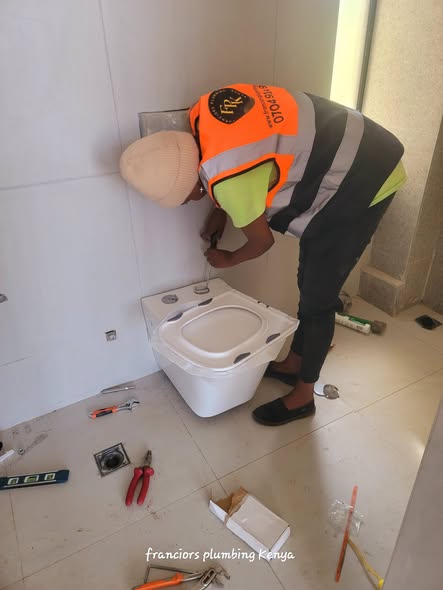
Every plumbing career starts with the basics. You need to know how to repair leaking taps, clear blockages, install toilets, fit sinks, connect tanks, replace valves, and identify common pipe problems.
You should also understand different pipe materials. PVC, PPR, HDPE, copper, and galvanized pipes are used in different situations. Knowing where each one fits helps you avoid poor installations.
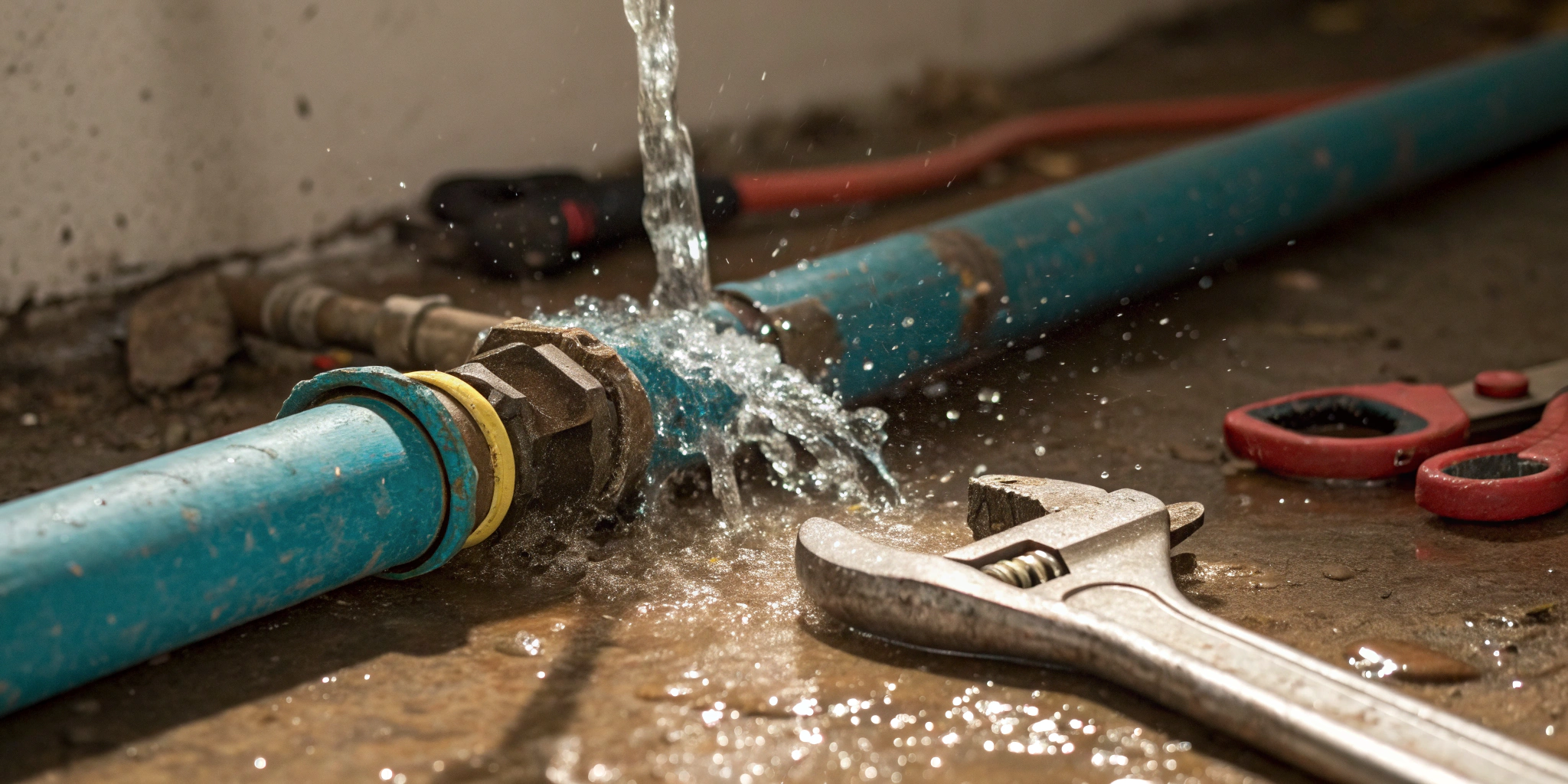
Leak tracing is another important skill. A client may only see water on the floor, but the real problem could be behind a wall, under a sink, near a valve, or from poor pressure control. A good plumber does not guess. They inspect, test, and explain.
Drainage work is also key. Many estates in Kenya deal with recurring blockages, especially during rainy seasons. Understanding gradients, waste flow, inspection chambers, and proper venting makes you more useful than someone who only clears the same blockage every month.
Modern Plumbing Skills That Pay Better
If you want to grow beyond small repairs, learn modern systems. Pressure pumps, solar water heaters, biodigesters, rainwater harvesting, borehole connections, and irrigation systems are becoming common in homes, farms, schools, and commercial buildings.
In places like Kajiado, Machakos, Rongai, Kitengela, and parts of Kiambu, water storage and pumping systems are a big deal. Many homes rely on tanks, pumps, and automatic switches. If you can install and troubleshoot these systems, you become valuable.
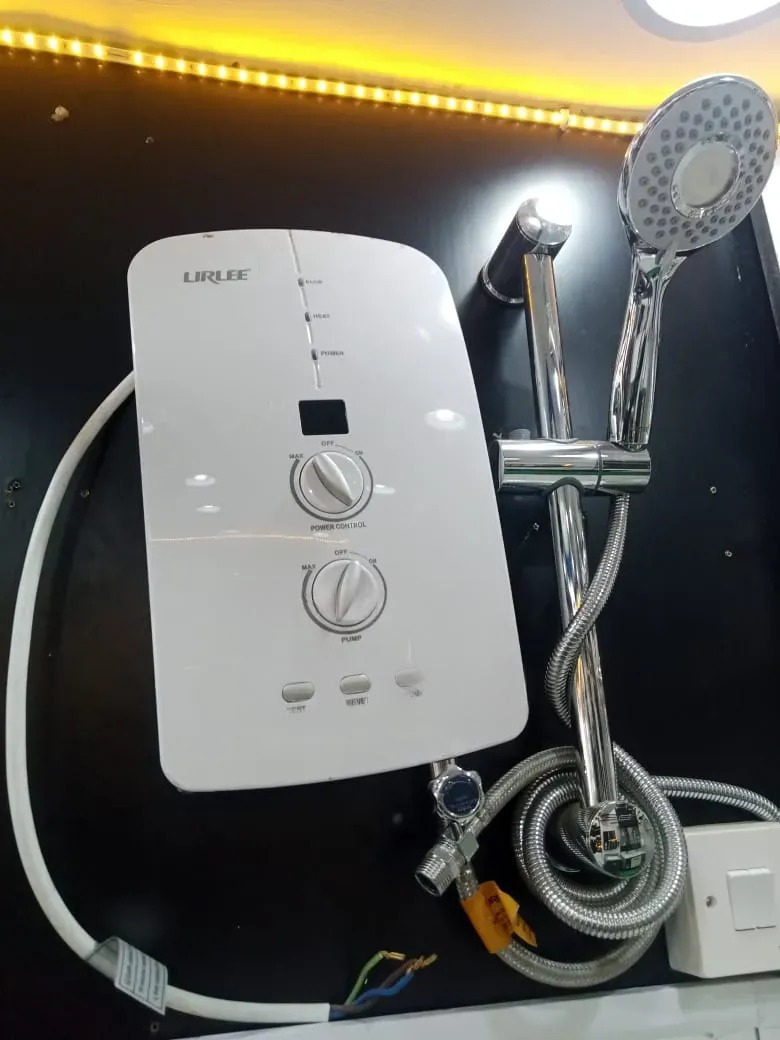
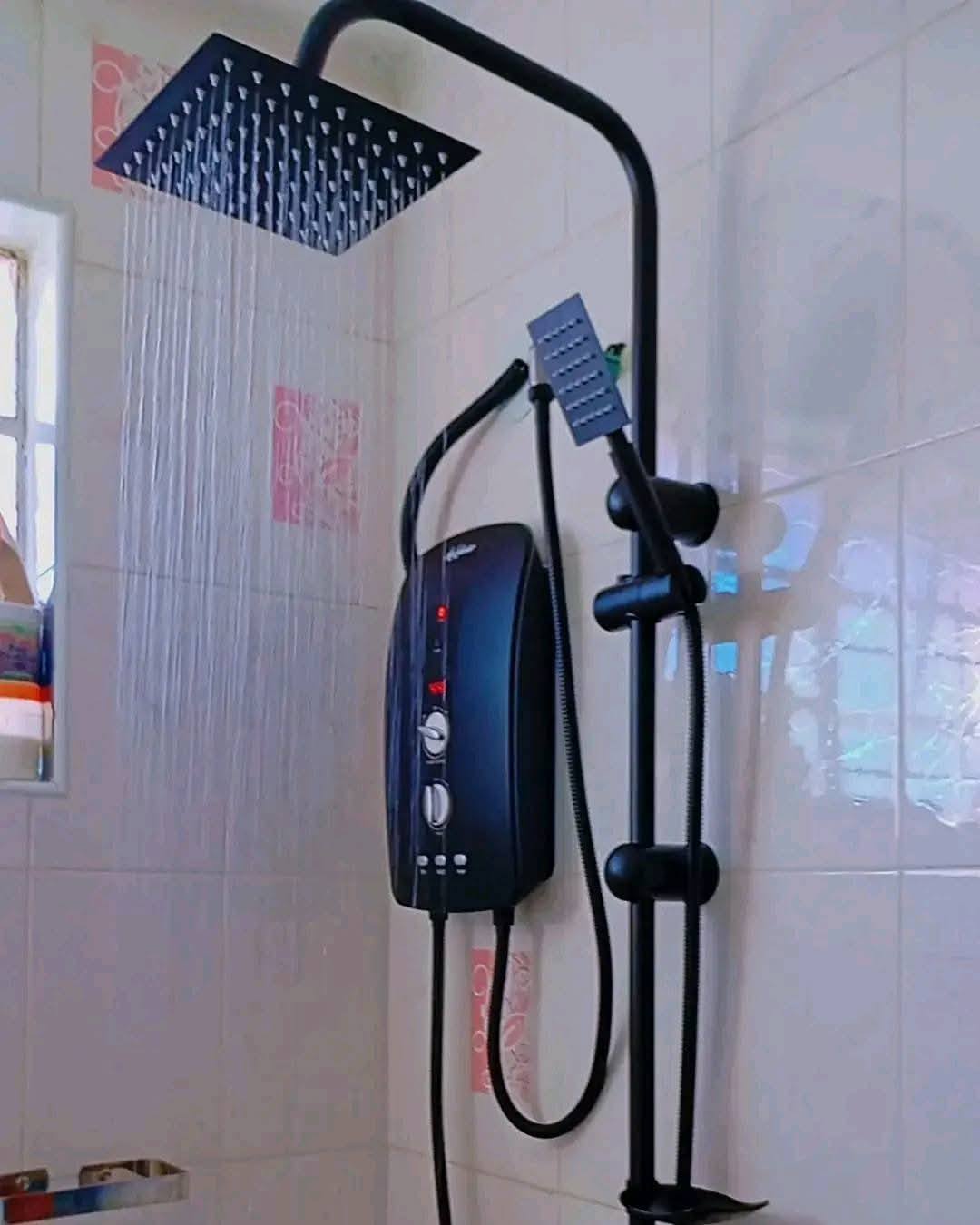
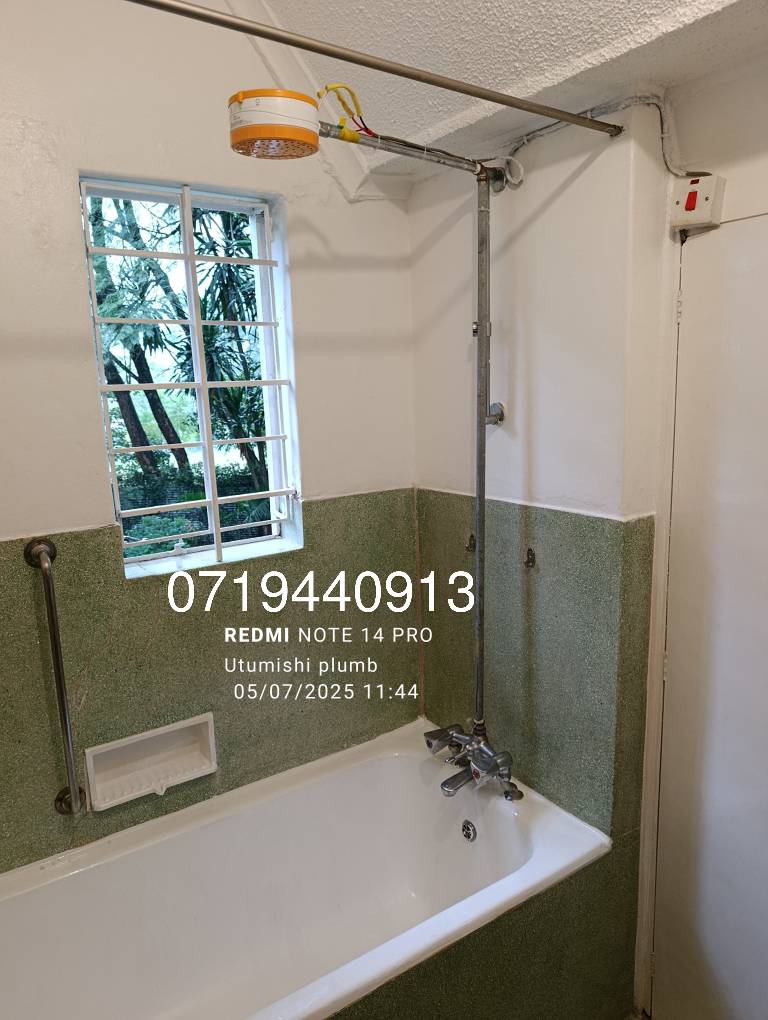
Solar water heating is also growing, especially in homes and hospitality spaces where electricity costs matter. A plumber who understands the water side of solar heater installation can work with electricians and suppliers on better-paying jobs.
Irrigation is another area worth watching. Greenhouses in Isinya, farms in Nyeri, and landscaped homes in Runda or Karen need drip systems and water distribution. It is still plumbing, only applied differently.
Qualifications That Help You Get Better Jobs
Experience matters in Kenya, but papers can open doors. For small home repairs, clients may not ask for certificates. But for construction sites, schools, hotels, NGOs, county work, and larger contracts, qualifications make a difference.
The most common qualification is the NITA Trade Test in Plumbing and Pipe Fitting. Grade III is a good starting point, while Grade II and Grade I show higher competence. You can also train through technical institutes, TVET colleges, village polytechnics, or approved training centres.
A certificate of good conduct is also useful, especially when working in gated communities, schools, offices, hotels, and institutional compounds. Clients want to know they are allowing a traceable person into their space.
If you plan to run a plumbing business, register a business name, get a KRA PIN, and learn how to issue invoices and receipts. This may sound like office work, but it matters. Many institutions prefer paying a registered business instead of sending money to a personal number.
Soft Skills That Keep Clients Calling
Technical skill gets you the job. Good behaviour gets you the next one.
Timekeeping is a serious issue in the Kenyan service industry. If you tell a client in Kilimani you will arrive at 9 a.m., arrive at 9 a.m. If you are stuck in traffic, communicate early. Clients forgive delays more easily when they are informed.
Communication also matters. Explain the problem in simple language. Do not confuse clients with unnecessary jargon. If a tank is overflowing because the ball valve has failed, say that clearly. If a blockage needs more than a plunger, explain why.
Cleanliness is another underrated skill. After repairing a sink or toilet, wipe the area, collect broken parts, and leave the place tidy. A client may not know whether your pipe joint technique is perfect, but they will notice if you leave muddy footprints in the bathroom.
Honesty with materials and money is also essential. If a client gives you money for fittings, buy the items, keep receipts, and return change. That small discipline can turn one repair into years of repeat work.
Career Paths for Plumbers in Kenya
Plumbing careers in Kenya can grow in different directions.
Some plumbers focus on emergency home repairs. They serve estates, apartments, and landlords, handling leaks, blockages, broken taps, faulty toilets, and shower issues. This path depends heavily on speed, trust, and local visibility.
Others move into construction. Site plumbers work with contractors on new homes, apartments, schools, and commercial buildings. They handle first fix, second fix, testing, and final installations. With experience, a site plumber can become a supervisor or subcontractor.
Maintenance work is another strong path. Schools, hotels, offices, hospitals, churches, and apartment blocks often need ongoing plumbing support. A monthly retainer can provide steadier income than waiting for random emergency calls.
Specialisation can take you even further. Borehole systems, solar water heating, biodigesters, pumps, and irrigation can attract larger projects. These areas may require extra training, but they often pay better because fewer plumbers understand them well.
How to Build Visibility as a Plumber
Skill alone is not enough if nobody can find you. Many good plumbers lose work because their name only moves through word of mouth.
Start with WhatsApp Business. Add your services, service areas, working hours, and photos of completed jobs. Use your status to show real work, not just “available plumber” messages.
You can also list yourself on The Real Plug, where people look for vetted professionals in Kenya. For plumbers, this helps because clients often want someone they can verify before allowing them into a home, school, or business premises.
The Jobs section on The Real Plug can also be useful when looking for plumbing opportunities, from small repair jobs to work involving property managers and institutions.
How to Start Growing Your Plumbing Career
Start where you are. Fix small issues at home. Assist an experienced plumber. Take photos of your work. Enrol in a short course if you can. Get a NITA certificate when ready. Build relationships with hardware shops, caretakers, contractors, and property managers.
Do not rush to take jobs beyond your skill level. It is better to assist a senior plumber on a complex installation than to damage a client’s property while pretending to know everything.
Every good job becomes proof. Every satisfied client becomes a possible referral. Over time, you move from small repairs to bigger contracts.
Plumbing careers in Kenya are full of opportunity for people willing to learn, show up, and work cleanly. The country will keep building. Homes will keep needing water. Pipes will keep failing. The plumber who combines skill, trust, and professionalism will always have work.