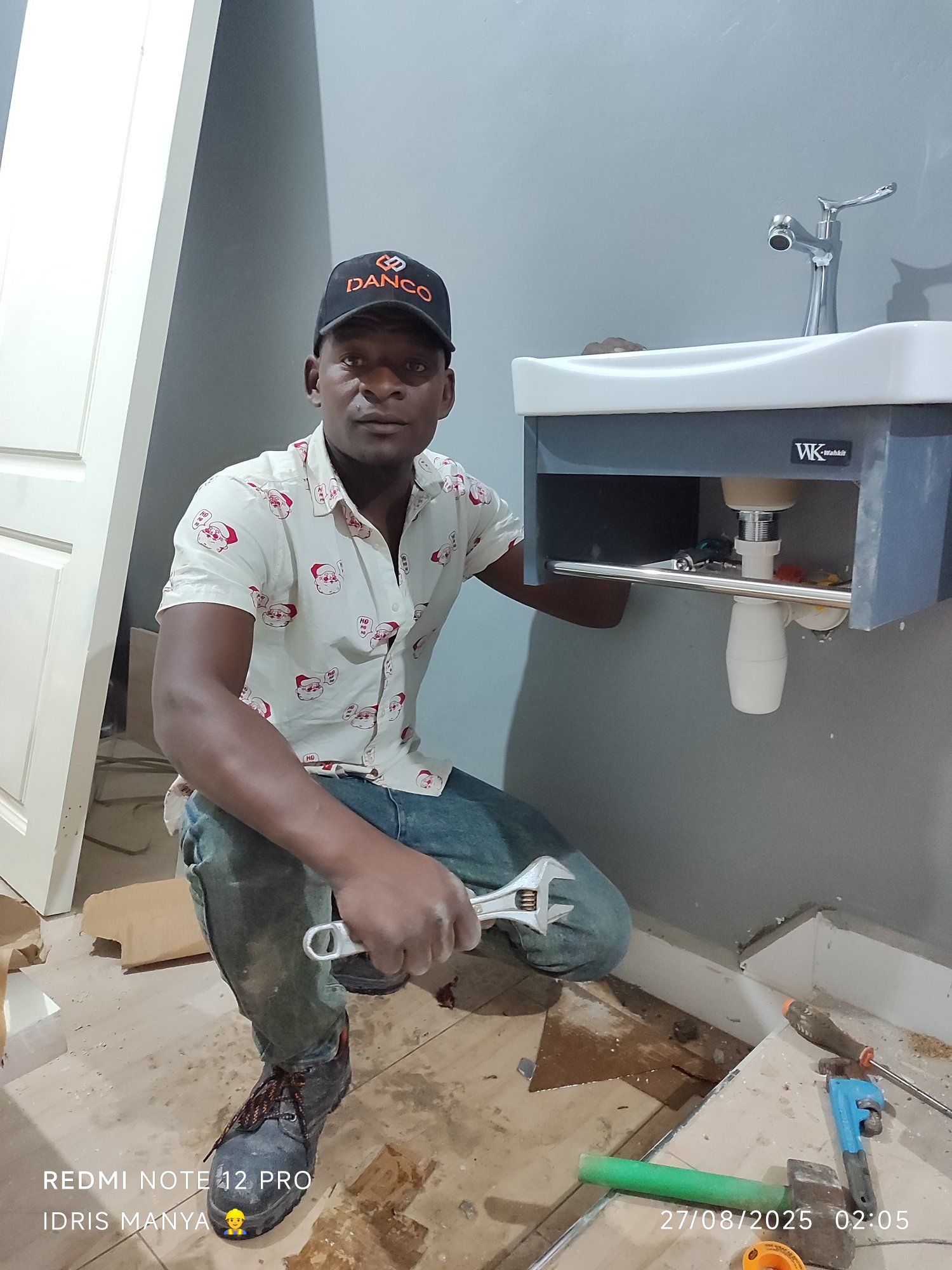


Stand near a busy hardware shop in Gikambura, Rongai, Pipeline, or Bamburi on a Saturday morning and you will hear the same kind of conversations. Someone is buying pipes. Another person is asking for electrical cable prices. A young guy is wondering whether to learn plumbing or electrical work. A parent is asking which trade can give their son a stable income without waiting for a university degree.
It is a fair question. Plumbing and electrical jobs are two of the most practical careers in Kenya. Homes need water and power. Shops need repairs. New apartments need installations. Schools, hotels, offices, and factories need maintenance. These trades are not disappearing any time soon.
But when people ask which career pays better, the answer is not as simple as saying “electricians earn more” or “plumbers get more jobs.” The better question is: which trade fits your skills, your patience, your risk level, and the kind of work you want to do?
How Plumbing Jobs Pay in Kenya
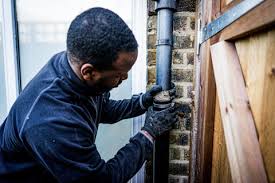
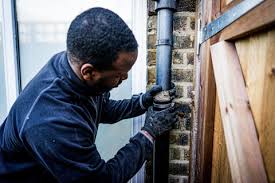
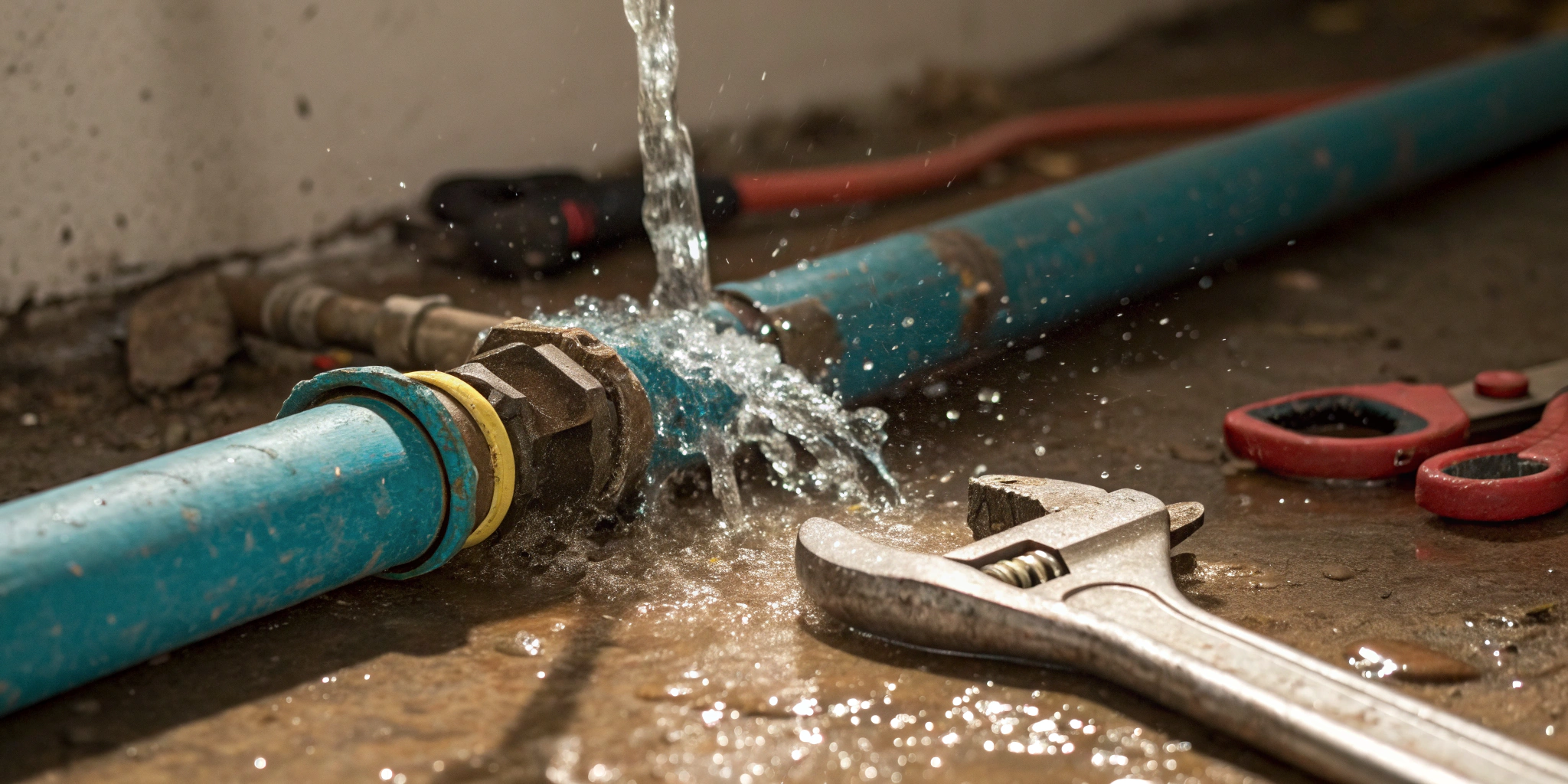
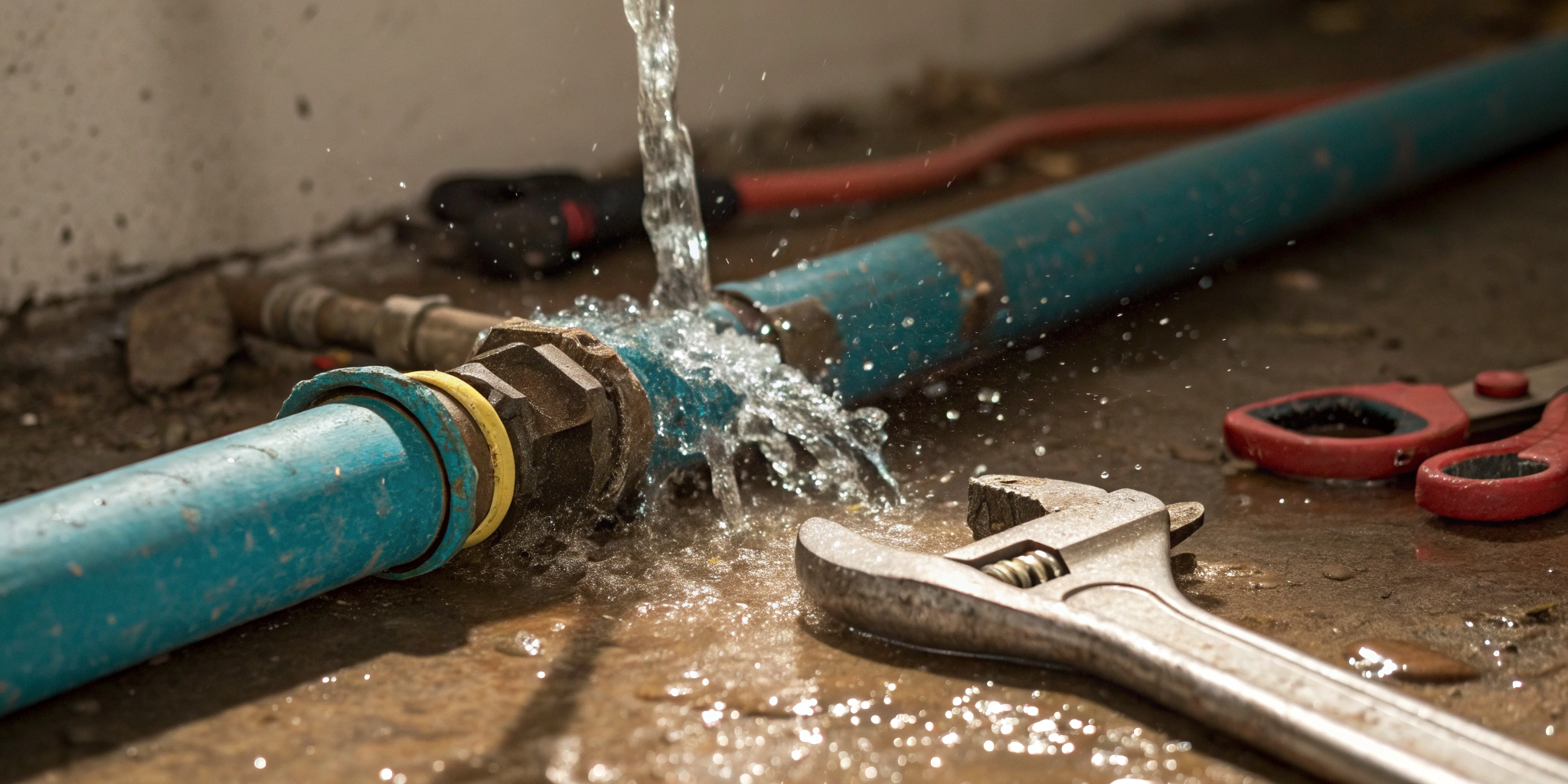
Plumbing jobs tend to come more frequently because water problems are urgent and visible. A leaking toilet cannot be ignored for long. A blocked sink in a restaurant kitchen must be fixed quickly. A water tank connection in a rental estate affects many tenants at once.
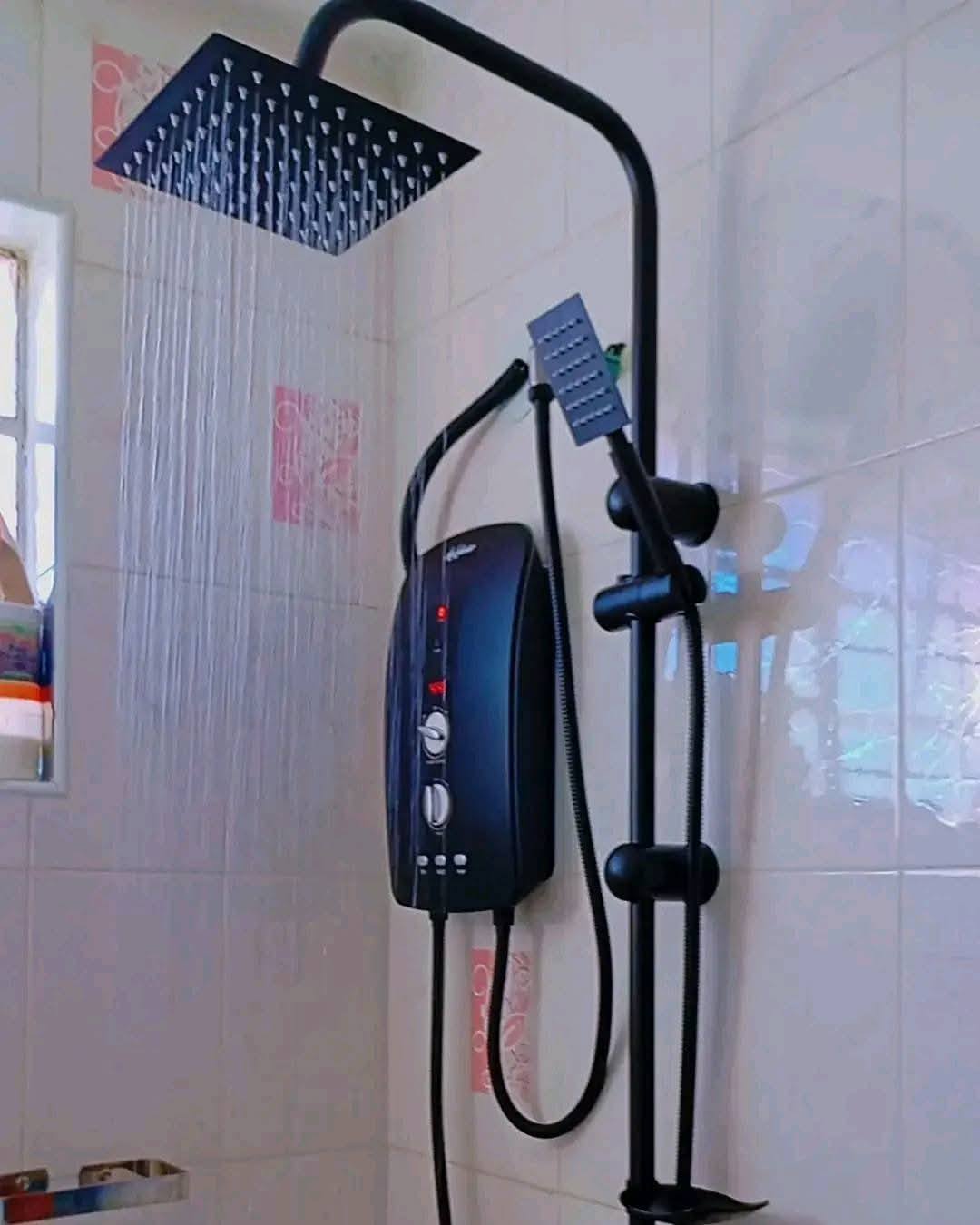
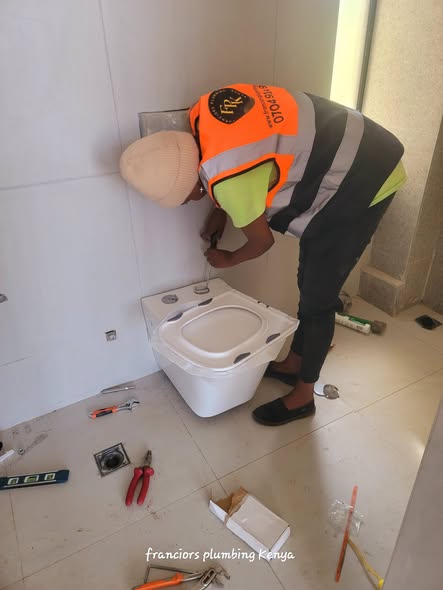
For small repair jobs, plumbers in Kenya can earn decent daily income. Fixing a leaking tap, unblocking a sink, repairing a toilet, replacing a valve, or connecting a shower may pay anywhere from KSh 800 to KSh 3,000 depending on the area, urgency, and materials needed.
In places like Nairobi, Mombasa, Kisumu, Nakuru, and Eldoret, plumbers who are known in their estates can get regular calls from landlords, caretakers, tenants, and small businesses. The work may not always be glamorous, but it is steady when you build trust.
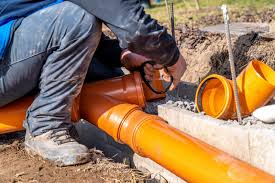
Bigger plumbing jobs pay better. Installing bathroom fittings in a new maisonette, connecting water tanks, setting up drainage lines, or handling pipework for apartments can bring in much higher labour fees. Plumbers who move into boreholes, pressure pumps, biodigesters, irrigation, and solar water heating can earn even more because those areas require extra skill.
How Electrical Jobs Pay in Kenya
Electrical work often pays more per job, especially for installations. Wiring a house, setting up a shop, installing security lights, fitting distribution boards, or handling backup power systems can attract higher labour charges than basic plumbing repairs.
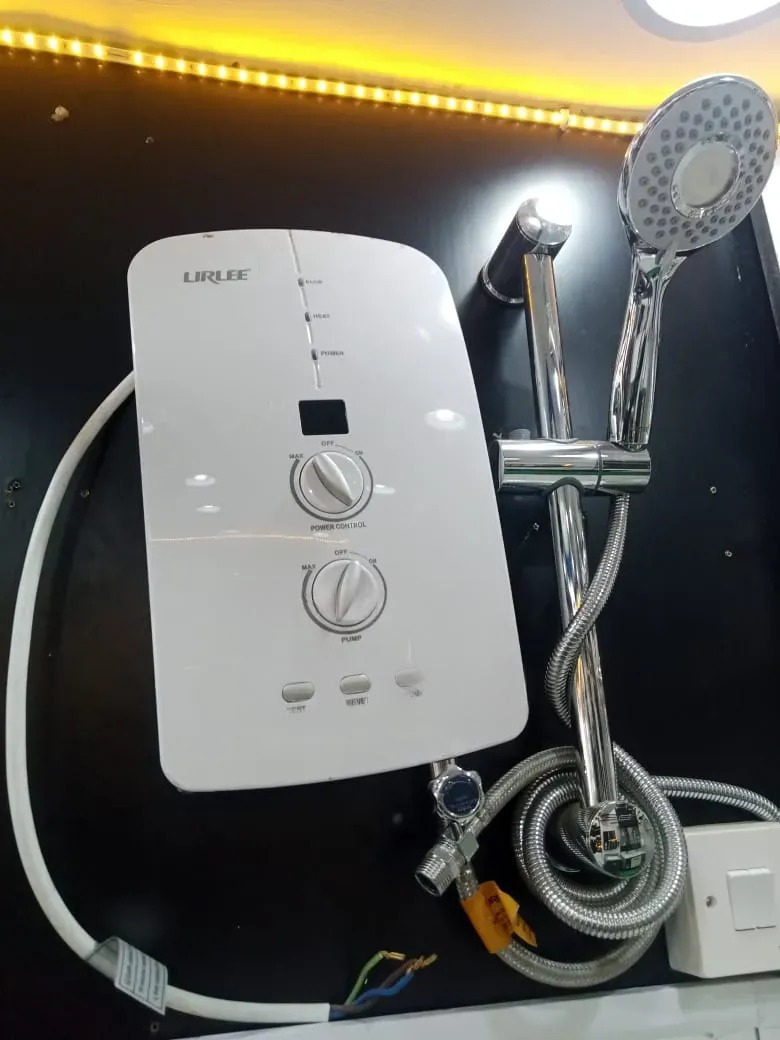
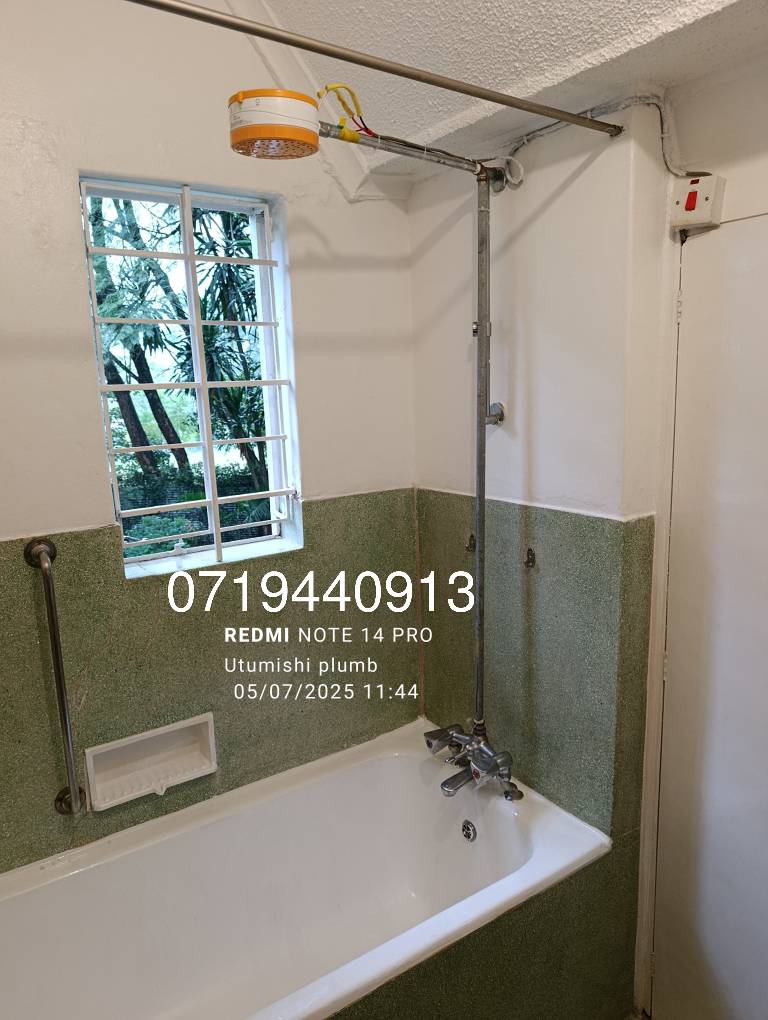
An electrician wiring a new home in Kitengela, Ruiru, Ngong, or Syokimau may earn more from one project than a plumber doing several small repair jobs. Electrical work has many points: sockets, lights, cooker units, water heaters, outdoor lighting, CCTV, alarms, and sometimes inverter or solar connections.
Repairs can also pay well. Fixing power faults, replacing burnt sockets, repairing short circuits, or installing new circuits may earn good money, especially in urban areas.
However, electrical jobs come with higher risk. A mistake can cause fire, electrocution, or serious property damage. Because of that, clients are more cautious when hiring electricians. Many prefer someone trained, licensed, or strongly referred.
Which Trade Has More Daily Work?
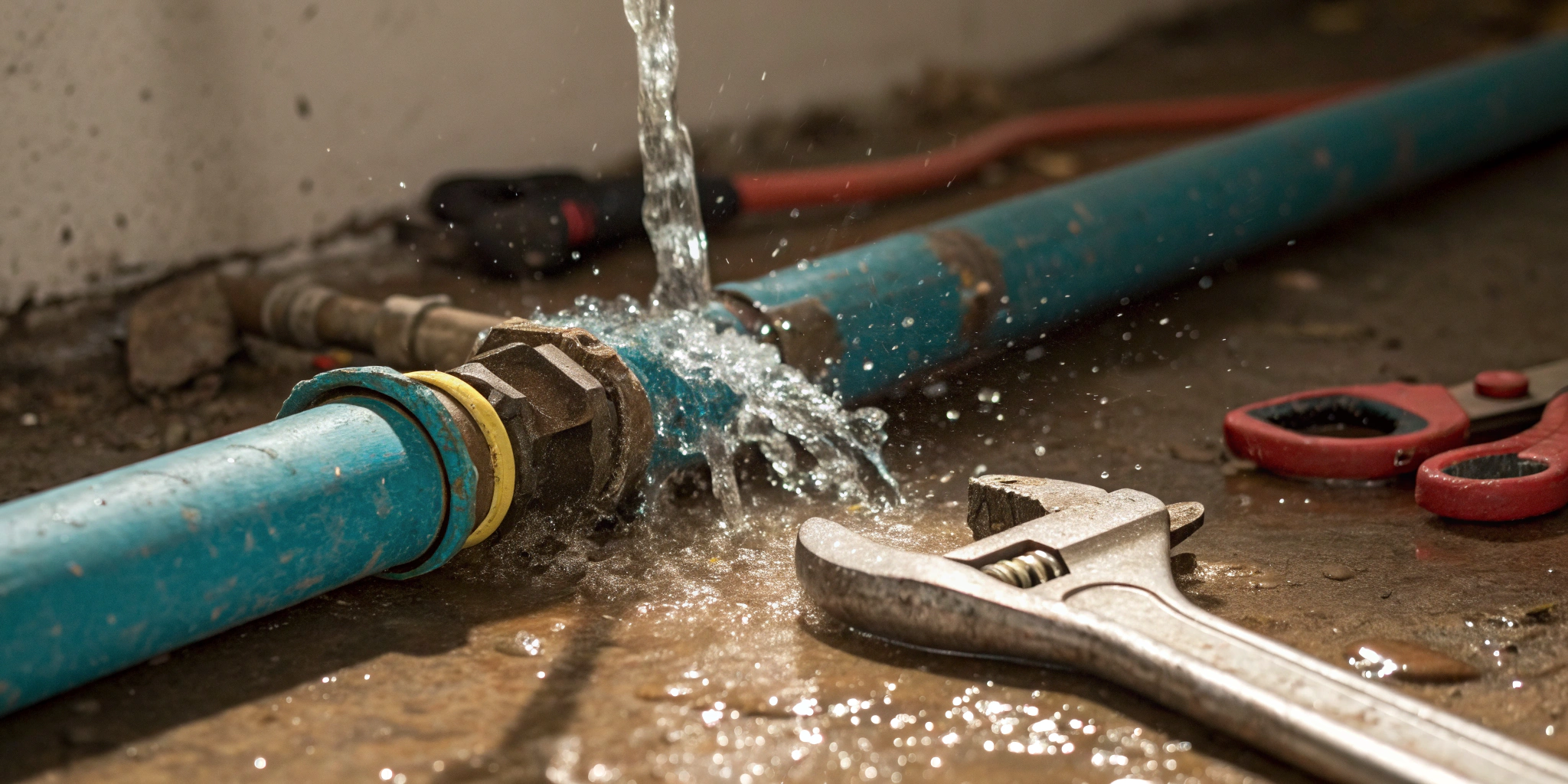
Plumbing often wins when it comes to everyday emergency jobs. Water problems are hard to postpone. If a pipe bursts in South C or a toilet blocks in Donholm, the client wants help immediately.
Electrical problems are also urgent, but some clients delay repairs unless the issue affects the whole house. A faulty socket may be ignored for weeks. A flickering light may be tolerated. But a leaking toilet or blocked bathroom quickly becomes everyone’s problem.
This means plumbers may get more frequent small jobs, while electricians may get fewer but higher-value jobs.
For someone starting out, plumbing may bring money faster because the entry jobs are easier to find. For someone willing to train longer and handle higher-risk work, electrical jobs may offer better earning potential over time.
Cost of Starting Plumbing vs Electrical Work
Plumbing is usually cheaper to start. A beginner can begin with a basic toolkit: pipe wrench, adjustable spanner, plunger, thread tape, pipe cutter, screwdriver, and a few common fittings. With some training and apprenticeship, you can start handling small repairs fairly quickly.
Electrical work requires more equipment and stricter safety habits. A proper tester, multimeter, insulated tools, drill, cable cutter, safety gear, and other equipment can cost more. You also need stronger technical knowledge before touching live systems.
Training also differs. Plumbers can start through apprenticeship and later add NITA certification. Electricians usually need more formal training, especially if they want to handle serious installations. Licensing and safety standards matter more in electrical work because the risks are higher.
Risk and Responsibility
Both trades carry risk, but the nature of the risk is different.
A plumbing mistake can flood a house, damage ceilings, spoil furniture, or cause water loss. That is serious and expensive. A poor drainage job can also create health and sanitation issues.
An electrical mistake can be more dangerous. It can cause fire, electric shock, equipment damage, or even death. That is why employers, property managers, and careful homeowners take electrical qualifications seriously.
If you are the kind of person who is calm, detail-oriented, and comfortable with technical safety procedures, electrical work may suit you. If you prefer practical problem-solving, physical work, and visible repairs, plumbing may feel more natural.
Career Growth in Plumbing
Plumbing careers can grow in several directions. You can remain a reliable estate plumber handling repairs and emergencies. You can work on construction sites doing first fix and second fix plumbing. You can become a maintenance plumber for schools, hotels, offices, or apartments.
Specialisation opens better income. Borehole systems, pressure pumps, biodigesters, irrigation systems, solar water heating, and commercial drainage work can move a plumber from small repair jobs to larger contracts.
Plumbing also scales well as a business. Once you start getting bigger projects, you can hire helpers, quote for full installations, and manage several jobs at once.
Career Growth in Electrical Work
Electrical careers also have strong growth potential. A trained electrician can move into house wiring, commercial installations, industrial maintenance, solar systems, CCTV, electric fencing, automation, and backup power solutions.
Solar and inverter systems are especially promising in Kenya as homes and businesses look for reliable power. Electricians who learn these systems well can charge premium rates.
Electrical work often rewards continuous learning. Technology changes, and clients expect modern solutions. The electricians who keep upgrading their skills usually earn more than those who only handle basic socket repairs.
The Role of Trust and Visibility
Whether you choose plumbing or electrical work, clients must be able to find and trust you. Many people no longer want random numbers from a WhatsApp group. They want someone with a clear profile, reviews, service areas, and proof of work.
That is why platforms like The Real Plug are useful for both plumbers and electricians. Clients looking for vetted professionals can compare service providers more easily instead of relying only on word of mouth. For fundis, being visible on such a platform can help attract better-quality leads and reduce the endless price fights common in social media comment sections.
The Jobs section on The Real Plug can also help skilled workers find opportunities from homeowners, landlords, property managers, and businesses looking for reliable service providers.
So, Which Career Pays Better?
Electrical work often pays more per project, especially when it involves wiring, solar, security systems, or commercial installations. It has a higher income ceiling, but it also requires more training, more safety discipline, and greater responsibility.
Plumbing can pay faster for beginners because entry jobs are easier to find and the startup cost is lower. It offers steady work, especially in estates, rental properties, construction sites, and institutions. With specialisation, plumbing can also become very profitable.
The better-paying career depends on how you treat the trade. A reliable plumber who communicates well, keeps time, quotes clearly, and builds a strong reputation can earn more than a careless electrician. At the same time, a skilled electrician who keeps learning and handles complex installations can out-earn many general plumbers.
Choosing the Right Path
If you want a quicker start, lower entry cost, and frequent repair jobs, plumbing may suit you better. If you are comfortable with technical training, safety rules, and higher-risk work, electrical jobs may offer stronger long-term earnings.
Before deciding, spend time with people in both trades. Follow a plumber for a few days. Watch an electrician on a site. See the kind of work they do, how they earn, and what challenges they face.
Water and power will always be needed in Kenya. Choose the trade you can master, build trust in, and grow like a real business. That is where the money is.