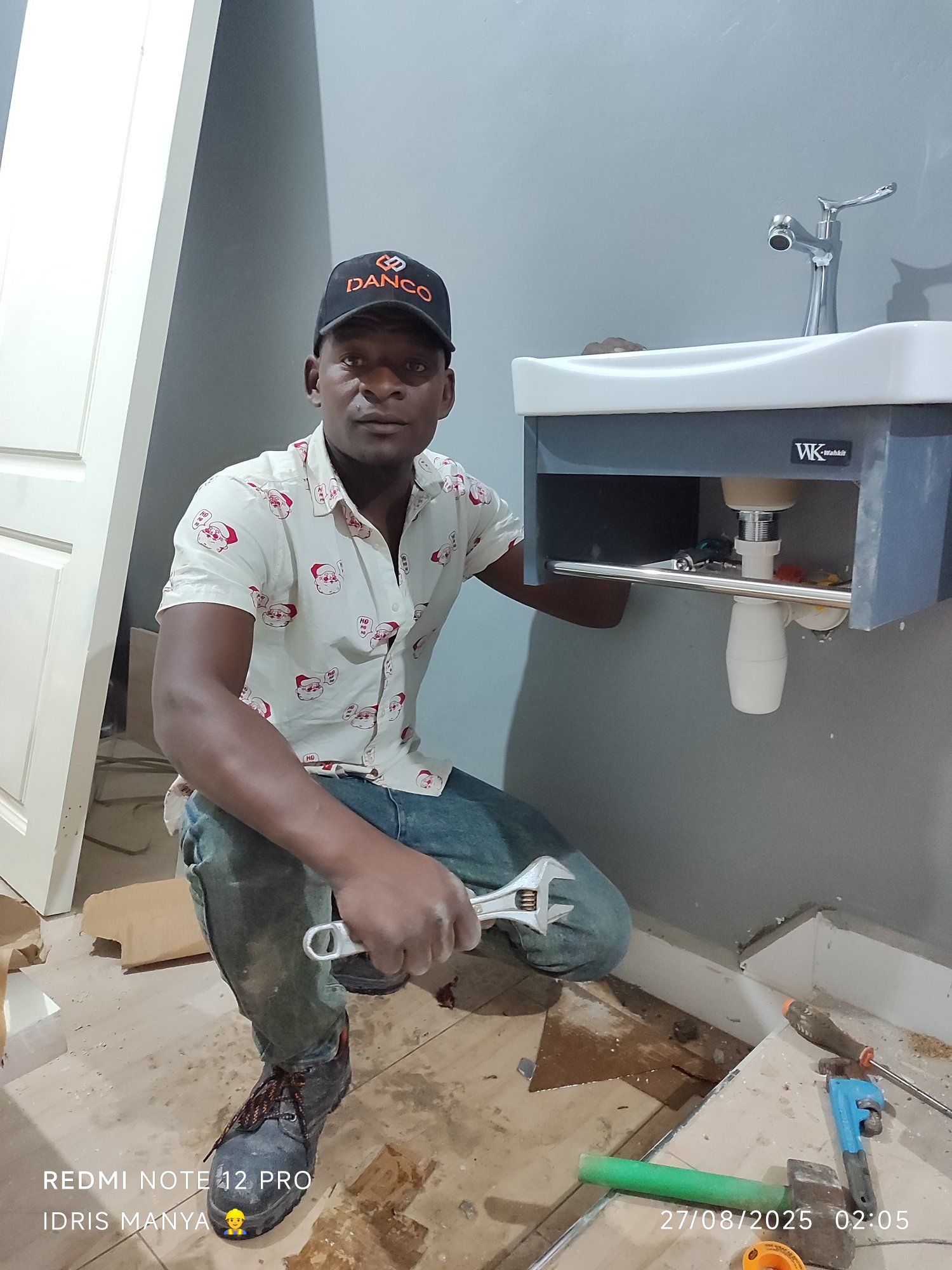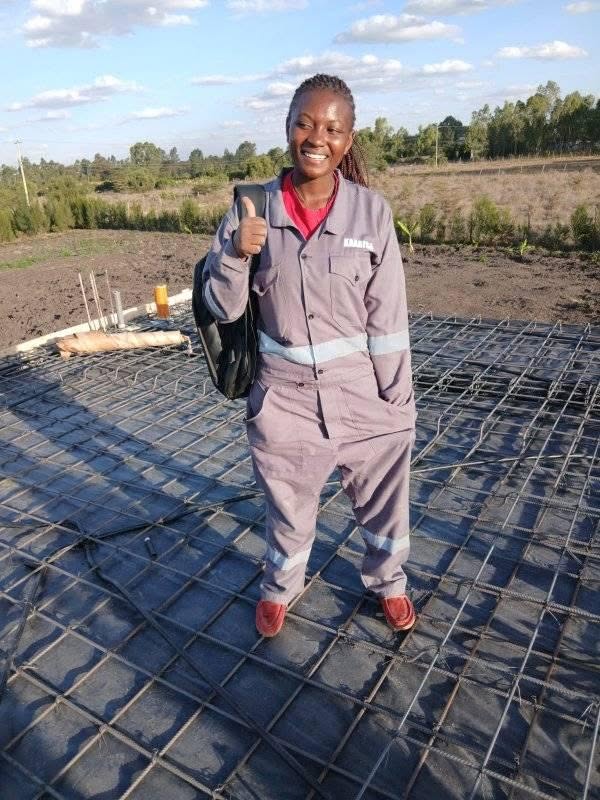


Plumbing in Kenya is one of those careers people often notice only when something goes wrong. A tap starts leaking, a toilet blocks, a water tank overflows, or a pipe bursts in the middle of the night. Suddenly, everyone is asking, “Unajua plumber mzuri?”
But behind those urgent calls is a serious trade with real career potential. From new apartments in Ruaka and Kitengela to hotels in Diani, office blocks in Nairobi, schools in rural counties, and homes installing solar water heaters, skilled plumbers are needed everywhere. The challenge is not whether there is work. There is. The real challenge is becoming the kind of professional clients trust, remember, and recommend.
Understanding What Plumbing Work Really Looks Like in Kenya
A plumbing career is much broader than fixing leaking sinks. In Kenya, a plumber may work on residential houses, apartments, borehole systems, water tanks, drainage lines, septic systems, bio-digesters, commercial kitchens, or large construction projects.
In Nairobi estates like Kasarani, South B, Donholm, and Pipeline, much of the work involves maintenance. Old pipes, blocked drains, low water pressure, and leaking fittings are common. In fast-growing areas like Syokimau, Athi River, Ngong, and Ruiru, plumbers are often needed for new installations as developers put up apartments and maisonettes.
Commercial clients are different. A restaurant may need grease trap maintenance. A school may need reliable washroom systems. An office block may require pressure testing, backflow prevention, or water storage solutions. The more you understand these different needs, the easier it becomes to position yourself as more than just a casual fundi.
Start With Proper Training and Certification
Talent is important, but training gives your work structure. Many plumbers in Kenya start by learning on the job, which is useful, but formal certification can open bigger doors.
Institutions such as NITA, technical training institutes, and county polytechnics offer plumbing courses and trade tests. NITA Grade III, Grade II, and Grade I certifications are especially useful if you want to be taken seriously by contractors, developers, property managers, and organizations.
Good training teaches more than how to join pipes. You learn how to read drawings, calculate pipe sizes, understand drainage slopes, test water pressure, and follow safety standards. These details matter on serious sites. A small mistake in pipe layout can cause expensive repairs later, especially after tiling, plastering, or finishing has already been done.
For plumbers who already have experience but no certificate, Recognition of Prior Learning can also help. It allows skilled workers to have their abilities assessed and formally recognized. That paper can make a big difference when applying for jobs or bidding for contracts.
Invest in the Right Tools Slowly but Seriously
A professional plumber’s tools say a lot about how they work. You do not need to buy everything at once, but you should build your toolbox carefully.
Start with reliable basics such as pipe wrenches, adjustable spanners, pipe cutters, a basin wrench, measuring tape, plungers, drain rods, a PPR welding machine, and a pressure test pump. As you grow, you can add more advanced tools like inspection cameras, threading machines, descaling kits, and electric drain snakes.
Cheap tools may look like a saving at first, but they often cost more in the long run. Imagine a tool breaking in the middle of a job while a client is watching. It affects your confidence and their trust. Good tools help you work faster, cleaner, and with fewer mistakes.
In places with hard water, such as parts of Athi River and Kitengela, descaling tools can be useful. In apartments where pipes are hidden behind tiles and cabinets, an inspection camera can save both you and the client from unnecessary damage.
Gain Experience Where Real Work Happens
Experience is what turns training into confidence. If you are just starting out, do not ignore small jobs. Fixing taps, installing sinks, repairing toilets, and handling drainage issues teach you how Kenyan homes and buildings really function.
Working under an experienced plumber is also valuable. On construction sites, you learn how systems are planned from scratch. You see how pipes are laid before walls are closed, how drainage lines connect, and how plumbers coordinate with electricians, masons, and tilers.
Property managers can also be a good source of steady work. Many apartments need someone reliable for regular maintenance. Once you solve problems well in one block, your name can quickly spread to other tenants, landlords, and estate WhatsApp groups.
Outside major towns, there are also opportunities in water projects, school sanitation blocks, NGOs, farms, and county-level construction. The work may require travel, but it can give you strong references and wider exposure.
Learn the Business Side Early
Many skilled plumbers struggle not because they lack talent, but because they do not manage the business side well. Quoting, record-keeping, communication, and follow-up are just as important as technical work.
A good quotation should clearly show labour, materials, transport, and any extra costs. Avoid vague pricing like “tutaelewana.” It may sound friendly, but it often creates confusion later. Clients appreciate clarity, especially when they are paying for bigger jobs.
You should also know where to buy quality materials. Whether you source from Industrial Area, hardware shops in your town, or trusted suppliers, keep track of prices. Plumbing materials such as PPR pipes, PVC fittings, valves, and mixers can change in cost, and poor pricing can eat into your profit.
Being visible online also matters now. Many people search online when they need a plumber urgently or when they do not trust random referrals. Platforms such as The Real Plug help users find vetted professionals, which is useful in a market where trust can be a real concern. For a plumber, appearing in the right place can make it easier for serious clients to reach you.
Build a Reputation Clients Can Trust
In Kenya, reputation travels fast. One bad job can move through a tenant group before evening. A good job can do the same, thankfully.
Small habits make a big difference. Arrive when you say you will. When you are delayed, communicate early. Explain the problem in simple language. Clean up after the job. Do not leave broken fittings, dirty water, or cement dust all over the client’s house.
It also helps to take before-and-after photos, especially for major repairs. They protect you if there is a disagreement and can also become part of your portfolio. Over time, these photos show the kind of work you can handle.
Clients remember plumbers who are honest. If a part does not need replacing, say so. If a cheaper solution will work, explain it. That kind of honesty may reduce one bill today, but it builds repeat business tomorrow.
Specialize to Stand Out
General plumbing can keep you busy, but specialization can help you earn better and attract higher-value clients. The Kenyan market is changing, and plumbers who keep up with new systems have an advantage.
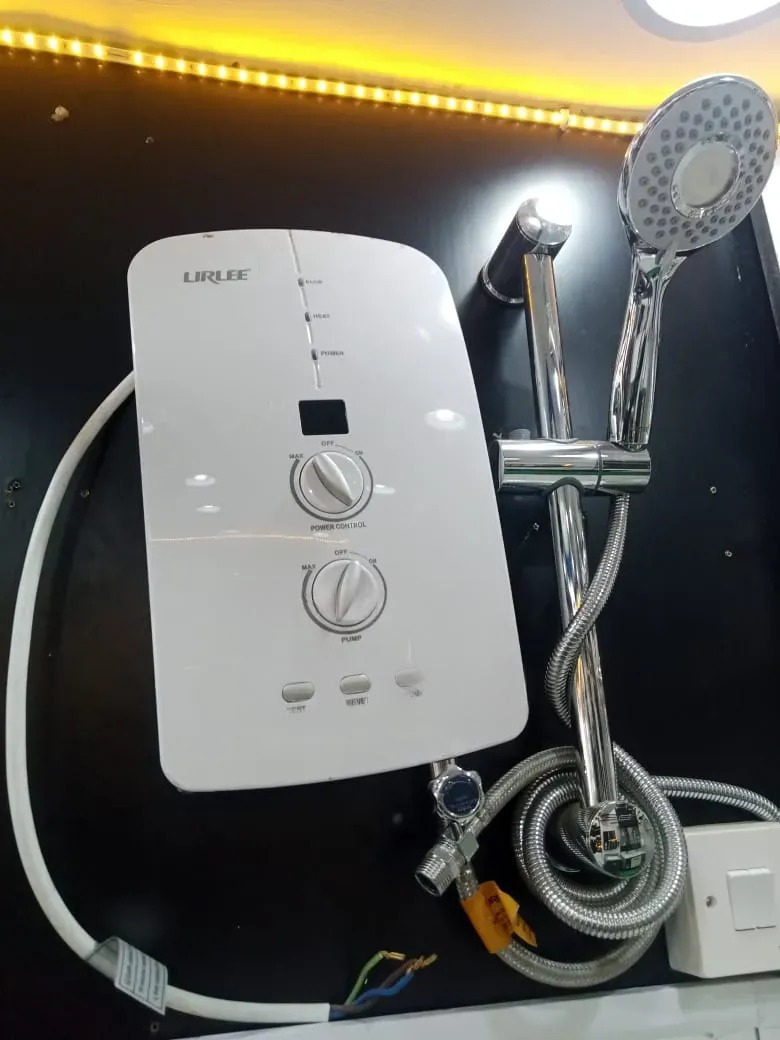
Solar water heating is one growing area, especially in homes and apartments where electricity costs are a concern. Bio-digester installation is another promising field as more developers move away from traditional septic systems. Water treatment, pump installation, tank systems, and pressure boosting are also useful areas to explore.
You can also specialize by client type. Some plumbers become known for apartment maintenance. Others focus on high-end homes, commercial kitchens, schools, or construction projects. When people associate you with a specific strength, referrals become easier.
Stay Updated and Compliant
Plumbing standards, building rules, and client expectations keep changing. A serious plumber should keep learning. Attend supplier demos, technical workshops, and industry trainings when available. New materials, water-saving fixtures, smart meters, and modern bathroom fittings are becoming more common in Kenyan homes and businesses.
It is also wise to register your business, get a KRA PIN, and learn how to issue proper receipts. Bigger clients such as companies, NGOs, schools, and property firms may not work with you informally. They need paperwork, invoices, and accountability.
Compliance may feel like a headache at first, but it helps you move from casual jobs to serious contracts.
Plan for Long-Term Growth
At some point, one person can only do so much. If calls increase and jobs start overlapping, consider training an assistant or apprentice. A small team allows you to handle more work without disappointing clients.
Train people properly and set clear standards. Your name is still attached to the work, even when you are not physically on site. Poor supervision can damage a reputation you spent years building.
Over time, you can also expand into related areas such as selling plumbing parts, offering maintenance contracts, partnering with contractors, or serving property managers on a monthly basis.
Plumbing in Kenya rewards patience, consistency, and clean work. It is not always glamorous, and some days will be messy. But for someone willing to learn, invest in tools, treat clients well, and operate professionally, it can become a stable and respected career.