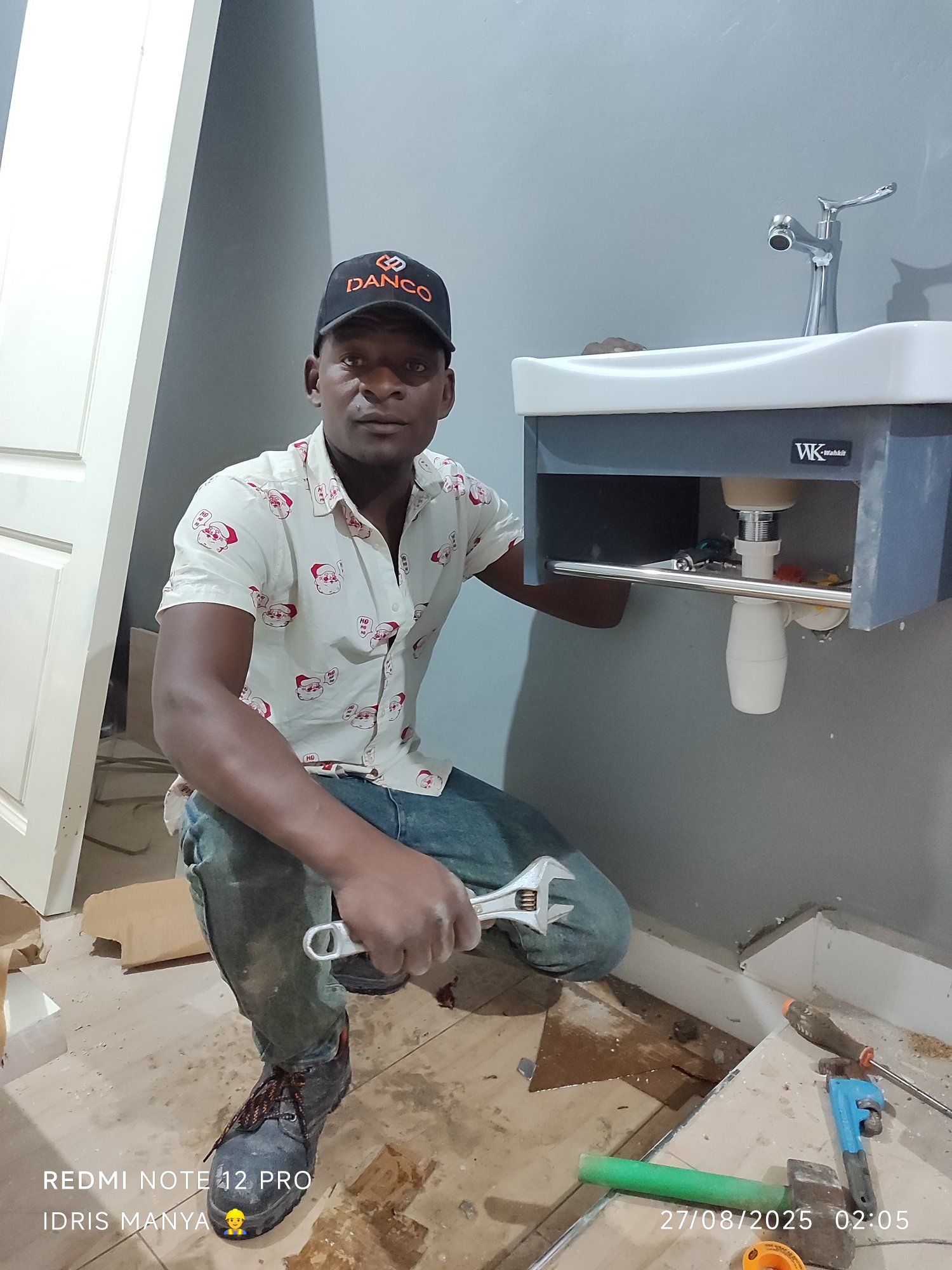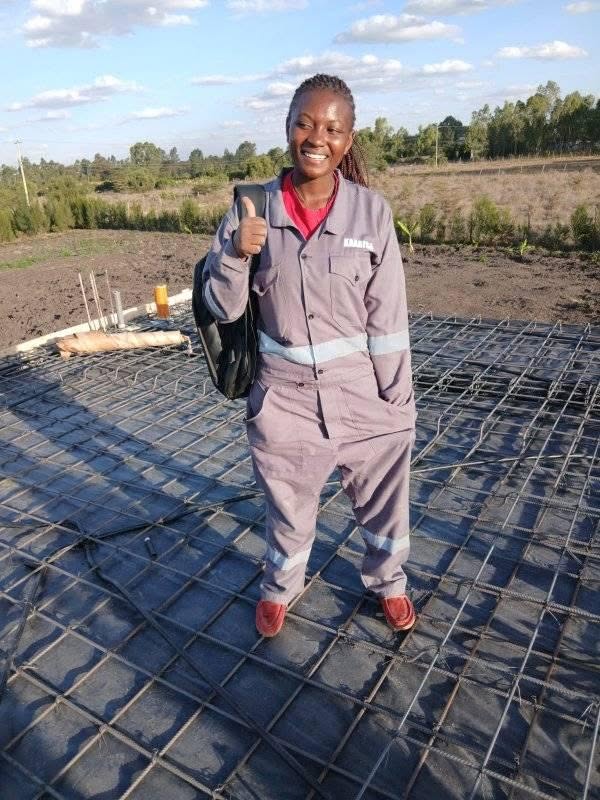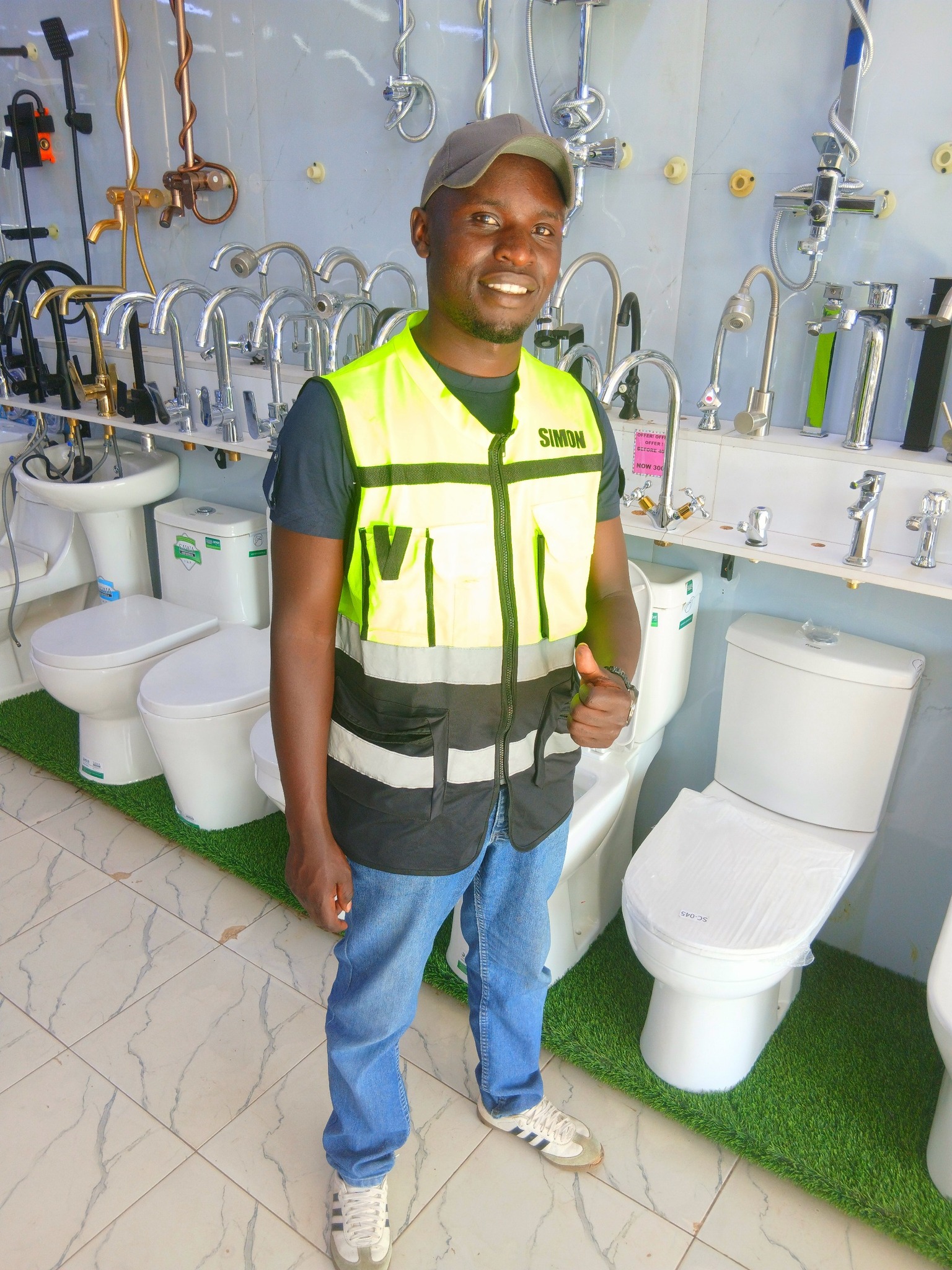


For many plumbing students in Kenya, completing coursework is only part of the journey. The real test begins when it's time to leave the workshop and step onto an active construction site, maintenance project, or water installation job. That's where classroom lessons meet real-world challenges.
A plumbing internship gives students the chance to see how the trade works beyond textbooks and practical exams. Whether you're studying through a TVET institution, pursuing a NITA certification, or attending a technical training college, attachment opportunities can play a major role in shaping your future career.
The good news is that Kenya's growing construction, real estate, and infrastructure sectors continue to create opportunities for aspiring plumbers. The challenge is knowing where to look and how to position yourself for those opportunities.
Why Plumbing Internships Matter
In technical trades, experience often carries as much weight as certification. Employers want to know not only what you've learned in class but also how you've applied those skills in real situations.
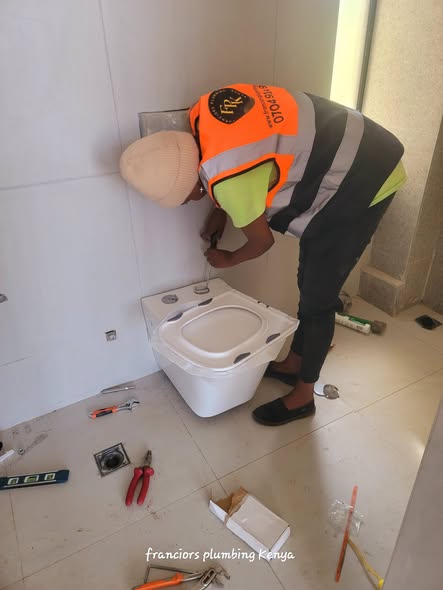
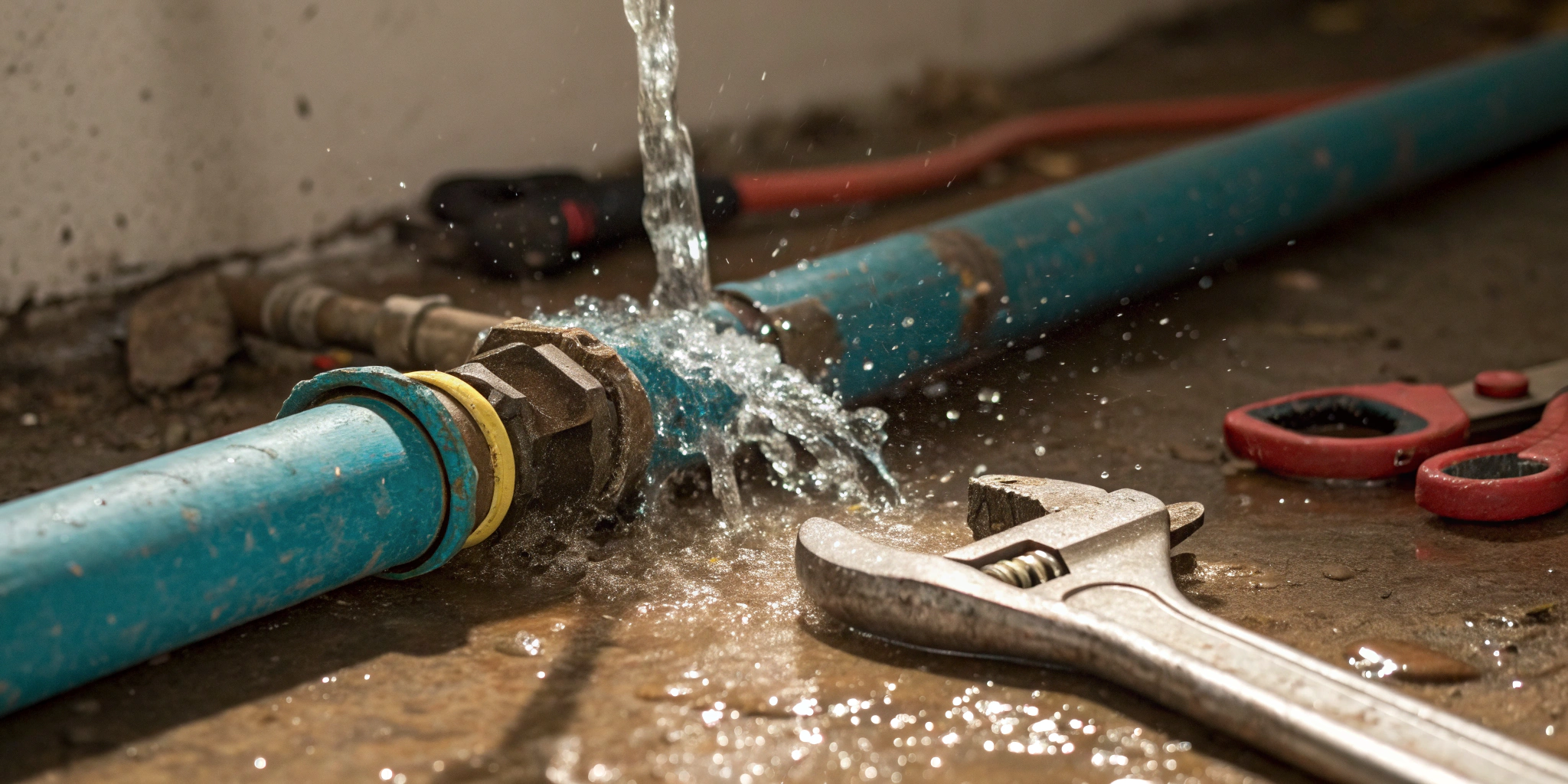
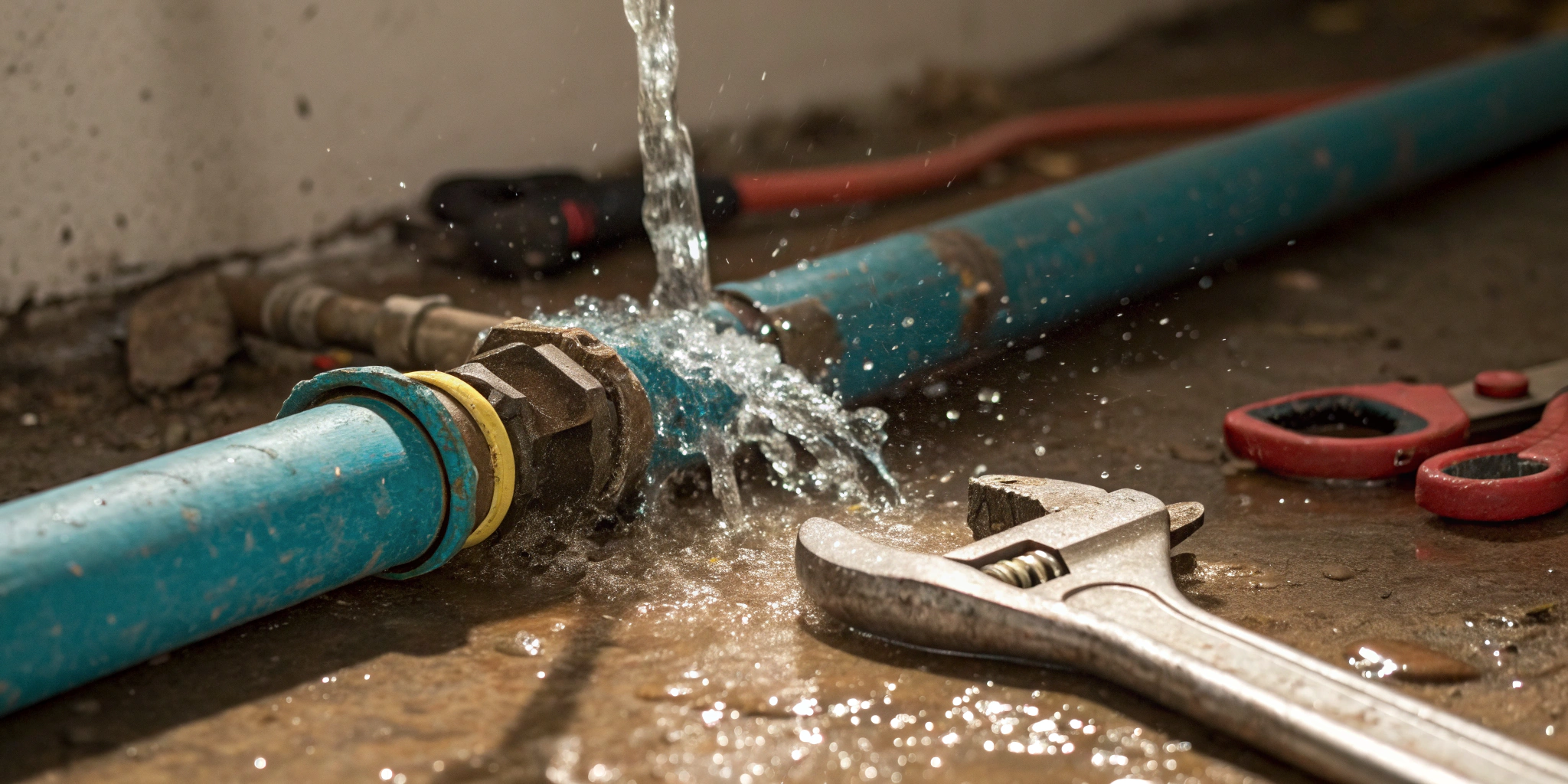
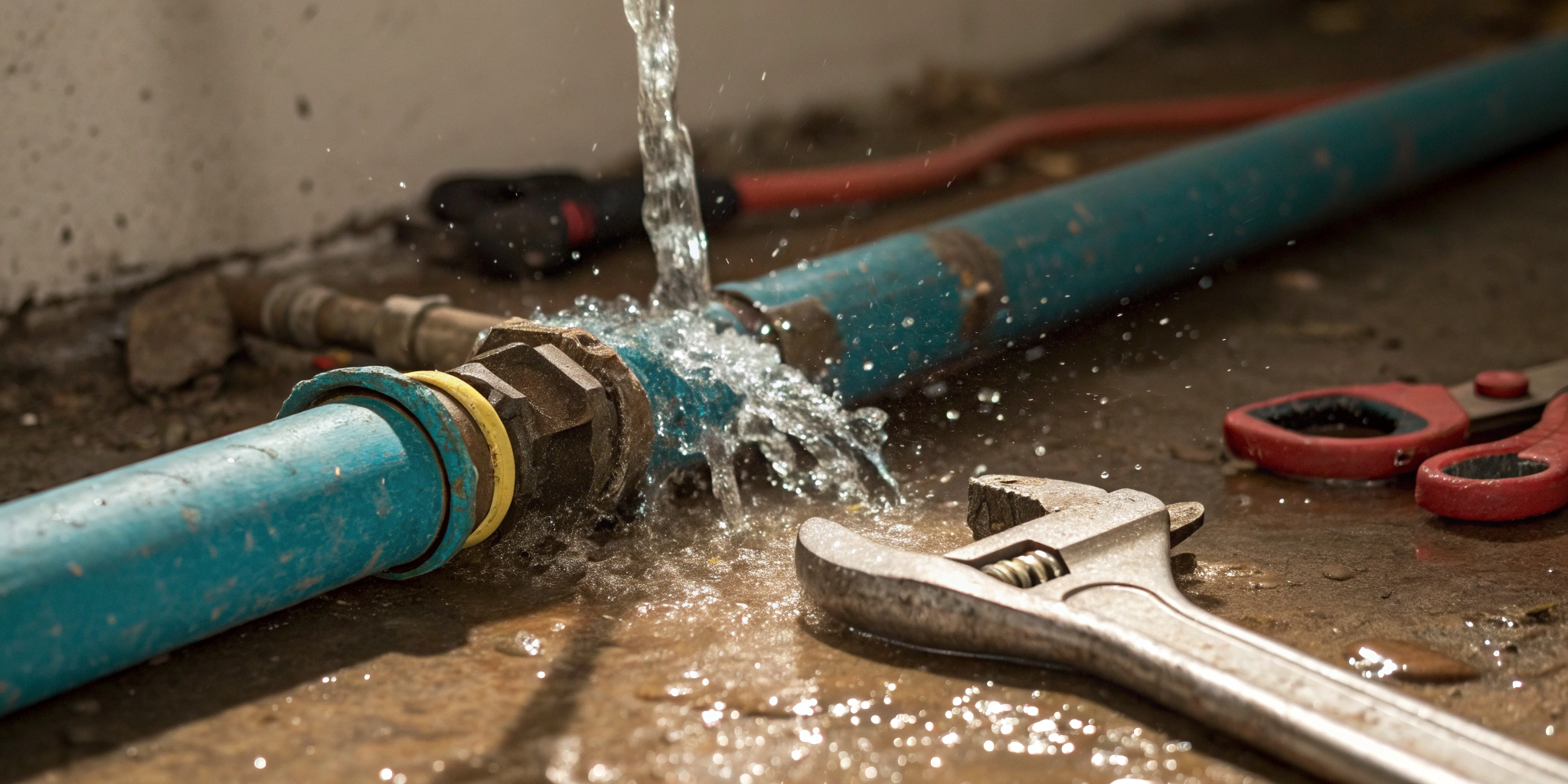
An internship allows students to work alongside experienced plumbers, contractors, and maintenance teams. It exposes them to challenges that are difficult to replicate in a training environment. A drainage blockage in a busy apartment building, a leaking pipe hidden behind finished walls, or a pressure issue in a multi-storey building all require practical problem-solving skills that develop through experience.
Internships also help students become comfortable working under deadlines, communicating with clients, and adapting to different site conditions. These are the kinds of skills that employers notice during recruitment.
For many graduates, attachment becomes the bridge between education and employment.
Construction Companies and Building Contractors
Construction sites remain one of the most common places for plumbing students to secure internships.
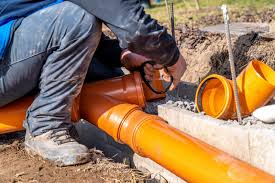
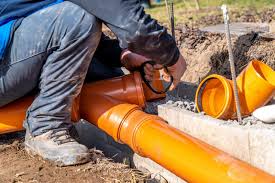
Across Kenya, residential developments, office buildings, shopping centres, schools, and affordable housing projects require plumbing teams throughout the construction process. Interns working on these sites gain exposure to pipe installation, drainage systems, water supply networks, pressure testing, and commissioning.
One advantage of construction-based internships is the variety of work. Students can observe projects from the ground up and understand how plumbing systems fit within larger building plans.
Many technical institutions have existing relationships with contractors, making it worthwhile to consult industrial attachment coordinators before searching independently. Schools often know which companies regularly accept students and can help facilitate introductions.
County Governments and Water Service Providers
County governments and water service providers offer another valuable pathway for plumbing students seeking attachment opportunities.
Throughout the year, counties undertake water supply projects, sanitation upgrades, public facility maintenance, and infrastructure improvements. These projects often require technical support and occasionally accommodate students on attachment.
Water service providers operating in major towns and cities also provide exposure to large-scale water systems, pumping stations, maintenance operations, and distribution networks.
While these placements may involve more administrative procedures, they can offer excellent learning opportunities for students interested in public infrastructure and utility services.
Applying early is important because available slots can be limited and competition is often high.
Facility Management and Property Maintenance Companies
Not every plumbing career starts on a construction site. Many successful plumbers build their experience through maintenance work.
Property management companies oversee apartments, office buildings, shopping centres, and mixed-use developments that require constant upkeep. Leaks, blocked drains, faulty pumps, damaged fixtures, and water pressure issues are part of daily operations.
For interns, this environment provides valuable troubleshooting experience. Unlike new construction, maintenance work requires identifying problems quickly and finding practical solutions with minimal disruption to tenants or businesses.
Students who enjoy diagnostics and repair work often find property management placements particularly useful.
Major urban centres such as Nairobi, Mombasa, Kisumu, Nakuru, and Eldoret have numerous companies managing residential and commercial properties throughout the year.
NGO and Community Development Projects
Many non-governmental organizations support water, sanitation, and hygiene initiatives across Kenya. These projects create opportunities for students interested in community-focused work.
Interns may assist with borehole installations, rainwater harvesting systems, sanitation facilities, water storage projects, and school infrastructure improvements. Such placements often take place in rural or underserved areas where access to clean water remains a priority.
The experience gained in these environments can be especially rewarding because students see firsthand how technical skills contribute to community development.
Beyond plumbing knowledge, interns also learn project coordination, teamwork, and community engagement skills that are valuable throughout their careers.
Manufacturers and Technical Suppliers
Another route that students sometimes overlook involves manufacturers and suppliers within the plumbing industry.
Companies that produce or distribute pipes, pumps, water tanks, valves, fittings, and related equipment occasionally offer technical internship opportunities. These placements provide a different perspective on the industry.
Rather than focusing solely on installation, interns learn about product specifications, system design, maintenance requirements, and customer support. This knowledge can become extremely valuable later when recommending products or troubleshooting installations.
Students interested in sales engineering, technical support, or specialized plumbing systems may find these opportunities particularly beneficial.
How to Improve Your Chances of Securing an Internship
Competition for quality attachment opportunities can be strong, especially in major towns and cities. Students who stand out usually do a few simple things well.
First, start your search early. Waiting until the last minute often limits your options. Reach out to potential employers several months before your attachment period begins.
Second, prepare professional documentation. A concise CV, introduction letter from your institution, copies of academic records, and contact information for referees should always be ready.
Presentation also matters. Technical employers appreciate students who appear ready to work. Demonstrating enthusiasm, reliability, and a willingness to learn can sometimes be more important than having the highest grades.
Networking can also play a significant role. Lecturers, former students, site supervisors, and industry professionals frequently hear about attachment opportunities before they are publicly advertised.
Making the Most of Your Internship
Getting an internship is only the first step. The real value comes from how you approach the experience.
Students who ask questions, volunteer for responsibilities, and show initiative tend to learn more and leave stronger impressions. Supervisors remember interns who are curious, dependable, and eager to contribute.
Keep records of the projects you participate in. Photographs, logbooks, and notes can help build a portfolio that demonstrates your experience to future employers.
It's also important to develop professional relationships during your attachment. Many graduates secure future opportunities through supervisors, contractors, or colleagues they worked with during internships.
In the plumbing industry, reputation travels quickly, and a positive impression can lead to recommendations long after the attachment period ends.
Turning Internship Experience Into Career Opportunities
For many students, an internship becomes the starting point of a long-term career.
Employers often prefer hiring people they have already worked with. A student who demonstrates professionalism during attachment may be offered casual work, contract opportunities, or even permanent employment after graduation.
Building an online presence can also help. As more Kenyans search online for trusted service providers, visibility is becoming increasingly important. Platforms such as The Real Plug allow qualified professionals to showcase their skills, experience, and client feedback as they grow their careers.
For recent graduates, this can provide additional credibility while building a customer base.
Final Thoughts
Plumbing remains one of Kenya's most practical and in-demand technical careers. From housing developments and commercial buildings to water projects and community infrastructure, skilled plumbers continue to play an essential role in the country's growth.
An internship offers more than workplace experience. It provides exposure to industry standards, practical challenges, professional networks, and career opportunities that cannot be fully taught in a classroom.
For students pursuing plumbing training, the best approach is to start early, stay proactive, and remain open to different types of placements. Whether your attachment takes you to a construction site in Nairobi, a maintenance team in Mombasa, or a community water project in Turkana, every experience contributes to your development as a professional.
The plumbing industry rewards people who are willing to learn continuously, solve problems, and take pride in their work. A well-chosen internship is often the first step in that journey.