

Ask around, and you’ll quickly realise there is no single route to becoming a qualified plumber in Kenya. One person may train for six months, sit a NITA trade test, and start working. Another may spend two or three years moving through different certification levels. Someone else may learn under an experienced fundi for years before getting formal papers.
So, how long does it really take? In most cases, you can become employable in about 6 months to 1 year. To become a more experienced and fully confident plumber, you should expect 2 to 4 years of training, site exposure, and certification. If your goal is supervision, design, or large contracts, the journey can take even longer.
What “Qualified Plumber” Means in Kenya
Being qualified is not just about knowing how to fix a leaking tap. In Kenya, a qualified plumber should understand water supply, drainage, sanitation systems, pipe installation, safety, and basic building requirements.
Clients may not always ask to see your certificate, especially for small home repairs. But contractors, property managers, county projects, NGOs, and large developers often want proof that you have proper training. That is where NITA certification, TVET qualifications, and real site experience become important.
A good plumber needs both: papers and practical skill. One without the other can limit your growth.
The NITA Route: About 2 to 4 Years for Full Progression
The NITA route is one of the most recognised paths for plumbers in Kenya. It usually runs through Grade III, Grade II, and Grade I.
Grade III is the entry level. Many students complete it in about 3 to 6 months, depending on the institution and whether they study full-time or part-time. At this stage, you learn basic pipework, fittings, tools, simple installations, and safety.
Grade II usually takes another 6 to 12 months after Grade III. It covers more advanced work, including drainage layouts, hot and cold water systems, pumps, and basic technical drawings.
Grade I is the highest artisan level and may take 1 to 2 years after Grade II, especially if you are working while studying. It prepares you for bigger projects, supervision, estimating, and more complex plumbing systems.
If you move steadily, Grade III to Grade I can take around 2 to 3 years. For many working plumbers, it often stretches to 3 or 4 years because they pause between grades to gain experience or save money.
The TVET Route: 1 to 3 Years
Many technical institutions in Kenya now offer plumbing under TVET programs. This route is common for students coming from secondary school or those looking for structured training.
An Artisan Certificate can take about 1 year. It is suitable for beginners and covers basic plumbing tools, safety, domestic installations, and simple repairs.
A Craft Certificate usually takes around 2 years. This level goes deeper into water supply, drainage, sanitary fittings, welding basics, and technical drawings. Many students become employable after completing this stage.
A Diploma route can take about 3 years and is better suited for people who want to move into supervision, project management, or technical planning. It is not necessary for every plumber, but it can help if you want to handle larger jobs later.
The Apprenticeship Route: Usually 2 to 4 Years
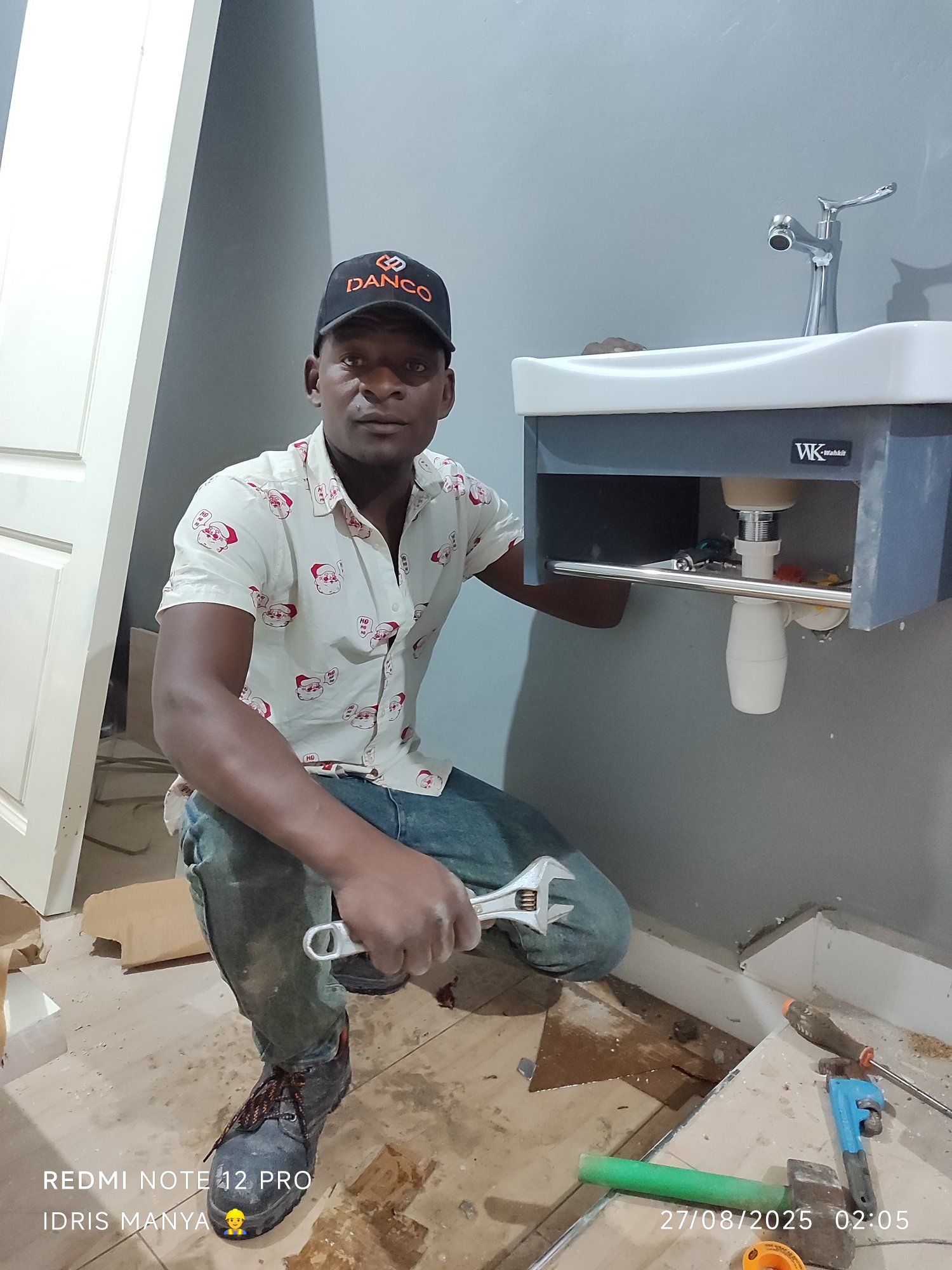
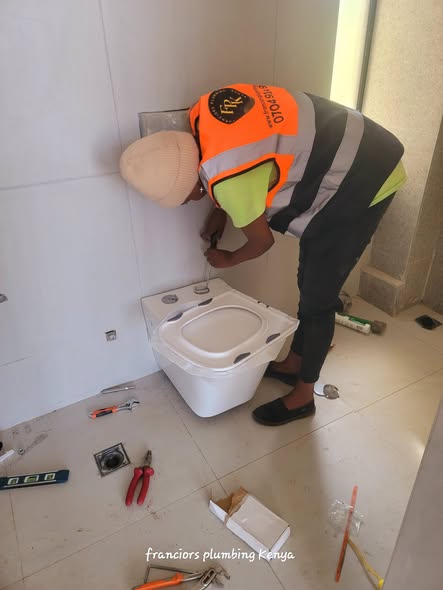
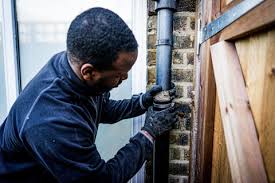
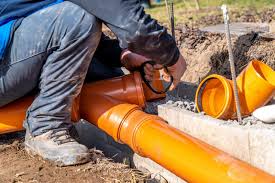
Apprenticeship is still very common in Kenya. Many plumbers begin by working under an experienced fundi in their estate, town, or family business.
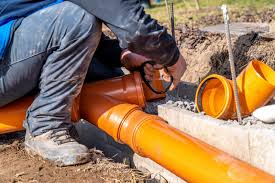
This route gives you strong hands-on exposure. You learn how to deal with real homes, stubborn fittings, blocked drains, low water pressure, and clients who need quick answers. The downside is that learning may not be structured. You may become good at repairs but miss important theory, drawings, or regulations.
Most apprentices eventually need NITA certification to grow professionally. If you already have enough experience, you can sit trade tests as a private candidate or through recognition of prior learning. That helps turn informal skill into recognised qualification.
What Can Make the Process Faster or Slower?
Your timeline depends on your schedule, money, discipline, and access to attachment opportunities. Full-time students usually finish faster. Those taking evening or weekend classes may take longer, but they can earn while learning.
Fees can also affect progress. Some students pause between levels to work and raise money. Others delay because they struggle to find attachment placements. In towns with active construction, such as Nairobi, Nakuru, Eldoret, Mombasa, and Kiambu, practical opportunities may be easier to find.
Your own seriousness matters too. A student who attends classes, shows up on site, keeps learning, and sits exams on time will move faster than someone who keeps postponing certification.
When Can You Start Working?
You can start handling simple jobs after basic training, especially once you complete Grade III or an Artisan Certificate. Many plumbers begin with small repairs, tap replacements, sink installations, toilet repairs, and assisting on construction sites.
For more complex jobs, such as full apartment plumbing, pump systems, solar water heating, or commercial drainage, you need more training and experience. That is where Grade II, Grade I, Craft Certificate, Diploma, or years of serious site work become useful.
As you grow, visibility also matters. Many clients now search online before hiring a technician. Having your skills and experience listed on a trusted platform like The Real Plug can help new plumbers look more credible while building referrals.
Final Thoughts
Becoming a qualified plumber in Kenya can take as little as 6 months if your goal is entry-level work. For a stronger career, plan for 2 to 4 years of training, attachment, exams, and hands-on experience.
The paper gets you through the door, but real confidence comes from doing the work properly, learning from mistakes, and building a name clients can trust. Plumbing rewards patience. The more you learn, the more valuable your skills become.