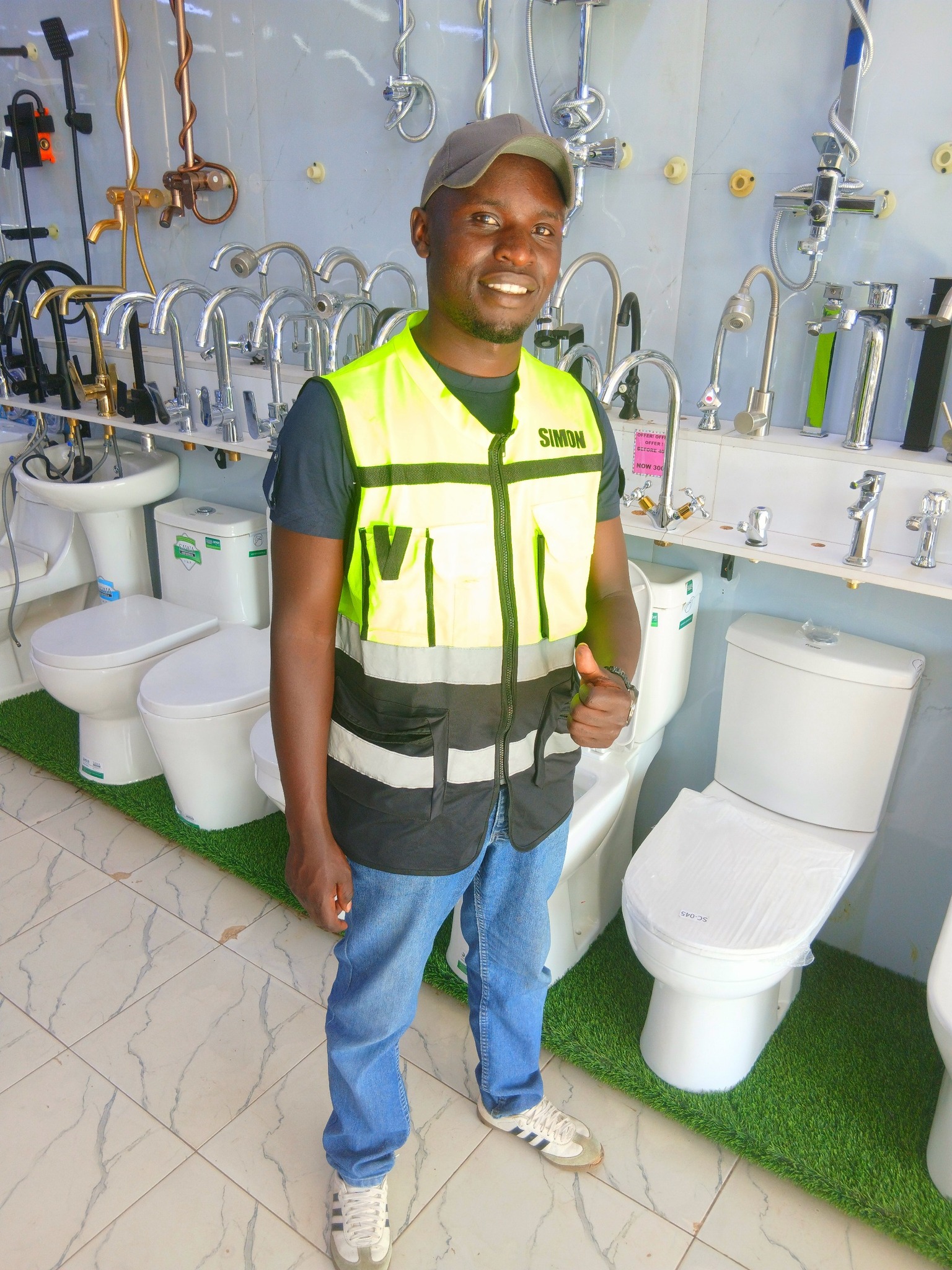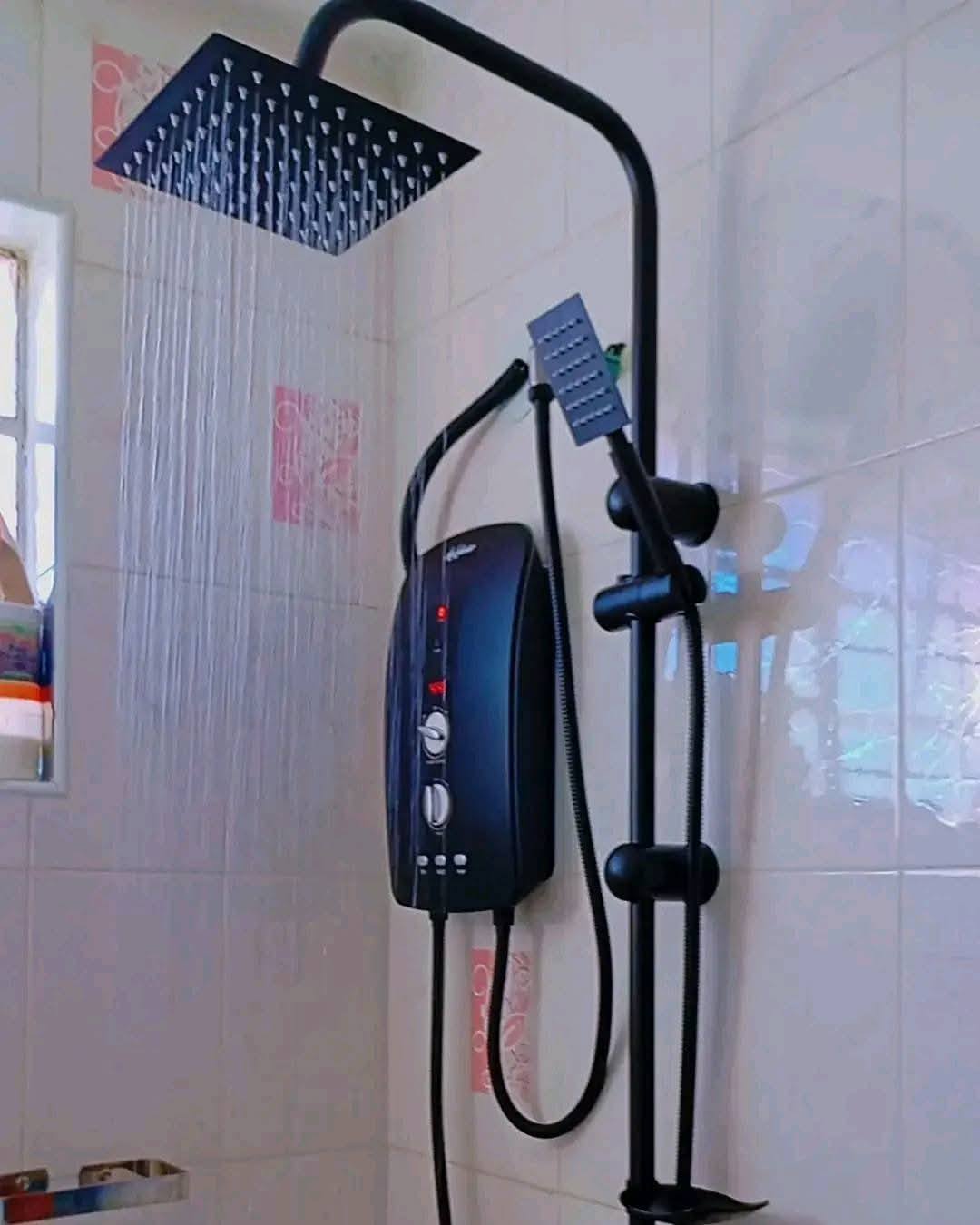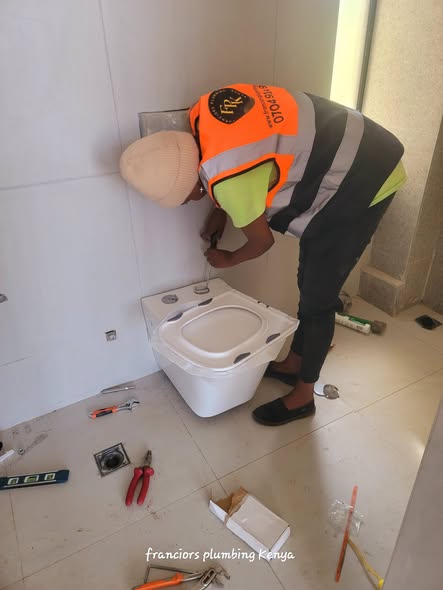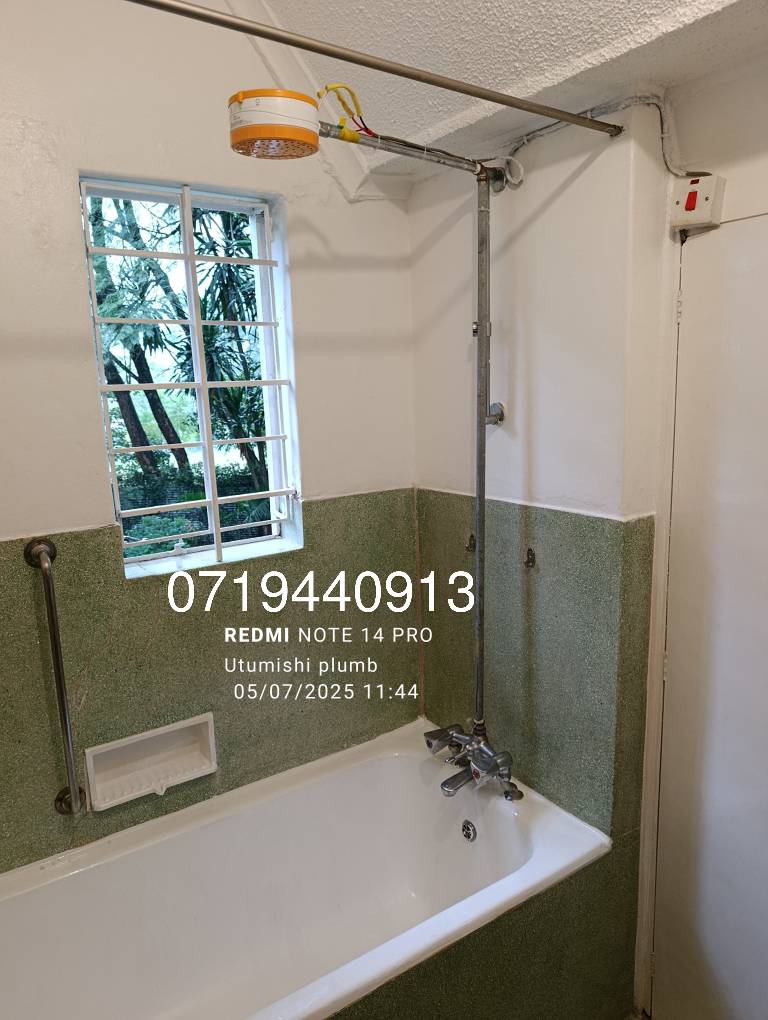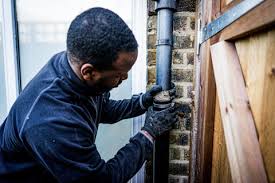


Starting a plumbing business in Kenya can look easy from the outside. After all, people always need taps fixed, drains unblocked, toilets repaired, and water tanks connected. But once you move from doing small jobs for neighbours to running a proper business, things change quickly.
Now you have to think about tools, pricing, transport, licenses, suppliers, assistants, customer trust, and whether a client will actually pay the balance after the work is done. It is no longer just about being good with pipes. It is about building a service people can rely on.
Get Your Skills and Documents in Order
Before registering a business or printing cards, make sure your plumbing skills are solid. A NITA Grade III certificate can help you start with basic repair jobs, but Grade II, Grade I, or a TVET Craft Certificate gives you more credibility for bigger projects.
Clients, landlords, contractors, and property managers are becoming more careful. A developer in Kiambu or a school administrator in Kakamega may want proof that you understand drainage, water supply systems, pressure testing, and safe installation.
Business registration also matters. You can start with a simple business name through eCitizen, then get a KRA PIN and open a separate business account. Mixing personal M-Pesa money with business income is one of the easiest ways to lose track of your profit.
If you want to handle construction projects, check the National Construction Authority requirements for plumbing contractors. NCA registration helps when bidding for formal jobs and gives clients more confidence that you are operating professionally.
Know Your Startup Costs
A plumbing business does not need a huge office to begin, but it does need proper tools and some working capital.
At the start, focus on the basics: pipe wrenches, adjustable spanners, a PPR welding machine, pipe cutters, a basin wrench, a pressure test pump, a drill, plungers, measuring tape, and a strong toolbox. Depending on quality, a decent starter kit can cost tens of thousands of shillings.
Do not buy tools just to look impressive. Buy what you need for the jobs you are likely to get first, then add better equipment as money comes in. Good tools save time, reduce mistakes, and make clients take you seriously.
You should also budget for transport, airtime, protective gear, small fittings, and emergency purchases. Sometimes a client will call you to fix one leak, then you discover three more problems. Having some float keeps you from getting stuck.
Learn How to Price Jobs Properly
Many plumbing businesses fail because of poor pricing. A job may look profitable until you factor in transport, helpers, materials, delays, and unexpected repairs.
Before quoting, visit the site where possible. Check the layout, access points, wall finishes, ceiling space, and materials needed. Installing a sink in a small bedsitter is not the same as reworking plumbing in a maisonette in Kitengela.
Break your quotation into labour, materials, transport, and extra costs. This makes you look professional and reduces arguments later. Avoid vague pricing like “tutapatana.” It may feel friendly, but it can create problems when the client expects more work for the same amount.
Build relationships with reliable suppliers in your area. Whether you buy from Industrial Area, Gikomba, Mombasa Road, or a local hardware, knowing where to get quality PPR pipes, PVC fittings, valves, taps, and mixers can protect your profit and reputation.
Find Clients Where the Work Is
When starting out, you cannot sit and wait for calls. You have to look for work actively.
Construction sites are a good place to begin. Visit growing areas such as Ruaka, Syokimau, Ruiru, Athi River, Ngong, and Kitengela, where new homes and apartments are common. Ask for the foreman, site manager, or subcontractor handling plumbing.
Maintenance work is also valuable. Apartment blocks, schools, offices, restaurants, and small hotels always need reliable plumbers. Caretakers and property managers can become strong referral sources if you respond quickly and do clean work.
Online visibility also matters. Many people now search for trusted service providers before asking around. Listing your plumbing business on platforms such as The Real Plug can help potential clients find vetted professionals more easily, especially when they do not already have a plumber they trust.
Run the Business Professionally
A plumbing business should not be run like a random hustle. Clients notice small things.
Answer calls politely. Arrive when you say you will. Explain the problem clearly. Give receipts. Keep records of jobs, expenses, materials, and payments. Even a simple notebook or spreadsheet can help you understand whether you are making money or just staying busy.
For bigger jobs, use written agreements. State the scope of work, payment terms, materials, and expected timelines. Take photos before and after the job, especially when working in finished houses or apartments. This protects both you and the client.
As work grows, you may need an assistant. Start with one reliable person and train them properly. Your helper represents your business, so their attitude, cleanliness, and workmanship matter too.
Build a Reputation That Brings Referrals
In Kenya, referrals can build or break a plumbing business. One good job in an apartment block can bring five more. One careless job can spread through a tenants’ WhatsApp group before evening.
Clean workmanship matters. Do not leave dirty water, broken tiles, loose fittings, or scattered packaging behind. Explain what you fixed and advise the client on how to avoid the same issue again.
Honesty also goes a long way. If a part can be repaired instead of replaced, say so. If the client bought poor-quality materials, explain the risk politely. People remember technicians who do not take advantage of them.
Consider a Specialty as You Grow
General plumbing can keep you busy, but specialization can help you earn better.
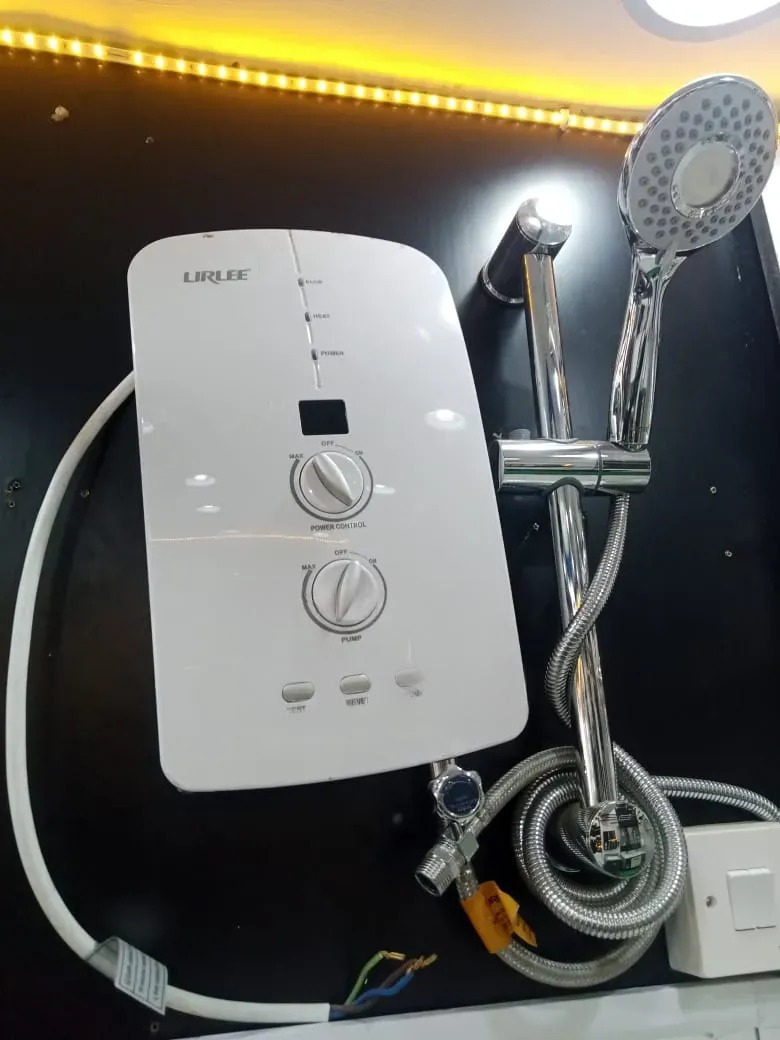
You might focus on solar water heater installation, pump systems, water filtration, bio-digesters, apartment maintenance, high-end bathroom fittings, or commercial kitchen drainage. These areas often attract clients who need ongoing service, not just one-time repairs.
For example, hard-water areas may need descaling and filtration solutions. High-end homes in Nairobi may need careful installation of imported bathroom fixtures. Developers may need plumbers who understand modern drainage and bio-digester systems.
A clear specialty helps people remember you for something specific.
Final Thoughts
Starting a plumbing business in Kenya takes more than tools and technical skill. You need proper training, clear pricing, reliable suppliers, good communication, and the discipline to treat every job seriously.
The first year may feel slow as you build trust and learn how to manage money. But if you keep showing up, doing clean work, and handling clients professionally, the business can grow steadily.
Kenya will keep building homes, schools, offices, hotels, and apartments. Old pipes will keep failing, and new systems will keep needing installation. For a plumber who works properly and runs things like a business, there is plenty of room to grow.