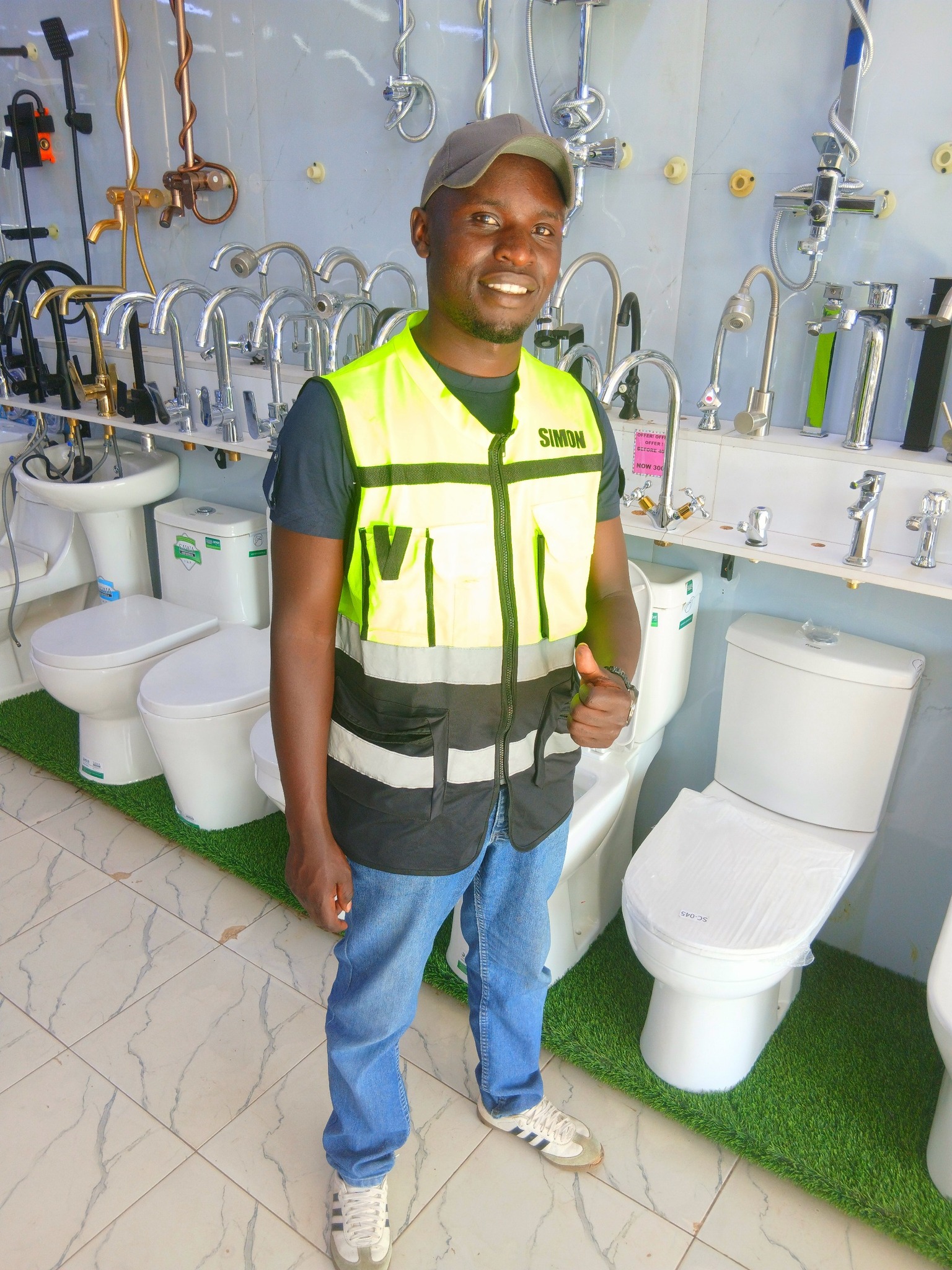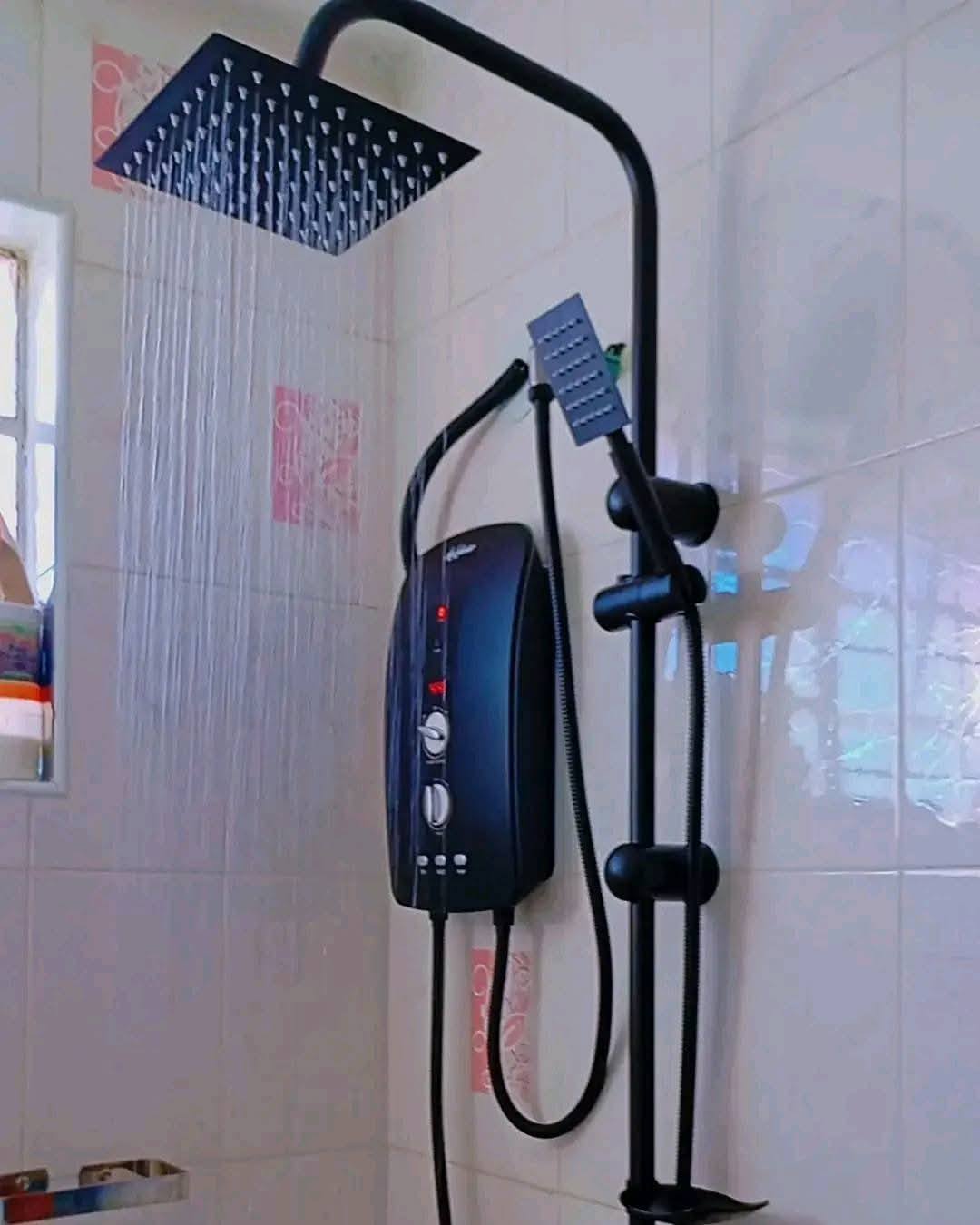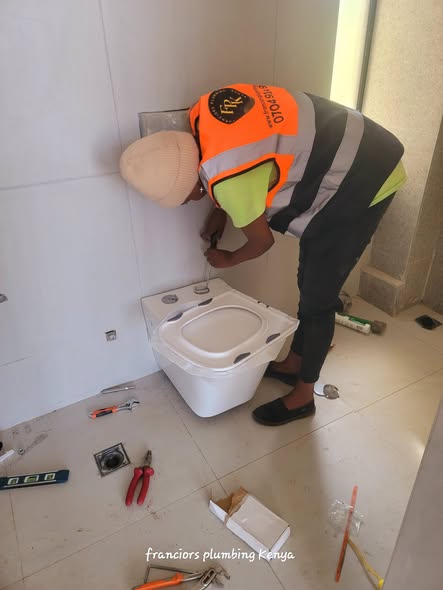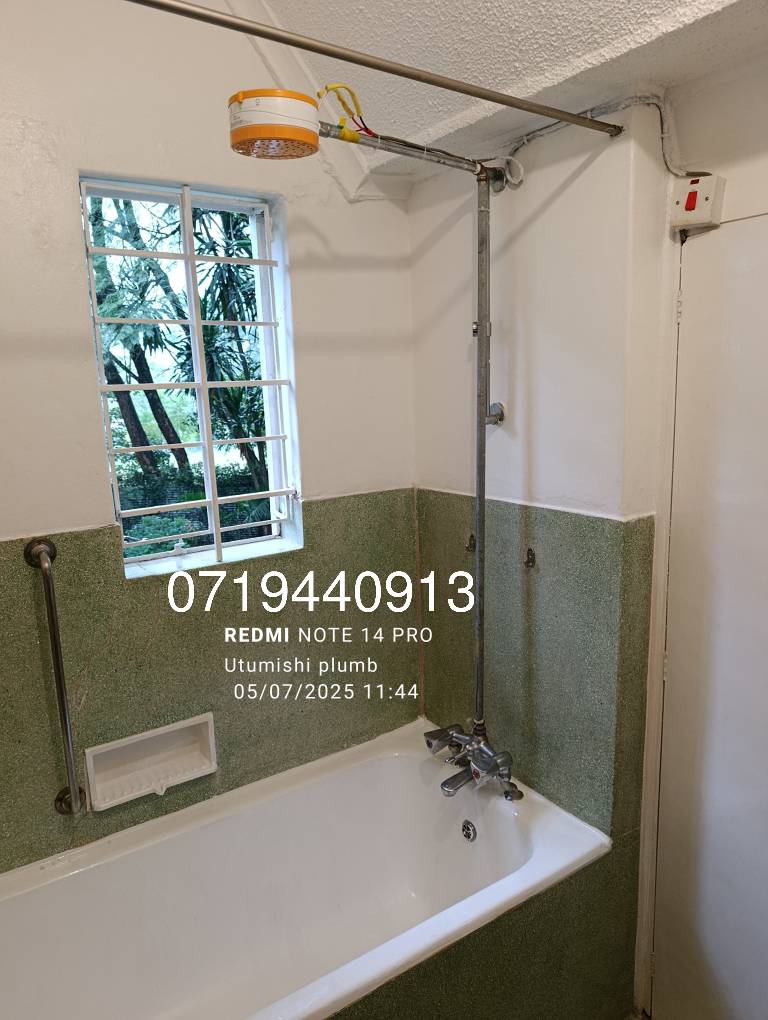


Working as a freelance plumber in Kenya gives you freedom, but it also comes with pressure. There is no fixed salary waiting at the end of the month. If the phone does not ring, income slows down. That is why finding clients is just as important as knowing how to repair a leak, install a sink, or unblock a drain.
The good news is that plumbing work is always needed. Homes, apartments, restaurants, schools, offices, and construction sites all depend on reliable water and drainage systems. The challenge is making sure people know you exist and trust you enough to call.
Word of Mouth Still Works Best
In Kenya, referrals remain one of the strongest ways plumbers get clients. A happy client in an apartment block can easily recommend you to neighbours, relatives, a landlord, or a caretaker.
That is why every job matters, even the small ones. Arrive on time, explain the problem clearly, do clean work, and leave the place tidy. People remember fundis who respect their homes and solve problems without drama.
A simple repair in South B, Ruaka, Rongai, or Kisumu can lead to several more jobs if the client feels you are reliable. In estates, WhatsApp groups, churches, chamas, and offices, one good recommendation can travel very far.
Be Visible Where Clients Search
Many clients still ask friends for contacts, but more people now search online when they need quick help. Someone with a burst pipe at night may check Google, Facebook, WhatsApp groups, or local business platforms before calling anyone.
Start with simple online visibility. Use your WhatsApp status to show completed jobs, before-and-after photos, and the areas you serve. Join estate or neighbourhood groups, but avoid spamming. Introduce yourself professionally, then offer helpful advice when people ask plumbing questions.
Facebook groups can also bring work, especially in active communities such as estate forums, residents’ groups, and local business pages. Post occasionally, show real work, and include your contact details clearly.
For clients who prefer vetted professionals, platforms like The Real Plug can help freelance plumbers appear more trustworthy. A profile with your services, experience, and client reviews gives potential customers more confidence than a random phone number shared online.
Build Relationships With Local Gatekeepers
Some of the best plumbing referrals come from people who are not plumbers. Caretakers, hardware shop owners, watchmen, property agents, and site foremen often know who needs plumbing work before anyone else does.
A caretaker in a 40-unit apartment block may hear about leaking taps, blocked drains, and broken toilets every week. A hardware shop owner is often asked, “Do you know someone who can install this?” A site foreman may need extra hands when work is behind schedule.
Introduce yourself to these people in your area. Buy materials consistently from reliable hardware shops. Leave your number. Be respectful. Over time, they may start sending clients your way.
Use Every Job to Get the Next One
Freelance plumbers who stay busy know how to turn one job into another. After completing work, check whether there are other obvious issues the client should know about. Do not exaggerate problems, but be honest if something needs attention soon.
Ask satisfied clients to refer you. Most people are willing to recommend a plumber who did good work. You can also leave your contact on a small sticker near the sink, water tank area, or toilet cistern with the client’s permission.
Photos are useful too. A clean tap installation, neat pipework, or repaired drainage line can become proof of your skill. Share real work on your WhatsApp status or business page. Clients trust what they can see.
Handle Clients Professionally
Good service brings repeat business. Poor communication loses clients quickly.
Answer calls when you can. If you are busy, send a short message and call back later. Give clear prices, preferably through a written quotation on WhatsApp or paper. Break down labour, materials, and transport so the client understands what they are paying for.
Timekeeping also matters. Kenyan clients have dealt with many fundis who promise 10am and arrive at 3pm without explanation. If you are late, say so early. That small courtesy can set you apart.
Be honest about what you can and cannot do. If a job needs a specialist or extra tools, explain it instead of guessing and making things worse.
Do Not Ignore Small Jobs
Many freelance plumbers dream of landing big apartment or construction contracts. Those jobs are good, but small repairs often keep the business alive.
A leaking tap, blocked sink, toilet repair, or water tank connection may look minor, but it can lead to bigger work. The client you help today may later refer you to a landlord, contractor, restaurant owner, or school administrator.
Small jobs also keep your name active in the market. A plumber who is regularly seen working is easier to remember when a bigger opportunity comes.
Keep Learning and Improving
Plumbing keeps changing. Modern homes and buildings now use solar water heaters, pressure pumps, water filters, sensor taps, bio-digesters, and different pipe systems. A plumber who keeps learning has more to offer.
Attend supplier demos, ask questions at hardware shops, learn from experienced technicians, and stay updated on new fittings and tools. When you gain a new skill, let clients know naturally. For example, sharing that you now handle solar water heater maintenance may bring in a different type of job.
Final Thoughts
Finding clients as a freelance plumber in Kenya is not about shouting the loudest online. It is about building trust, staying visible, doing clean work, and treating every job like it can lead to the next one.
Word of mouth, online listings, estate groups, caretakers, hardware shops, and property managers can all bring work when used well. But none of them will help for long if the service is poor.
Be easy to find, easy to trust, and reliable once hired. The plumbing work is out there. The plumbers who build relationships and protect their reputation are the ones who keep getting called.