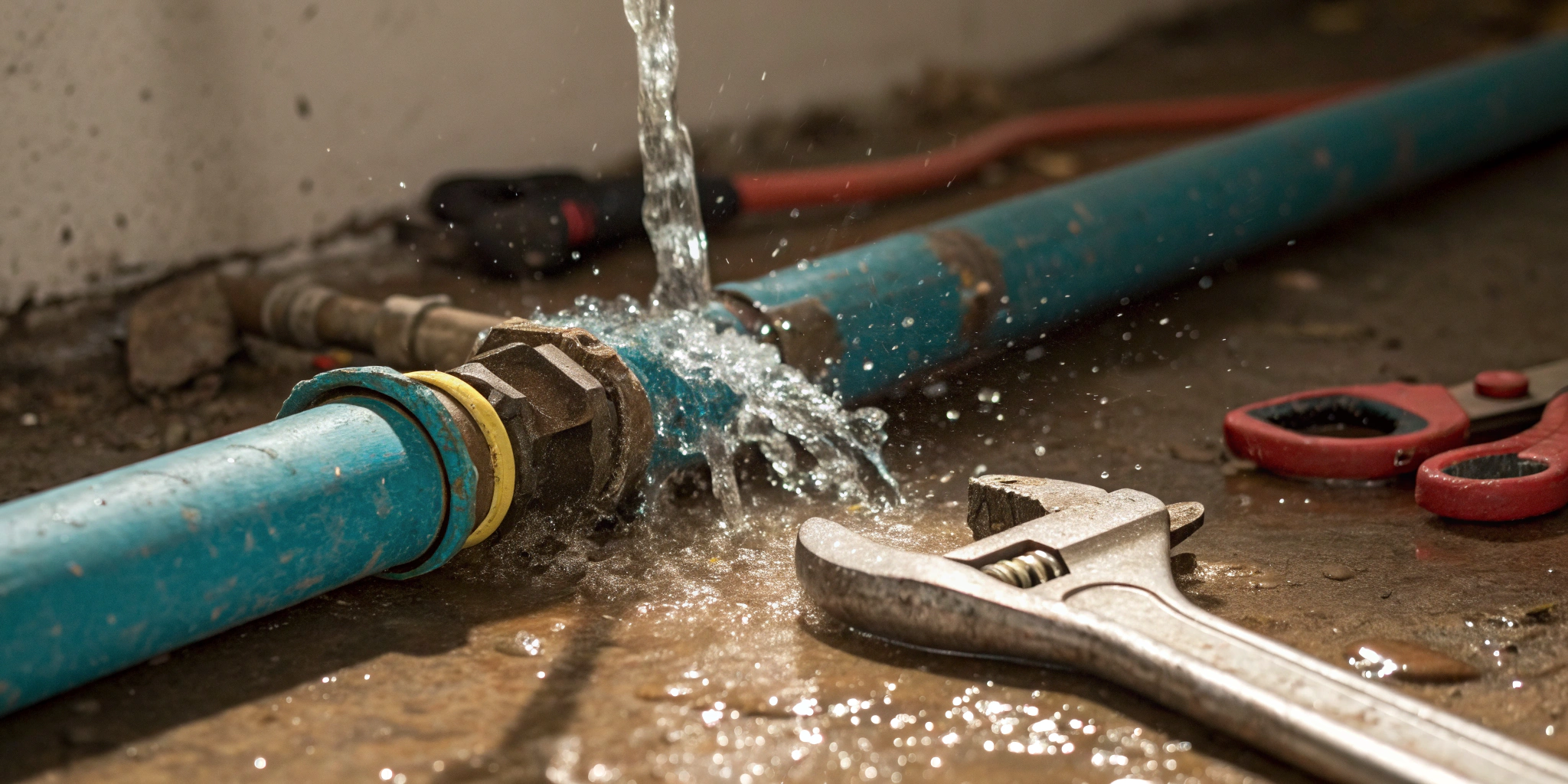


There’s a particular kind of panic that hits when a pipe bursts late at night or your sink suddenly refuses to drain. In Kenya, the instinct is almost automatic. You grab your phone, open Facebook, and type something like “plumber Nairobi” into a group or search bar, hoping someone drops a number that actually works.
It’s fast, familiar, and surprisingly effective most of the time. But if you’ve ever followed a recommendation that led to half-done work or a fundi who vanished midway, you’ve probably asked yourself whether there’s a more reliable way to get the job done.
The truth is, Facebook has transformed how Kenyans find plumbers, but it has also exposed some gaps that newer, vetted platforms are now trying to fill.
How Facebook Became the Go-To for Finding Plumbers in Kenya
Over the past few years, Facebook has quietly evolved into Kenya’s largest informal marketplace for services. From estate groups to town pages, it functions like a modern-day noticeboard where people connect, recommend, and transact in real time.
When it comes to plumbing, the process usually follows a familiar pattern. Someone posts asking for a reliable plumber, and within minutes, the comment section fills with names, phone numbers, and personal endorsements.
It feels organic. You’re not dealing with a faceless company but real people who have either worked with the fundi or are offering their own services. That sense of community is what makes Facebook so appealing.
At the same time, that openness is exactly what makes it unpredictable.
The Different Ways Plumbers Market Themselves on Facebook
If you spend a bit of time browsing, you’ll notice that plumbers don’t all present themselves the same way. There are a few distinct styles that dominate the space.
One common approach is the referral-driven thread. Someone asks for a plumber, and dozens of people respond with recommendations. It creates the impression of trust because multiple names appear repeatedly, but there’s rarely any structured way to verify those claims.
Then there’s the direct-to-camera approach. Some plumbers post videos of themselves on-site, explaining what they do, showcasing ongoing work, and inviting clients to reach out. It feels personal and convincing. You see the face, hear the voice, and get a sense of their confidence.
Others take a more polished route, creating business-style pages with branded posts, before-and-after photos, and detailed descriptions of services offered. These profiles often look professional, but appearances can be misleading since there’s no independent verification behind the content.
Each approach works in its own way, but none of them guarantees quality.
What Works Well When Hiring Through Facebook
There’s a reason Kenyans keep going back to Facebook despite the risks. It solves a real problem quickly.
Speed is one of the biggest advantages. You can post a request in the morning and have a plumber at your door within hours. That kind of responsiveness is hard to match.
There’s also the benefit of community input. Seeing multiple people recommend the same individual can create a sense of reassurance, even if it’s informal.
Another advantage is accessibility. You don’t need to download an app, create an account, or navigate a complicated system. A simple post or direct message is enough to get started.
For small, low-risk jobs, this system often works just fine.
Where the Facebook Approach Falls Short
The same factors that make Facebook convenient are also where the challenges begin.
There is no built-in accountability. Once you connect with a plumber, the platform’s role essentially ends. If the work is poorly done or incomplete, your only real option is to go back online and warn others.
Pricing is another grey area. Unlike services with standard rates, plumbing jobs are usually negotiated on the spot. Without a clear benchmark, it’s easy to either overpay or end up with substandard work because corners were cut.
Then there’s the issue of verification. A strong online presence does not always translate to technical skill. Someone might have engaging posts and plenty of recommendations but still lack the expertise needed for more complex jobs.
Safety and reliability also come into play. When you hire directly, you’re bringing an individual into your home without any formal guarantees, insurance, or support structure.
Why Vetted Platforms Like The Real Plug Are Gaining Attention
As these challenges become more apparent, many Kenyans are starting to look beyond Facebook, especially for more critical plumbing work.
Platforms like The Real Plug are stepping in to bridge the gap between convenience and reliability.
The key difference lies in vetting. Instead of leaving the responsibility entirely to the client, these platforms screen service providers before listing them. That can include verifying identity, reviewing past work, and collecting genuine customer feedback.
This shifts the dynamic significantly. You’re no longer relying solely on comments or personal recommendations. There’s an added layer of assurance before you even make contact.
Another important factor is accountability. Vetted platforms often provide a channel for resolving disputes, which is something Facebook simply does not offer. If something goes wrong, there is a system in place to address it.
Pricing also becomes more transparent. Instead of negotiating blindly, you can see what different plumbers charge and what is included in their services. This makes it easier to compare options and make informed decisions.
There’s also the matter of safety. With structured platforms, there’s usually some level of oversight, whether through guarantees, policies, or support systems that protect both the client and the service provider.
Balancing Convenience and Reliability
That said, Facebook is not going anywhere. It remains one of the most effective tools for discovering service providers and getting a feel for how they interact with clients.
In practice, many Kenyans are now combining both approaches. They use Facebook to identify potential plumbers, observe how they present their work, and gauge community feedback.
For smaller jobs, they may still hire directly. But for more complex or high-stakes work, they turn to vetted platforms where there is greater assurance of quality and accountability.
This hybrid approach allows people to benefit from the strengths of both systems without taking unnecessary risks.
Practical Tips Before Hiring a Plumber in Kenya
If you decide to go the Facebook route, a bit of caution can make a big difference.
Pay attention to patterns in recommendations rather than relying on a single comment. Consistency often indicates reliability.
Ask for clear details about the scope of work and pricing before the job begins. Having this in writing helps avoid misunderstandings later.
Consider starting with a smaller task to assess the plumber’s quality of work and professionalism.
And when the job involves critical systems like water supply, drainage, or heating, it’s worth considering a vetted platform where there’s more at stake if things go wrong.
The Bigger Shift in Kenya’s Service Market
What’s happening with plumbers is part of a larger trend. Informal, community-driven platforms like Facebook opened the door by making services more accessible and visible.
Now, the next phase is about structure and trust. People still value the human connection and flexibility, but they also want reliability, transparency, and protection.
That’s where platforms like The Real Plug come in. They’re not replacing the hustle. They’re refining it.
Final Thoughts
Finding a plumber in Kenya has never been easier, but getting the right one still requires a bit of strategy. Facebook offers speed and access, while vetted platforms offer structure and peace of mind.
The real advantage in 2026 is having both options. You can discover through community and confirm through systems designed to protect you.
So the next time a pipe bursts or a tap starts acting up, the question isn’t just where to look. It’s how much certainty you want before letting someone get to work.