

It usually starts with a recommendation that sounds harmless enough. A neighbour mentions someone who “does fumigation,” maybe you see a comment under a Facebook post, or a number is shared in a local WhatsApp group. The price is low, the response is quick, and within a short time someone is standing at your door ready to “solve” the problem.
For a few days, things feel better. Then slowly, the signs return. The bites, the cockroaches, the uneasy feeling that nothing really changed. When you reach out again, the explanation is always convenient. You’re told the pests are new, or that you need a stronger round. Another payment is suggested, and the cycle begins again.
Across estates in Nairobi, Nakuru, and Mombasa, this pattern has quietly become common. What many people don’t realize is that these experiences are not random. They follow a predictable set of tactics used by unqualified fumigators who rely on speed, appearance, and confidence rather than actual pest control science.
Understanding how these tactics work makes it much easier to avoid falling into the same trap.
Why Strong Smell and Fast Service Do Not Mean Effective Treatment
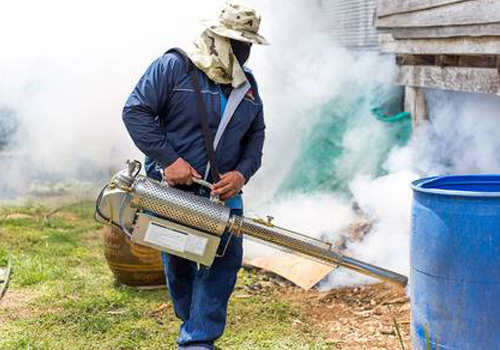
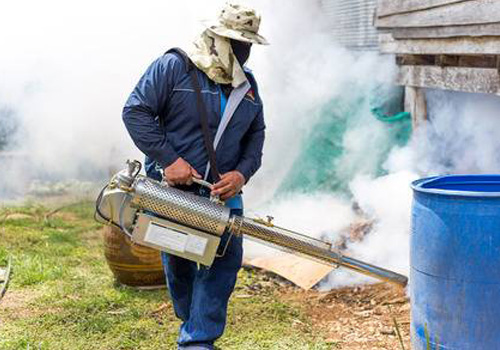
One of the most convincing elements of fake fumigation is the immediate sensory impact. The strong smell, the visible spray, and the urgency of the process all create the impression that something powerful is happening.
In reality, smell is not a reliable indicator of effectiveness. Some informal fumigators use mixtures that produce a strong odor but have little to no impact on pests. These mixtures may temporarily disturb insects, causing them to scatter or hide, which can make it seem like they have been eliminated.
The problem is that this effect does not last. Bedbugs and cockroaches are resilient. If the treatment does not target their hiding places or disrupt their lifecycle, they simply return once the environment settles. What felt like a successful intervention turns out to be a short pause.
Licensed pest control professionals approach this differently. They use regulated pesticides approved by the Pest Control Products Board, focusing on formulations that provide residual action. These products continue working after application, targeting pests over time rather than just on contact.
The key difference is that one method creates an illusion of effectiveness, while the other is designed to deliver measurable results.
The Hidden Problem With Diluted or Misused Chemicals
Another common issue in informal fumigation is the misuse of legitimate products. Some fumigators use household insecticides but dilute them far beyond their recommended levels. This allows them to stretch a small amount of product across multiple jobs, increasing their profit while reducing effectiveness.
When a product is diluted incorrectly, it loses its ability to perform as intended. Instead of eliminating pests, it may only weaken or repel them temporarily. This creates a situation where the infestation appears to decrease but is never fully resolved.
There is also the issue of unregulated mixtures. Without proper training or oversight, some individuals combine substances without understanding their chemical properties or safety implications. This not only reduces effectiveness but can also pose health risks to occupants.
Professional pest control services operate under strict guidelines. Products are used according to manufacturer instructions, and technicians are trained to apply them safely and effectively. This consistency is what allows for reliable outcomes.
Why Lack of Documentation Signals a Bigger Problem
A clear distinction between informal and professional pest control services is the presence of documentation. Many fake fumigators operate without any formal structure. There is no company name, no license, and no paperwork after the job is done.
At first, this may not seem important. After all, the goal is simply to eliminate pests. However, the absence of documentation has practical consequences.
In Kenya, pest control operations are regulated by the Pest Control Products Board. Licensed providers are required to meet specific standards and are accountable for their work. When a service includes a certificate or report, it provides proof that the treatment was conducted according to these standards.
This documentation can be important for landlords, property managers, and even public health inspections. Without it, there is no way to verify that proper procedures were followed.
More importantly, documentation creates accountability. A provider who issues a formal report is more likely to stand behind their work. Without that structure, it becomes difficult to seek recourse if the treatment fails.
How Repeated Treatments Become Part of the Business Model
One of the more subtle aspects of fake fumigation is how repeat visits are built into the process. The initial treatment is often priced low to attract clients. When pests return, a follow-up is offered at an additional cost, often with the explanation that the infestation was more severe than expected.
Over time, this can lead to multiple payments without ever achieving a permanent solution. Each visit addresses only part of the problem, ensuring that the need for another treatment remains.
In contrast, licensed pest control services typically include a defined guarantee period. If pests reappear within that timeframe, a follow-up treatment is provided at no extra cost. This shifts the responsibility onto the service provider to deliver a complete solution rather than relying on repeated visits.
The difference in approach reflects two very different business models. One depends on recurrence, while the other depends on resolution.
Why Appearances Can Be Misleading
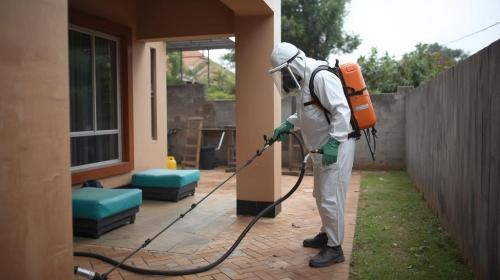
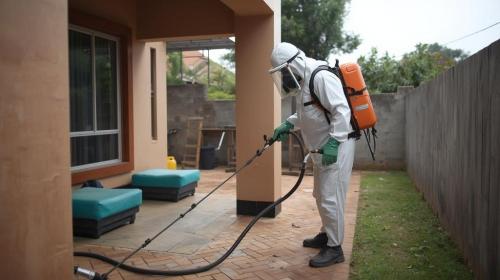
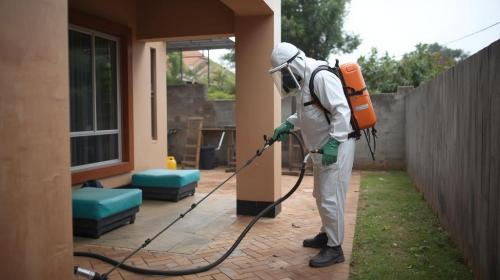
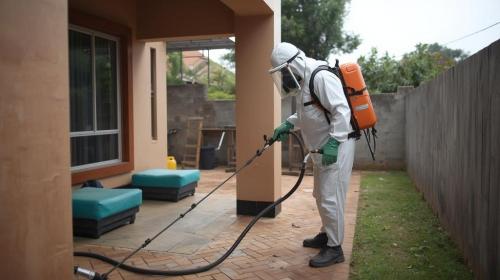
As awareness grows, some informal fumigators have adapted by presenting themselves more professionally. Branded clothing, printed documents, and confident communication can create the impression of legitimacy.
However, appearance alone is not a reliable indicator of quality. Documents can be fabricated, and branding can be imitated. What matters is whether the credentials can be verified.
In Kenya, licensing information can be checked through the Pest Control Products Board. A genuine provider should be able to share their license details and explain their treatment process clearly. They should also be open about the products they use and provide supporting information when requested.
Verification may take a few extra minutes, but it can prevent much larger losses later.
The Risks Associated With Unregulated Pest Control
Beyond financial loss, fake fumigation can introduce health and safety risks. The use of unknown or improperly mixed chemicals can expose occupants to harmful substances without proper safeguards.
Children, pets, and individuals with respiratory conditions are particularly vulnerable. Without clear guidance on re-entry times or safety precautions, it becomes difficult to manage these risks effectively.
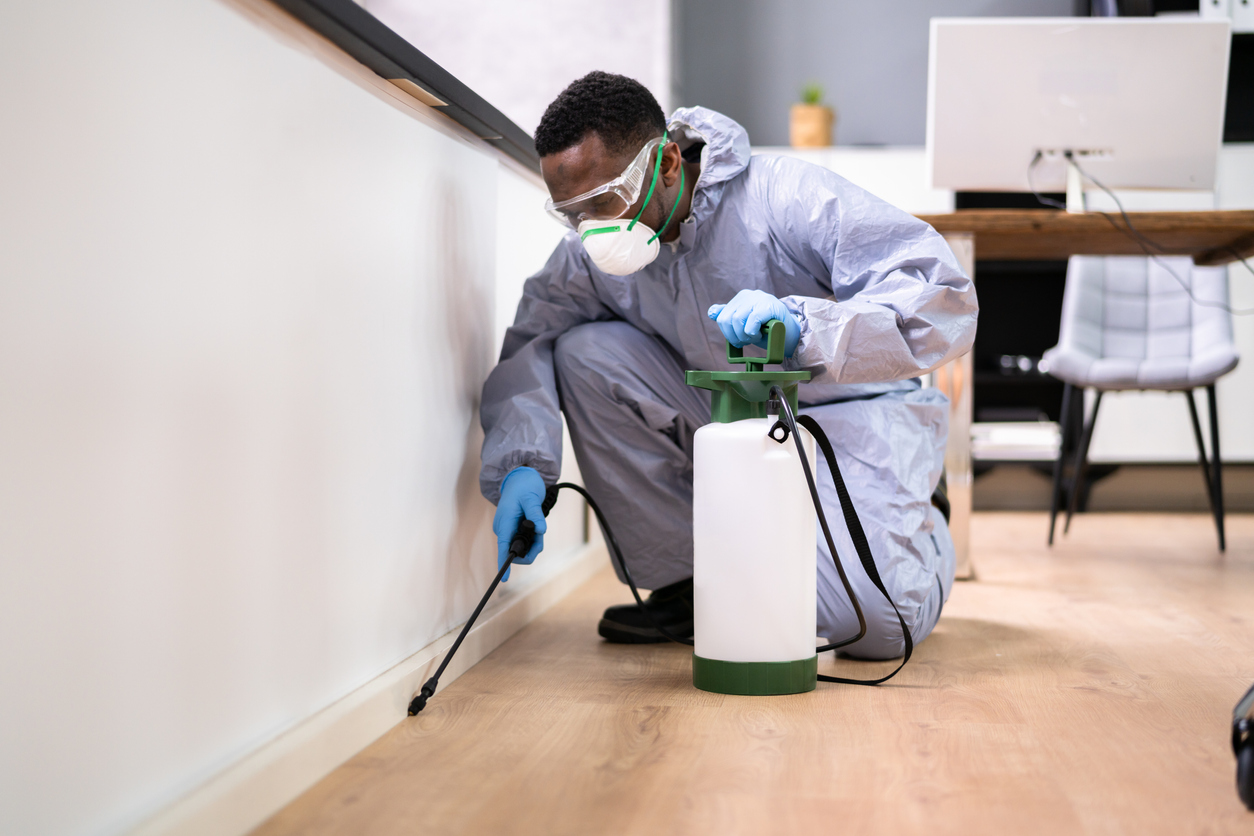
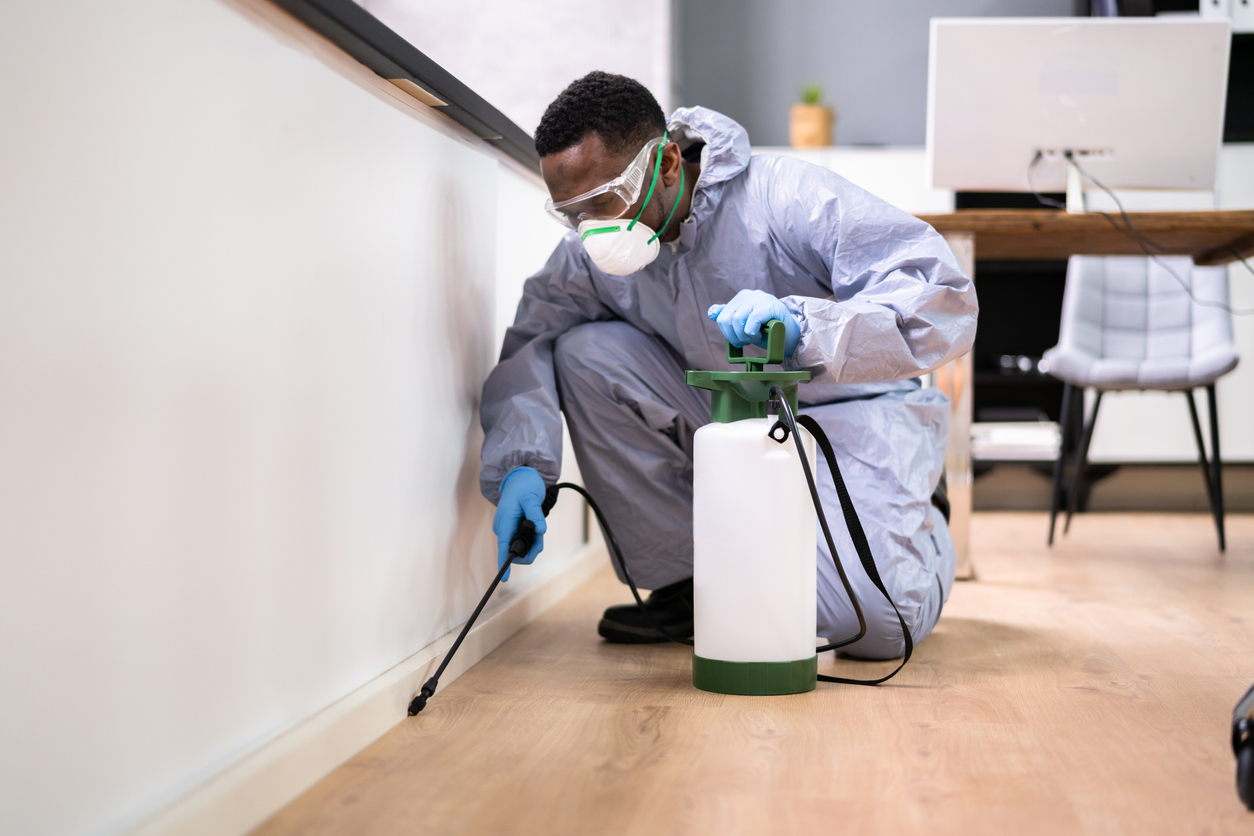
Professional pest control services are required to follow safety protocols. This includes using approved products, providing instructions on safe re-entry, and applying treatments in a controlled manner. These measures are designed to protect both the occupants and the technician.
When these standards are not followed, the consequences can extend beyond the immediate pest problem.
Finding Reliable Pest Control Options in Kenya
For many households, the challenge is balancing affordability with reliability. While high-end pest control services may be out of reach for some, relying on unverified providers often leads to repeated expenses.
Platforms such as The Real Plug are helping to address this gap by connecting users with vetted professionals. By verifying licenses and standardizing service expectations, these platforms provide a more dependable alternative to informal listings.
This approach allows homeowners to access qualified technicians without the uncertainty that often comes with informal recommendations. It also introduces accountability, which is essential for consistent results.
Conclusion
Fake fumigation thrives on urgency, low pricing, and the assumption that most people will not question the process. By the time the results fade, the provider is often unavailable, and the problem remains.
Understanding how these scams operate makes it easier to avoid them. Paying attention to the type of chemicals used, verifying credentials, and insisting on documentation are simple steps that can significantly improve outcomes.
In cities like Nairobi, where pest infestations are a common challenge, choosing the right approach from the start can save both time and money. Effective pest control is not about speed or appearance. It is about using the right methods, applied correctly, with accountability built into the process.