

It often begins in a very familiar way. You notice a few bites, maybe dismiss them at first, then one night turns into several sleepless ones. Someone recommends a fumigator from Facebook or a WhatsApp group. The price is friendly, the response is instant, and within hours the job is “done.” For a short while, things seem under control. Then, just when you think you’ve moved on, the bites return.
This pattern plays out daily in estates across Nairobi, Kisumu, and Thika. It leaves many people wondering whether pest control is unreliable or whether they just got unlucky with the wrong person. The reality is more straightforward. The difference between an informal fumigator and a licensed pest control professional is not cosmetic. It is technical, and it directly determines whether your bedbug problem ends or quietly resets.
Understanding that difference is what separates a one-time solution from a recurring expense.
What Actually Determines Whether Bedbugs Die or Come Back
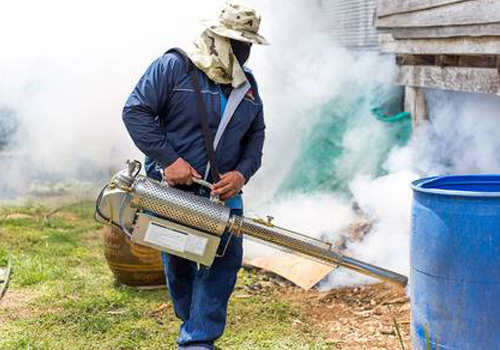
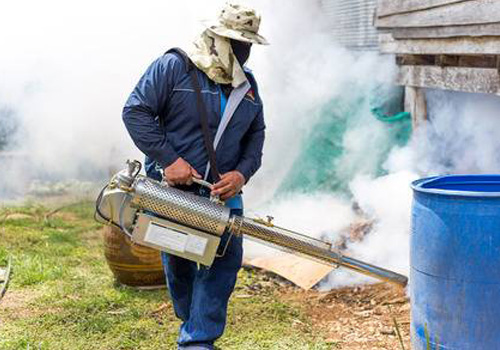
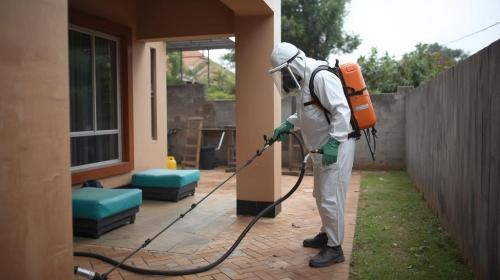
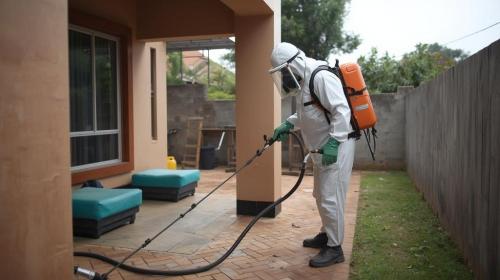
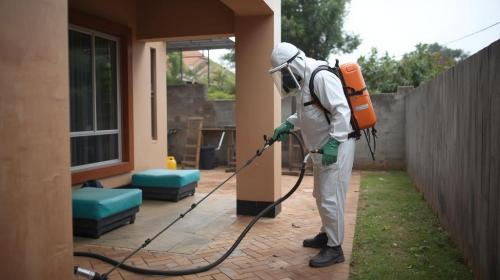
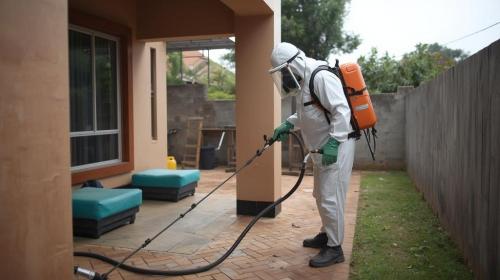
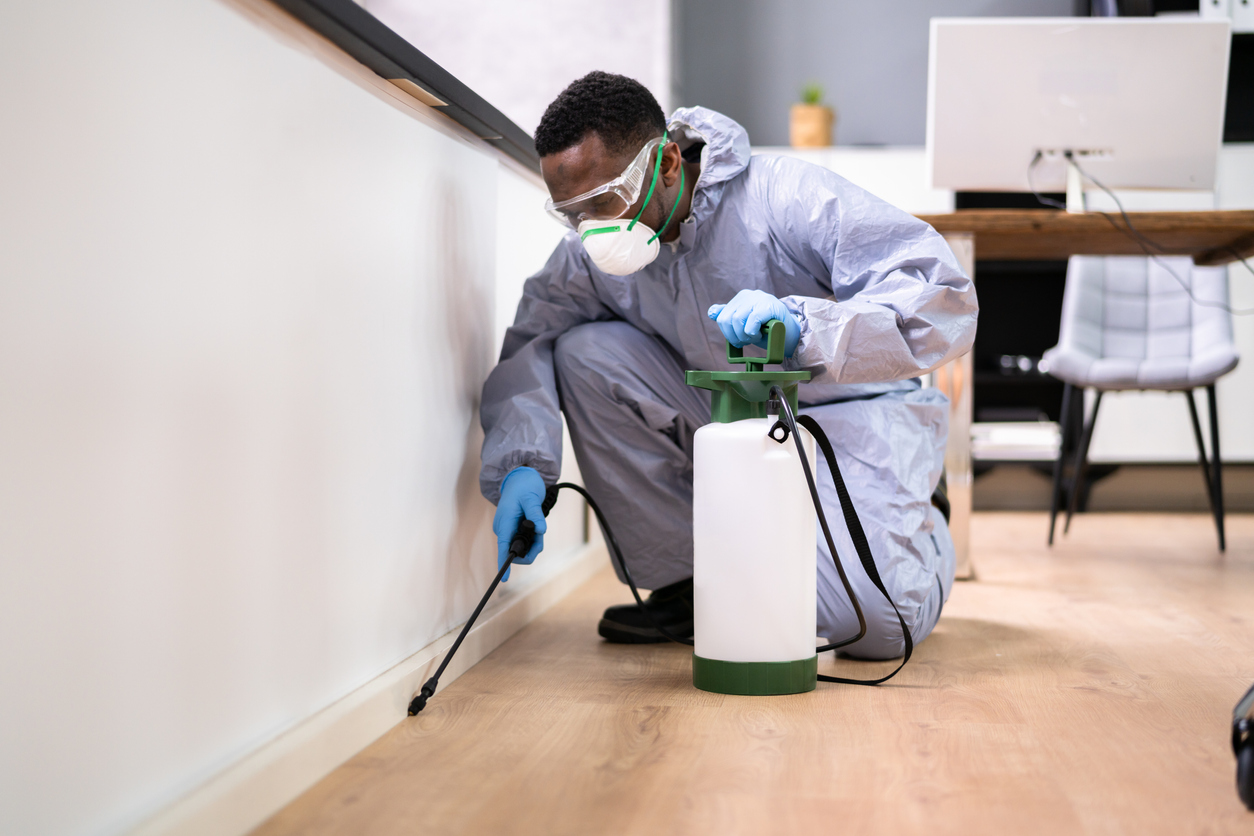
At surface level, most fumigation jobs look the same. Someone arrives with a sprayer, moves around the house, and applies a liquid solution. To most homeowners, the assumption is that the machine does the work. In practice, the real determinant is the chemical formulation and how it interacts with the bedbug lifecycle.
Many informal fumigators rely on readily available insecticides designed for general household pests. These products tend to kill on contact, which creates an immediate visible effect. You stop seeing bedbugs, and it feels like the problem has been handled. However, this approach only addresses one stage of the infestation.
Bedbugs lay eggs in hidden areas such as mattress seams, furniture joints, and wall crevices. These eggs are resistant to many over-the-counter insecticides. Within a week or two, they hatch, and the infestation resumes. That is why a treatment can appear successful initially but fail shortly after.
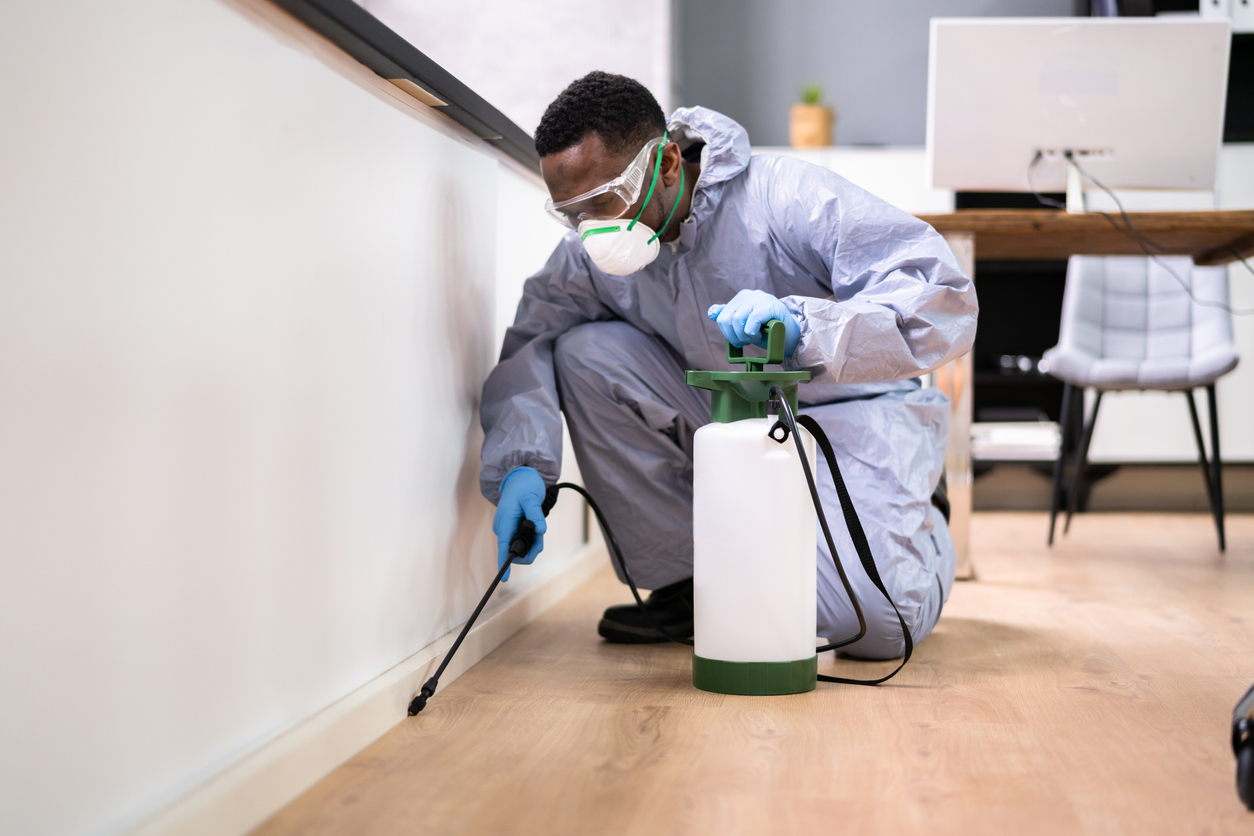
Licensed professionals operate under a different framework. They use regulated pesticides approved by the Pest Control Products Board. These products are formulated with residual properties, meaning they remain active for several weeks. This allows them to eliminate newly hatched bedbugs before they mature and reproduce.
The distinction here is not about strength or smell. It is about whether the treatment accounts for the full lifecycle of the pest.
Why Preparation Is the Step That Most People Skip but Should Not
One of the least appreciated aspects of pest control is preparation. It is also one of the most critical.
In many quick fumigation jobs, preparation is either rushed or ignored entirely. The technician arrives, sprays visible areas, and leaves. On the surface, this seems efficient. In reality, it limits the effectiveness of the treatment.
Bedbugs are not surface dwellers. They hide in tight, protected spaces where sprays cannot easily reach. Clothes piled in corners, cluttered shelves, and packed wardrobes all provide ideal hiding spots. If these areas are not addressed before treatment, a large portion of the infestation remains untouched.
Professional pest control services place significant emphasis on preparation. Clients are usually instructed to wash bedding in hot water, declutter rooms, vacuum key areas, and expose hidden surfaces. While this may feel inconvenient, it serves a clear purpose.
Heat from washing and drying can destroy eggs that chemicals may not affect. Decluttering reduces hiding spots, making it easier for the treatment to reach the insects. Vacuuming physically removes part of the infestation, reducing the overall load before chemical application begins.
Skipping this stage often leads to incomplete results, regardless of how effective the pesticide might be.
The Real Cost of Choosing the Cheaper Option
Cost is often the deciding factor when choosing between a Facebook fumigator and a licensed pest control service. On paper, the difference can seem significant, especially for smaller households or those working within tight budgets.
However, the initial price rarely reflects the full cost of the solution.
Lower-cost treatments that rely on short-term methods often need to be repeated. Each session may seem affordable, but over time, the cumulative cost increases. More importantly, the inconvenience of repeated infestations adds another layer of expense that is harder to quantify. Sleep disruption, time spent preparing for multiple treatments, and general discomfort all contribute to the overall burden.
Licensed pest control services typically include structured follow-ups or guarantees. If the problem reappears within a specified period, a re-treatment is provided without additional charges. This approach ensures that the infestation is addressed completely rather than temporarily suppressed.
When viewed over a longer timeline, a single comprehensive treatment often proves more economical than multiple partial ones.
How to Tell If You Are Dealing With a Legitimate Professional
For many homeowners, the challenge is not deciding to seek professional help. It is knowing how to identify a credible service provider.
A key indicator in Kenya is licensing through the Pest Control Products Board. This certification confirms that the technician is trained and authorized to use regulated pesticides. It also means their work is subject to oversight, which introduces a level of accountability.
Beyond licensing, a professional should be able to explain the treatment process clearly. This includes the type of chemical being used, how it works, and what safety measures are necessary. They should also provide guidance on re-entry times and any precautions required after treatment.
Documentation is another important factor. A formal service typically includes a report or certificate outlining the work done. This is particularly relevant for rental properties or short-term accommodations where proof of treatment may be required.
Transparency in these areas is often a reliable indicator of professionalism.
Why Professional Pest Control Feels More Demanding but Works Better
It is common for people to perceive licensed pest control as more complicated compared to informal services. The preparation requirements, the waiting period after treatment, and the higher upfront cost can all feel like obstacles.
However, these elements are not arbitrary. They are part of a structured approach designed to address the biology of bedbugs.
Bedbugs are highly adaptable pests. They can survive in small crevices, reproduce quickly, and remain hidden for extended periods. Eliminating them requires more than a surface-level intervention. It involves targeting multiple stages of their lifecycle and ensuring that no viable population remains.
The additional steps involved in professional pest control reflect this complexity. Each requirement, from preparation to follow-up, contributes to a higher probability of complete eradication.
What may feel like inconvenience at the beginning often translates into long-term relief.
Finding a Practical Middle Ground in the Kenyan Market
While licensed pest control services offer clear advantages, affordability remains a valid concern for many households. This has created a growing demand for options that balance professionalism with reasonable pricing.
Platforms such as The Real Plug are emerging to meet this need. By vetting service providers, verifying licenses, and standardizing pricing transparency, these platforms help bridge the gap between informal services and high-cost corporate providers.
For homeowners, this means access to trained professionals without the uncertainty that often comes with unverified contacts. It also introduces a level of accountability that is typically missing in informal arrangements.
In a market where quality can vary widely, having a structured way to identify reliable service providers makes a significant difference.
Why Bedbugs Require a Serious Approach
Bedbugs are not a problem that resolves through shortcuts. Their resilience and ability to multiply quickly make them one of the more challenging household pests to eliminate.
Choosing how to address an infestation is less about convenience and more about effectiveness. A quick solution that only addresses part of the problem often leads to repetition. A structured approach, while more demanding initially, is far more likely to deliver lasting results.
For many households, the turning point comes when they shift from looking for the fastest option to looking for the most reliable one. That shift, more than anything else, determines whether the problem ends or continues.
Conclusion
The difference between a Facebook fumigator and a licensed pest control professional is not just about price or speed. It is about whether the method used is designed to eliminate bedbugs completely or simply reduce them temporarily.
In cities like Nairobi, where infestations are increasingly common, making the right choice early can save time, money, and frustration. Understanding how treatments work, why preparation matters, and how to identify credible providers puts you in a stronger position to deal with the problem effectively.
Bedbugs do not respond to shortcuts. They respond to thorough, well-executed solutions. And in most cases, that is the difference between a temporary fix and a permanent one.