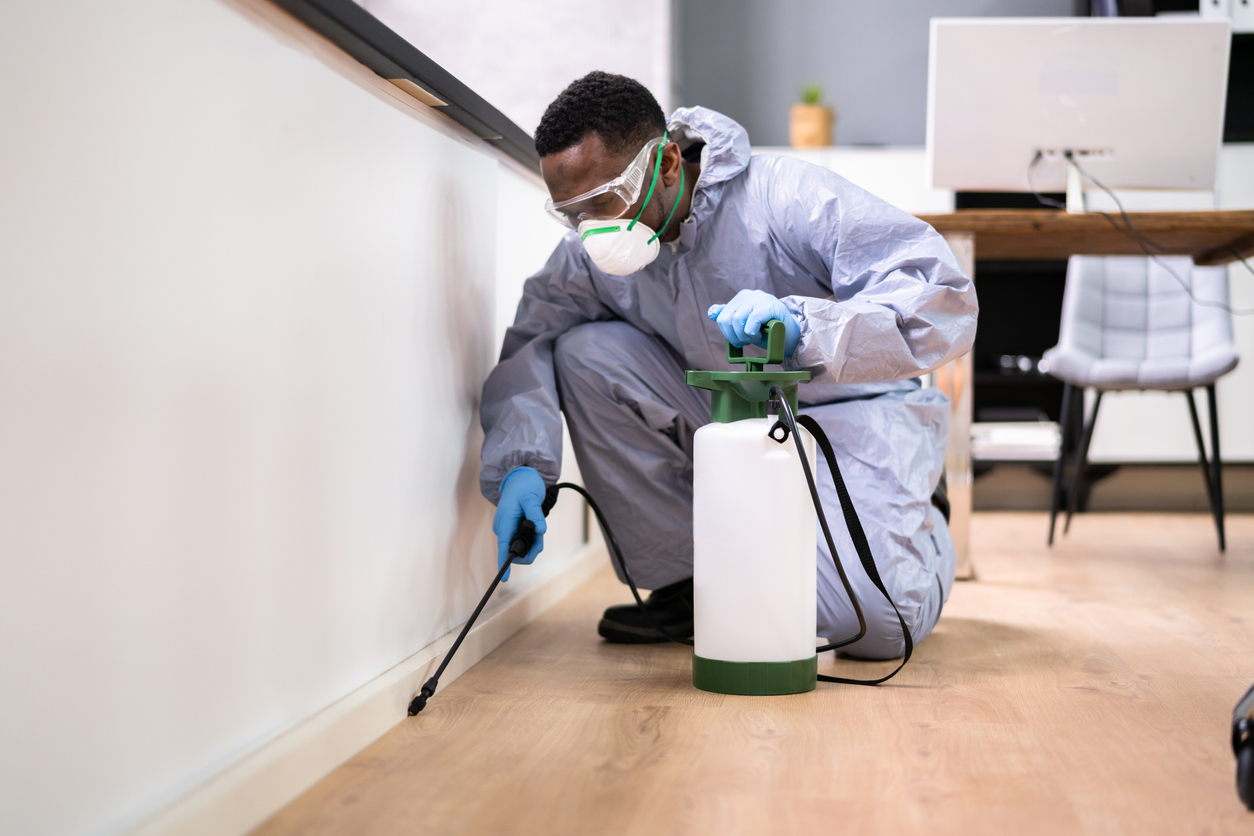


Fumigation jobs in Kenya are becoming more visible because pest problems are part of everyday life in many homes and businesses. A tenant in Kayole may be struggling with bedbugs after buying a second-hand mattress. A restaurant in Kisumu may be fighting cockroaches behind the freezer. A landlord in Ruaka may need vacant units treated before new tenants move in. A hostel near Thika Road may need regular pest control before students return.
For a beginner, this demand can look exciting. You may have taken a short course, worked briefly with a technician, or watched enough pest control videos to feel ready. But finding real fumigation work is not always straightforward. Clients want someone they can trust inside their bedrooms, kitchens, stores, and businesses. Established companies want reliable assistants, not people who disappear after two days. Landlords and restaurant owners want results, not excuses.
The good news is that fumigation jobs in Kenya are available for beginners who are willing to learn, start small, work safely, and build trust. You do not need to begin with a full company, a branded vehicle, or expensive machines. You can start as an assistant, apprentice, casual technician, or small independent operator handling basic jobs within your skill level. What matters is positioning yourself properly and avoiding shortcuts that damage your name early.
Understand What Fumigation Work Looks Like in Kenya
Fumigation is not one single type of job. The work changes depending on the client, pest, building, and location. In Nairobi estates such as Kasarani, Zimmerman, Pipeline, Roysambu, and Embakasi, many residential calls involve bedbugs, cockroaches, ants, fleas, and rats. In Mombasa, Kilifi, Diani, and Malindi, termites, ants, mosquitoes, and cockroaches are common because of humidity, coastal weather, and busy hospitality businesses.
In towns such as Nakuru, Eldoret, Kisumu, Meru, Machakos, and Kitale, fumigation work may include homes, schools, hostels, stores, restaurants, offices, farms, and grain storage areas. Warehouses and godowns may need rodent control, stored product pest management, or specialised fumigation that requires proper training and licensing.
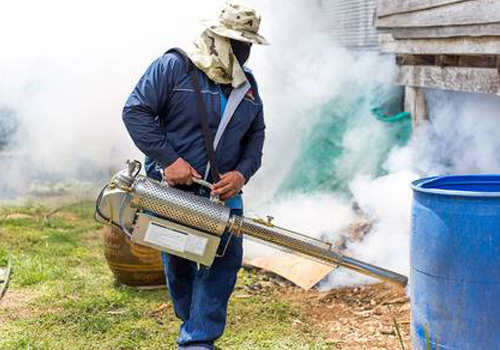
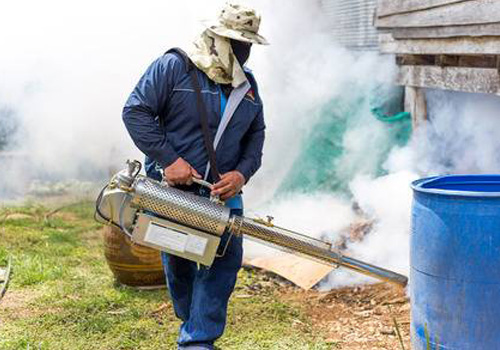
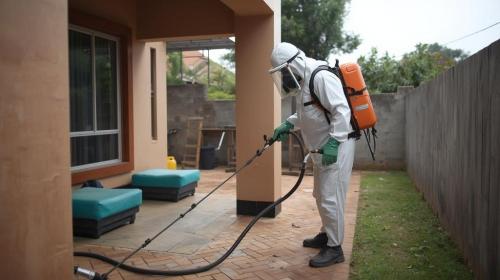
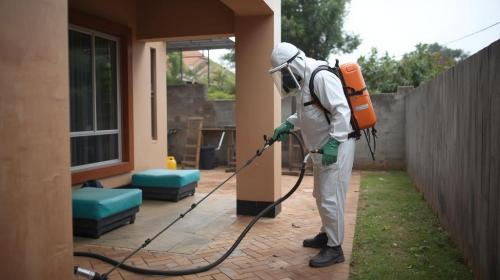
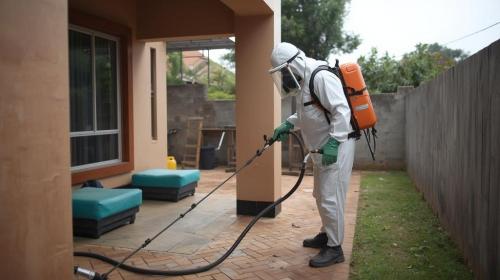
As a beginner, you are more likely to start with basic residential jobs or assistant roles. These may include helping move equipment, preparing sprayers, treating cockroach hiding areas, assisting with bedbug inspections, placing bait stations, cleaning equipment, and learning how to speak to clients. It may not look glamorous, but this is where you learn the real work.
Do not rush into complex jobs such as grain fumigation, termite treatment, large hotels, hospitals, or food factories unless you are properly trained and supervised. Those jobs carry higher risk and need stronger technical knowledge.
Get the Right Training Before Looking for Jobs
Clients and employers are more likely to take you seriously if you have some training. Fumigation involves chemicals, safety procedures, pest behaviour, dosage, protective gear, and aftercare instructions. It is not enough to know how to pump a sprayer.
Training helps you understand how to identify pests, read labels, mix correctly, wear PPE, guide clients, handle spills, store chemicals safely, and know when a job is beyond your level. If you want to work commercially, you should also understand the relevant Pest Control Products Board requirements and confirm current licensing rules with the right authorities.
A beginner who has training stands out when approaching established pest control companies. It shows that you are not just looking for quick cash. It also protects you from dangerous mistakes. Using the wrong product in a bedsitter, restaurant, or school can put people at risk and ruin your reputation.
If you cannot afford full training immediately, look for opportunities to work under a licensed and experienced operator while you save. Learn properly before you start handling jobs alone.
Start by Working With an Established Fumigation Company
One of the best ways to find fumigation jobs in Kenya as a beginner is to attach yourself to an existing company. Many pest control businesses need casual technicians, especially during busy seasons or when handling large jobs. You may start by carrying equipment, preparing sites, cleaning sprayers, or assisting senior technicians.
This route helps you learn faster because you see different pests, buildings, clients, and treatment methods. You may work in apartments one day, a restaurant the next day, then a school or warehouse later. You also learn practical things that courses may not fully teach, such as how to calm an angry client, how to inspect a cluttered kitchen, and how to avoid wasting product.
To approach companies, prepare a simple one-page CV. Include your training, location, availability, phone number, and any related experience. Visit pest control companies in your town or send a polite WhatsApp message with your details. Do not demand high pay immediately. Show that you are reliable, punctual, and willing to learn.
Daily pay for beginners varies depending on company, town, skill, and job type. Instead of focusing only on the first payment, focus on experience, contacts, and reputation. A good senior technician can teach you things that will save you years of mistakes.
Use Estate Networks and Caretakers
In Kenya, many fumigation jobs come through local networks. Caretakers, landlords, agents, and estate managers often know where pest problems are happening before anyone posts online. If you are a beginner, these people can become a strong source of work.
Visit estates near you and introduce yourself professionally. Do not just say, “Nafanya fumigation cheap.” Explain the services you can handle, where you are based, and how clients can reach you. Leave a simple card or WhatsApp contact. If you are still new, be honest about the jobs you can handle and those you refer.
Caretakers in places like Umoja, Tassia, Kahawa West, Bamburi, Mtwapa, and Githurai may refer you when tenants complain about bedbugs or cockroaches. Landlords may call you for move-out fumigation when tenants leave. Agents may recommend you to new tenants who want a house treated before moving in.
The secret is reliability. If a caretaker gives you one client and you arrive late, overcharge, or do poor work, that door closes. If you do a good job and follow up, they may call you again.
Look for Work in Facebook and WhatsApp Groups
Many Kenyans ask for service providers in Facebook groups and WhatsApp groups. Estate groups, landlord groups, tenant groups, business groups, and local marketplaces often have people asking for fumigation services.
As a beginner, do not spam these groups with repeated adverts. It makes you look desperate and may get you removed. Instead, be helpful. If someone asks about bedbugs, explain basic preparation steps and when professional treatment may be needed. If someone asks about cockroaches, explain why cleaning, baiting, and treating hiding places matter.
After offering useful advice, you can mention that you provide fumigation services or work with a trained team. Keep your message short and professional. Use real photos of your work only if you have permission. Avoid fake before-and-after images because clients can sense dishonesty.
WhatsApp estate groups can also work well, but you usually need to be introduced by a resident, caretaker, or previous client. Once inside, behave respectfully. One good response in a group can bring several inquiries, especially if residents have the same pest problem.
List Yourself Where Clients Search for Verified Providers
Some clients avoid random social media numbers because they fear being conned. They prefer platforms where they can compare businesses, check contact details, read reviews, and see whether a provider looks legitimate.
A platform like The Real Plug helps users find vetted professionals, service providers, and businesses in Kenya. For a beginner, having a clear profile with your services, location, training details, photos, and reviews can help build trust. It does not replace good work, but it can make clients more comfortable contacting you.
When creating a profile anywhere online, be specific. Mention the areas you serve, such as Nairobi, Thika, Ruiru, Mombasa, Kisumu, Nakuru, or Eldoret. List services you can actually handle, such as bedbug treatment, cockroach control, ants, fleas, or basic rodent control. Do not claim specialised services if you are not trained for them.
Online visibility helps people find you, but trust is what makes them book.
Partner With Cleaners, Movers, Painters, and Plumbers
Fumigation connects naturally with other home and property services. Movers often see bedbugs in mattresses and sofas. Cleaners find cockroach droppings behind cabinets. Painters work in vacant houses before new tenants arrive. Plumbers may notice rats, cockroaches, or damp areas attracting pests.
Build relationships with these providers. Introduce yourself and offer to refer clients to them too. For example, after fumigation, a client may need deep cleaning. Before fumigation, a client may need clutter moved. A cleaning company managing Airbnbs in Westlands, Kilimani, Nyali, or Naivasha may need a reliable pest control contact.
Referral partnerships do not need to be complicated. Agree on a fair referral arrangement where appropriate, but make sure the client still receives honest pricing and proper service. Do not let referral fees push you into overcharging or cutting corners.
Quote Your First Jobs Carefully
Beginners often make pricing mistakes. Some charge too low because they fear losing the client. Others charge too high without enough proof of experience. Both can hurt you.
Before quoting, calculate your costs. Include chemicals, transport, PPE, time, labour if you have an assistant, and possible follow-up. A job in the same estate may be cheaper to serve than a job across town. A light cockroach problem is not the same as a heavy bedbug infestation in a cluttered bedsitter.
Ask questions before giving a price. What pest is it? How many rooms? Which location? How long has the problem been there? Is the house occupied or vacant? Are there children, pets, or food areas? Has treatment been done before? Can the client send photos?
For bigger or unclear jobs, inspect first. You can charge an inspection fee and deduct it from the final price if the client proceeds. This protects you from quoting blindly and regretting later.
Take a deposit for new clients, especially if you are buying products or travelling far. Many beginners have worked, then chased payment for days. A deposit shows the client is serious and helps cover your upfront costs.
Protect Yourself and the Client
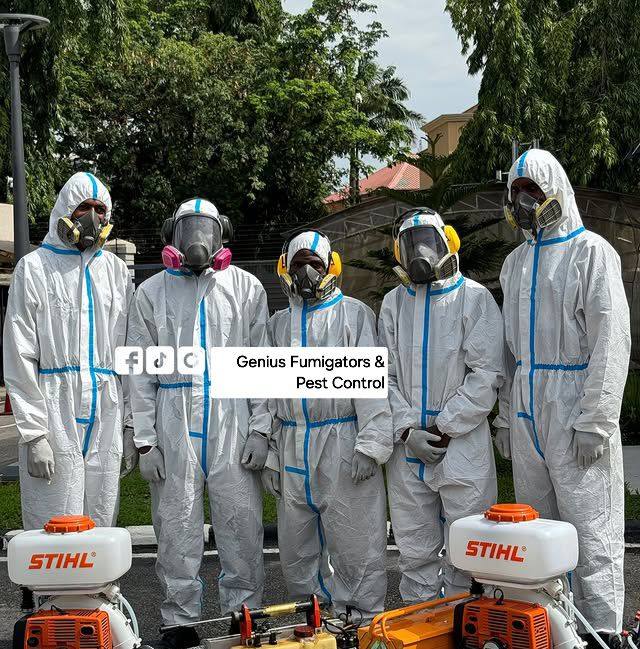
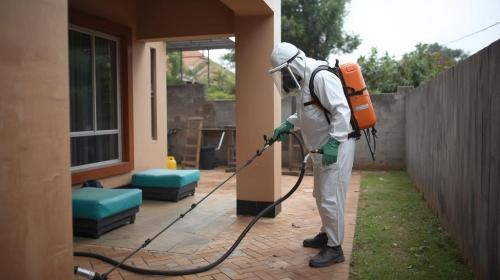
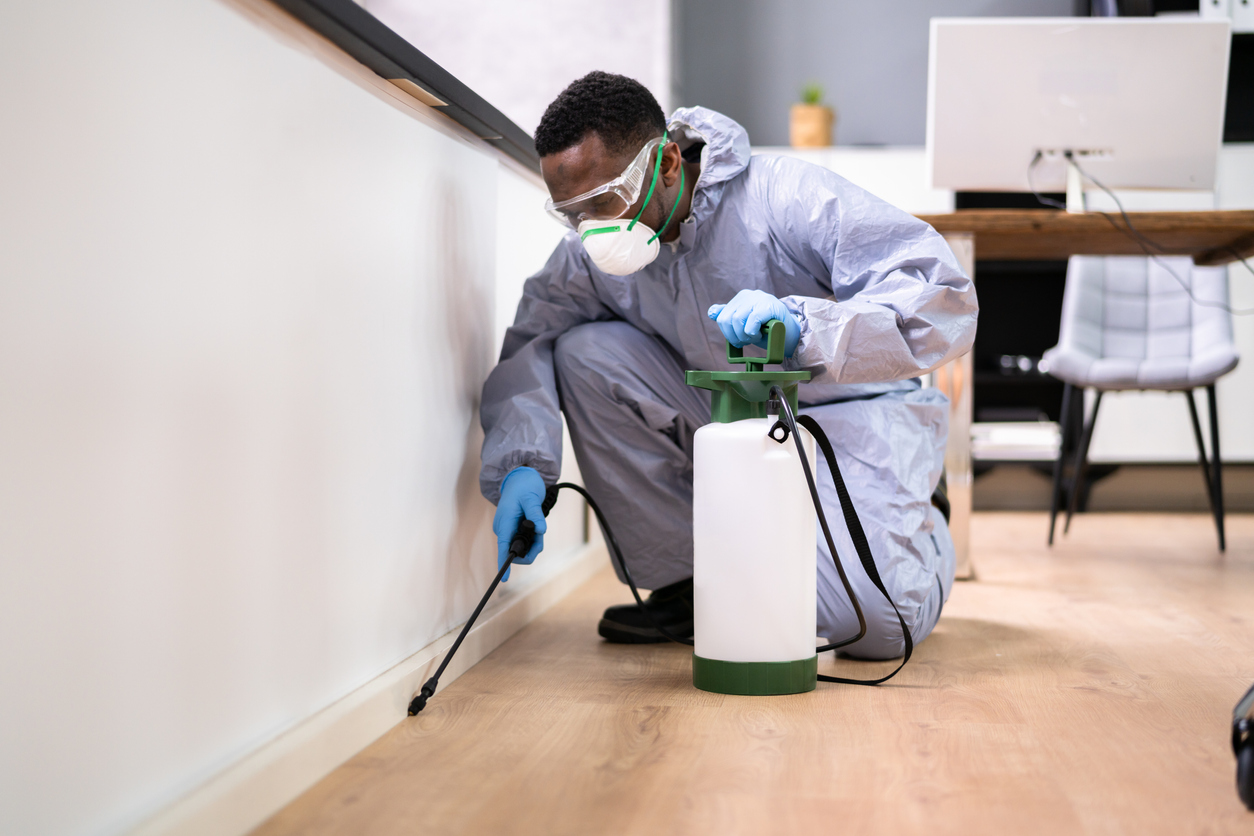
Fumigation work can expose you to chemicals, dust, pests, waste, and difficult environments. Do not ignore safety because you are new. Wear proper PPE, including gloves, overalls, boots, goggles, and suitable respiratory protection depending on the product and job.
Clients also judge you by how you present yourself. If you arrive in slippers and spray chemicals casually, they may doubt your professionalism. If you arrive with clean gear, explain the process, and handle products carefully, they feel safer.
Always give preparation and aftercare instructions. Tell clients what to remove, cover, wash, ventilate, or avoid touching. Explain when people and pets can return where applicable. Put important instructions in writing through WhatsApp so they can refer back.
Safety is not a luxury. It is part of the service.
Avoid Jobs You Are Not Ready For
When you are starting out, it is tempting to accept every job. Someone asks for termite treatment, grain fumigation, snake removal, restaurant pest control, or warehouse fumigation, and you say yes because you need money. Hiyo inaweza kukuingiza shida.
Some jobs require specialised training, equipment, licensing, and supervision. Grain fumigation, for example, can be dangerous if handled incorrectly. Large food businesses need careful planning and documentation. Termite treatment may require knowledge of soil, building structure, drilling, trenching, and product selection.
It is better to refer a job than to fail badly. If you refer work to experienced professionals, they may also refer smaller jobs back to you. Saying “I am not trained for that yet” is more professional than pretending.
Start with what you can do well, then expand gradually.
Build a Name Through Follow-Up
Fumigation is a repeat and referral business. Clients remember how you treated them after payment. If you disappear, they will not call again. If you follow up, they may become loyal.
After every job, send a thank-you message and aftercare instructions. If the pest needs a second visit, schedule it immediately. After a few days, check whether the activity has reduced. If the client is happy, ask for a review or referral.
A landlord with several units can become a steady client. A restaurant can become a monthly contract. A hostel can call you before every term. An Airbnb host can recommend you to other hosts. But this only happens when you are reliable.
Repeat work grows from small professional habits: keeping time, communicating clearly, issuing receipts, honouring follow-ups, and treating clients with respect.
What Growth Can Look Like After You Start
Your first few months may involve small jobs, assistant roles, and learning from others. That is normal. You may start by helping an established company, then slowly get direct calls from referrals. As you build experience, you can buy better equipment, improve your PPE, create a Google Business Profile, and set up WhatsApp Business.
After some time, you may choose to specialise. Some technicians focus on bedbugs and cockroaches in apartments. Others move into restaurant pest control, termite treatment, rodent control, mosquito management, or commercial contracts. Some remain lead technicians for larger companies, while others register their own business and grow a team.
There is room in the market, but growth comes from trust and skill, not shortcuts.
Final Thoughts
Fumigation jobs in Kenya are available, but beginners must approach the industry with patience and professionalism. This is not a get-rich-quick hustle. It is physical, technical, and reputation-driven work. The people who grow are the ones who learn properly, protect themselves, communicate well, and deliver results clients can trust.
Start by getting trained and understanding the legal requirements that apply to your work. Look for assistant roles with established companies. Build relationships with caretakers, landlords, agents, cleaners, movers, and property managers. Use Facebook, WhatsApp, Google, and trusted listing platforms carefully. Quote based on real costs, not guesswork. Take jobs you can handle, and refer those that are beyond your level.
Most importantly, treat every small job as a chance to build your name. A bedsitter in Roysambu can lead to a whole block. One good hostel job can become a contract. One happy landlord can refer you for years.
In Kenya’s fumigation industry, skill gets you started, but trust keeps you working.