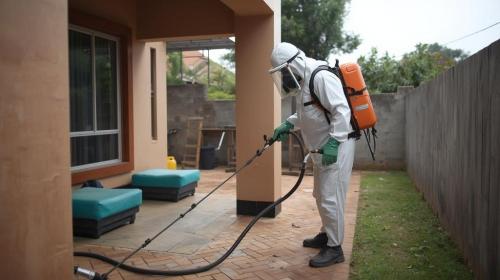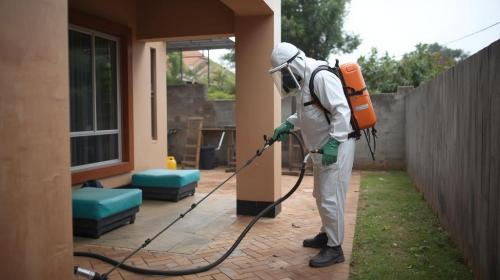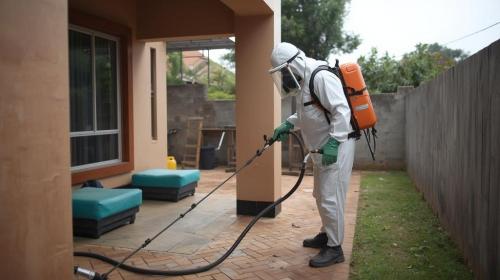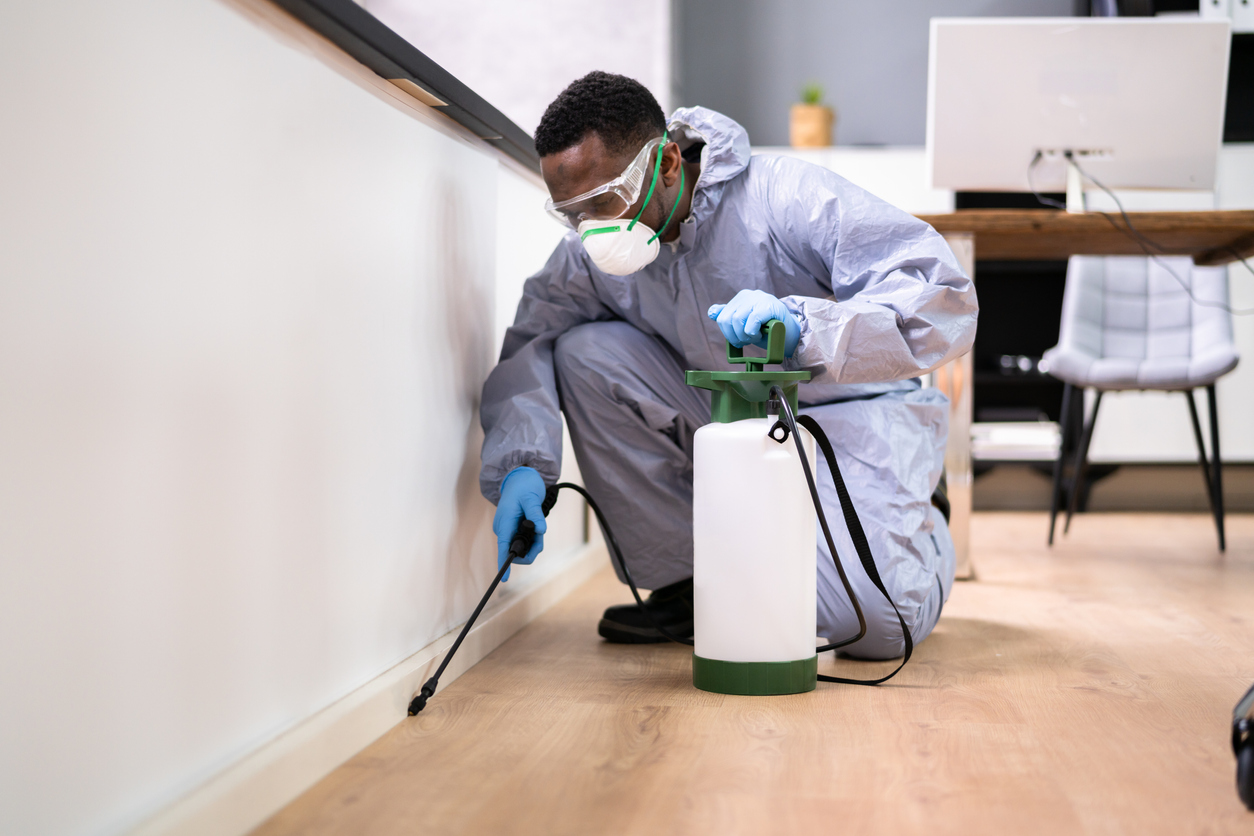


Finding a fumigator in Nairobi is easy. Finding one who actually solves the problem is where things get complicated.
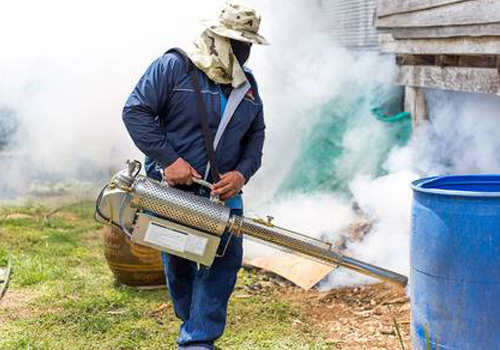
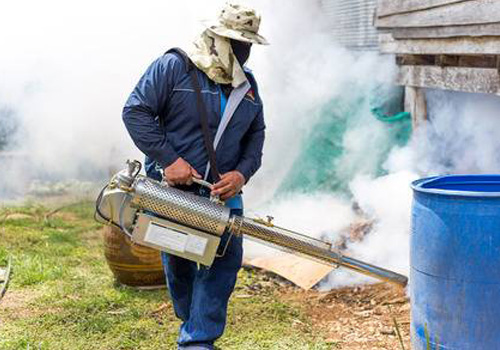
Walk through most estates and you’ll spot them quickly. A backpack sprayer, a reflective jacket with “fumigation services” printed on it, and a promise to handle everything from cockroaches to bedbugs in a single visit. The offer sounds convenient, especially when you’re dealing with a real infestation. But convenience often comes at a cost that only becomes clear later.
In areas like Nairobi, pest control has become a crowded and uneven market. From apartments in Westlands to hostels in Umoja, the demand is high, and so is the number of service providers. The challenge is that not all of them operate at the same standard. Some are trained and regulated, while others rely on basic tools and guesswork.
If you want results that last, the decision should not be based on who shows up first or who charges the least. It should be based on three core factors that define professional pest control: licensing, the type of chemicals used, and the presence of a clear guarantee.
Why the Pest Control Market in Nairobi Requires Careful Selection
Pest control is not just another household service. It involves the use of chemicals that are designed to eliminate living organisms. When handled correctly, these chemicals are effective and safe. When handled poorly, they can be ineffective at best and harmful at worst.
In Kenya, the industry is regulated by the Pest Control Products Board. This body ensures that pest control operators are trained and that the products they use meet safety and effectiveness standards. However, enforcement alone cannot eliminate informal providers, especially in a market driven by urgency and cost sensitivity.
Many unlicensed fumigators operate by cutting key corners. They avoid licensing fees, use cheaper or unregulated chemicals, skip protective equipment, and offer no formal guarantees. This allows them to charge significantly lower prices, which can be appealing in the moment.
The problem is that these shortcuts directly affect the outcome. A poorly executed treatment often leads to recurring infestations, repeated costs, and unnecessary exposure to unsafe substances.
Why Licensing Should Be Your First Checkpoint
Before discussing price or availability, the first question to ask any fumigator is whether they are licensed. In Kenya, legitimate pest control operators must be registered with the Pest Control Products Board.
A license is more than just a formality. It indicates that the technician has received training on how to handle pesticides, understands proper application methods, and is accountable for their work. It also means they have access to regulated products that are not available to the general public.
Verifying a license is straightforward. A professional provider should be able to share their registration details without hesitation. This information can be checked to confirm that it is valid and matches the business offering the service.
If a provider avoids this question or offers vague explanations, it is usually a sign that they are operating outside the regulatory framework. In such cases, it becomes difficult to guarantee both safety and effectiveness.
Why Understanding the Chemical Used Is Essential
One of the most overlooked aspects of hiring a fumigator is understanding what is actually being applied in your home. Many people focus on whether the treatment works without considering how it works.
Different pests require different treatment approaches. Cockroaches, bedbugs, and termites each have distinct behaviors and hiding patterns. Effective control depends on using the right chemical for the specific pest and applying it in the correct way.
Professional fumigators are able to explain this clearly. They can name the product being used, describe its active ingredients, and provide supporting documentation such as a Safety Data Sheet. This transparency is part of regulated practice and ensures that the treatment is both appropriate and safe.
When this information is not provided, it becomes difficult to assess the quality of the service. In some cases, ineffective or improperly mixed substances may be used, leading to short-term results that do not address the root of the infestation.
Understanding the chemical does not require technical expertise. It simply requires asking the right questions and expecting clear answers.
Why Guarantees Reflect Confidence in the Service
A guarantee is one of the clearest indicators of whether a fumigator stands behind their work. Pest control is not always resolved in a single visit, especially for pests with complex lifecycles such as bedbugs.
Licensed pest control services typically include a defined guarantee period. If pests reappear within that timeframe, a follow-up treatment is provided at no additional cost. This approach ensures that the service is outcome-focused rather than transaction-focused.
The presence of a written guarantee also introduces accountability. It provides a reference point for both the provider and the client, outlining what is expected and what happens if the results are not achieved.
In contrast, informal services often rely on verbal assurances. While these may sound convincing, they are difficult to enforce. Without documentation, there is no clear agreement, making follow-up support uncertain.
What the Hiring Process Should Look Like in Practice
Hiring a fumigator should be a structured process rather than a quick decision. It begins with gathering information and asking specific questions.
A reliable provider should be able to confirm their licensing status, explain the treatment method, and provide a clear price. They should also outline any preparation required before the service and explain what to expect afterward.
Preparation is an important part of the process. This may include cleaning, decluttering, and exposing areas where pests are likely to hide. While it may seem like extra work, it significantly improves the effectiveness of the treatment.
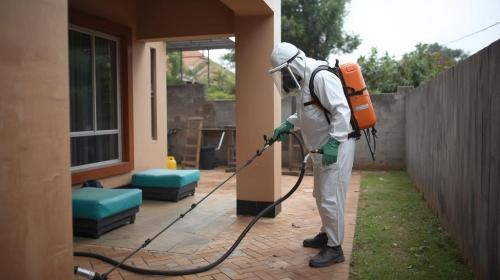
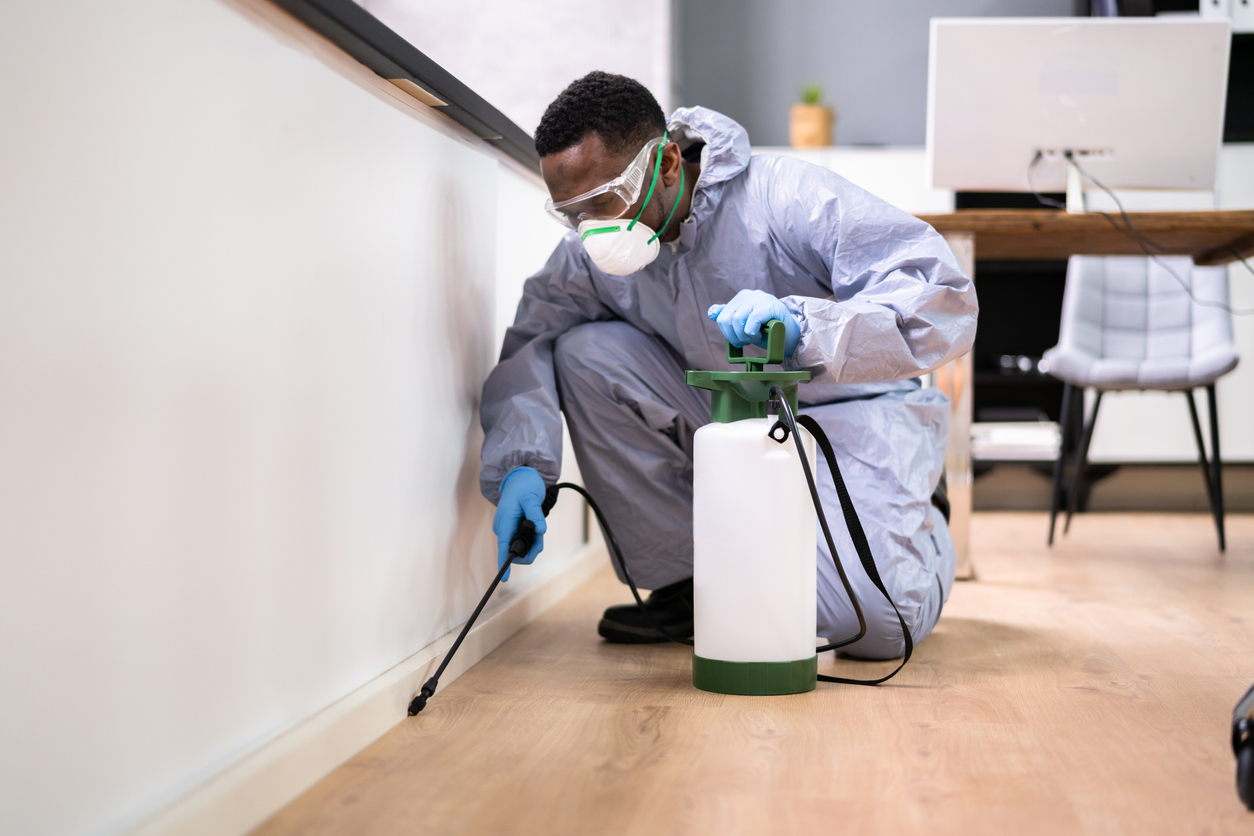
On the day of the service, the technician should follow safety protocols, including the use of protective equipment and proper handling of chemicals. They should also apply the treatment methodically, focusing on areas where pests are most likely to be found.
After the service, documentation should be provided. This typically includes details of the treatment, the chemicals used, and the duration of the guarantee. Keeping this record is important for both follow-up and verification purposes.
Where to Find Reliable Fumigators Without Uncertainty
For many people, the challenge is not knowing where to start. While recommendations and online searches can be helpful, they do not always guarantee reliability.
Structured platforms such as The Real Plug offer a more consistent approach. By listing verified professionals and providing transparent information, these platforms reduce the risk associated with informal hiring.
This allows users to compare options based on clear criteria rather than relying on assumptions. It also ensures that the providers listed meet basic standards of licensing and accountability.
In a market with varying levels of quality, having access to verified information makes the selection process more predictable.
Conclusion
Hiring a fumigator in Nairobi is not just about solving an immediate problem. It is about choosing a method that will prevent the problem from returning.
Focusing on licensing, understanding the chemicals used, and insisting on a clear guarantee creates a strong foundation for making the right choice. These factors are not optional. They are essential indicators of a service that is designed to deliver results.
In a city where pest infestations are a common challenge, taking a structured approach to hiring can save both time and money. More importantly, it ensures that the solution you choose is effective, safe, and built to last.