

Mombasa has its own rhythm. The heat builds early, the air stays heavy, and nothing really dries out the way it does inland. That same environment that makes the coast vibrant also makes it ideal for pests. Cockroaches don’t just hide, they move freely even during the day. Mosquitoes thrive year-round, especially near water. Termites quietly damage structures because the soil stays moist. Bedbugs multiply faster because there is no cold season to slow them down.
In neighborhoods like Bamburi, Nyali, Likoni, and Tudor, pest control is not occasional. It is ongoing. That is why hiring a fumigator at the coast requires a different level of attention. What works in inland towns does not always translate effectively to coastal environments.
If you are choosing a fumigator in Mombasa, the decision should be guided by three essentials that determine whether the treatment will last or fail quickly: licensing, the type of chemicals used, and a realistic guarantee.
Why Coastal Conditions Change How Pest Control Should Be Done
The biggest factor that sets Mombasa apart is humidity. High moisture levels affect both pest behavior and the performance of pest control treatments. Many chemicals that last several weeks in drier climates break down faster in coastal conditions. Regular cleaning, open windows, and salty air further reduce their effectiveness.
This means pest control at the coast must be adapted. Treatments often need stronger residual formulations, more targeted application methods, and shorter follow-up cycles. A one-time spray that might appear sufficient elsewhere is rarely enough here.
Pests themselves behave differently. Cockroaches are more active because warmth accelerates their breeding cycle. Mosquito populations remain stable throughout the year. Termites thrive in moist soil and can remain active for long periods without detection.
A fumigator who does not account for these differences is likely to apply the wrong approach, leading to results that do not last.
Why Licensing Is Non-Negotiable in a Coastal Environment
In Kenya, pest control is regulated by the Pest Control Products Board. A licensed fumigator has been trained in chemical handling, pest identification, and safe application methods.
At the coast, this becomes even more important. Homes are often well-ventilated, windows remain open, and people spend more time in direct contact with floors and surfaces. Improper chemical use in such conditions can increase exposure risks, especially for children and pets.
A licensed professional understands how to manage these risks. They know which products are suitable for domestic environments, how to apply them safely in humid conditions, and how long occupants should stay out of treated areas.
Beyond safety, licensing also ensures accountability. If a problem arises, there is a regulatory framework that can be used to address it. Without a license, there is little recourse if the service fails or causes harm.
Why the Type of Chemical Used Matters More at the Coast
In Mombasa, choosing the right chemical is not just about effectiveness. It is about durability under challenging conditions.
For cockroach control, gel-based treatments are often more effective than sprays. These gels are placed in targeted locations such as cabinets and behind appliances, where they remain active despite cleaning and humidity. Sprays alone tend to lose effectiveness quickly, especially in kitchens where surfaces are regularly wiped.
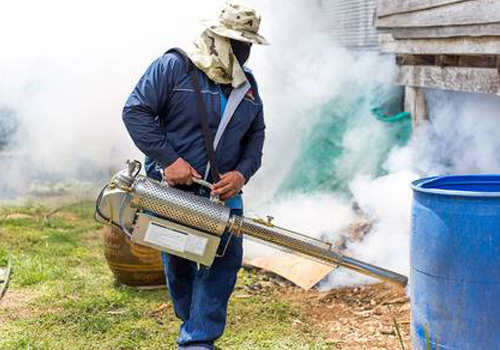
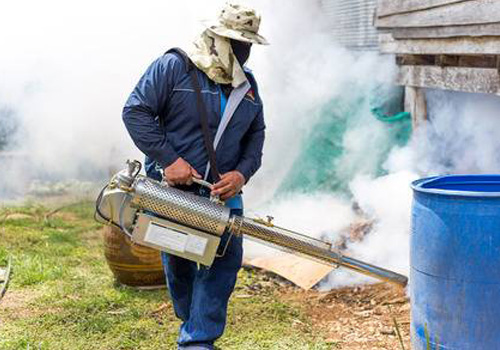
Mosquito control requires a combination approach. Space spraying or fogging targets adult mosquitoes, while larvicides are used in standing water to prevent breeding. Without addressing both stages, the problem persists.
Bedbug treatment must account for faster life cycles due to heat. This often means combining chemical treatment with follow-up visits within a shorter timeframe than in cooler regions.
Termite control is particularly specialized. Surface spraying is ineffective because termites live underground. Proper treatment involves soil application methods such as trenching or drilling, using chemicals designed to create a protective barrier.
A professional fumigator will be able to explain these distinctions clearly and recommend a treatment plan based on the specific pest and environment.
Why Guarantees Should Reflect Coastal Realities
Guarantees in pest control are important, but they must be realistic. In a coastal environment where conditions can quickly reduce the effectiveness of treatments, overly long guarantees may not be practical.
A credible fumigator will offer a guarantee that aligns with how long the treatment is expected to remain effective. For example, shorter guarantee periods for cockroach control in high-moisture areas or structured follow-ups for bedbug treatments are common.
The key is not the length of the guarantee but its clarity. It should be documented and specify what happens if pests reappear within the stated period. This ensures that both the provider and the client understand their responsibilities.
Without a written guarantee, follow-up support becomes uncertain, and the risk of repeated costs increases.
What the Hiring Process Should Look Like
Hiring a fumigator in Mombasa should begin with asking the right questions. A professional provider should be able to confirm their licensing status, describe the treatment method, and provide a clear price.
They should also explain any preparation required before the service. This may include cleaning, decluttering, or exposing specific areas to ensure effective application. Preparation is particularly important in coastal environments where pests have more hiding opportunities.
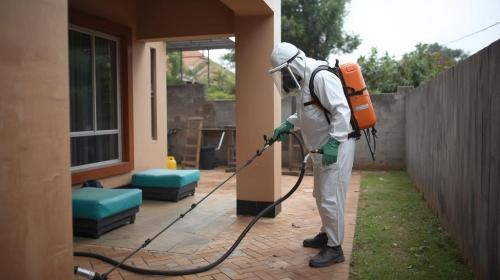
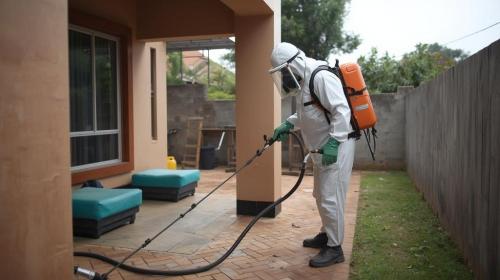
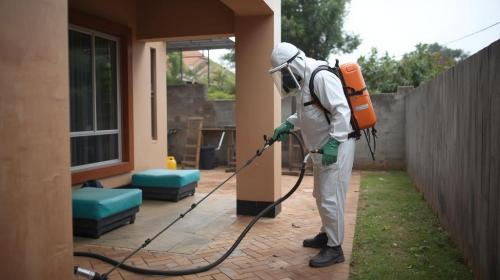
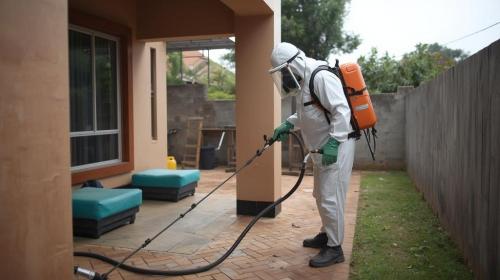
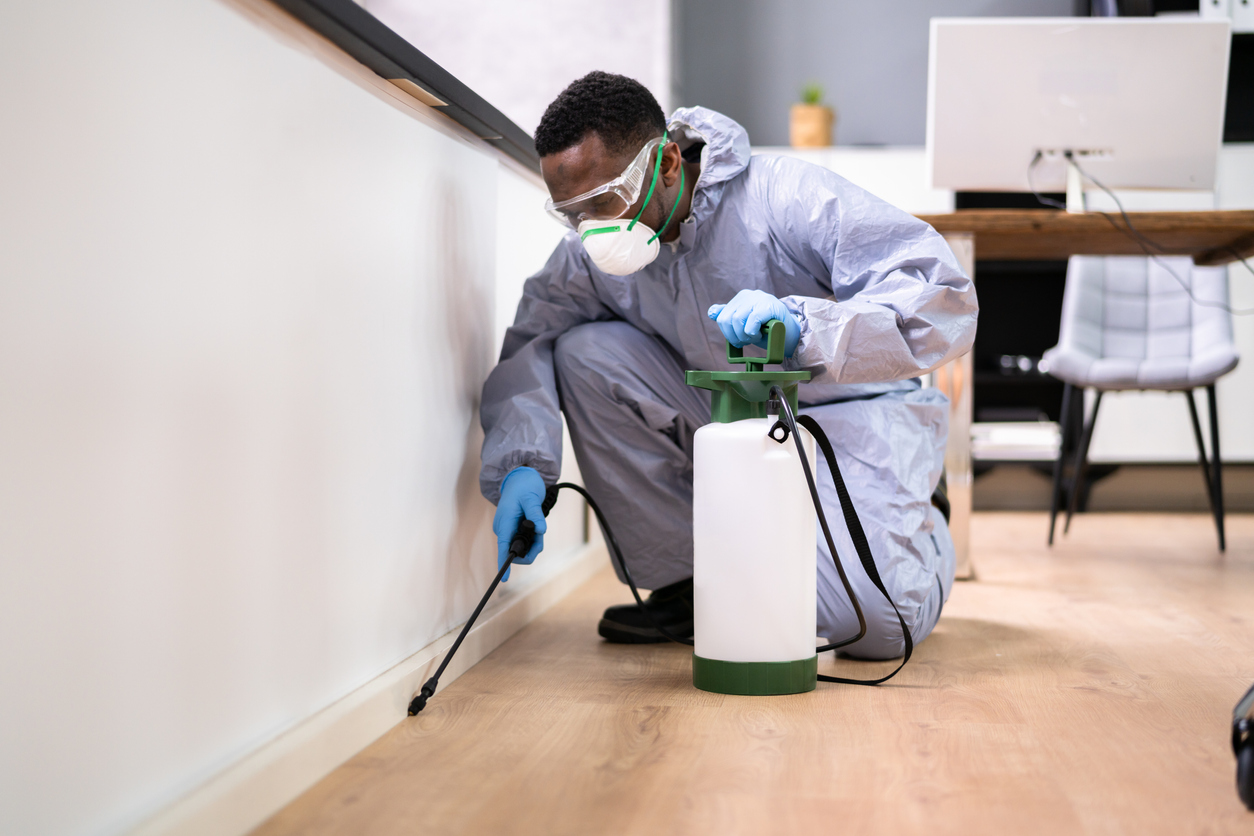
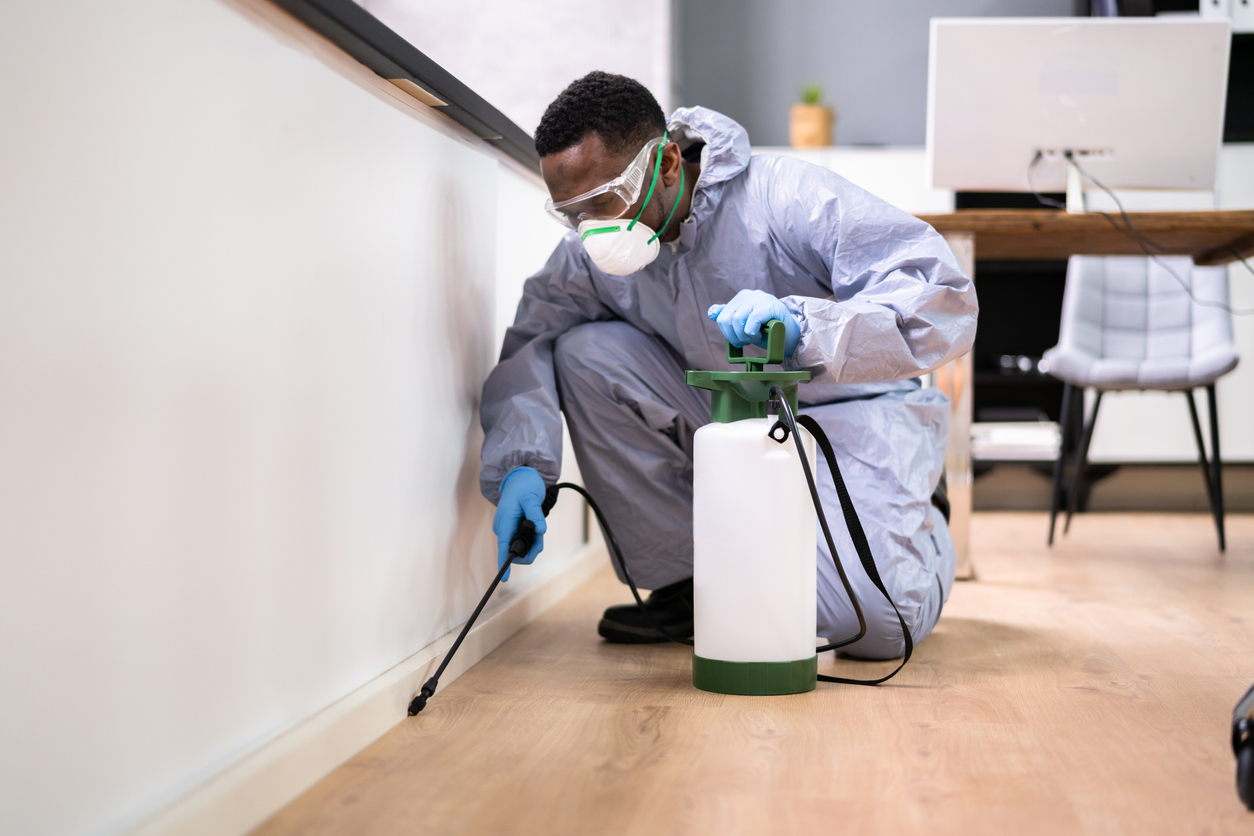
On the day of treatment, the technician should follow proper procedures, including the use of protective equipment and careful application of chemicals. The process should be systematic, targeting areas where pests are most likely to be found.
After the service, documentation should be provided. This typically includes details of the treatment, the chemicals used, and the guarantee period. Keeping this information is essential for follow-up and verification.
Where to Find Reliable Fumigators in Mombasa
Finding a trustworthy fumigator does not have to rely on guesswork. While recommendations from neighbors or local businesses can be helpful, they should be supported by verification.
One option is to consult the registry maintained by the Pest Control Products Board to identify licensed operators. Another is to use structured platforms such as The Real Plug, which connect users with verified service providers and offer transparent information.
These approaches reduce uncertainty and provide a clearer basis for comparison, helping you make a more informed decision.
Conclusion
Hiring a fumigator in Mombasa requires more than just finding someone available. It involves choosing a provider who understands the unique challenges of the coastal environment and is equipped to address them properly.
Focusing on licensing, the correct use of chemicals, and a clear guarantee creates a strong foundation for effective pest control. These elements ensure that the treatment is not only immediate but also sustainable.
In a climate where pests thrive year-round, taking a structured approach to hiring is the best way to avoid repeated costs and ongoing frustration. The right choice from the beginning can make the difference between a temporary fix and a lasting solution.