

Scroll through almost any estate group online and you’ll see it. A short post offering fumigation services, promising to handle everything from cockroaches to bedbugs, followed by a familiar phrase: “DM for price.” No details, no company name, no clear structure. Just an invitation to take the conversation private.
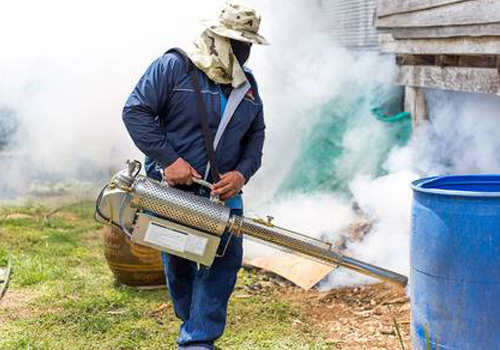
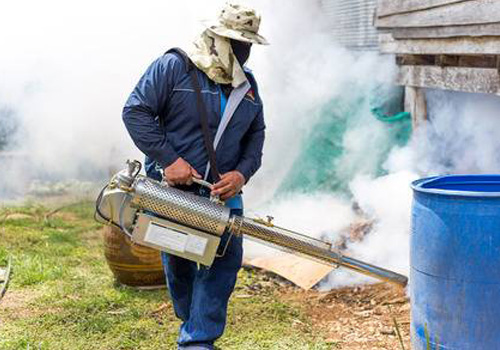
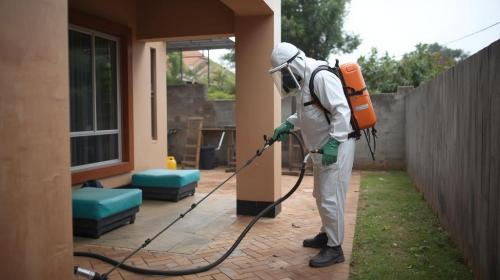
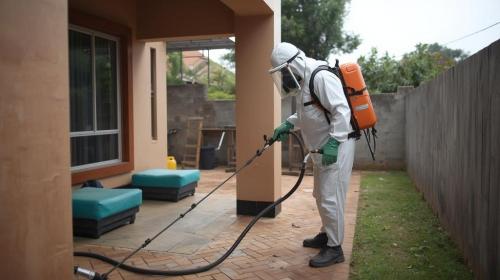
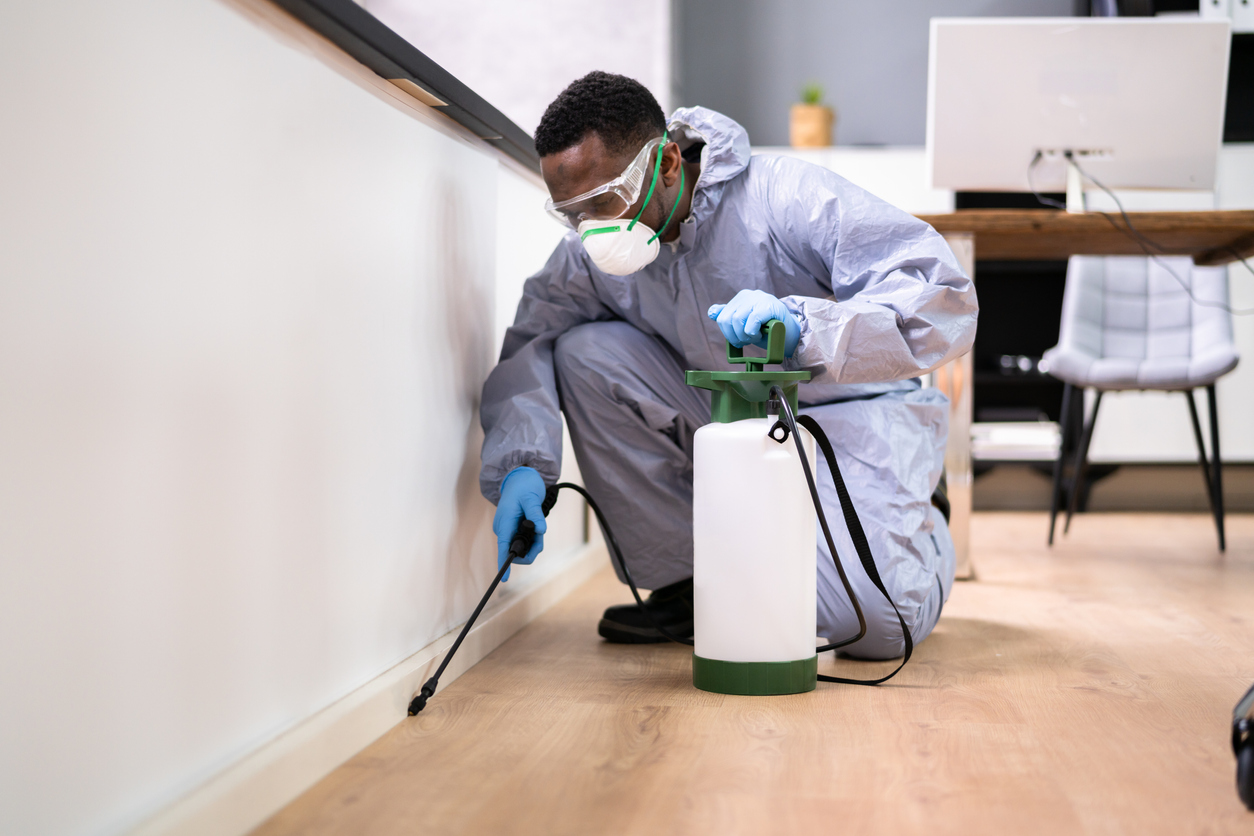
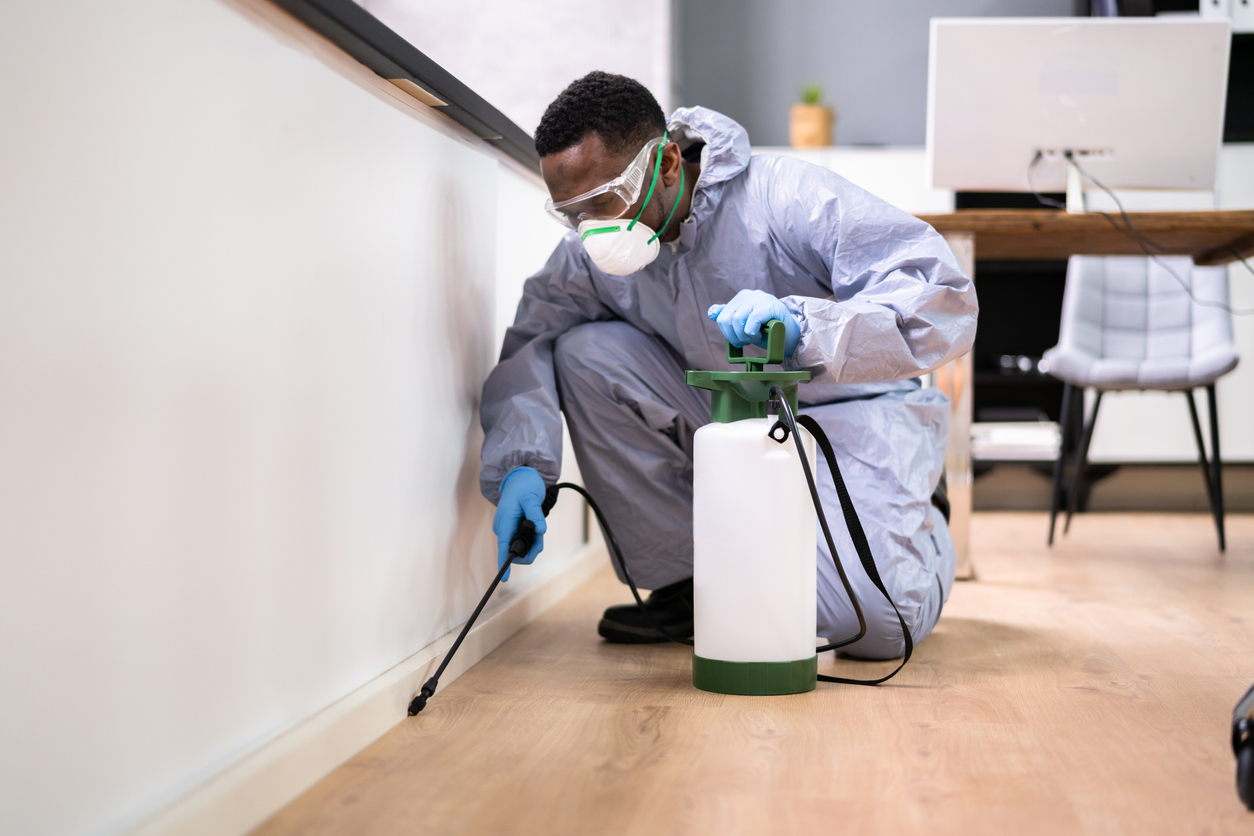
At first, it doesn’t seem like a big deal. You send a message, get a quote, maybe negotiate a bit, and book the service. The fumigator shows up quickly, sprays the house, and leaves behind a strong smell that feels convincing enough. For a few days, things improve. Then slowly, the pests return, sometimes even more visible than before.
This pattern is becoming increasingly common in areas like Nairobi, especially in fast-moving residential zones such as Kilimani and Thika Road. What looks like a simple pricing tactic is often the first signal that the service itself may not be reliable. In pest control, hidden pricing is rarely just about marketing. It usually reflects deeper issues with how the job is done.
Why Transparent Pricing Is a Marker of Professional Pest Control
In a regulated service like pest control, pricing is not arbitrary. It is based on measurable factors such as the size of the space, the type of pest, the level of infestation, and the cost of approved chemicals. Licensed providers understand these variables and are able to give structured, consistent quotes.
When a company openly states its pricing, it signals that the service has been standardized. It also shows confidence in the value being offered. There is no need to adjust the price based on who is asking or how urgent the situation sounds.
By contrast, “DM for price” removes that structure. The quote becomes flexible, not because the job changes, but because the pricing is being adjusted on the spot. Two people with similar homes and pest problems can receive completely different quotes simply based on perception.
For the customer, this creates uncertainty. More importantly, it often means that the pricing is not tied to the actual requirements of the job. When that happens, the quality of the service is usually inconsistent as well.
How Hidden Pricing Often Leads to Under-Treatment
One of the less obvious consequences of unclear pricing is under-treatment. When a fumigator sets a price without assessing the job properly, they are more likely to cut corners during execution.
Pest control is not a one-size-fits-all service. Treating cockroaches is different from treating bedbugs, and both require different products and application methods. Licensed technicians take time to understand the specific problem before determining the appropriate solution.
When pricing is handled casually, that level of assessment is often skipped. The same approach is applied regardless of the pest type or infestation level. This can result in incorrect chemical use or insufficient application, both of which reduce effectiveness.
In some cases, pests are exposed to sub-lethal doses of insecticide. Instead of being eliminated, they survive and adapt. Over time, this can lead to resistance, making future treatments less effective even when done correctly.
The Role of Regulated Chemicals in Long-Term Results
Effective pest control relies on more than just applying a chemical. It depends on using the right product, at the correct concentration, and in the appropriate locations. In Kenya, this process is regulated by the Pest Control Products Board, which approves pesticides and oversees their use.
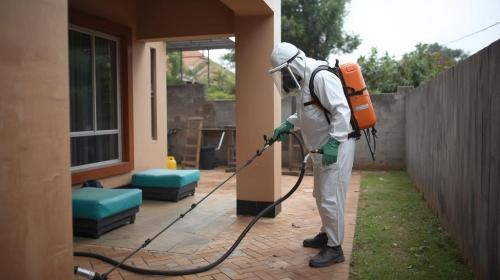
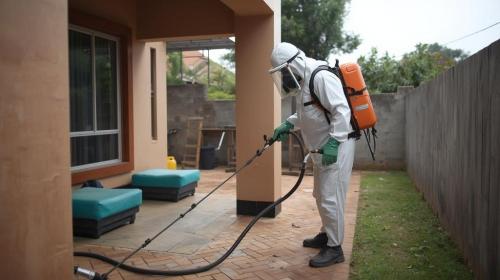
Licensed professionals are required to follow these guidelines. They use products that are designed to target specific pests and provide residual protection, meaning they continue working after application. This is particularly important for pests like bedbugs, whose eggs may hatch days after the initial treatment.
When unregulated or improperly diluted products are used, this residual effect is lost. The treatment may appear effective initially but fails to address the full lifecycle of the pest. This is one of the main reasons infestations return shortly after low-cost fumigation.
Why Lack of Documentation Makes Follow-Up Difficult
Another common feature of “DM for price” services is the absence of formal documentation. Payments are often made through personal mobile money numbers, and no receipt or service report is provided.
At the time, this may not seem important. However, it becomes a problem when the treatment fails. Without written records, it is difficult to prove what service was provided, what was promised, or when it took place.
Licensed pest control services typically include documentation such as invoices and treatment certificates. These records outline the details of the service, including the chemicals used and the guarantee period. They also provide a clear point of reference for follow-up treatments if needed.
In addition to accountability, documentation can be important for property management. Landlords, property managers, and even public health officials may require proof of fumigation, especially in rental or commercial spaces.
The Psychology Behind “DM for Price” and Why It Works
The effectiveness of this pricing tactic is not accidental. It is designed to take advantage of urgency.
Pest problems are uncomfortable and often stressful. When dealing with cockroaches in the kitchen or bedbugs in the bedroom, most people want a quick solution. “DM for price” encourages immediate action by moving the conversation into a private space where decisions are made quickly.
Once the conversation starts, there is a subtle pressure to continue. You have already reached out, received a response, and engaged with the provider. Backing out feels like starting over, so many people proceed even if they have doubts.
This dynamic makes it easier for providers to adjust pricing, introduce additional charges, or avoid answering detailed questions. By the time concerns arise, the service has already been delivered.
How to Approach Pest Control Services More Strategically
Avoiding these issues does not require specialized knowledge. A few simple steps can significantly improve the chances of choosing a reliable provider.
Start by asking for key details before booking. A legitimate pest control service should be able to share its licensing information from the Pest Control Products Board, explain the type of treatment being used, and provide a clear price upfront.
It is also helpful to request information about guarantees. A structured service will include a defined period during which follow-up treatments are provided if the problem persists. This reflects confidence in the effectiveness of the initial treatment.
When these elements are missing or unclear, it is usually a sign to reconsider.
Finding Reliable Alternatives Without the Guesswork
For those looking to avoid the uncertainty of informal listings, platforms like The Real Plug offer a more structured approach. By listing verified professionals with transparent pricing and confirmed credentials, such platforms reduce the risk associated with choosing a service provider.
This allows homeowners to compare options based on clear information rather than relying on private conversations. It also introduces accountability, which is essential for consistent service quality.
In a market where experiences can vary widely, having access to verified information makes a meaningful difference.
Conclusion
“DM for price” may seem like a minor detail, but in pest control, it often signals a lack of structure behind the service. Without clear pricing, proper assessment, and regulated methods, the chances of achieving a lasting solution are significantly reduced.
In areas like Nairobi, where pest issues are a common concern, making informed choices early can prevent repeated costs and frustration. Transparent pricing, verified credentials, and proper documentation are not just formalities. They are indicators of a service designed to solve the problem rather than prolong it.
Choosing a provider who meets these standards increases the likelihood that the treatment will work the first time, saving both time and money in the long run.