

There’s a point where bedbugs stop being a small annoyance and start running your routine. Sleep becomes light, mornings come with new bites, and suddenly you’re checking mattress seams before you even brush your teeth. It doesn’t matter whether you’re in a bedsitter in Roysambu, a one-bedroom in Donholm, or managing an Airbnb in Diani. Once bedbugs settle in, they behave like they belong there.
Most people respond the same way. You look for a fumigator, often quickly, sometimes based on a referral or a post you saw online. The problem is that bedbug control in Kenya isn’t just about finding someone with a sprayer. It’s about understanding what actually works, what doesn’t, and why so many treatments fail after a week or two.
If you get that part right, you solve the problem once. If you don’t, you end up paying for the same job again, usually with more frustration the second time.
Why Bedbugs Keep Coming Back in Kenyan Homes
Bedbugs are different from the pests most people are used to dealing with. Cockroaches stay in kitchens. Mosquitoes come and go. Bedbugs, on the other hand, live exactly where you live. They hide in mattresses, inside bed frames, behind sockets, even in clothes and bags.
What makes them particularly stubborn is their life cycle. The eggs don’t respond to most common pesticides. So even if a fumigator kills every visible bug in your house today, there’s a high chance new ones will hatch within a week.
That’s why many people say “zimerudi” after fumigation. In reality, they never left. The treatment just didn’t break the cycle.
This is also why one-time spraying rarely works. Any proper bedbug fumigation plan in Kenya should include at least two treatments spaced out over time. Without that, you’re dealing with a temporary reduction, not a solution.
What Proper Preparation Looks Like Before Fumigation
Preparation is where most people underestimate the process. It feels like extra work, especially when you’re already stressed, but it’s the part that determines whether fumigation succeeds or fails.
A well-prepared home gives the chemical access to where bedbugs actually hide. Without that, even the best products won’t reach them.
In practical terms, preparation means clearing out hiding spots. Bedding, clothes, and curtains need to be removed and washed using heat. Heat is one of the few reliable ways to kill both bugs and their eggs. Simply washing in cold water won’t do much.
Furniture also needs attention. Beds should be pulled away from walls, mattresses exposed, and seams vacuumed thoroughly. It’s not about making the house look neat. It’s about removing as many bugs and eggs as possible before treatment even begins.
Clutter is another common issue. That pile of clothes in the corner or bags under the bed might seem harmless, but for bedbugs, it’s ideal shelter. If those areas are not addressed, they become the starting point for re-infestation after fumigation.
Most experienced fumigators in Kenya will insist on preparation before they agree to treat your house. If someone is willing to spray without it, that’s usually a sign they’re not focused on long-term results.
What Happens During a Real Bedbug Fumigation
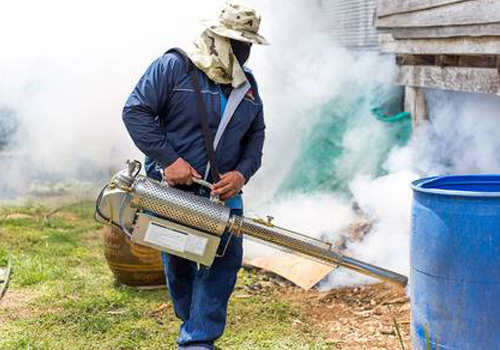
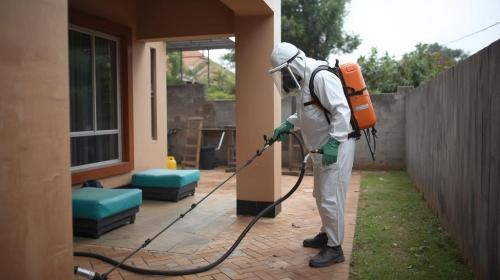
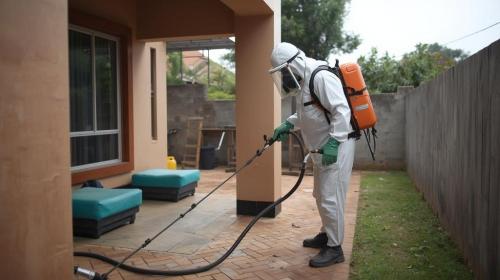
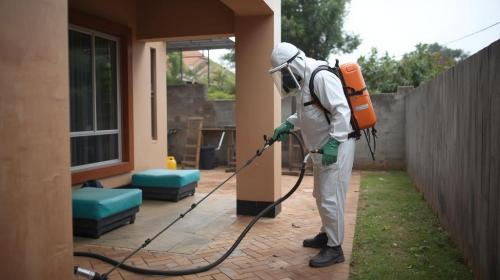
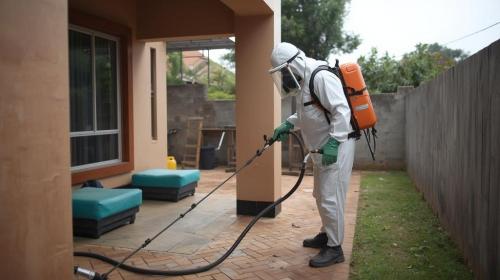
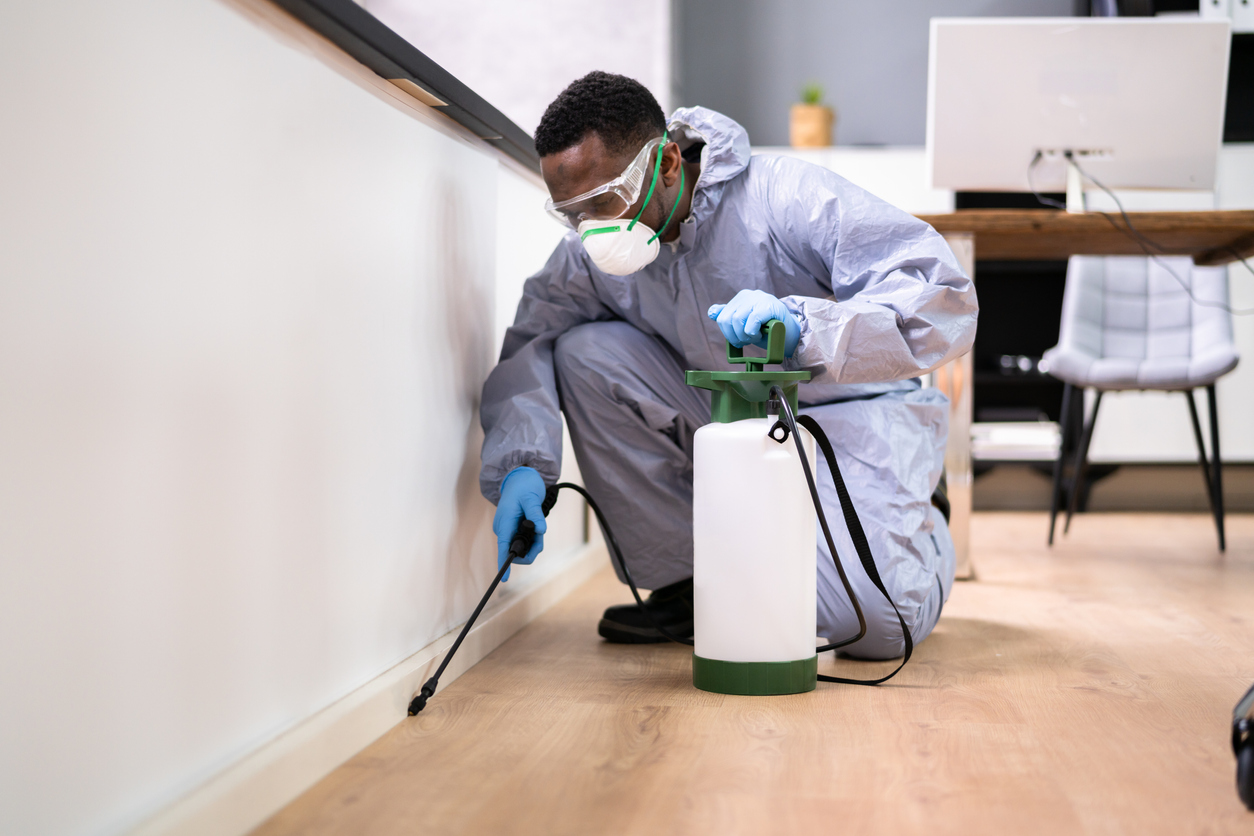
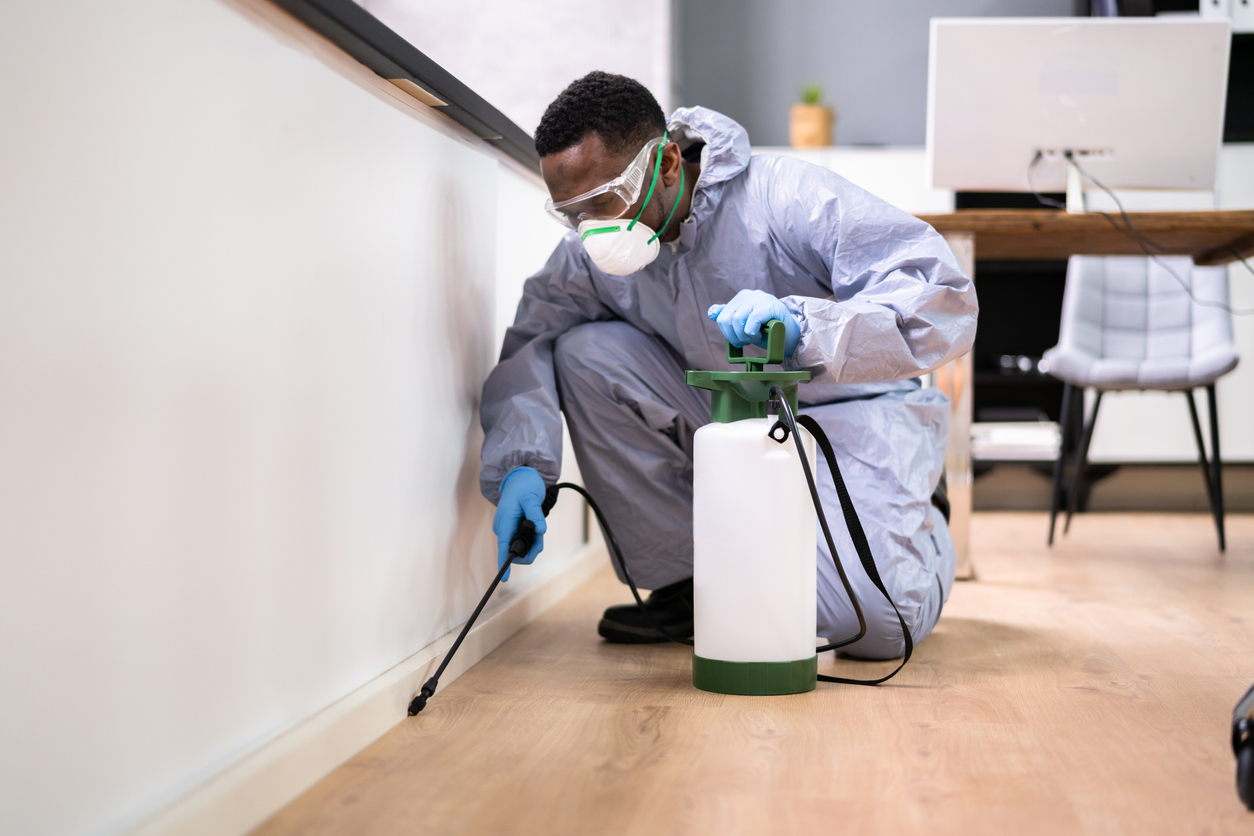
Once preparation is done, the actual fumigation process becomes more targeted. It’s not about spraying everywhere. It’s about treating specific areas where bedbugs are likely to be hiding.
Professionals typically use a combination of chemicals. One targets active bugs, while another, often an insect growth regulator, interferes with the development of eggs and young bugs. This combination is important because it tackles both the current infestation and what’s about to hatch.
Application also matters. Spraying open spaces or the air doesn’t achieve much. The focus should be on cracks, joints, mattress seams, bed frames, and wall edges. These are the areas where bedbugs spend most of their time.
In some cases, especially in high-turnover environments like hostels or short-stay apartments, heat treatment may be used. This method involves raising room temperatures to levels that bedbugs cannot survive. It’s effective, but it requires specialized equipment and careful handling, which is why it tends to cost more.
A follow-up visit is usually scheduled after the first treatment. This second round is meant to deal with any newly hatched bugs before they mature and start laying eggs again.
How Much Bedbug Fumigation Costs in Kenya
Pricing for bedbug fumigation varies depending on several factors, including the size of the house, the severity of the infestation, and whether follow-up visits are included.
For smaller spaces like bedsitters or single rooms, the cost is generally lower but still reflects the need for at least two visits. One-bedroom houses fall in a moderate range, while larger homes or multi-room units naturally cost more due to the additional work involved.
Heat treatment, where used, sits at the higher end of the pricing scale because of the equipment and time required.
What’s important isn’t just the number you’re quoted, but what that price covers. A proper service should include inspection, preparation guidance, at least two treatments, and a defined guarantee period. When those elements are missing, even a cheaper price often leads to higher costs in the long run.
How to Tell If the Treatment Actually Worked
After fumigation, it’s natural to expect immediate relief. In reality, the results tend to show gradually.
In the first few days, you might still notice occasional bugs. These are often ones that have come into contact with treated surfaces and are in the process of dying. What matters is whether activity continues beyond that.
Within two to four weeks, biting should significantly reduce or stop altogether. If new bites keep appearing during this period, it usually means the treatment didn’t fully address the infestation or that some areas were missed during preparation.
By around six weeks, the situation should be clear. No bites, no visible bugs, and no signs like dark spots on bedding or furniture.
Some people use simple monitoring methods, like placing interceptors under bed legs or using light-colored sheets to spot activity. These small checks can give you a clearer picture of whether the problem is truly gone.
Why Guarantees Matter More Than You Think
A guarantee isn’t just a nice extra. In bedbug control, it’s part of the process.
Because eggs can hatch after the first treatment, a follow-up visit is often necessary. A proper guarantee ensures that if activity continues within a certain period, the fumigator will return and handle it without additional charges.
Without a guarantee, any further treatment becomes a new cost. That’s how many people end up paying two or three times for what should have been a single structured job.
Written documentation also matters, especially if you’re renting or running a short-term stay. It provides proof that the issue was handled professionally and can be useful when dealing with landlords or guests.
What to Do If Bedbugs Appear Again
If bedbugs show up again after treatment, the first step is to check whether you’re still within the guarantee period. If you are, the fumigator should handle the follow-up without extra charges.
It’s also worth considering how re-infestation might have happened. Bedbugs often spread through travel, second-hand clothing, or shared spaces. Even after a successful treatment, they can be brought back into the house from outside.
Switching between multiple fumigators or using random sprays in between treatments usually makes things worse. It disrupts the process and can scatter the bugs into new hiding spots.
A more reliable approach is to stick with one structured plan and see it through properly.
Finding a Reliable Fumigator in Kenya
One of the biggest challenges isn’t understanding bedbugs. It’s finding someone trustworthy to handle the job.
The informal nature of the market means almost anyone can offer fumigation services, but not everyone follows proper procedures. That’s why it helps to use platforms that verify service providers before listing them.
For example, The Real Plug connects users with vetted professionals, making it easier to find fumigators who are licensed, experienced, and accountable. Instead of relying on guesswork or quick referrals, you get a clearer picture of what to expect before booking.
That kind of structure reduces the chances of repeat jobs and gives you a better shot at solving the problem in one go.
Final Thoughts on Bedbug Fumigation in Kenya
Bedbugs are frustrating, but they’re not unbeatable. What determines the outcome isn’t luck or how strong a chemical smells. It’s whether the process is handled properly from start to finish.
Preparation removes hiding spots. The right treatment disrupts the life cycle. Follow-up ensures that newly hatched bugs don’t restart the infestation.
When all those pieces come together, the problem ends. When one is skipped, it lingers.
In most Kenyan homes, the difference between sleeping peacefully and dealing with bites for weeks comes down to doing it right the first time.