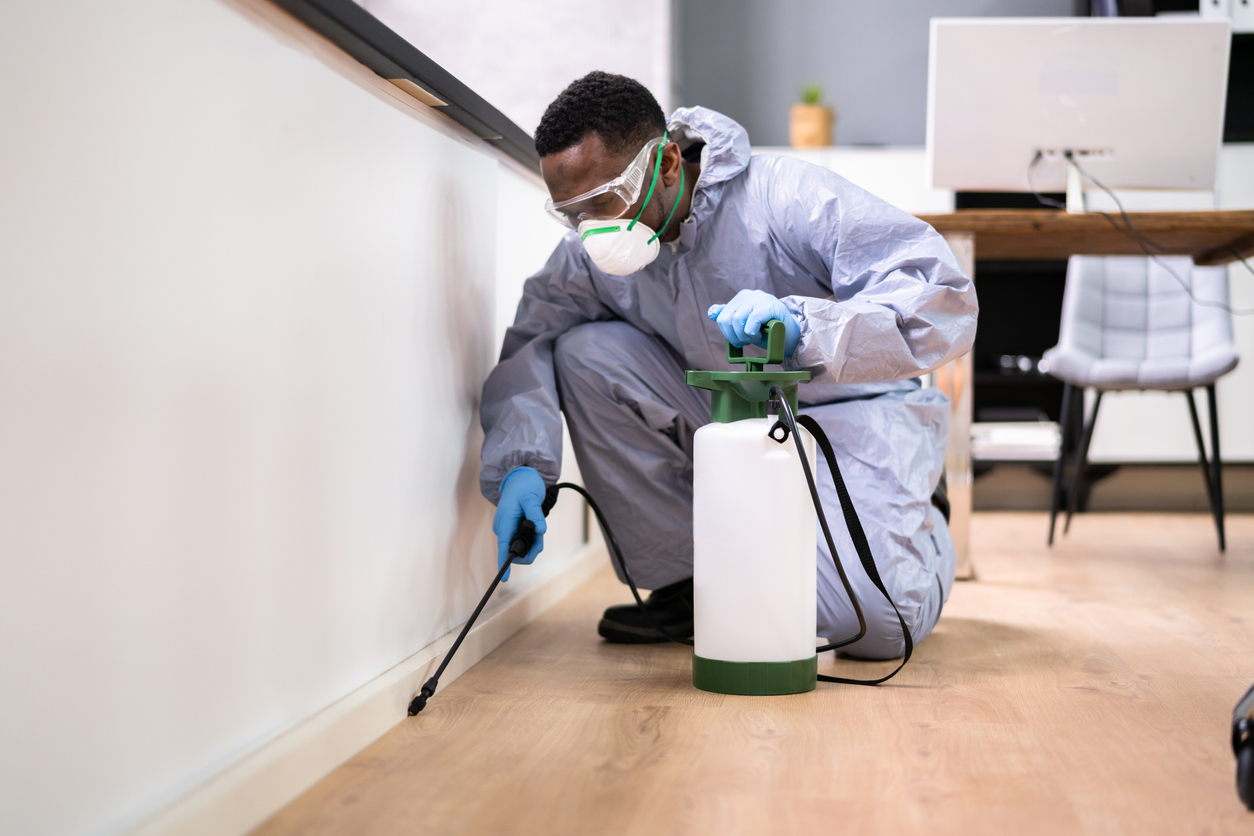


Walk into any busy kitchen in Nairobi or Mombasa just before closing time and you’ll see the real pressure business owners deal with. Orders still coming in, staff trying to wrap up, and somewhere in the background, that quiet worry about hygiene standards. It only takes one customer spotting a cockroach for everything to shift. One photo, one review, and suddenly you’re explaining yourself instead of serving food.
For landlords and Airbnb hosts, it’s not much different. Tenants don’t argue anymore. If they see roaches, they leave or escalate. Guests won’t call you to complain, they’ll just leave a rating that quietly kills your bookings.
That’s why cockroach fumigation in Kenya has moved beyond just “killing mende.” It’s now about compliance, documentation, and consistency. And if you’re running a business or managing rental property, the paperwork matters just as much as the treatment itself.
Why Cockroach Control Is Different for Businesses and Rentals
At home, seeing a cockroach is annoying. In a restaurant, it’s a risk. In a rental, it’s a reputation issue.
The difference comes down to scale and visibility. In commercial kitchens and high-traffic rentals, you’re not just dealing with the occasional large cockroach from the drain. You’re often dealing with German cockroaches. These are smaller, faster, and far more difficult to eliminate. They hide inside appliances, behind tiles, in cabinet hinges, and even inside electrical equipment.
That’s why a quick spray around the kitchen floor rarely solves the problem. You might kill a few visible ones, but the colony remains untouched. Within days, activity resumes, sometimes worse than before.
For businesses, there’s also the legal side. Health inspections in Kenya don’t rely on assumptions. Officers look for evidence. If they find signs of infestation and you don’t have documentation from a licensed provider, you’re exposed. It doesn’t matter if you sprayed last week. Without proof, it doesn’t count.
What Inspectors Expect From Your Pest Control
When public health officers or environmental inspectors visit a restaurant or commercial space, they’re not just looking for visible cleanliness. They want to see a system in place.
One of the first things they check is whether your pest control service is handled by a licensed provider. This is where certification becomes critical. A valid service certificate shows the date of treatment, the type of pest addressed, the chemicals used, and when the next service is due.
They may also ask for supporting documentation, such as chemical safety data sheets. These confirm that the products used are approved for indoor and food-related environments. Using the wrong type of chemical, even if it works temporarily, can create compliance issues.
Beyond documentation, inspectors often look for signs of an ongoing pest management program. This includes bait placement, monitoring traps, and records showing that pest activity is being tracked over time. It’s not about a one-time fix. It’s about demonstrating control.
Why One-Time Spraying Doesn’t Work in Commercial Spaces
It’s tempting to handle cockroach problems reactively. You notice activity, call someone, they spray, and things seem better for a few days. But in restaurants and rentals, that approach rarely holds.
The issue is how cockroaches behave in these environments. In kitchens, they’re drawn to food residue, grease, and moisture. In apartment blocks, they move between units through shared pipes and walls. Even if one space is treated, untreated areas quickly reintroduce the problem.
That’s why effective cockroach control is usually ongoing. Instead of waiting for an infestation, businesses work on a schedule. Regular treatments, combined with monitoring, reduce populations over time and prevent sudden outbreaks.
This is also what inspectors expect to see. A consistent pattern of service shows that pest control is being managed, not ignored until it becomes visible.
The Right Approach to Cockroach Treatment in Kenyan Kitchens
In most Kenyan restaurants, especially in urban areas like Nairobi CBD, Westlands, or Mombasa’s coastal zones, a combination of methods is needed.
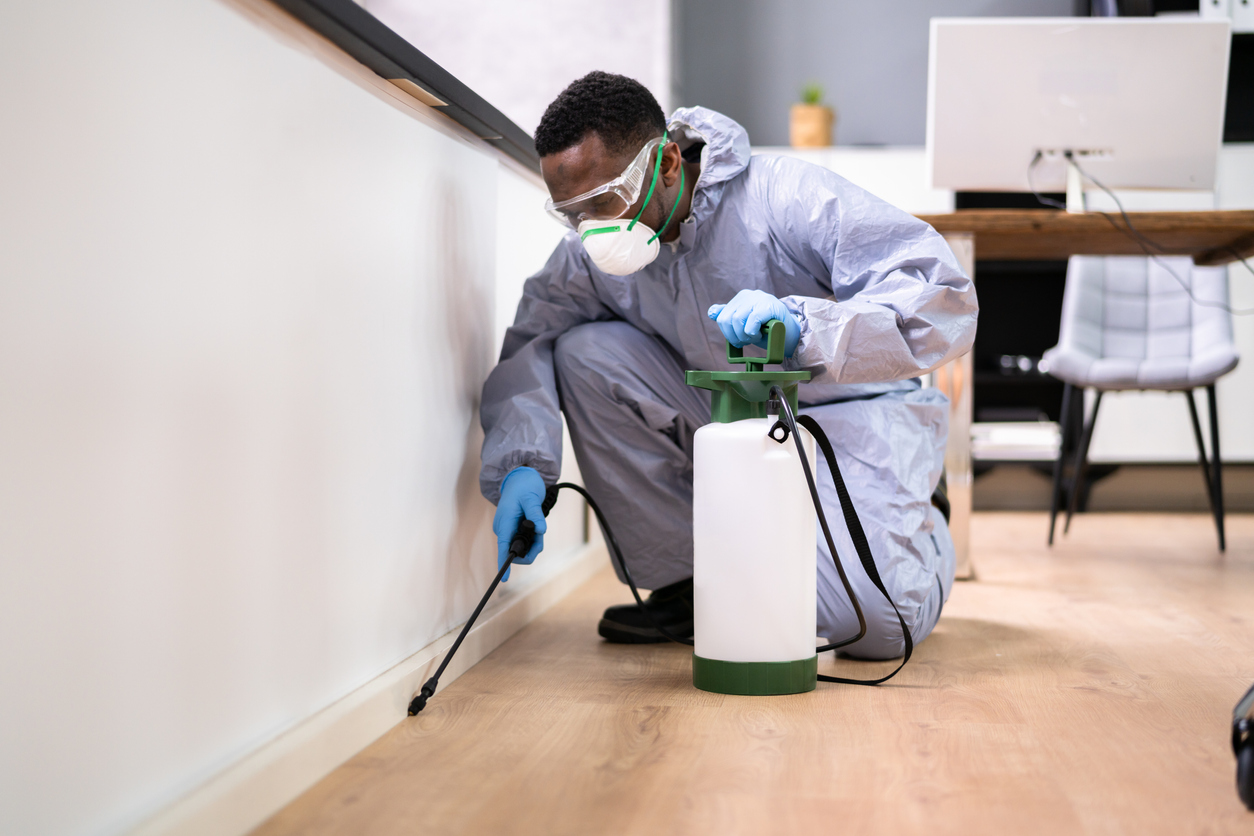
Gel baiting is one of the most effective techniques for German cockroaches. Instead of spraying surfaces, small amounts of bait are placed in strategic locations. The roaches consume it and carry it back to their hiding spots, affecting the rest of the colony.
This method works well in kitchens because it doesn’t rely on surface contact. It also holds up better in environments where regular cleaning might remove sprayed chemicals.
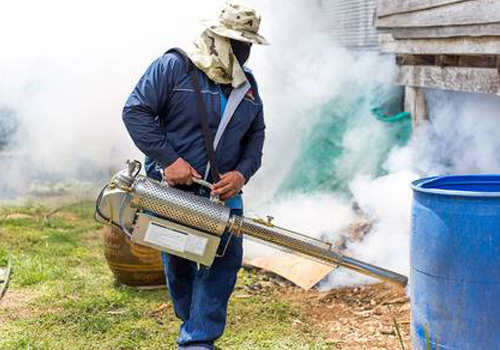
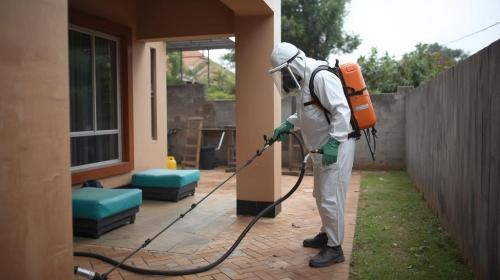
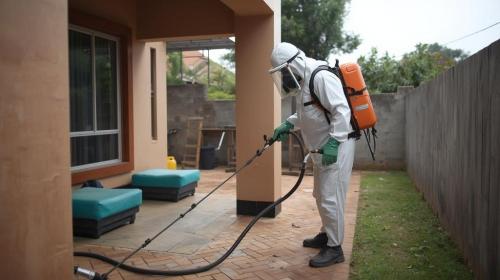
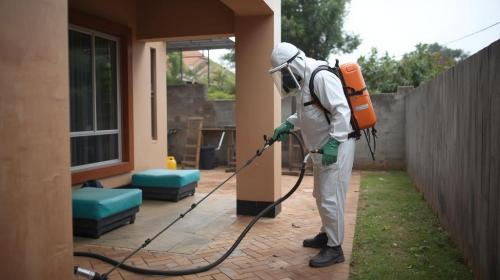
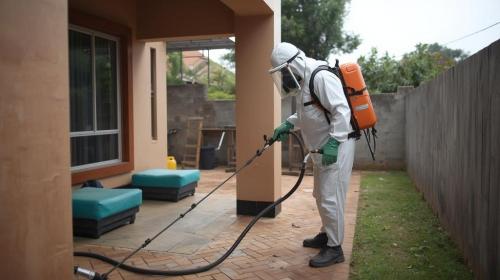
Spraying still plays a role, particularly in drains, external areas, and places where larger cockroach species are active. However, it’s usually part of a broader strategy rather than the main solution.
In coastal areas like Mombasa, humidity adds another layer of complexity. Chemicals break down faster, and moisture supports faster breeding cycles. This often means treatments need to be more frequent compared to drier regions like Nairobi.
How Rentals and Airbnb Properties Fit Into the Picture
Cockroach control isn’t just a restaurant issue anymore. Rentals and short-term stays are increasingly affected, especially in densely populated areas.
In apartment blocks, one infested unit can affect multiple others. Cockroaches move through plumbing systems, electrical conduits, and shared walls. Treating a single unit without addressing the wider environment often leads to recurring problems.
For Airbnb hosts, the challenge is even more immediate. Guests expect hotel-level hygiene. Even a single sighting can result in a negative review that affects future bookings.
This is why many landlords and hosts are shifting toward scheduled pest control rather than waiting for complaints. It’s more predictable, and it reduces the risk of sudden issues during peak occupancy.
What Proper Cockroach Fumigation Costs in Kenya
Costs vary depending on the size of the space and how frequently services are needed.
For restaurants, pricing typically reflects ongoing service rather than one-time treatment. Monthly programs are common, covering inspection, baiting, spraying where necessary, and documentation. Larger kitchens or high-risk environments may require more frequent visits.
In rental properties, pricing is usually structured per unit. Single apartments fall within a moderate range, while larger buildings may benefit from bulk or block treatment rates.
What matters most is what’s included. A proper service should cover both treatment and documentation. If certificates, follow-ups, or monitoring are not part of the package, it’s unlikely to meet compliance standards.
How to Know If Your Pest Control Is Working
Success in cockroach control isn’t just about not seeing bugs. It’s about trends over time.
In a well-managed space, activity should reduce gradually. Monitoring tools, such as sticky traps placed in key areas, help track this. Over a few weeks, the number of captured insects should decline.
Keeping simple records also helps. Noting when and where cockroaches are seen can guide future treatments and demonstrate control during inspections.
For businesses, documentation becomes part of your operational records. For rentals, the absence of complaints and negative reviews is often the clearest indicator.
Choosing a Reliable Pest Control Provider
Finding the right service provider is often the hardest part. The market includes both experienced professionals and informal operators, and the difference isn’t always obvious at first.
A reliable provider should be able to explain their approach clearly, provide documentation, and outline what happens if the problem persists. Transparency is usually a good sign.
Using platforms like The Real Plug can make this process easier. Instead of relying on guesswork, you can access vetted professionals, compare services, and book with more confidence.
This reduces the risk of repeated treatments and helps ensure that the work meets both practical and regulatory expectations.
The Bigger Picture for Kenyan Businesses and Rentals
Cockroach control isn’t just a maintenance task anymore. It’s part of running a responsible business or managing property effectively.
For restaurants, it protects your license and your reputation. For rentals, it protects your occupancy and your reviews. In both cases, it’s something that works best when it’s planned, not rushed.
The shift from quick fixes to structured pest management is already happening across many parts of Kenya. Those who adapt early tend to spend less over time and deal with fewer disruptions.