

If you’ve ever knocked on a door frame and heard that hollow, papery sound, you already know the feeling. It’s not dramatic. No loud damage, no obvious mess. Just quiet destruction happening out of sight. Termites don’t announce themselves. By the time most homeowners in places like Ruiru, Kitengela, Nyali, or even parts of Murang’a notice them, the damage has been going on for months.
And that’s where confusion begins. One fundi says a quick spray will sort it. Another insists you need a full treatment that sounds expensive and invasive. Somewhere in between, you’re left trying to figure out whether you’re fixing the problem or just delaying it.
Understanding the difference between spot treatment and full termite treatment in Kenya isn’t just technical. It’s the difference between solving the issue once or paying for it repeatedly.
Why Termites Are a Different Kind of Problem
Unlike cockroaches or bedbugs, termites aren’t interested in your food or your mattress. They’re after the structure itself. Timber frames, doors, roofing beams, even built-in cabinets become their feeding ground.
What makes them particularly tricky in Kenya is the environment. Warm temperatures, seasonal rains, and varied soil types create ideal conditions almost everywhere. Coastal regions like Mombasa and Kilifi deal with constant moisture, while inland areas like Nairobi and Kiambu still provide enough warmth and soil contact for colonies to thrive.
The real issue is that most of the colony lives underground. What you see on the wall or skirting is just a small fraction of the activity. That’s why surface-level solutions often fail.
Spot Treatment: When It Makes Sense
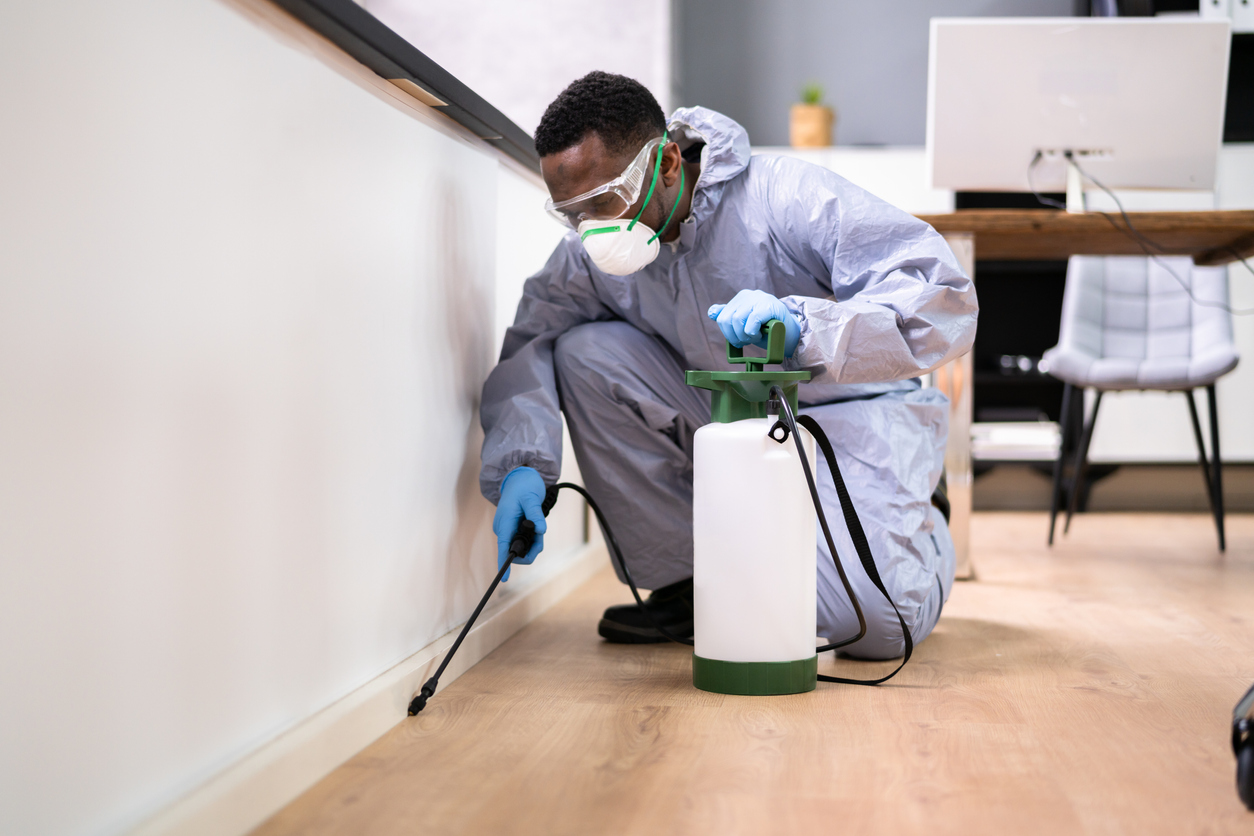
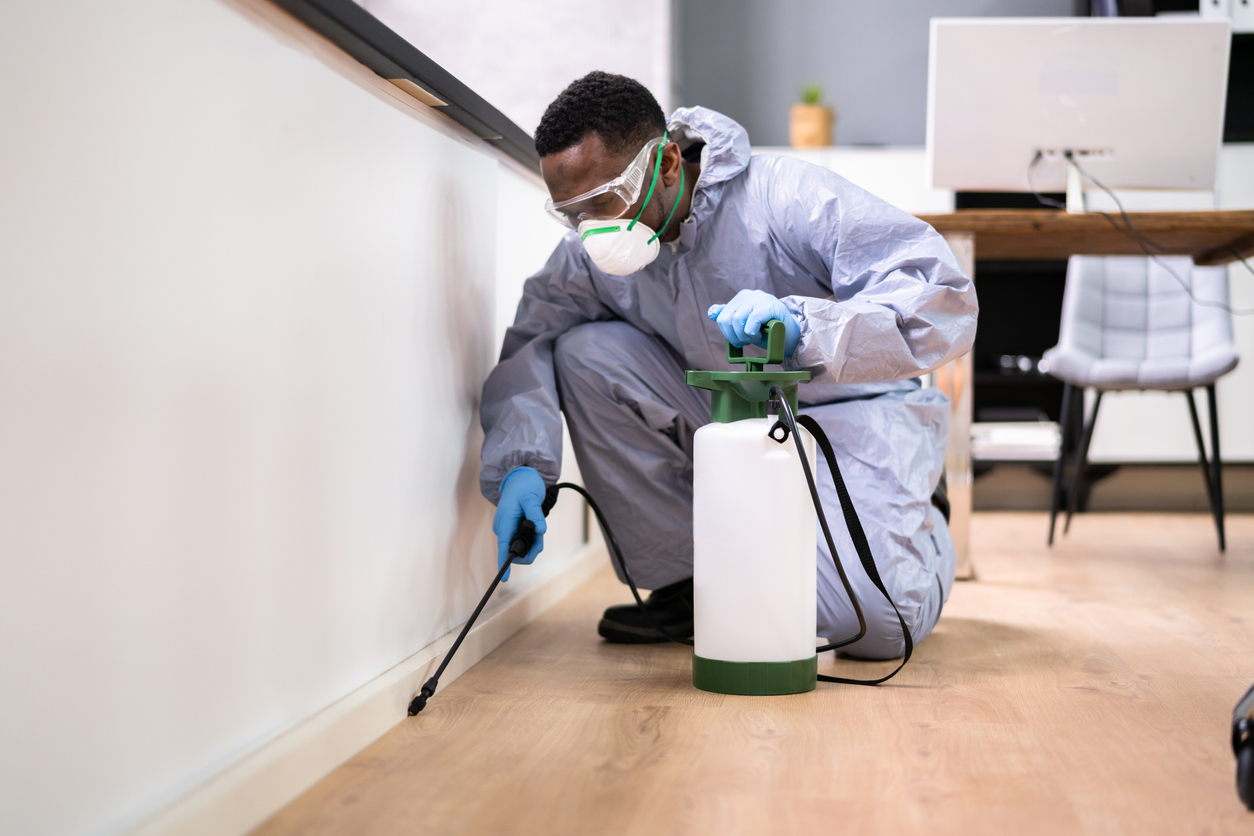
There are situations where spot treatment is not only appropriate but efficient. If termites are isolated to a specific piece of furniture or a clearly defined area, targeted intervention can work.
In older homes, especially along the coast in places like Lamu or Old Town Mombasa, drywood termites are relatively common. These termites live entirely within the wood, without needing soil contact. In such cases, drilling into the affected timber and applying a controlled pesticide can eliminate the infestation without affecting the rest of the structure.
Similarly, if you catch a problem early and it’s limited to a small section, a professional may recommend spot treatment as a first response. It’s quicker, less disruptive, and more affordable in the short term.
But here’s where many people get it wrong. Spot treatment is not designed to eliminate large or hidden colonies. It’s a targeted fix, not a long-term solution.
When Spot Treatment Falls Short
For most Kenyan homes, especially newer builds in areas like Joska, Syokimau, or Bamburi, the problem isn’t isolated. Subterranean termites are the dominant species, and they operate from the soil upward.
You might treat one visible area, only for the termites to reappear a few weeks later in a different spot. That’s not a new infestation. It’s the same colony finding another route.
This is why relying on repeated spot treatments can become expensive over time. Each visit addresses the symptom, not the source. The colony remains active underground, continuously feeding and expanding.
If you’ve treated the same issue more than once and it keeps returning, that’s usually a sign that a deeper intervention is needed.
Full Termite Treatment: What It Really Involves
Full termite treatment in Kenya is often misunderstood. It’s sometimes loosely referred to as “fumigation,” but in practice, it’s more about creating a barrier between the structure and the soil.
For new constructions, this is done before the foundation is laid. The soil is treated with a termiticide, forming a protective layer that prevents termites from entering the building. This is common in areas like Kitengela, Athi River, and parts of Nakuru where new developments are expanding quickly.
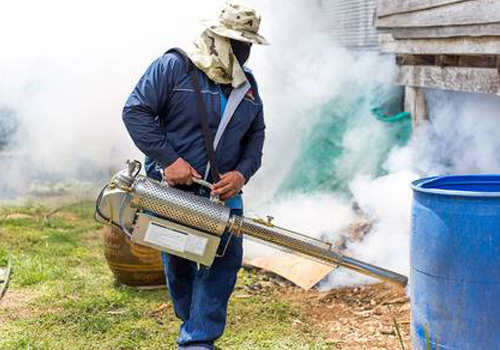
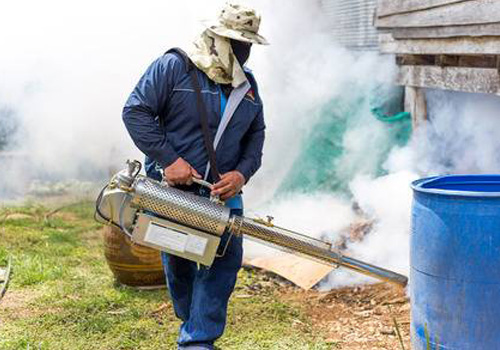
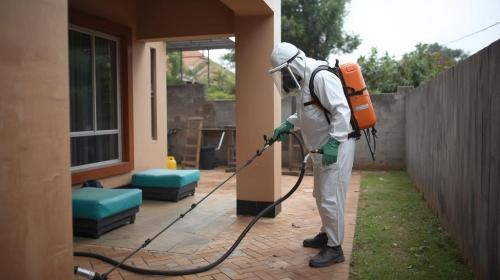
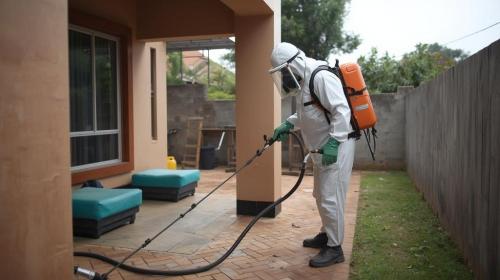
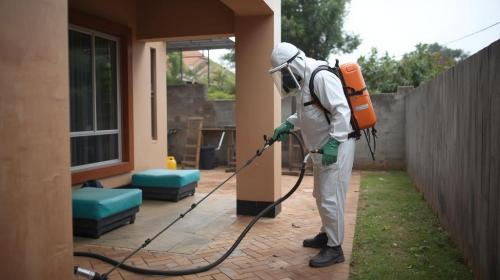
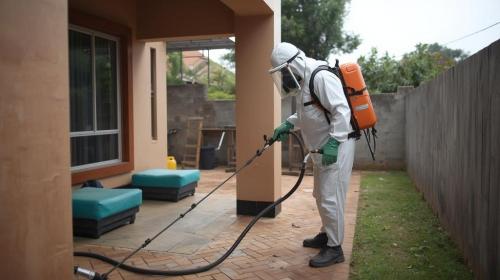
For existing homes, the process is more involved. It typically includes drilling along the perimeter of the house, injecting treatment into the soil, and sometimes trenching around the foundation. The goal is to cut off access between the termite colony and the building.
It’s not a quick job, and it’s not cheap. But it’s designed to last for several years when done correctly.
The Cost Factor: Why Prices Vary So Much
One of the biggest sources of confusion for property owners is pricing. You might get a quote for Ksh5,000 from one provider and Ksh40,000 from another for what seems like the same service.
The difference usually comes down to scope. A lower quote often covers surface-level treatment. Higher quotes reflect full soil treatment, including labor, materials, and long-term protection.
In Kenya today, pre-construction termite treatment typically ranges between Ksh120 and Ksh250 per square meter, depending on the location and soil conditions. Post-construction treatments for an average home can range from Ksh20,000 to Ksh80,000 or more.
While that might seem steep, it’s worth comparing it to the cost of replacing structural timber, doors, or roofing, which can easily run into hundreds of thousands of shillings.
Coastal vs Inland Considerations
Location matters more than many people realize. A treatment approach that works in Nairobi may not perform the same way in Mombasa.
Coastal regions deal with higher humidity and sandy soils, which can affect how chemicals behave. Treatments may require higher volumes or more frequent monitoring. Inland areas with clay-heavy soils may retain treatment longer but still require proper application.
A technician familiar with local conditions will adjust the method accordingly. This is one of those details that separates experienced professionals from general service providers.
The Role of Wood Treatment
Even with proper soil treatment, wood itself still needs protection. This is often overlooked, especially in renovations or smaller construction projects.
Timber used for roofing, door frames, or built-in furniture should be treated before installation. This helps prevent both termite damage and other wood-boring insects.
For existing structures, targeted wood treatment can be included as part of a broader termite control plan. It adds an extra layer of defense, particularly in areas where moisture is present.
Guarantees and Documentation: What to Expect
A professional termite treatment service should always come with clear documentation. This typically includes details of the chemicals used, the areas treated, and the duration of the guarantee.
In Kenya, many reputable providers offer warranties ranging from one to five years for full treatments. These guarantees are not just marketing tools. They reflect confidence in the method used and provide peace of mind for property owners.
If a service comes without any written record or follow-up terms, it’s worth questioning how accountable the provider will be if the problem returns.
How to Decide What You Actually Need
The decision between spot treatment and full treatment comes down to diagnosis. That’s why a proper inspection is essential.
If the issue is localized and clearly identified, a targeted approach may be enough. But if there are signs of widespread activity, such as multiple entry points, mud tubes, or recurring damage, a comprehensive solution is usually the better investment.
It’s also worth considering the stage of the property. New builds benefit most from preventive treatment, while older homes may require corrective measures.
The Bigger Picture: Long-Term Protection
Termites are not a one-time problem. Even after successful treatment, regular inspections are important, especially in high-risk areas.
For landlords, developers, and homeowners alike, termite control should be seen as part of routine property maintenance, not an emergency fix.
Taking the time to understand the difference between quick fixes and long-term solutions can save significant costs down the line. More importantly, it protects the integrity of the building itself.
Final Thoughts
Termite treatment in Kenya isn’t about choosing the cheapest option or the fastest fix. It’s about matching the solution to the problem.
Spot treatment has its place, especially for minor or isolated issues. But for most structural infestations, especially those involving soil-dwelling termites, full treatment offers the level of protection needed to stop the problem at its source.
When in doubt, focus on the fundamentals. Proper inspection, appropriate treatment method, and clear documentation. Those three factors will always matter more than the promise of a quick fix.