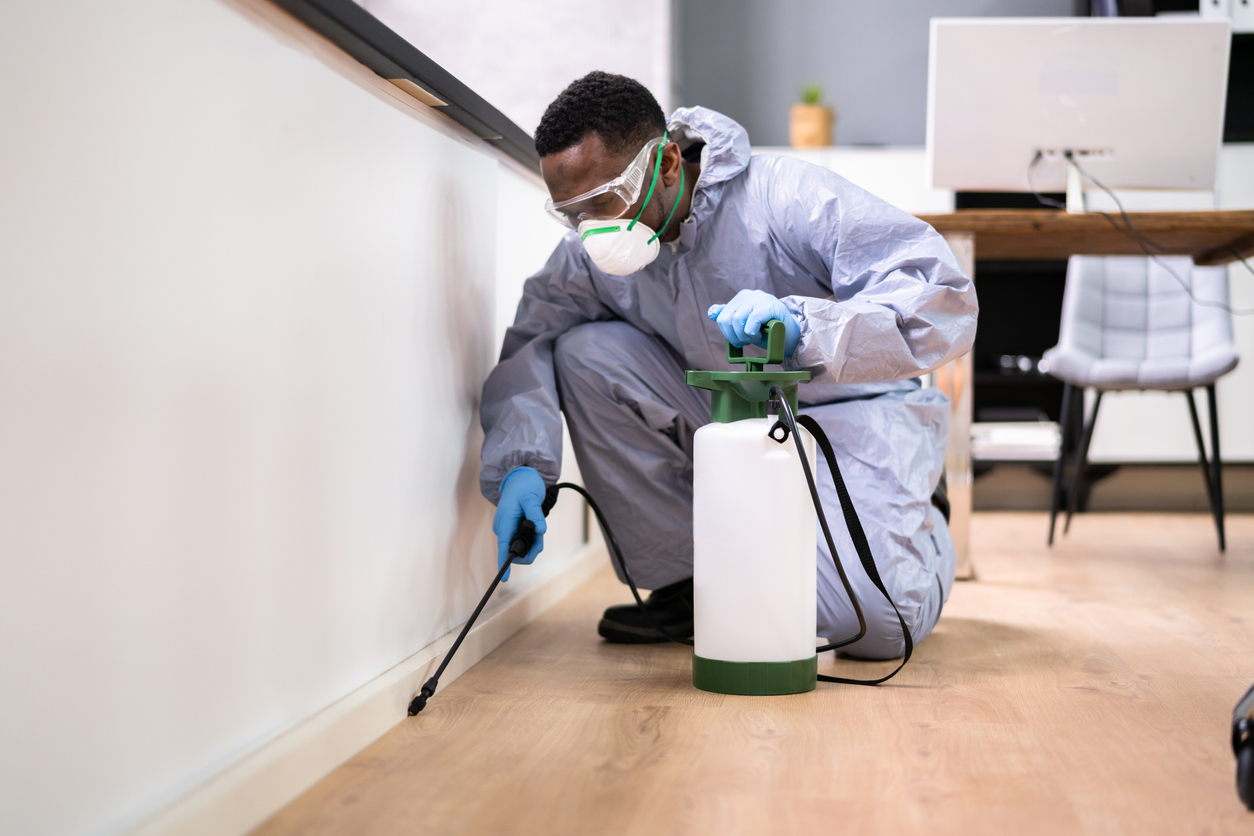


Late at night, when a complaint lands in your inbox or a review drops your rating, the instinct is to fix it quickly. Maybe a guest in Diani mentions seeing a cockroach. Maybe your team in Westlands starts complaining about bites. You search for fumigation services, make a few calls or send a few messages, and within minutes you have options promising fast results and “no disruption.”
That promise sounds convenient, but in a business setting, it’s often where the real risk begins. Offices and Airbnbs operate under a different level of scrutiny compared to homes. You’re not just solving a pest problem. You’re managing health standards, legal exposure, and continuity of operations.
Choosing the right fumigator in Kenya, especially for a commercial space or short-term rental, requires a more deliberate approach.
Why Offices and Airbnbs Require a Different Approach
At home, fumigation is mostly about comfort. In an office or Airbnb, it becomes a matter of compliance and responsibility. Staff expect a safe working environment. Guests expect clean, hygienic spaces. Regulators expect documentation.
In offices, particularly in areas like Upper Hill or Westlands, the presence of pests can quickly escalate into a workplace safety concern. Employees may report symptoms, and agencies like the Directorate of Occupational Safety and Health can step in if there’s evidence of unsafe chemical use.
Airbnbs come with their own pressures. A single negative review mentioning pests can significantly affect bookings. Unlike long-term tenants, short-term guests are quick to document and share their experiences. One incident can ripple across platforms and impact occupancy rates for months.
Because of this, pest control in these environments isn’t just about elimination. It’s about doing it safely, discreetly, and with minimal interruption.
What Professional Commercial Pest Control Looks Like
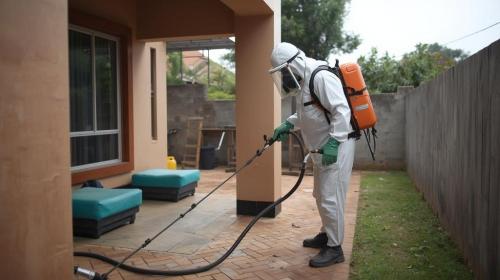
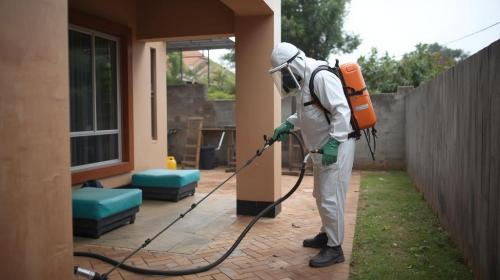
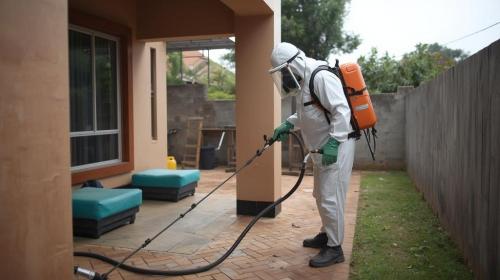
A qualified pest control provider working in offices or hospitality spaces doesn’t approach the job as a one-time spray. Instead, they operate within what’s known as an Integrated Pest Management approach.
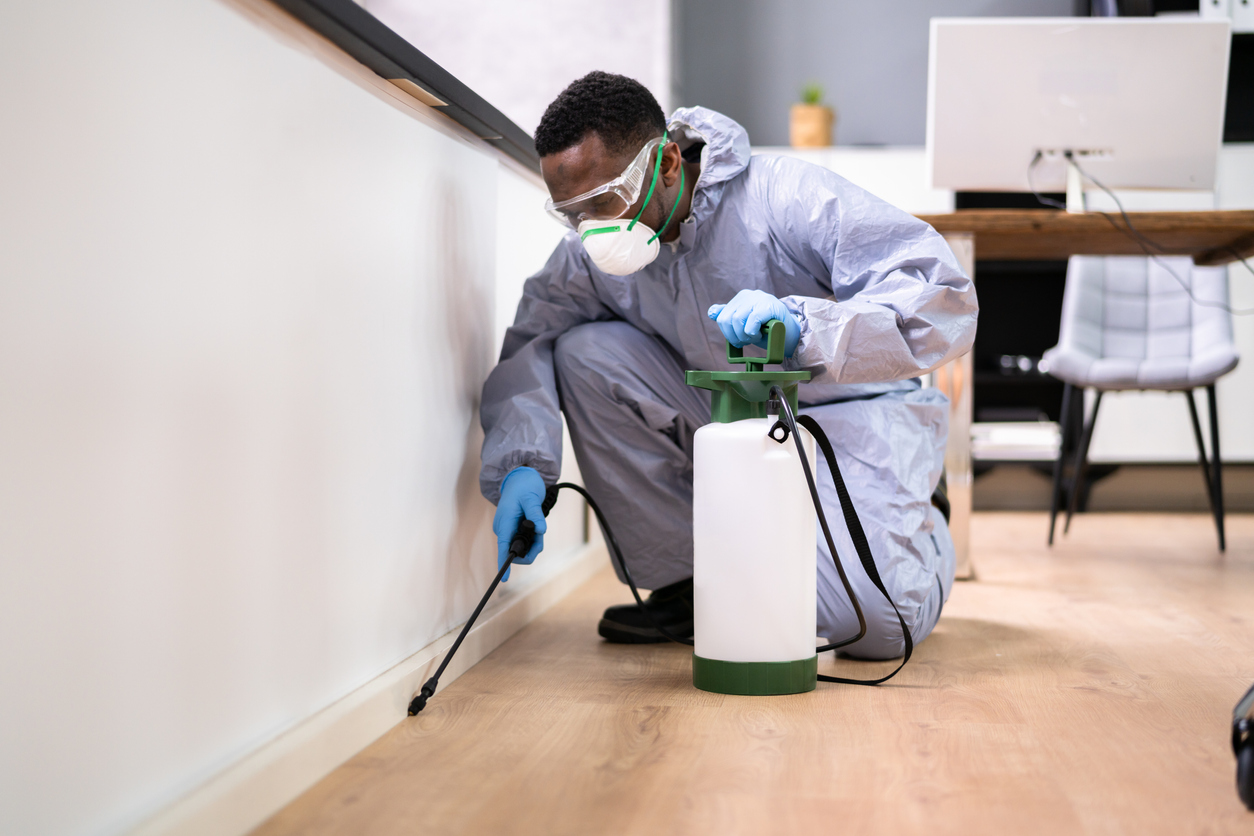
This means combining different methods such as targeted treatments, monitoring, and scheduled follow-ups rather than relying on a single application. In practice, this might involve placing gel baits in strategic areas, using low-odor treatments in cracks and crevices, and setting up monitoring traps to track activity over time.
The goal is to control pests without disrupting the environment. In an office, that means no lingering chemical smell in meeting rooms. In an Airbnb, it means a guest can check in without noticing any recent treatment.
Health and Safety Should Always Come First
One of the most overlooked aspects when hiring a fumigator is the type of chemicals being used. In a residential setting, strong treatments might be manageable because occupants can vacate for a few hours. In a business setting, that’s not always possible.
Modern pest control in Kenya, especially for commercial spaces, relies on products that are approved for indoor use and have low toxicity levels for humans. These are typically odorless or have minimal scent, and they allow for quick re-entry into the space.
A professional provider should be able to explain exactly what they’re using and provide documentation such as Safety Data Sheets. This isn’t just technical paperwork. It’s part of ensuring that your staff, guests, and even your cleaning teams are not exposed to unnecessary risk.
If a provider is vague about the products or avoids sharing details, that’s usually a sign to reconsider.
Managing Disruption in Busy Environments
Time is often the biggest constraint for offices and Airbnbs. An office can’t simply shut down for an entire day without affecting productivity. An Airbnb, especially in high-demand areas like Kilimani or Nyali, may only have a few hours between check-out and check-in.
This is where experience in commercial pest control becomes critical. A seasoned provider will plan around your schedule. For offices, treatments are often done after working hours or over the weekend. Sections of the space may be handled in phases to ensure minimal interruption.
For Airbnbs, the approach is even more precise. Treatments are designed to fit within short turnover windows. This might involve targeted applications that dry quickly and don’t require extended ventilation periods.
The difference is subtle but important. It’s not just about getting the job done. It’s about doing it in a way that doesn’t interfere with your operations or guest experience.
The Importance of Documentation and Compliance
In Kenya, pest control for commercial spaces is not just a service. It’s part of regulatory compliance. Agencies such as NEMA and county public health departments may require proof that pest control measures are in place.
For offices, this often ties into broader occupational health standards. For Airbnbs, it becomes relevant when handling disputes or complaints. Being able to show that you’ve engaged a licensed provider and followed proper procedures can make a significant difference.
A professional fumigator should provide a service report or certificate after each visit. This document typically includes details of the treatment, the products used, and the recommended follow-up schedule.
Keeping these records is not just about compliance. It also helps you track patterns and plan preventive measures.
Understanding Pricing in a Commercial Context
One of the most common misconceptions is comparing commercial fumigation costs to residential ones. The two are fundamentally different.
In a home, a single treatment might be sufficient for a specific issue. In an office or Airbnb, pest control is often ongoing. It involves regular monitoring, scheduled treatments, and the flexibility to respond quickly if a problem arises.
As a result, pricing is usually structured as a service plan rather than a one-time fee. Offices may have monthly or quarterly arrangements depending on size and risk level. Airbnbs may combine periodic preventive treatments with on-call support.
While this may seem more expensive upfront, it often proves more cost-effective in the long run. Preventing a problem is always cheaper than dealing with its consequences, especially when reputation and operations are involved.
Red Flags to Watch Out For
Not every provider is equipped to handle commercial spaces, even if they claim to be. There are a few warning signs that can help you filter out unsuitable options.
A lack of clear documentation is one. If a provider cannot show licensing or provide details about their methods, it raises questions about their professionalism.
Another is an overly simplistic approach. Statements like “we’ll finish everything in one visit” may sound appealing, but they rarely reflect the reality of effective pest management in larger or more complex environments.
Finally, payment arrangements can also be telling. Established providers typically operate under registered business structures with formal invoicing. Informal transactions may indicate a lack of accountability.
Making the Right Choice for Your Business
Choosing a fumigator for an office or Airbnb in Kenya is less about speed and more about suitability. The right provider understands the unique demands of your environment and tailors their approach accordingly.
It starts with asking the right questions. What methods do they use? How do they minimize disruption? What documentation will they provide? Have they handled similar spaces before?
Taking the time to evaluate these factors can save you from repeated treatments, operational disruptions, and potential compliance issues.
Final Thoughts
Pest control in a business setting is not just a maintenance task. It’s part of your overall risk management strategy. Whether you’re running an office in Nairobi or managing an Airbnb along the coast, the goal is the same. Keep the space safe, maintain your reputation, and ensure continuity.
The temptation to go for the quickest or cheapest option is understandable, especially when the pressure to act is immediate. But in the long run, a thoughtful, professional approach will always deliver better results.
A well-chosen fumigator doesn’t just solve a problem. They help you avoid the next one entirely.