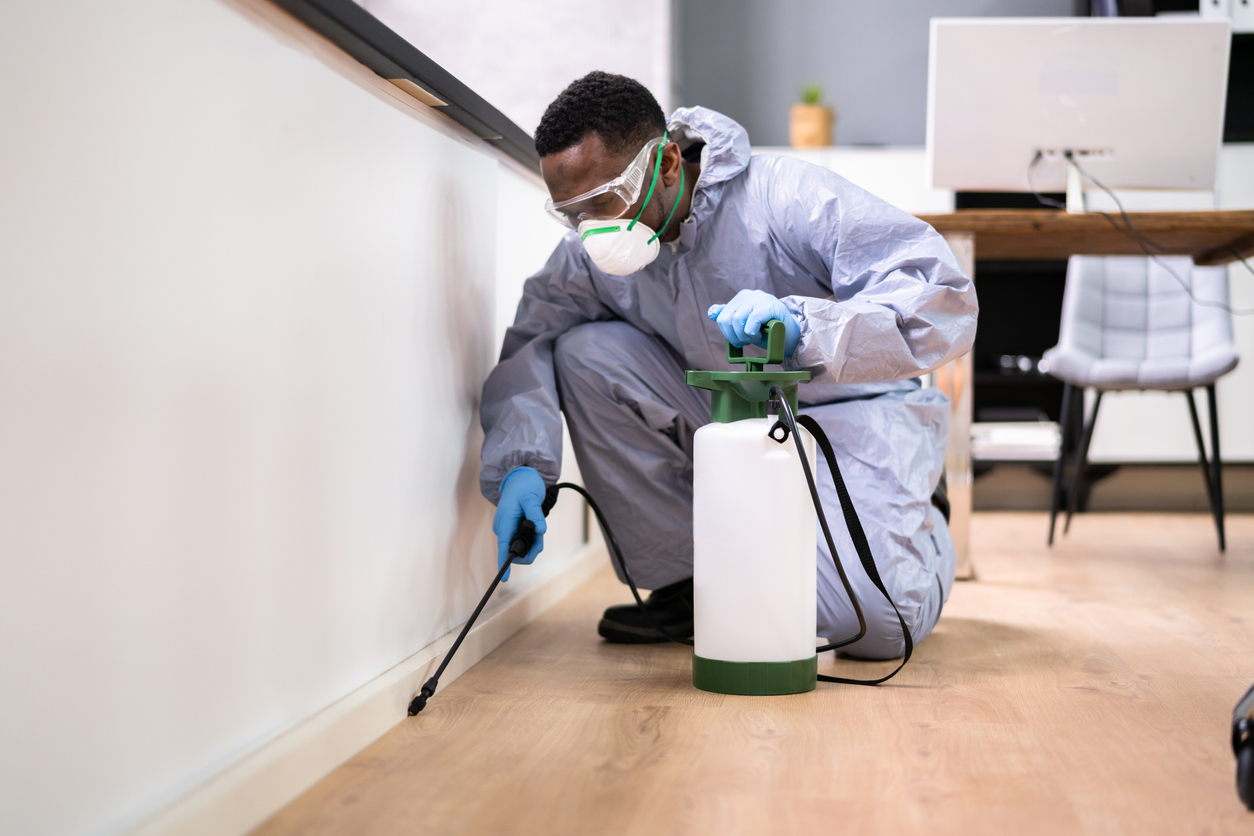


If you’ve ever hired a fumigator and still found yourself dealing with cockroaches two weeks later or waking up with fresh bites, you’re not alone. It’s a common experience across many Kenyan homes and businesses, from Nairobi apartments to coastal villas in Diani. The issue is rarely that fumigation doesn’t work. It’s that what was delivered wasn’t a complete service.
Professional fumigation is not just about spraying chemicals and leaving. It’s a structured process designed to eliminate pests effectively and prevent them from coming back. When done properly, it involves preparation, targeted treatment, proper documentation, and a follow-up plan.
Understanding what each of these steps involves helps you know what you’re paying for and how to tell whether the job was done right.
Why Preparation Is the Foundation of Effective Fumigation
Before any chemical is applied, preparation determines whether the treatment will succeed or fail. This is the part many people underestimate, yet it’s often the most important.
A professional fumigation service begins with clear instructions tailored to the specific pest problem. For cockroach infestations, you may be asked to empty kitchen cabinets, move appliances away from walls, and clear under-sink areas. For bedbugs, preparation typically involves stripping bedding, sealing clothes in bags, vacuuming mattress seams, and creating space around furniture.
These steps are not just routine. They expose hiding spots where pests live and breed. Without proper preparation, large portions of the infestation remain untouched. Chemicals cannot penetrate sealed items, cluttered spaces, or hidden compartments.
In coastal areas like Mombasa or Kilifi, preparation may also include ensuring fabrics are completely dry and minimizing damp conditions that allow pests to thrive. In Nairobi, where dust can interfere with chemical effectiveness, thorough cleaning becomes even more critical.
A reliable fumigator will provide these instructions in advance and may even reschedule the appointment if preparation has not been done properly. This is not inconvenience. It’s a sign they are focused on delivering results rather than just completing a visit.
What Happens During the Actual Treatment
The treatment phase is what most people associate with fumigation, but there’s more to it than simply spraying a room.
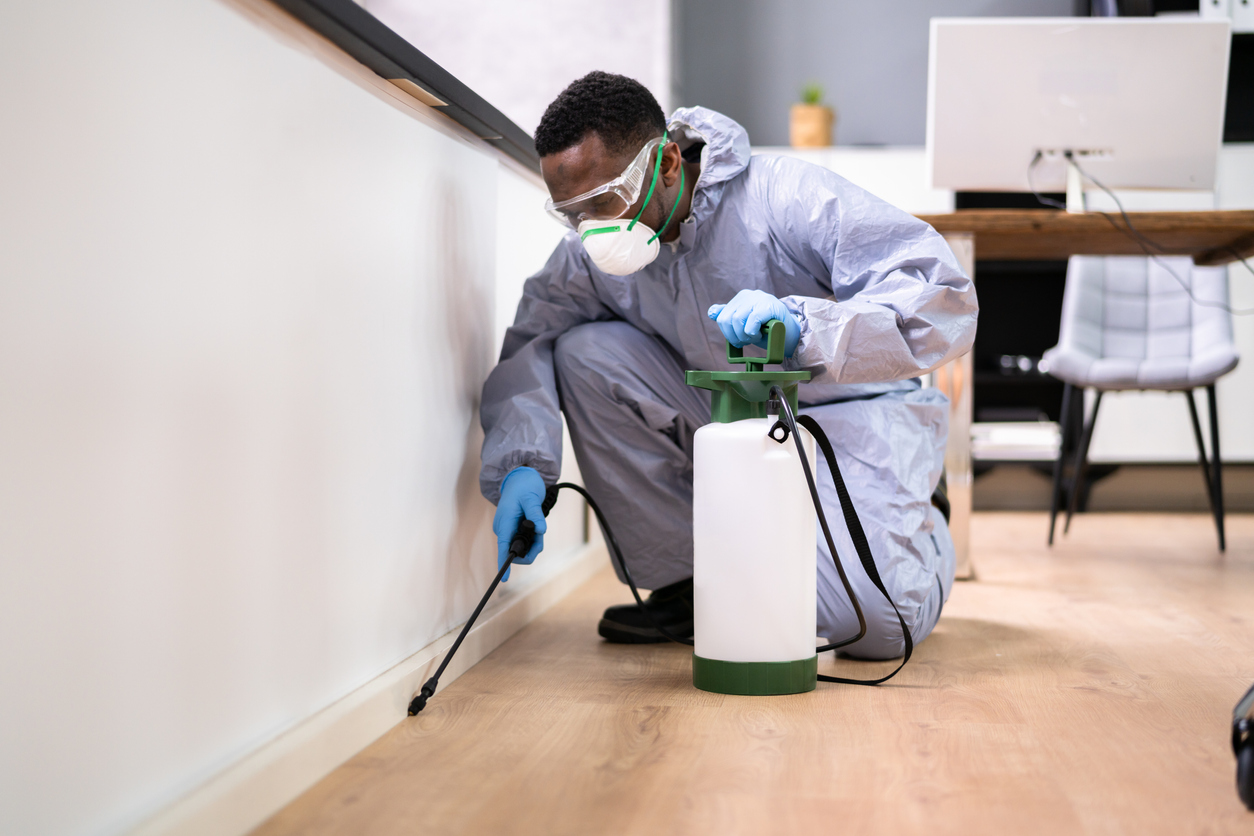
A trained technician starts with a brief inspection of the property. This helps identify high-risk areas such as kitchen hinges, drainage points, wall cracks, bed frames, and electrical sockets. This step ensures that the treatment is targeted rather than random.
Equally important is the choice of chemical. Professional operators use products approved by the Pest Control Products Board, which ensures they are safe for indoor use when applied correctly. You should be able to see the product being used and ask questions about it.
Different pests require different approaches. Cockroach control often relies heavily on gel baits placed strategically in hidden areas, supported by targeted sprays. Bedbug treatment typically combines residual insecticides with growth regulators to interrupt their life cycle. Termite control, especially for subterranean species, involves soil treatment through drilling and injection rather than surface spraying.
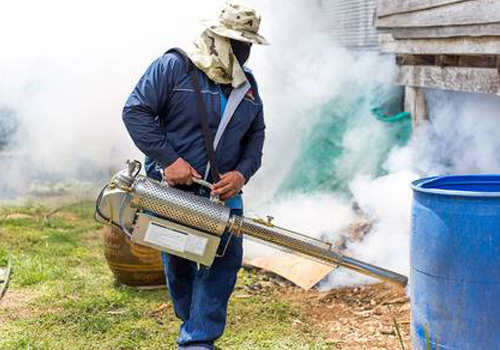
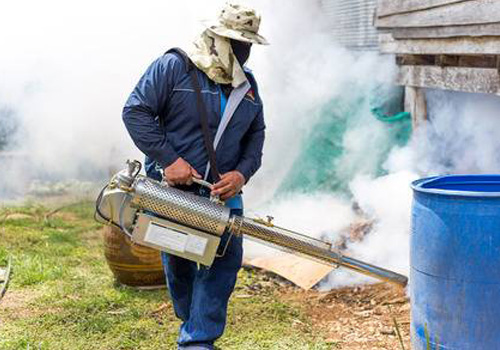
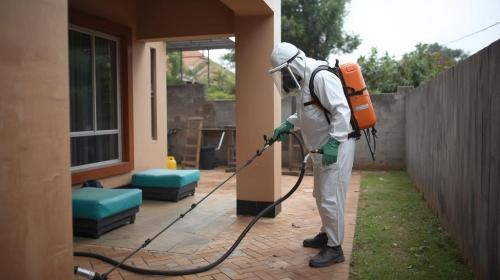
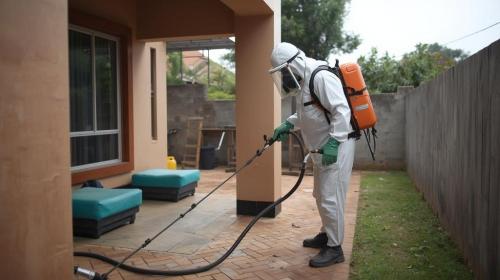
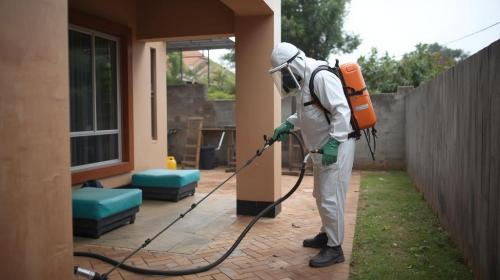
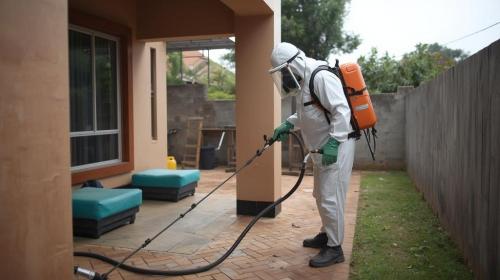
Application also follows strict safety practices. The technician should use protective equipment, advise occupants to vacate treated areas temporarily, and clearly communicate re-entry times. These details matter, especially in homes with children, pets, or shared spaces.
The time spent on site is another indicator of quality. Proper treatment takes time because it involves careful placement, not just coverage.
The Importance of a Fumigation Certificate
Once the treatment is complete, documentation becomes the next critical step. A professional fumigation service always includes a certificate or service report.
This document is more than just proof that someone visited your property. It contains key details such as the company’s registration, treatment date, type of pest handled, chemicals used, and recommended follow-up schedule.
For businesses, offices, and rental properties, this paperwork is essential. Health authorities, landlords, and even insurance providers may require it. In some cases, especially in food-related businesses, having proper documentation can be the difference between passing or failing an inspection.
For homeowners, the certificate serves as a form of protection. If pests reappear within the guarantee period, you have a clear basis for requesting a follow-up treatment without additional cost.
Professional companies usually provide both a physical copy and a digital version for easy reference. If documentation is missing or incomplete, it raises questions about whether the service meets regulatory standards.
Why Follow-Up Visits Are Not Optional
One of the most misunderstood aspects of fumigation is the need for a revisit. Many pests do not disappear after a single treatment.
Bedbugs, for example, lay eggs that are resistant to most insecticides. These eggs hatch days after the initial treatment, meaning a second visit is necessary to eliminate the newly emerged insects. Cockroach populations can also rebound if hidden nests are not fully eradicated.
Professional fumigation services account for this by including a scheduled follow-up or offering a guarantee period during which additional treatment is provided if needed.
This step is what transforms fumigation from a temporary fix into a lasting solution. Without it, the infestation may appear to improve initially but return shortly after.
For commercial spaces such as restaurants or offices, follow-up visits may be part of an ongoing pest management program. This ensures continuous monitoring and early intervention before infestations grow.
What You Miss When You Choose the Cheapest Option
When fumigation is offered at a very low price, it often means that one or more of these essential steps have been skipped.
Preparation may not be discussed at all, leaving pests hidden in untouched areas. The treatment itself may rely on generic or diluted chemicals that provide only short-term results. Documentation is often minimal or nonexistent, and there is rarely any commitment to return if the problem persists.
At first, the lower cost may seem appealing. But when pests return and another service is needed, the total expense increases quickly. More importantly, the time, stress, and inconvenience of repeated infestations can outweigh any initial savings.
How to Recognize a Complete Professional Service
A reliable fumigation service follows a clear structure from start to finish. You should receive preparation instructions before the visit, observe a thorough and targeted treatment process, receive proper documentation afterward, and have clarity on what happens if pests return.
Each of these steps plays a role in ensuring that the treatment is effective and sustainable. When all are present, the chances of recurring infestations drop significantly.
Final Thoughts
Fumigation is often seen as a quick fix, especially when pests become visible and urgent action is needed. But lasting results come from a complete process, not just a single application.
Choosing a service that includes preparation, proper treatment, certification, and follow-up may cost more upfront, but it reduces the likelihood of repeat problems and additional expenses.
In the long run, professional fumigation is less about eliminating pests for a few days and more about restoring a safe, comfortable, and pest-free environment.