

You usually don’t need a lecture to know you have bedbugs. It starts with restless nights, then those unmistakable bite patterns, and before long you’re comparing advice from friends, fundis, and WhatsApp groups. One person swears by heat treatment. Another insists chemical spray with IGR is the only reliable option.
Both methods are used across Kenya today, from Nairobi apartments to coastal Airbnbs. Both can eliminate bedbugs effectively. The difference comes down to how they are applied, the condition of your space, and how well you follow instructions. Choosing blindly often leads to repeat infestations and extra cost.
Understanding How Each Method Works
The first thing to clarify is that these are two completely different approaches, even though people casually refer to both as fumigation.
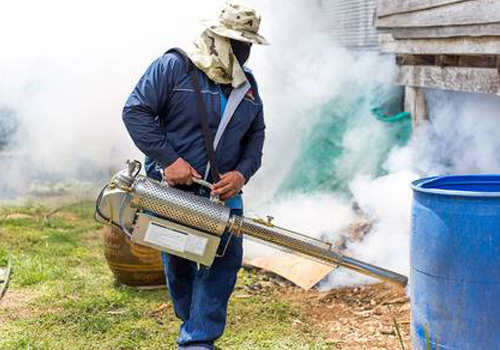
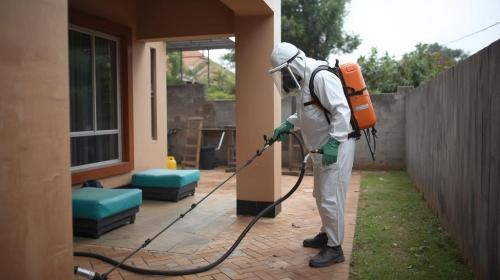
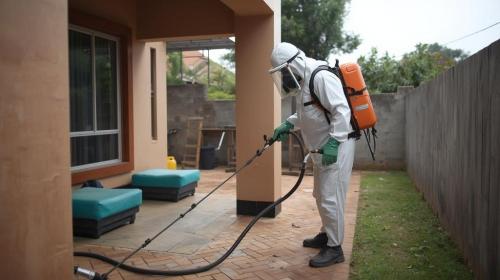
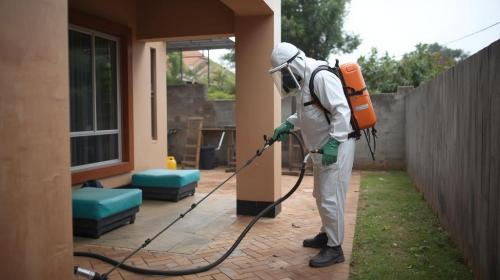
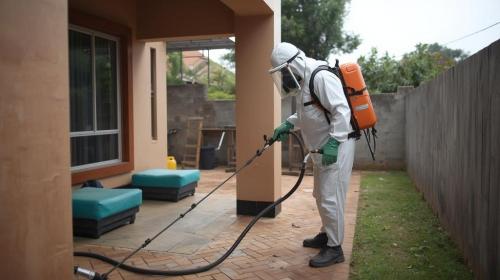
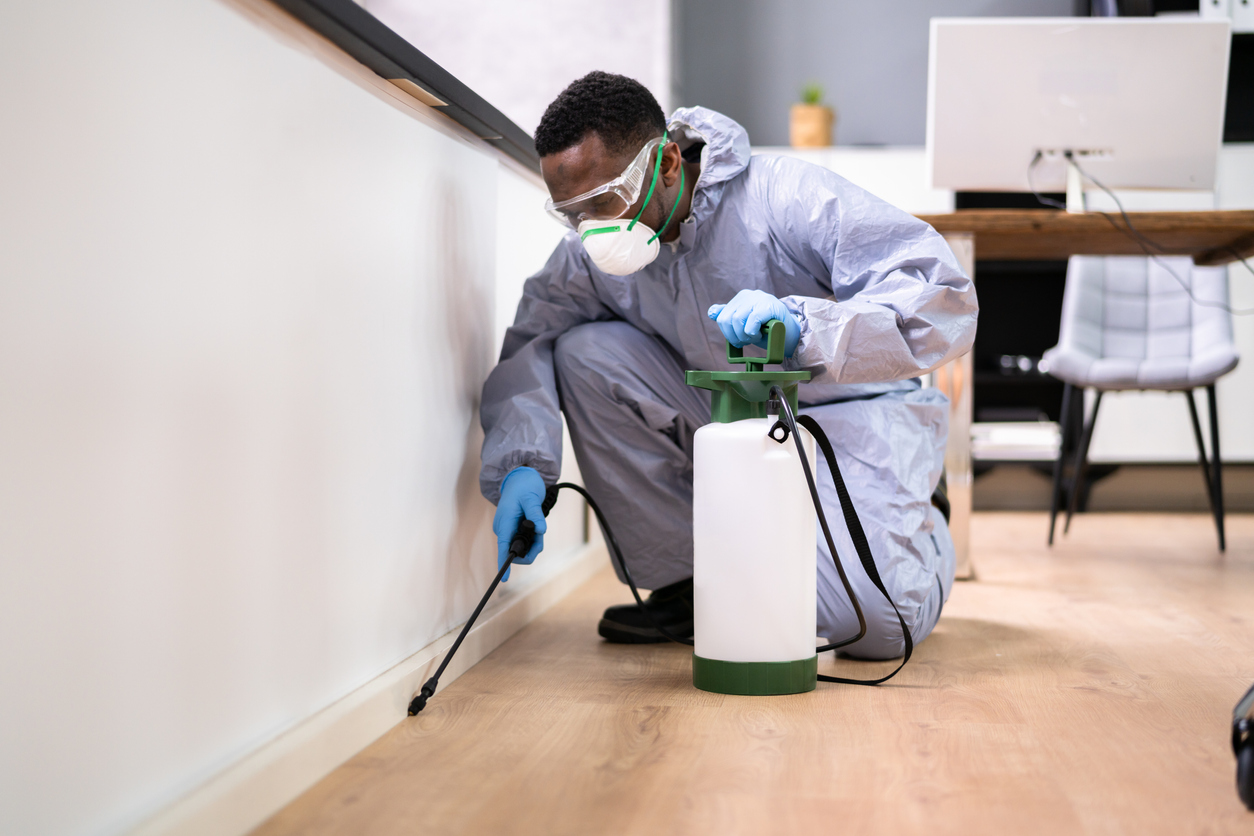
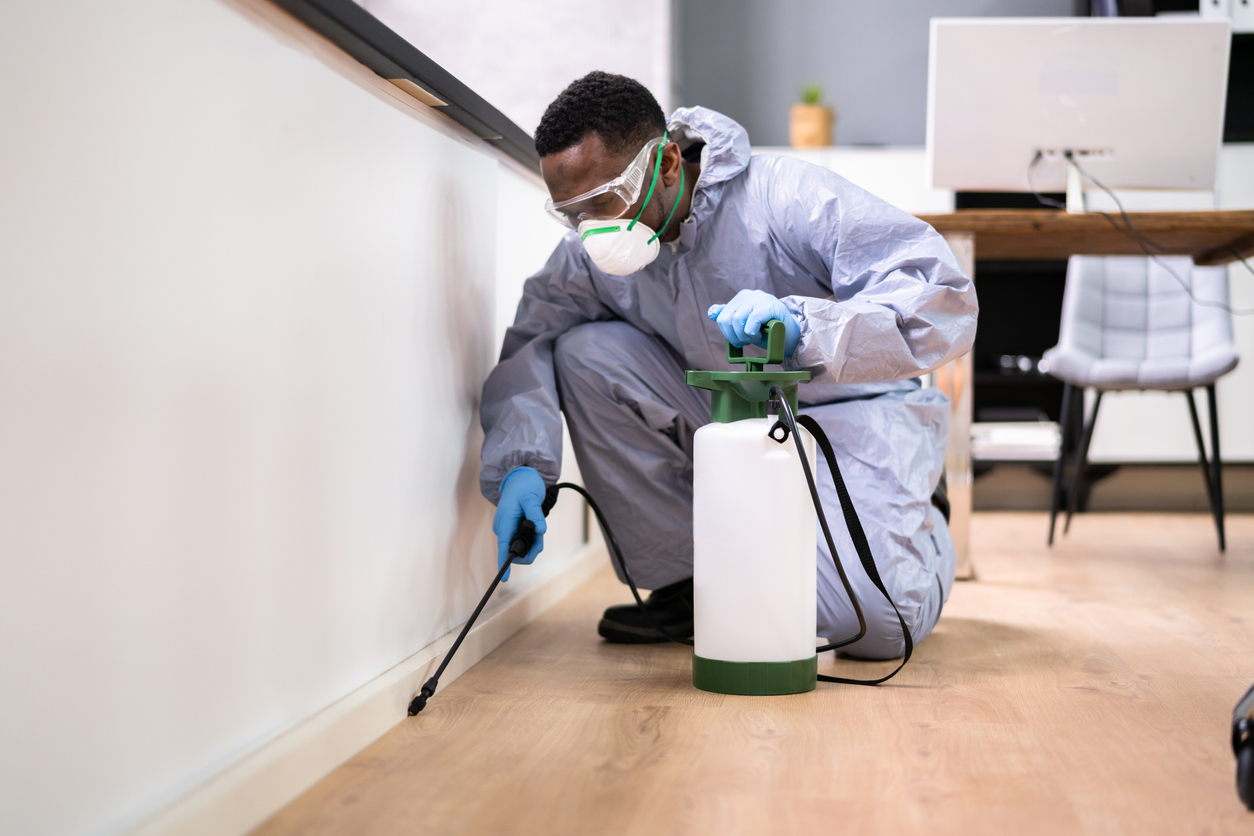
Chemical treatment relies on targeted application of insecticides. A licensed technician typically uses a combination of a pyrethroid such as deltamethrin and an insect growth regulator. The spray kills active bedbugs on contact while the growth regulator disrupts the lifecycle, preventing immature bugs from developing into breeding adults. Because eggs are resistant to most sprays, a follow-up visit is necessary after about two weeks to deal with newly hatched bugs.
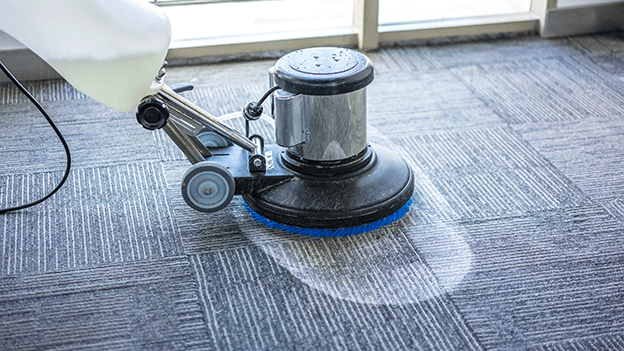
Heat treatment works by raising the temperature of a room or structure to levels that bedbugs cannot survive. Professional equipment heats the space to above 50 degrees Celsius and maintains that temperature long enough to penetrate furniture, fabrics, and hidden crevices. At these temperatures, eggs, nymphs, and adult bedbugs are all eliminated in a single session if done correctly.
Effectiveness in Real Kenyan Homes
Effectiveness is where most people make their decision, but the answer is not as simple as choosing the method with the highest success rate on paper.
Chemical treatment, when done properly with the right products and a scheduled revisit, achieves strong results in most Kenyan homes. It is particularly reliable where preparation is done well and clutter is manageable. The follow-up visit is not optional; it is what ensures that any surviving eggs do not restart the infestation.
Heat treatment has the advantage of killing all life stages in one go, including eggs. In controlled conditions, it is highly effective. However, real-life environments can introduce complications. In many Nairobi bedsitters or shared housing setups, clutter and tightly packed belongings create insulated pockets where heat may not fully penetrate. In such cases, the treatment can leave behind surviving bugs despite high surface temperatures.
In clean, well-organized spaces such as serviced apartments or well-managed Airbnbs, heat treatment performs exceptionally well because airflow and heat distribution are not obstructed.
Reinfestation Risk and Long-Term Protection
One of the most overlooked differences between the two methods is what happens after treatment.
Chemical applications leave behind a residual effect on surfaces. This means that if new bedbugs are introduced, for example through luggage, guests, or shared living spaces, they are likely to come into contact with treated areas and die before establishing a new infestation.
Heat treatment, on the other hand, leaves no residual protection. Once the space cools down, it is essentially a clean slate. If bedbugs are reintroduced even a day later, there is nothing to stop them from spreading again.
For Airbnb hosts, rental units, and shared accommodations, this distinction is critical. Continuous exposure risk makes chemical treatment with residual protection more practical in many cases.
Safety Considerations for Homes and Businesses
Safety concerns vary depending on the method and how it is implemented.
Chemical treatments use products that are approved for domestic use when applied by trained professionals. When instructions are followed, including proper ventilation and adherence to re-entry times, the risk to humans and pets is low. Issues arise when unapproved or improperly mixed chemicals are used, which is why working with licensed providers is essential.
Heat treatment avoids chemical exposure entirely, which makes it appealing for households with sensitivities, young children, or pets. However, it introduces a different set of risks. High temperatures can damage electronics, warp certain materials, and affect items like candles, aerosols, and plastics. Proper preparation is critical to prevent damage.
In commercial settings such as offices or hospitality spaces, chemical treatments are often preferred because they allow for controlled application without shutting down operations for extended periods.
The Reality of Preparation
Preparation is the hidden factor that determines success in both methods, and it is often underestimated.
Chemical treatment requires thorough but manageable preparation. This includes washing and bagging clothes, clearing storage areas, and exposing hiding spots. Missing a few areas may reduce effectiveness, but the follow-up visit typically compensates for that.
Heat treatment demands a much higher level of preparation. Nearly all heat-sensitive items must be removed, including electronics, cosmetics, certain foods, and pressurized containers. In small spaces, this can become logistically difficult. Without proper preparation, the risk of damage increases and treatment effectiveness drops.
For many Kenyan households, especially those with limited storage space, this level of preparation can be a major constraint.
Cost Comparison in Kenya
Cost often influences decisions, but it should be considered alongside effectiveness and practicality.
Chemical treatment for a one-bedroom home in Kenya typically falls within a moderate price range and includes at least two visits and a short-term guarantee. This makes it accessible for most households and suitable for ongoing pest management.
Heat treatment is significantly more expensive due to the specialized equipment, energy requirements, and technical expertise involved. While it offers the advantage of a one-time solution when done correctly, the higher upfront cost can be a barrier.
Hybrid approaches are increasingly common. These combine heat treatment for high-risk items like mattresses and clothing with chemical treatment for the rest of the space. This approach balances effectiveness, cost, and long-term protection.
Choosing the Right Method for Your Situation
There is no universal answer because each situation is different.
Chemical treatment is often the better choice for homes with moderate clutter, rental units, offices, and Airbnbs where ongoing protection and minimal disruption are priorities. It also works well when budget constraints are a factor.
Heat treatment is more suitable for severe infestations, situations where chemical exposure must be avoided, or when a rapid, one-time solution is needed before moving into or out of a property. It works best in spaces that can be fully prepared and cleared.
A hybrid approach offers a practical middle ground, especially for those who want immediate results in critical areas while maintaining residual protection throughout the space.
Common Mistakes That Lead to Failure
Most failures are not due to the method itself but how it is executed.
Using chemical treatment without a follow-up visit allows eggs to hatch and restart the infestation. Incomplete preparation leaves hiding spots untouched. Poor-quality or unapproved chemicals reduce effectiveness and introduce health risks.
Heat treatment fails when proper equipment is not used or when temperature is not evenly distributed. Relying on improvised heating methods or skipping preparation leads to cold spots where bedbugs survive.
In both cases, working with experienced, licensed professionals significantly increases the chances of success.
Final Thoughts on Bedbug Control in Kenya
Bedbugs are persistent because of their lifecycle, not because one method is inherently weak. Both heat treatment and chemical spray can eliminate them when applied correctly.
The decision should be based on your living conditions, ability to prepare the space, risk of reinfestation, and budget. Rushing into the cheapest or fastest option often results in repeated treatments and higher long-term costs.
Effective pest control is less about the label of the method and more about execution. When preparation, application, and follow-up are done properly, either approach can restore a home or business to a comfortable, pest-free state.