Nairobi CBD - 00100
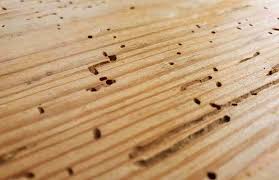
You may have heard a story like this before. Someone buys a house, moves in happily, and everything looks fine for the first few years. Then one day the floor starts feeling weak, a door frame becomes soft, or a kitchen cabinet begins breaking apart from the inside. When a contractor finally opens the area, the timber has already been eaten hollow by termites that were working quietly from below the ground.
That is the danger with subterranean termites. They do not always announce themselves with a big mound in the compound or insects flying around the house. Many times, they live underground and travel silently through soil, cracks, foundations, and hidden gaps until they reach timber. This is why subterranean termite soil barrier treatment services are so important for homeowners, landlords, builders, developers, schools, hotels, and commercial property owners in Kenya. A proper soil barrier helps protect your building before termites turn hidden access into expensive damage.
Subterranean termite soil barrier treatment is a professional termite control method that creates a treated zone in the soil around or beneath a building. The idea is to stop termites from moving freely between their underground nest and the timber in your structure. Since subterranean termites depend on soil moisture to survive, they usually maintain contact with the ground even when feeding inside buildings.
A proper treatment starts with inspection. The technician checks the building type, foundation, soil condition, existing termite signs, drainage, cracks, plumbing points, and areas where termites may enter. A house built on a concrete slab may need a different approach from a house with a crawl space, raised floor, or exposed soil underneath. New construction also has different treatment needs from an already occupied home.
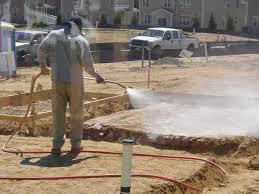
For existing buildings, the service may involve trenching around the outside foundation and applying termiticide into the soil. The trench is usually made close to the wall so the treated zone sits where termites are likely to travel. In buildings with concrete floors, the technician may drill small holes through the slab at measured intervals and inject treatment into the soil below. The holes are then sealed neatly after treatment.
Special attention is given to utility entry points. Termites often use gaps around pipes, cables, drainage lines, and foundation joints because these areas are easier to access. A careful technician treats these points properly so the barrier does not have weak spots. The goal is to create continuous protection, not scattered treatment that termites can simply bypass.
Termite damage is expensive because it often stays hidden until repairs are no longer small. By the time you notice a soft floor, hollow skirting board, damaged cabinet, or weak door frame, termites may have been feeding for months. In some cases, they may already have affected timber under the floor, inside walls, or near the roof support.
A soil barrier is a preventive measure. It is easier and usually cheaper to protect a building before serious termite damage happens than to repair timber, flooring, cabinets, roof structures, and wall finishes later. For people building a new home, treating the soil before the slab is poured is one of the smartest stages to handle termite protection. Once the house is complete, treatment can still be done, but it may involve more drilling, more labour, and more disruption.
For landlords and property managers, termite protection also protects rental income. Tenants do not want to live in a house where floors feel weak or wooden fittings keep breaking. If termite damage becomes visible, repairs may disturb tenants and create complaints. Early treatment helps maintain the property and reduce emergency repair costs.
For developers, subterranean termite soil barrier treatment can also add confidence for buyers. Many property buyers in Kenya are becoming more careful. They want to know whether the building was treated against termites, especially in areas where termite activity is common. Having proper treatment records can make a project look more serious and better managed.
A couple buys a three bedroom house on the outskirts of Nairobi. Before moving in, they notice what looks like dried mud running up one side of the foundation. At first, they think it is just soil splashed by rain. A termite professional inspects it and confirms it is a mud tube used by subterranean termites. Because they act early, the treatment is done before furniture and family life fully settle into the house.
A landlord in Kitengela builds several rental units and skips termite treatment to reduce construction costs. Two years later, tenants start complaining about damaged skirting boards and kitchen cabinets. What looked like a saving during construction becomes a bigger repair bill. If soil treatment had been done before the slab and around the foundation, the building would have had much better protection from the start.
A school in Kisumu notices wooden door frames on the ground floor becoming weak. The maintenance team keeps replacing damaged sections, but the problem returns. A proper inspection reveals termite movement through untreated soil points near the foundation. The school needs soil barrier treatment, not just carpentry repairs.
A developer in Thika wants to sell newly built homes and understands that buyers may ask about termite protection. By booking professional pre slab termite treatment and keeping clear records, the developer gives buyers more confidence. It becomes part of the value of the property, not just another construction expense.
Subterranean termite treatment is technical. It is not the same as spraying the wall or pouring chemicals randomly into the soil. The barrier must be placed where termites are likely to pass, and it must be continuous. If there is even a small untreated gap, termites may eventually find it and enter through that weak point.
A trained termite control expert understands soil types, foundation layouts, drilling points, chemical application, and termite behaviour. Different soils absorb treatment differently. Sandy soils, clay soils, black cotton soils, and red soils do not behave the same way. A professional knows how to adjust the method so the treatment spreads properly and remains effective.
Product selection also matters. Not every chemical sold for pest control is suitable for soil barrier treatment. Professional termiticides are chosen based on how they bind with soil, how long they remain active, and how they affect termite movement. A serious provider will explain what product is being used, how it works, and what safety steps should be followed.
Professionals also know how to protect the building during the service. Drilling must be done carefully so tiles, floors, and walls are not damaged unnecessarily. Trenches must be placed properly. Treated areas must be restored as neatly as possible. Good work is not only about applying chemical. It is also about respecting the property.
When you discover termite activity or you are preparing to build, the last thing you want is to hire someone who only gives a cheap quote but does not understand soil barrier treatment. Some providers may promise quick termite control without proper inspection. Others may treat only the visible area while leaving the foundation and soil entry points exposed.
The Real Plug helps connect people in Kenya with vetted local professionals offering subterranean termite soil barrier treatment services. Instead of guessing from random phone numbers, you can find termite control experts who understand inspection, trenching, drilling, soil treatment, construction stage protection, and follow up advice.
This is useful for homeowners, tenants, landlords, property managers, developers, real estate agents, contractors, schools, hotels, offices, and anyone responsible for maintaining a building. Termites can affect both small homes and large commercial properties. The right professional should understand the building before recommending treatment.
The Real Plug also reduces the stress of hiring blindly. Soil barrier treatment involves allowing a technician to inspect and work around important parts of your property. You need someone who explains the process clearly, handles chemicals responsibly, and gives realistic advice. A trusted platform makes that search easier and safer.
The Real Plug is built for people who want reliable local professionals without wasting time on uncertain referrals. When you search for termite control near me, soil barrier installation in Kenya, pre slab termite treatment, or professional termite protection, you need more than someone who can spray. You need a provider who understands how termites enter buildings and how to create real protection.
Through The Real Plug, homeowners can find termite experts to inspect existing buildings and recommend proper soil treatment. Builders can connect with professionals before concrete work begins so the soil is treated at the right stage. Landlords can arrange treatment for rental properties before damage spreads. Businesses can protect offices, hotels, schools, and commercial buildings from hidden timber destruction.
For developers and contractors, using a trusted platform can help with planning. Termite treatment should not be an afterthought squeezed in when the building is already complete. It should be part of the construction process, especially in areas where termite activity is common. The Real Plug makes it easier to find professionals early and schedule the work properly.
For termite control professionals, The Real Plug creates a place to be found by serious clients. Skilled fumigators who understand soil barrier installation, foundation treatment, and termite prevention can connect with property owners and builders who are actively looking for expert help.
If the building already exists, clear access around the outside walls where possible. Move flower pots, stored items, tools, timber, and other materials away from the foundation. If drilling is needed indoors, remove furniture or fragile items from the affected areas so the technician can work safely and neatly.
Show the technician any signs you have noticed. These may include mud tubes, damaged timber, soft skirting boards, hollow sounds, stuck doors, powder, wings, or cracks where insects appear. Do not scrape away every sign before inspection because those details can help the professional understand termite movement.
If you are building, involve the termite control provider early. The best time for pre slab treatment is before concrete is poured. This allows the soil under the building footprint to be treated properly. Once the slab is already in place, the process becomes more complicated and may cost more.
Ask for clear information before treatment begins. You should understand what areas will be treated, whether drilling or trenching is involved, how long the treatment may take, what precautions are needed, and whether follow up inspections are recommended. A professional should be willing to explain these details in simple language.
After the soil barrier is installed, avoid disturbing the treated ground unnecessarily. Digging too close to the foundation, creating new drainage channels, planting directly against walls, or changing landscaping without advice can interfere with the barrier. If you plan major work near the foundation, speak to your termite provider first.
Keep water away from the building where possible. Poor drainage, leaking pipes, blocked gutters, and damp soil near foundations can attract termites. Repair leaks early and make sure water flows away from the house. Termites need moisture, so reducing damp conditions helps support the treatment.
Avoid storing timber, firewood, cardboard, or old furniture directly against the house. These materials can attract termites and provide a bridge between the soil and the building. If you must store timber, keep it raised and away from walls.
Schedule inspections as advised. Soil barriers can last for years, but they should still be checked. Changes in landscaping, soil movement, construction work, or water flow can affect protection over time. Regular inspection helps catch any weakness before termites cause serious damage.
Subterranean termite soil barrier treatment services give your property a stronger defence against one of the most damaging timber pests in Kenya. Instead of waiting until termites have eaten through floors, frames, cabinets, or roof supports, soil treatment creates protection at the point where termites usually begin their attack.
Whether you are building a new home, buying an existing property, managing rentals, developing apartments, or maintaining a business premise, termite protection is worth taking seriously. The cost of prevention is usually far easier to manage than the cost of hidden structural repairs. With proper inspection, quality soil treatment, and ongoing monitoring, you can protect your building with much more confidence.
When you need subterranean termite soil barrier treatment services, hire a vetted termite control professional through The Real Plug and protect your property before hidden damage becomes expensive.
If you are a skilled fumigation professional offering soil barrier installation and termite protection services, register on The Real Plug and connect with property owners and builders looking for trusted termite control support.