Nairobi CBD - 00100

You open your washing machine expecting the smell of fresh laundry, but instead you get that damp, sour smell that makes you step back. Sometimes it smells like old water, sometimes like rotten eggs, and sometimes your clothes come out smelling worse than before you washed them. This happens in many Kenyan homes, especially in humid areas like Mombasa, Kisumu, and parts of Nairobi where laundry spaces do not always dry properly. The machine may still be working, but something inside is not clean. That is where Washing Machine Odor and Cleaning Service becomes useful.
A bad-smelling washing machine does not always mean it is broken. Most of the time, the smell comes from hidden dirt, detergent residue, fabric softener buildup, stagnant water, mold, and bacteria. You may wipe the drum and clean the outside, but the real problem is often hiding behind the rubber door seal, inside the drain filter, around the detergent drawer, or between the inner and outer drum. A professional Washing Machine Odor and Cleaning Service helps remove the source of the smell instead of covering it for a few days.
Washing Machine Odor and Cleaning Service is a deep cleaning service for washing machines that smell bad, leave clothes with a stale odor, or show signs of mold and buildup. It is not the same as running a quick empty cycle with hot water. A proper service focuses on the hidden areas where moisture, soap scum, lint, and dirt collect over time.
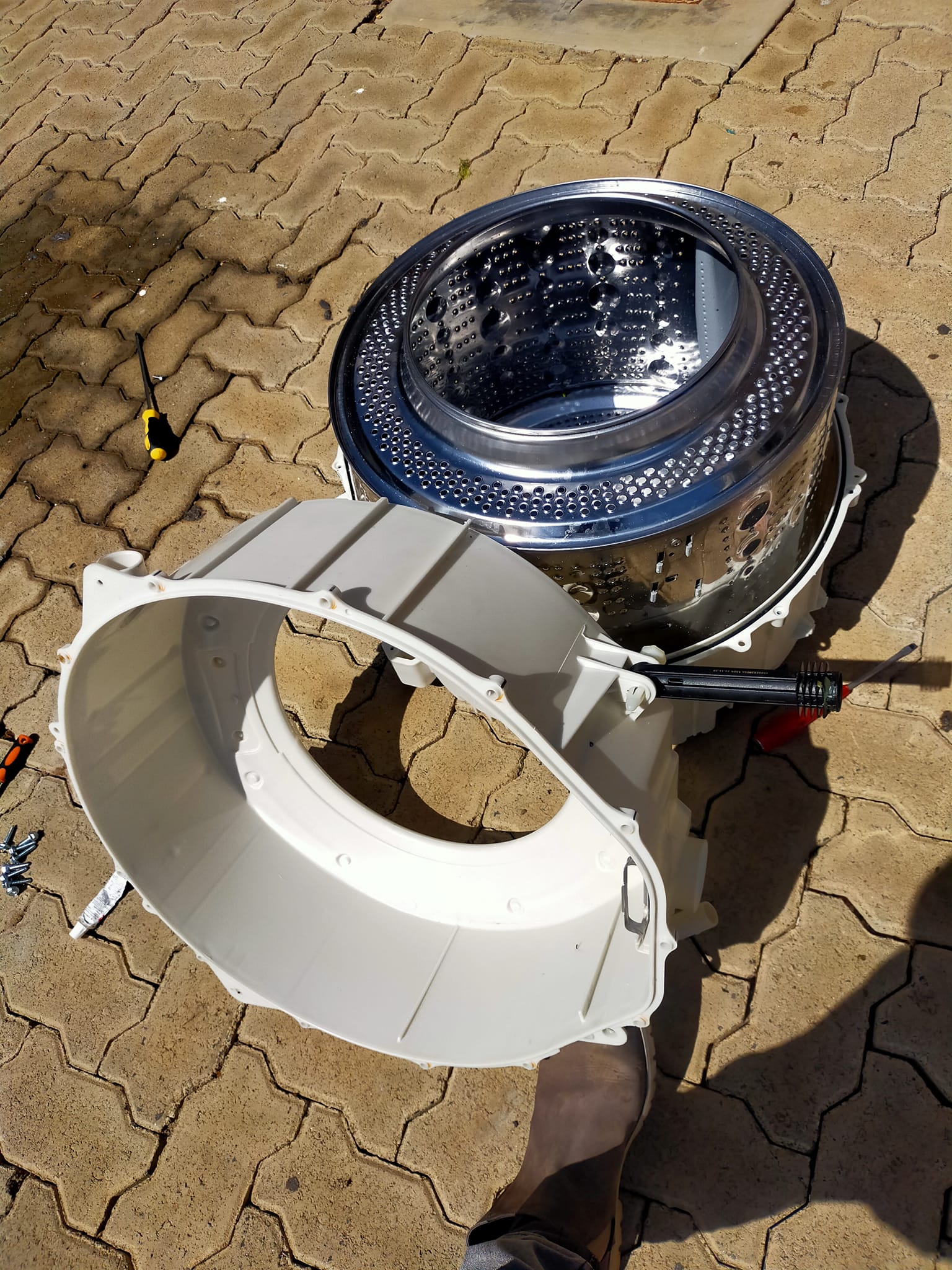
The washing machine drum is one of the main areas cleaned. Even when the inside looks shiny, there can be residue behind the drum where you cannot see. Detergent, body oils, dirt from clothes, and fabric softener can stick to the surface. Over time, this residue becomes slimy and starts holding bacteria. When water passes through it during a wash, the smell transfers to your laundry.
Front-load washing machines often need extra attention around the door boot, which is the rubber gasket around the door. This rubber folds inwards and traps water, lint, hair, detergent, and small dirt particles. If the door is kept closed after washing, the trapped moisture creates the perfect place for mold to grow. Those black spots you see inside the rubber are not just dirt. They are usually mold and mildew, and they can keep coming back if not cleaned properly.
The drain filter is another important part of this service. Many washing machines have a small filter near the bottom front area that catches lint, coins, buttons, hair, tissue pieces, and other debris. If it is not cleaned regularly, water drains slowly, and the trapped dirt begins to rot. That foul smell can spread through the whole machine and into your clothes.
A professional also cleans the detergent drawer and the compartment where it sits. In many homes, people use more detergent than needed, thinking more soap means cleaner clothes. But excess detergent does not always rinse away. It remains inside the drawer, pipes, and drum area. Fabric softener can also leave a sticky layer that encourages mold. Cleaning these areas helps the machine rinse better and smell fresher.
The clearest sign is a musty smell that does not go away even after running a wash cycle. You may leave the machine open for a while, wipe the drum, or run a hot cycle, but the smell returns after a day or two. That means the source is still inside the machine.
Another common sign is laundry that smells stale after washing. The clothes may smell okay when you remove them from the machine, but once they dry, the bad odor becomes noticeable. Towels, bedsheets, baby clothes, gym wear, and school uniforms can hold this smell strongly, especially when bacteria are present inside the washer.
Black or dark spots on the door rubber are also a warning sign. This is common in front-load washing machines in apartments and homes where the door is kept closed after use. If you wipe the rubber and the stains do not come off easily, the mold may be sitting deep inside the folds.
Slow drainage can also point to a cleaning problem. If water remains at the bottom of the drum after a cycle, or the machine takes longer than usual to drain, the filter or drain area may be clogged. Stagnant water creates a strong smell and can also affect the pump if ignored for long.
You may also notice grey, brown, or slimy residue around the detergent drawer, inside the drum, or near the door seal. That buildup is often a mixture of detergent, softener, dirt, lint, and hard water deposits. It may not look serious at first, but it can become a long-term source of bad smell.
Many people try home remedies first, and that is understandable. You may hear that vinegar, baking soda, bleach, or hot water can remove washing machine smells. Sometimes these methods help a little, especially for light odor. But when the smell keeps coming back, it usually means the buildup is in areas that an empty cycle cannot reach.
A professional cleaning goes deeper. The technician can remove and clean the drain filter, flush the pump area, scrub the door boot folds, clean the detergent drawer housing, and run the right cleaning cycle for the machine. They also know which cleaning products are safe for rubber seals, plastic parts, hoses, and metal surfaces.
Using harsh cleaners without guidance can damage the machine. Too much bleach can weaken rubber parts and leave a strong chemical smell. Too much vinegar used repeatedly can affect seals and hoses over time. Some cleaners also create too much foam, especially if mixed with detergent residue inside the machine. A professional understands how to clean effectively without damaging the washer.
Front-load machines need careful handling. The door boot may need detailed scrubbing, and in serious cases, it may need partial removal for deeper cleaning. If someone pulls it wrongly, it can tear or fail to sit properly again, leading to water leaks. A trained appliance technician knows how to clean it without damaging the rubber or door area.
Professional cleaning can also reveal other issues early. A bad smell may come from a clogged filter, but the technician may also notice a weak drain pump, blocked hose, leaking seal, or drainage problem. Fixing these early can save you from a bigger washing machine repair later.
Mold in the front-load door boot is one of the most common problems. The technician opens the rubber folds, removes trapped lint and dirt, applies a suitable cleaner, and scrubs the affected areas carefully. If the mold is heavy, they may take more time to treat it properly and check whether the drain holes in the gasket are blocked.
Detergent and fabric softener buildup is another common issue. This buildup usually appears in the detergent drawer, inside the drawer housing, around the drum, and sometimes in hoses. A technician removes the drawer, cleans the corners and siphon areas, and clears residue that may be stopping detergent from flowing properly into the wash.
Clogged drain filters can cause both bad smells and poor drainage. When the filter is opened, dirty water may come out, so the technician prepares towels, containers, or a tray before removing it. They then clean out coins, hair, lint, buttons, tissue pieces, and other debris. They also check the pump housing to make sure nothing is stuck inside.
Stagnant water in the drain hose or pump area can create a strong rotten smell. This may happen when the machine has not been used for a while, when the drain hose is poorly positioned, or when drainage is slow. A technician drains the system properly, flushes the hose where necessary, and checks that water is leaving the machine as it should.
Hard water deposits can also contribute to odor and poor washing performance. In some areas of Kenya, water leaves mineral deposits inside appliances. These deposits can mix with detergent residue and dirt, creating a rough layer inside the washer. A professional may use suitable descaling products and advise you on how often the machine should be cleaned depending on your water quality and usage.
A bad smell may seem like a small problem, but it can quickly become frustrating. When bacteria and mold build up inside the washer, they can transfer to clothes, towels, bedsheets, and baby items. You may find yourself washing the same laundry twice, using more detergent, or adding strong fabric softener just to cover the smell. That wastes water, electricity, detergent, and time.
Mold can also affect sensitive people in the home. Some family members may experience skin irritation, allergies, or breathing discomfort when mold spores and bacteria keep spreading through laundry. This is especially important for homes with babies, elderly people, or anyone with sensitive skin.
The machine itself can also suffer. Detergent scum and debris can clog the drain filter, pump, or hose. Once the drain pump struggles for too long, it may burn out. A simple cleaning job can then become a repair involving parts replacement. If the heating element has scale buildup, the machine may use more power to heat water or fail to heat properly.
Ignoring the smell can also make the laundry area unpleasant. Many Kenyan homes have washing machines in kitchens, bathrooms, balconies, or small laundry corners. A musty machine can make the whole space smell damp, especially when the door is kept closed and there is little ventilation.
After a professional Washing Machine Odor and Cleaning Service, small habits can help keep the smell from returning quickly. One of the easiest habits is leaving the door open after washing. This allows moisture inside the drum and door boot to dry instead of turning into mold.
It also helps to leave the detergent drawer slightly open after use. That area stays damp, especially when liquid detergent or softener is used. Letting it dry reduces mold and sticky buildup.
Using the right amount of detergent makes a big difference. Too much soap does not make clothes cleaner. It often leaves residue inside the machine. If your laundry is not heavily soiled, reduce the amount slightly and see whether the clothes still come out clean. This is especially useful for front-load machines, which usually need less detergent than many people use.
Running occasional hot cycles can also help, especially if you mostly wash with cold water. Low-temperature washing is convenient, but it may not clear oils, bacteria, and detergent buildup as well as hotter cycles. A technician can advise how often to run a maintenance wash depending on your machine and usage.
Cleaning the drain filter regularly is also important. If your home washes many loads, deals with pet hair, children’s clothes, work clothes, or towels, the filter can collect debris faster. Keeping it clean improves drainage and reduces odor.
Finding a reliable appliance cleaning professional in Kenya should not feel like guesswork. The Real Plug helps connect homeowners, tenants, landlords, small businesses, and property managers with vetted service providers who understand washing machine odor, mold, and buildup problems. Instead of relying on random social media posts or numbers from street posters, you can search for Washing Machine Odor and Cleaning Service near me and find local professionals in Kenya who are ready to help.
Whether you are in Nairobi, Kiambu, Thika, Rongai, Machakos, Nakuru, Kisumu, Eldoret, Mombasa, Kasarani, Kilimani, or Pipeline, The Real Plug makes it easier to connect with someone who can clean your machine properly. You can explain whether your washer smells musty, has mold on the door boot, drains slowly, or leaves clothes smelling stale. The professional can then discuss the likely cleaning needed, pricing, and when they can come.
The benefit of using The Real Plug is accountability. Professionals listed on the platform know that customers care about honest service, fair pricing, and visible results. They also know their reputation matters, so they have a reason to clean thoroughly, communicate clearly, and give practical maintenance advice after the job.
For technicians and appliance cleaning professionals who offer Washing Machine Odor and Cleaning Service, The Real Plug is also a good place to reach serious customers. Many people are looking for help with front-load washer smells, drain filter cleaning, door boot mold removal, detergent buildup, and deep machine cleaning. If you offer this service professionally, the platform helps customers find you.
A smelly washing machine is not something you should keep managing with extra detergent or fabric softener. If the source of the smell is mold, stagnant water, soap scum, or a clogged drain filter, it will keep coming back until the machine is cleaned properly. Professional Washing Machine Odor and Cleaning Service helps restore freshness, improve drainage, and keep your laundry smelling clean again.
Whether your machine has a musty smell, black mold on the door boot, dirty detergent buildup, or a clogged drain filter, a skilled technician can clean the hidden areas and advise you on how to prevent the problem from returning too quickly.
Visit The Real Plug today to hire a trusted washing machine cleaning professional who can handle Washing Machine Odor and Cleaning Service in your area.
If you are an experienced appliance technician or cleaning professional, register on The Real Plug and connect with customers looking for reliable washing machine cleaning services across Kenya.