Nairobi CBD - 00100
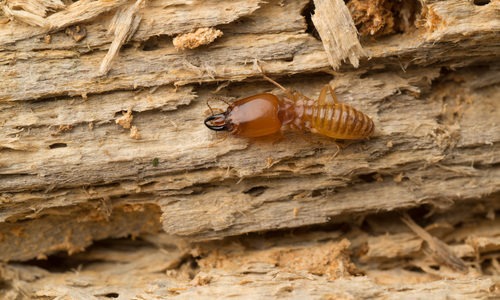
You lean on a wooden door frame and feel it shift slightly under your weight. At first, you think the wood is just old. Then you press it with your thumb and notice it feels soft in one spot. A few days later, you see fine powder collecting below the window sill or hear a hollow sound when you tap the skirting board. There may be no visible insects, no obvious nest, and no big warning sign. Just slow hidden damage happening inside the timber.
Wood destroying organisms can quietly damage homes, rentals, offices, hotels, schools, furniture workshops, and commercial buildings across Kenya. Termites are the most common fear, but they are not the only problem. Wood boring beetles, carpenter ants, and moisture related wood decay can also weaken timber over time. This is why wood destroying organisms treatment services are important. The earlier the problem is inspected and treated, the better your chances of saving the timber and avoiding expensive repairs.
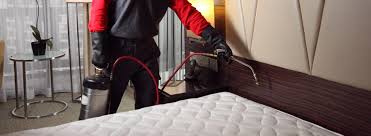
Wood destroying organisms treatment is not a simple spray and leave job. It starts with a proper inspection of the timber and the surrounding structure. A trained pest control technician checks wooden doors, frames, roofing timber, ceiling spaces, skirting boards, floors, cabinets, stairs, decks, pergolas, wardrobes, and any timber that may be exposed to moisture or insect activity.
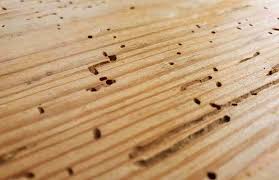
The technician looks for signs that many property owners miss. These may include hollow sounding wood, mud tubes, small exit holes, sawdust like powder, soft timber, damaged paint, sagging areas, moisture stains, tiny pellets, or wood that breaks easily when touched. Sometimes the visible sign is very small, but the damage inside may already be advanced.
Correct identification matters because different wood destroying organisms need different treatment methods. Subterranean termites may need soil treatment, baiting, or barrier protection. Drywood termites may require direct timber treatment or fumigation in serious cases. Powderpost beetles may need injection treatment, surface treatment, or treatment of stored timber. Fungal decay needs moisture control first because the fungus will keep spreading if the wood remains damp.
After the inspection, the professional explains the treatment plan based on what they find. This may include applying termiticide around foundations, treating affected wood directly, drilling and injecting timber, replacing badly damaged wood, improving ventilation, sealing moisture entry points, or setting up monitoring where there is a high risk of future attack. A good service does not only kill pests. It also helps you understand why the timber became vulnerable.
Wood damage is easy to ignore at the beginning because it often happens quietly. You may see a little powder and assume it is dust. You may hear a hollow sound and blame old timber. You may notice a small crack and think it is normal wear. Unfortunately, wood destroying organisms do not wait for you to be ready. They continue working inside the timber until the damage becomes visible, expensive, and sometimes dangerous.
In a home, damaged timber can affect door frames, roofing support, ceilings, floors, kitchen cabinets, wardrobes, beds, and furniture. In a rental property, it can lead to tenant complaints and costly repairs. In a business, it can affect safety, appearance, and customer confidence. For buildings with heavy timber use, untreated infestations can become a serious structural concern.
Termites are especially destructive because they can feed for a long time without being seen. They may enter through the soil, cracks, plumbing points, or hidden gaps in the building. By the time you see mud tubes or weak wood, they may have already affected several areas. Quick action helps limit the damage before it spreads.
Moisture related wood decay is also a serious issue. If water is leaking from a roof, pipe, bathroom wall, or poor drainage area, timber can become soft and attractive to pests. Treating the insects without fixing moisture is only a temporary solution. A professional will help identify whether the issue is pest related, moisture related, or both.
A homeowner in an older Nairobi estate notices that the wooden floor in one room has started feeling weak. At first, the family assumes the floor is simply aging. During inspection, the technician finds termite activity under the floor and several weakened support pieces. The treatment must cover both the active termites and the damaged timber that can no longer support weight safely.
A landlord in Nakuru receives complaints from tenants about doors that no longer close properly. One tenant also reports small brown particles near a wardrobe. When a pest control professional checks the units, they find wood boring beetle activity in some timber fittings. Treating the affected areas early prevents the problem from spreading to more units and furniture.
A hotel near the coast has beautiful wooden finishes, outdoor decks, and timber furniture. Because coastal areas can be humid, timber may stay damp if not well protected. Over time, some areas begin showing signs of decay and pest activity. The owner needs a professional who can inspect the wood, treat affected areas, and advise on moisture control and regular maintenance.
A furniture workshop in Thika stores untreated timber for future projects. After some months, workers notice tiny holes and fine powder coming from several planks. If the problem is ignored, the beetles may spread to finished furniture and customer orders. A professional treatment plan helps protect the stock and prevent losses.
One of the biggest challenges with wood destroying organisms is that the damage is often hidden. A piece of wood may look normal on the outside while the inside has already been hollowed out. A trained technician knows how to tap, probe, inspect, and read the signs without causing unnecessary damage to the property.
Another challenge is knowing the difference between organisms. Termite damage, beetle damage, carpenter ant activity, and fungal decay can look similar to an untrained eye. But the treatment is not the same. Spraying a surface may not help if termites are entering from underground. Applying insecticide may not solve a fungal decay issue caused by a leaking pipe.
Professionals also understand safe product application. Timber treatment can involve chemicals that must be applied carefully, especially in homes with children, pets, food storage areas, or enclosed rooms. A reliable provider will explain where treatment will be done, when the area can be used again, and what precautions should be followed.
For structural timber, a professional can also advise when treatment is not enough. If a beam, floor joist, roof timber, or door frame has lost strength, it may need repair or replacement. This honesty matters because a weak piece of timber can create safety risks even after the pests are controlled.
Finding the right expert for timber pest treatment can be difficult, especially when you are not sure what is damaging the wood. Some providers may treat every problem like ordinary termite control, while others may rush through the inspection and miss the real source. With wood destroying organisms, wrong treatment can waste money and allow damage to continue.
The Real Plug helps connect people in Kenya with vetted local professionals offering wood destroying organisms treatment services. Instead of guessing who to call, you can find pest control and fumigation experts who understand timber inspection, termite control, beetle treatment, wood preservation, and moisture related pest issues.
This is useful for homeowners, landlords, tenants, property managers, hotels, schools, offices, furniture makers, real estate agents, and construction professionals. Timber damage can affect both old and new buildings, especially where treatment was not done properly during construction or where moisture problems have developed over time.
The Real Plug also helps reduce the risk of hiring unverified providers. When someone is coming to inspect your home, roof space, rental property, or business premises, trust matters. You need a person who explains the findings clearly, recommends the right treatment, and respects your property.
The Real Plug is built for people who want reliable local professionals without wasting time on random contacts. When you search for termite control near me, timber pest treatment, wood boring beetle treatment, or wood destroying organisms treatment services in Kenya, you need more than a quick quote. You need someone who can inspect properly and recommend the right solution.
Through The Real Plug, property owners can find vetted professionals who understand different types of timber damage. A home with termites in the foundation needs a different approach from a furniture workshop with beetles in hardwood stock. A coastal property with damp timber may need moisture control together with treatment. A professional should not use the same method for every case.
For landlords and property managers, The Real Plug makes it easier to respond when tenants report timber damage, insects, powder, or weakened fittings. Delaying treatment can make repairs more expensive and may affect the value of the property. Acting early shows tenants and clients that the property is being maintained properly.
For pest control professionals, The Real Plug creates a way to reach clients who understand the value of proper timber protection. Skilled fumigators and termite control experts can connect with homeowners, businesses, and property managers who are actively looking for trusted help.
Before the technician arrives, try to make affected areas easy to access. Move furniture away from damaged skirting boards, door frames, wardrobes, or window areas. If the issue is in the ceiling, clear the access point so the technician can inspect safely. If the damage is under the floor or in a store room, remove items that may block the inspection.
Do not clean away every sign before the inspection. Fine powder, mud tubes, tiny pellets, wings, or damaged wood pieces can help the professional identify the organism. You can take photos if you are worried the signs may be disturbed before the technician arrives.
Point out any leaks, damp walls, roof problems, plumbing issues, or areas that smell musty. Moisture is often connected to timber decay and pest activity. If the professional knows where dampness appears after rain or plumbing use, they can give better advice.
If treatment is recommended, ask what method will be used and what it means for your home or business. You may need to leave certain rooms during application, keep children and pets away, or avoid touching treated timber until it is dry. A reliable provider should explain this clearly before work begins.
Keep timber as dry as possible. Repair roof leaks, plumbing leaks, and drainage problems early. Water damaged wood is more likely to attract pests and decay. Check bathrooms, kitchens, balconies, roof spaces, and areas around external walls because these are common places where moisture problems begin.
Avoid storing timber, firewood, or old furniture directly against the house. These materials can attract termites and other pests, especially when they stay damp. If you keep firewood, place it away from the building and keep it raised off the ground where possible.
Improve ventilation in areas where timber is enclosed. Roof spaces, subfloors, storage rooms, and built in cabinets can trap humidity if there is poor airflow. Damp, dark spaces give wood destroying organisms a better environment to thrive.
Inspect timber regularly, especially in older properties or buildings with a history of termite activity. Look for small holes, powder, mud tubes, soft spots, hollow sounds, peeling paint, sagging sections, and unexplained cracks. Early signs are easier and cheaper to treat than advanced damage.
Wood destroying organisms treatment services help protect one of the most important parts of your property. Timber supports roofs, floors, doors, frames, furniture, fittings, and finishes. When pests or decay attack it, the damage can spread quietly and become expensive before you fully understand what is happening.
The good news is that timber damage can often be managed when it is identified early and treated correctly. Termites, beetles, carpenter ants, and wood decay all need the right approach. Professional inspection gives you clarity, and proper treatment helps protect your property from further damage.
When you need wood destroying organisms treatment services, hire a vetted pest control professional through The Real Plug and protect your home, business, or rental property before the damage gets worse.
If you are a skilled fumigator or timber pest control expert, register on The Real Plug and connect with customers looking for reliable wood treatment and termite control services.