Nairobi CBD - 00100
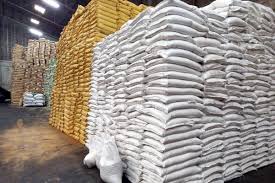
You open your grain store and notice something is not right. The smell is a little musty, the bags do not look as clean as they did before, and when you move closer, small insects scatter between the folds of the sacks. In another corner, you see fine webbing on the surface of stored grain or tiny moths flying up when the bags are disturbed. That sinking feeling comes quickly because you know the stock is not just sitting there. Something is feeding on it.
Stored product pest fumigation services are important for farmers, grain traders, millers, seed suppliers, tobacco merchants, animal feed businesses, warehouses, and anyone storing valuable commodities in Kenya. Grains, seeds, pulses, flour, tobacco, and other stored products can lose quality fast when insects get inside. The problem is not always visible from the outside. Many pests hide deep inside bags, silos, stacks, and kernels, which is why proper professional fumigation is often needed to protect the value of the stock.
Stored product pest fumigation is a professional pest control service used to eliminate insects inside stored commodities. It is different from ordinary spraying because the pests are not only on the surface. Some live inside grain kernels, between stacked bags, inside tobacco bales, in seed lots, and deep within storage areas where normal contact treatment cannot reach.
A trained fumigation professional starts by assessing the stored product and the storage environment. They check what commodity is being stored, the amount involved, the type of storage, and the visible signs of pest activity. A small farm store with maize bags needs a different approach from a large warehouse, bulk silo, seed store, or tobacco storage facility.
The inspection may look for grain weevils, beetles, moths, larvae, webbing, damaged kernels, fine dust, insect droppings, heating, musty smells, and signs of moisture. The fumigator also checks whether the commodity is bagged, stacked, bulk stored, or sealed in containers. This helps determine the safest and most effective fumigation plan.
Professional fumigation usually involves creating a controlled treatment environment so the fumigant can move through the stored product and reach hidden pests. This may involve sealing stacks, treating enclosed stores, working with silos, or handling containerized stock. The work must be done carefully because fumigants can be dangerous when used by untrained people. This is not a service for guesswork or casual handling.
Stored product pests can turn good stock into rejected stock very quickly. A few insects in one section of the store can multiply and spread through the bags if nothing is done. By the time the problem is obvious, the grain may already have lost weight, quality, smell, and market value.
For a farmer storing maize after harvest, insect damage means direct financial loss. You may have waited for better prices, only to discover that weevils and borers have reduced the quality of your grain. For a trader or miller, infested stock can lead to customer complaints, rejected deliveries, and damaged business relationships.
Seed suppliers face an even bigger risk because seed quality depends on cleanliness, viability, and proper storage. Insect damage can reduce germination and make seed unsuitable for sale or planting. Tobacco merchants also need clean storage because pests can damage leaf quality, affect grading, and reduce the final price.
Fumigation helps protect stored products by eliminating pests that are already present. It also supports better storage hygiene when combined with cleaning, inspection, moisture control, and proper stock rotation. The service is not just about killing insects. It is about protecting investment, reputation, and future income.
A farmer in Uasin Gishu stores maize after harvest, hoping prices will improve later in the season. At first, the bags look fine. After a few months, small beetles and weevils begin appearing near the top bags. The farmer tries sunning some grain and removing visibly infested sacks, but the insects are already deeper in the stack. Professional fumigation helps treat the full stored stock before more value is lost.
A grain trader in Nairobi stores several consignments of beans, maize, and pulses in a warehouse. A buyer later inspects the stock and finds live insects in some bags. Even if only part of the warehouse is visibly affected, the risk of spread can threaten the entire consignment. A professional fumigation service can treat the stock and provide documentation that supports the trader’s quality control process.
A seed supplier in Nakuru notices insect activity in stored seed bags. The concern is not just the insects themselves, but the possible loss of seed quality. The business needs a careful fumigation expert who understands stored product handling and can advise on protecting the stock without compromising its intended use.
A tobacco cooperative has bales stored while waiting for transport or sale. If pests damage the leaf, the quality and grading can drop. Regular inspection and professional fumigation can help protect the tobacco before damage becomes visible and costly.
Stored product pests are difficult because many of them hide in places you cannot reach by hand. Some insects feed inside grains or seeds. Others stay deep within stacks where air movement is limited. Spraying the outside of bags may kill a few visible insects but leave the real infestation untouched.
A professional understands how stored pests behave and how fumigation should be planned. They know that the goal is to treat the commodity properly while protecting workers, nearby people, animals, and the storage environment. This matters because fumigation products can be hazardous when handled wrongly.
Another major issue is incomplete treatment. If fumigation is done carelessly, some insects may survive and continue breeding. This can make the problem return quickly and may even make future control harder. A trained provider understands the importance of proper sealing, exposure control, aeration, and safety checks before anyone returns to the treated area.
Documentation is also important. Buyers, warehouse managers, exporters, millers, and institutions may require proof that fumigation was done professionally. A credible fumigator should be able to provide a service record or certificate showing that the stock was treated by a qualified provider.
When stored grain, seed, or tobacco is at risk, you do not have time to gamble with an unverified provider. A casual fumigation job can fail, damage trust with buyers, or create safety risks. You need someone who understands commodity fumigation, not just ordinary household pest control.
The Real Plug helps connect people in Kenya with vetted local professionals offering stored product pest fumigation services. Instead of calling random contacts or relying on someone who may not have the right experience, you can find fumigation experts who handle grains, seeds, tobacco, warehouses, stores, silos, and bulk storage environments.
This is useful for farmers, traders, millers, cooperatives, seed companies, tobacco businesses, animal feed suppliers, warehouse operators, exporters, and institutions storing food commodities. The right provider can inspect the situation, explain the fumigation process, and handle the work with the seriousness it deserves.
The Real Plug also helps reduce the stress of hiring blindly. Stored product fumigation involves valuable stock and safety sensitive products. You need a professional who communicates clearly, shows up as agreed, follows safety procedures, and gives proper service documentation where required.
The Real Plug is built for people who want trusted local professionals without wasting time on uncertain referrals. When you search for grain fumigation services, stored product fumigation near me, warehouse fumigation, seed fumigation, or tobacco pest control in Kenya, you need more than a name and phone number. You need a fumigator who understands the value of the commodity.
Through The Real Plug, farmers can find help before insects destroy stored harvests. Traders can protect stock meant for resale. Warehouse managers can arrange fumigation support for bagged or bulk commodities. Seed and tobacco businesses can connect with providers who understand that quality, safety, and documentation matter.
For larger storage facilities, professional relationships are important. Fumigation may not be a one time need. Warehouses, silos, grain stores, tobacco stores, and seed facilities may need regular inspections, scheduled treatments, and ongoing pest prevention advice. A trusted platform makes it easier to find providers who can support that kind of work.
For fumigation professionals, The Real Plug creates a way to reach serious clients in agriculture, storage, trade, and export. Skilled providers with experience in stored product fumigation can connect with customers who are actively looking for safe and reliable commodity protection.
Before fumigation, the storage area should be inspected and cleaned as much as possible. Spilled grain, broken bags, dust, damaged stock, and old residues can attract pests and make reinfestation more likely. Cleaning the store before treatment helps the fumigation work better and supports long term storage hygiene.
Separate clearly damaged or heavily infested stock where possible and show it to the fumigator. Also share details about how long the commodity has been stored, whether new stock has been added recently, and whether insect activity has been seen before. This helps the professional understand the level of infestation and the likely source.
Follow all safety instructions given by the fumigation provider. Fumigated areas should not be entered until the professional confirms that it is safe. Workers, family members, animals, and unauthorized people must be kept away from treated areas. With stored product fumigation, safety is not something to negotiate.
Ask for clear guidance on aeration, re entry, handling of treated stock, and any documentation you may need. A professional provider should explain the process in a way you understand and should not leave you guessing about when the store can be used again.
Fumigation kills pests that are present at the time of treatment, but it does not mean pests can never return. After fumigation, storage hygiene becomes very important. Keep the store clean, remove spilled grain quickly, repair torn bags, and avoid mixing new stock with old stock without inspection.
Moisture control is also important. Damp grain or poor ventilation can create conditions that support pests, mould, and bad smells. Store commodities dry and keep storage areas protected from rain, leaks, and ground moisture. If the store has drainage or roofing problems, fix them early.
Inspect stored products regularly. Do not wait until insects are flying around or webbing appears on the bags. Check corners, bag seams, stack surfaces, floor edges, and older stock. Early detection makes treatment easier and helps protect more of your commodity value.
Use proper stock rotation. Where possible, follow a first in first out system so older stock does not sit forgotten at the back of the store. Long storage periods increase risk, especially if the store is not inspected often. For warehouses and commercial stores, keeping records of stock movement can help reduce pest pressure.
Stored product pest fumigation services help protect grains, seeds, tobacco, pulses, flour, animal feed ingredients, and other stored commodities from insects that can quietly reduce quality and value. The service is especially important when pests are already inside the commodity or hidden deep within storage stacks where ordinary treatment cannot reach.
For farmers, traders, millers, seed suppliers, tobacco merchants, and warehouse operators, every bag or bale represents money, labour, and planning. Losing that value to insects is painful because it is often preventable. With proper fumigation, good storage hygiene, moisture control, and regular inspection, stored products can remain cleaner, safer, and more marketable.
When you need stored product pest fumigation services, hire a vetted fumigation professional through The Real Plug and protect your grains, seeds, tobacco, and stored commodities with proper expert care.
If you are a licensed fumigation professional offering stored product fumigation for grains, seeds, tobacco, warehouses, or silos, register on The Real Plug and connect with customers looking for reliable commodity protection.