Nairobi CBD - 00100
You may be doing a normal stock check when the first signs show up. A little dust at the bottom of a maize stack. A few small beetles moving through the seams of the sacks. Some moths flying near the lights in the store. At first, it may look like a small issue in one corner, but anyone who handles stored grain knows better. If insects are visible on the surface, there may already be eggs, larvae, and hidden pests deep inside the bags or bulk grain.
Warehouse and silo disinfestation phosphine fumigation services are essential for farmers, millers, grain traders, cooperatives, food processors, seed handlers, warehouse managers, and bulk storage operators in Kenya. Stored commodities such as maize, beans, wheat, rice, pulses, animal feed ingredients, and processed food materials can lose value quickly when pests are not controlled. A proper fumigation service helps protect stock from hidden infestation, quality loss, buyer rejection, and unnecessary financial damage.
Warehouse and silo disinfestation is a professional fumigation process used to eliminate stored product pests from bulk commodities and storage spaces. It is not the same as spraying around the walls or fogging the air in the warehouse. Many stored product pests live inside the grain, between bags, under stacks, or deep in silos where surface treatment cannot reach them.
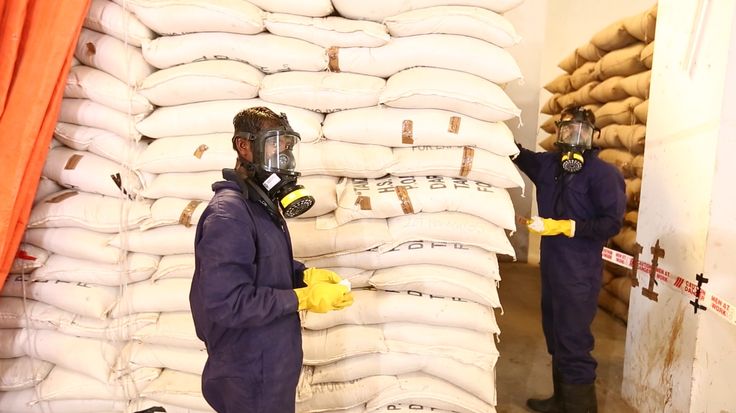
Phosphine fumigation is commonly used in stored product pest control because the gas can move through the commodity mass and reach insects hidden inside the stock. When applied correctly by trained professionals, it can control different life stages of pests, including adults, larvae, and some hidden stages that ordinary treatment would miss. However, phosphine is highly hazardous when mishandled, which is why the service must be done by qualified fumigation experts.
A proper service begins with a detailed assessment of the warehouse or silo. The fumigator checks the type of commodity, the quantity stored, the level of infestation, the storage structure, the condition of the stack, and the likely pest species. Bagged maize in a warehouse may need a different approach from bulk wheat in a silo or pulses stored in mixed stacks.
The fumigation expert also checks practical details such as moisture levels, ventilation, sealing points, stock arrangement, and access areas. These details matter because fumigation only works when the treatment area can hold the gas long enough to reach the pests. Poor sealing, damaged structures, or badly arranged stock can reduce the effectiveness of the service.
Stored product pests can quietly reduce the value of commodities long before the damage becomes obvious. Insects feed on the grain, leave waste behind, damage kernels, create dust, and can cause unpleasant smells. They may also contribute to heating and moisture problems inside stored stock, which can encourage mould and further quality loss.
For a farmer, pest damage means losing part of the harvest that took months of work to produce. For a trader, it can mean selling at a lower price or having stock rejected. For a miller or food processor, infested grain can affect production standards and customer confidence. For a warehouse operator, pest activity can damage the trust of clients who depend on the facility to keep their stock safe.
The cost of ignoring pests is usually much higher than the cost of treating them early. A few insects in one corner of the store can spread across the warehouse if the conditions are right. By the time moths are flying openly or beetles are crawling on several stacks, the infestation may already be advanced.
Professional fumigation protects stored value. Every bag or tonne in a warehouse represents money spent on production, buying, transport, drying, labour, storage, and waiting for the right market. Disinfestation helps preserve that value so the commodity remains cleaner, safer, and more marketable.
A maize trader in Eldoret may store thousands of bags after harvest, waiting for better market prices. Some bags remain in the same section for months. During a routine inspection, workers start seeing beetles and fine dust near the stack. If treatment is delayed, the infestation can spread to other bags and reduce the final selling price.
A cooperative in the North Rift may store maize collected from different farmers. Some grain may arrive with hidden insect activity, especially if it was not dried or handled properly before delivery. Once mixed into a larger storage system, the problem can become harder to isolate. Professional inspection and fumigation help protect the entire stock.
A miller in Nairobi may hold bagged maize or wheat near the processing plant. If insects are found before milling, the company cannot ignore the risk. Food safety, quality, and customer trust are at stake. Proper warehouse fumigation can help control the infestation before the grain enters production.
A food ingredients distributor in Mombasa may store pulses, cereals, flour ingredients, and animal feed materials in a warm warehouse. If cleaning is poor or stock rotation is slow, pests can multiply quickly. A structured fumigation and inspection plan can prevent repeated losses and customer complaints.
One of the biggest challenges with warehouse and silo pests is that the insects are not always where you can see them. Some pests hide inside kernels. Others stay deep between the bags or in the lower layers of a stack. Spraying the outside may create temporary relief, but the hidden infestation can survive and return.
A professional fumigator understands how to plan treatment based on the commodity, storage type, volume, pest pressure, and safety requirements. They know how to seal treatment areas, calculate the correct approach, monitor the process where required, and confirm when the area is safe again after fumigation.
Safety is a major concern. Phosphine fumigation should never be treated casually. Workers, guards, drivers, storekeepers, and visitors must stay away from treated areas until the fumigation professional gives clearance. A trained provider will control access, give clear warnings, manage aeration, and handle residues responsibly.
Professionals also help reduce the chances of recurrence. Fumigation controls pests present at the time of treatment, but poor storage hygiene can bring the problem back. A good provider will advise on cleaning, monitoring, moisture control, stock rotation, sealing gaps, and inspecting incoming stock before it is added to the warehouse or silo.
When stored commodities are at risk, choosing the wrong fumigator can be costly. A cheap but poorly done treatment may leave pests alive, create safety risks, and give you false confidence. Warehouse and silo fumigation is specialized work, not a job for an unverified provider who only handles basic household pest control.
The Real Plug helps connect people in Kenya with vetted local professionals offering warehouse and silo disinfestation phosphine fumigation services. Instead of relying on random contacts, you can find fumigation experts who understand stored product pests, grain storage, bagged stacks, bulk silos, safety procedures, and proper service documentation.
This is useful for farmers, millers, cooperatives, grain aggregators, warehouse operators, food processors, seed handlers, animal feed businesses, exporters, and commodity traders. The right provider can assess your storage situation, explain the treatment process, and handle the work with the level of care your stock deserves.
The Real Plug also helps businesses avoid the stress of hiring blindly. When your warehouse or silo holds stock worth serious money, you need someone who communicates clearly, respects safety rules, works professionally, and understands the importance of protecting stored commodities.
The Real Plug is built for people who want reliable local professionals without wasting time on uncertain referrals. When you search for warehouse fumigation near me, silo disinfestation, phosphine grain fumigation, or bulk storage pest control in Kenya, you need a provider who understands both fumigation safety and commodity value.
Through The Real Plug, warehouse managers can find fumigation experts for bagged stock and storage areas. Silo operators can connect with professionals who understand bulk commodity treatment. Grain traders can get help before pests reduce market value. Food processors can arrange fumigation as part of quality control and storage management.
For businesses with regular storage needs, The Real Plug can make it easier to build long term relationships with trusted professionals. Warehouses and silos often need scheduled inspections, seasonal fumigation, and ongoing pest prevention support. Having a reliable provider makes the process more organized.
For licensed fumigation professionals, The Real Plug creates a place to reach serious clients in the grain, food, and storage industries. Providers with experience in phosphine fumigation and stored product pest control can connect with businesses that are actively looking for dependable service.
Before fumigation, inspect the storage area and note where pest activity has been seen. Show the fumigator areas with insects, webbing, damaged bags, fine dust, heating, moisture, or unusual smells. These details help the professional understand how far the infestation may have spread.
Clean the warehouse or storage structure as much as possible before treatment. Remove spilled grain, broken bags, old residues, dust, unused packaging, and clutter. Pests often survive in neglected corners and leftover grain, so good sanitation makes fumigation more effective and reduces the risk of quick reinfestation.
Make sure staff understand that the fumigation area is restricted. Storekeepers, loaders, drivers, guards, cleaners, and casual workers should not enter treated areas until the fumigation professional confirms it is safe. Clear communication prevents dangerous mistakes.
Ask for a service record after treatment. A professional provider should give details of the area treated, commodity involved, date of treatment, safety clearance, and recommendations for prevention. These records can help with buyer confidence, audits, management reporting, and future pest control planning.
Inspect stored commodities regularly. Check bag seams, stack bases, corners, silo discharge points, sampling areas, and older stock. Do not wait until insects are visible everywhere. Early detection makes the problem easier and cheaper to control.
Keep the storage area clean between stock cycles. Spilled grain, dust, broken bags, and old residues can keep pests alive even when the main stock has moved out. Cleaning empty stores before new stock arrives is one of the simplest ways to reduce pest pressure.
Control moisture and ventilation as much as possible. Damp grain, leaking roofs, poor airflow, and condensation can create storage conditions that encourage pests and mould. Stored commodities should be dried properly and protected from water entry.
Use proper stock rotation. A first in first out system helps prevent old stock from sitting forgotten in the same corner for too long. Long stored commodities should be checked more often because the risk of pest buildup increases with time.
Warehouse and silo disinfestation phosphine fumigation services help protect grains, legumes, pulses, seeds, animal feed ingredients, and processed food materials from pests that can hide deep inside stored stock. The service is especially important where ordinary cleaning or surface treatment cannot reach the full infestation.
Stored commodities are money sitting in bags, bins, stacks, or silos. Letting insects feed on that value through delay or poor treatment can affect profit, buyer trust, and business stability. With professional fumigation, good hygiene, regular inspection, and better storage practices, your stock has a much better chance of reaching the market in good condition.
When you need warehouse and silo disinfestation phosphine fumigation services, hire a vetted fumigation professional through The Real Plug and protect your stored commodities with proper expert care.
If you are a licensed fumigator offering phosphine fumigation for warehouses, silos, grain stores, and bulk commodities, register on The Real Plug and connect with clients looking for reliable stored product pest control.