Nairobi CBD - 00100
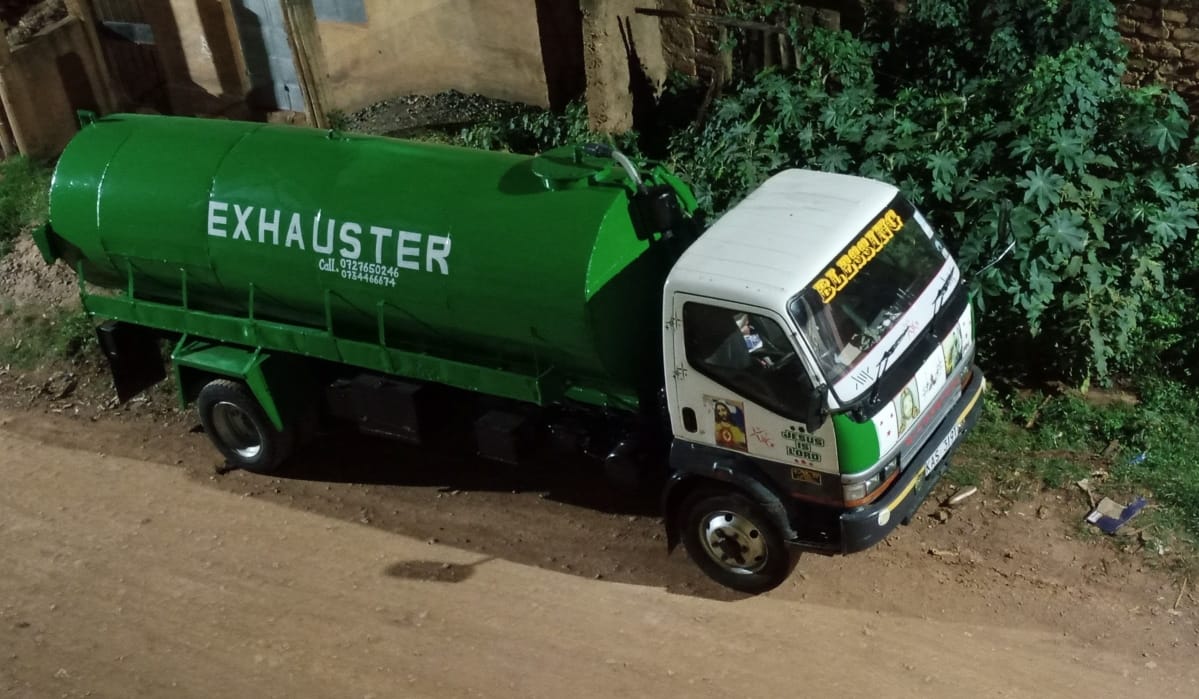
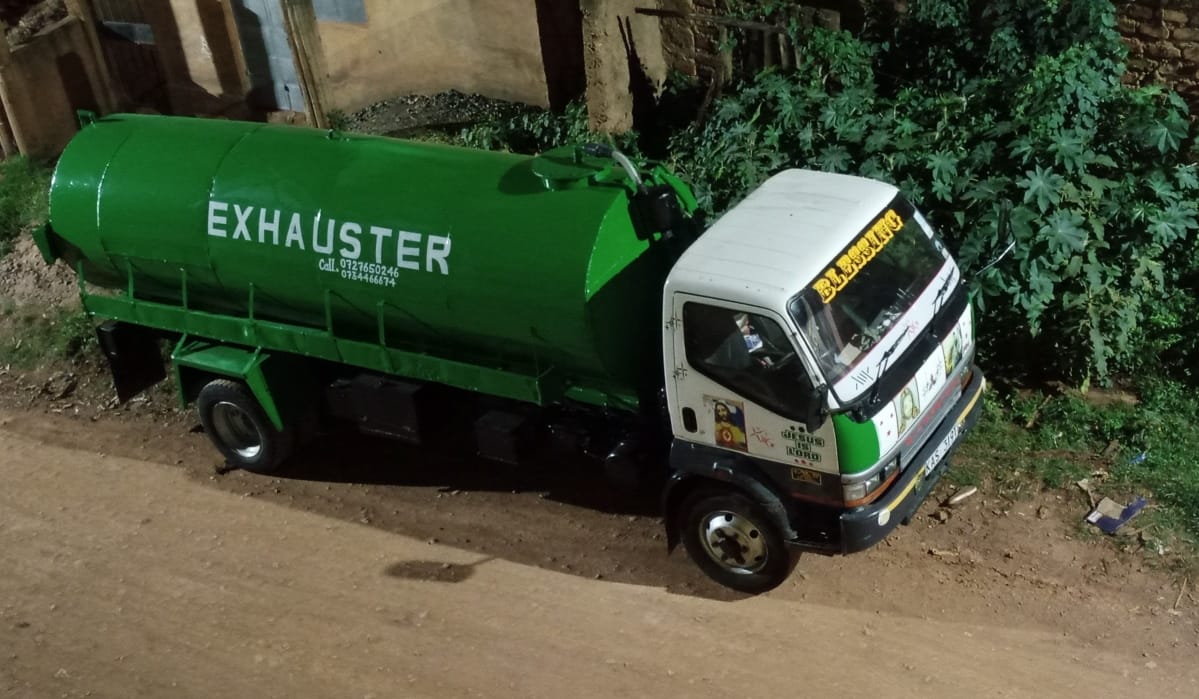
It is late in the evening in an apartment block in Pipeline, Embakasi, and the caretaker is getting calls from angry tenants on the ground floor. The main manhole in the parking area has started overflowing, raw sewage is moving toward the gate, and the smell is already entering nearby houses. Children are being told to stay indoors, tenants are threatening to call the landlord, and nobody wants to wait until morning because the situation is getting worse by the minute. This is exactly when emergency exhauster services become necessary, because a sewage overflow is not the kind of problem you can postpone politely.
Sewage emergencies rarely happen at a convenient time. They show up at night, during long weekends, in the middle of a family event, just before a restaurant opens, or when a school term is already in full swing. A full septic tank, blocked sewer line, overflowing manhole, or failed soak pit can quickly turn a normal property into a health hazard. For homeowners, landlords, tenants, school managers, restaurant owners, facility managers, and business operators in Kenya, fast response matters because every hour of delay can mean more contamination, more complaints, more property damage, and higher repair costs.
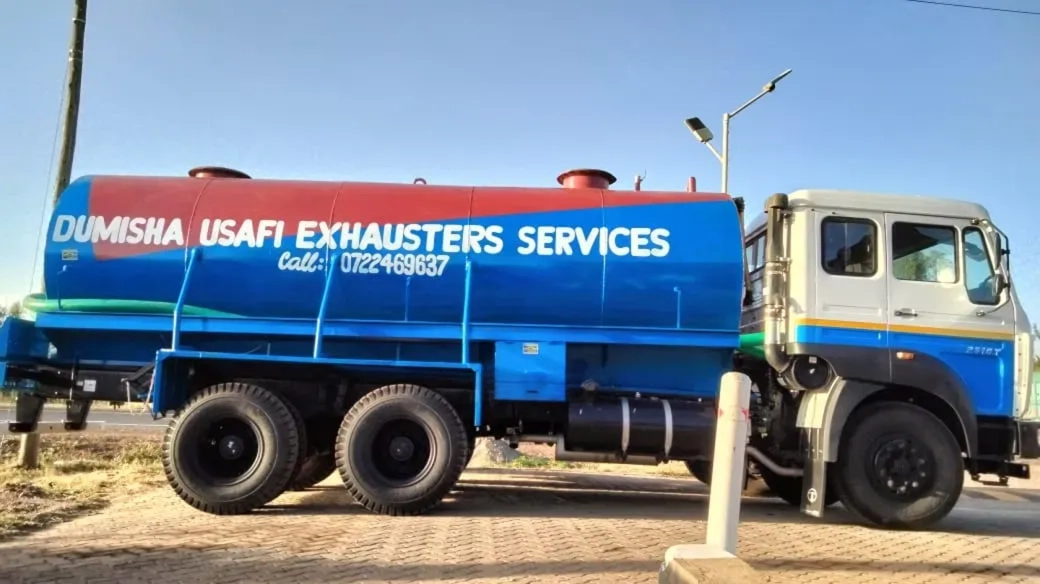
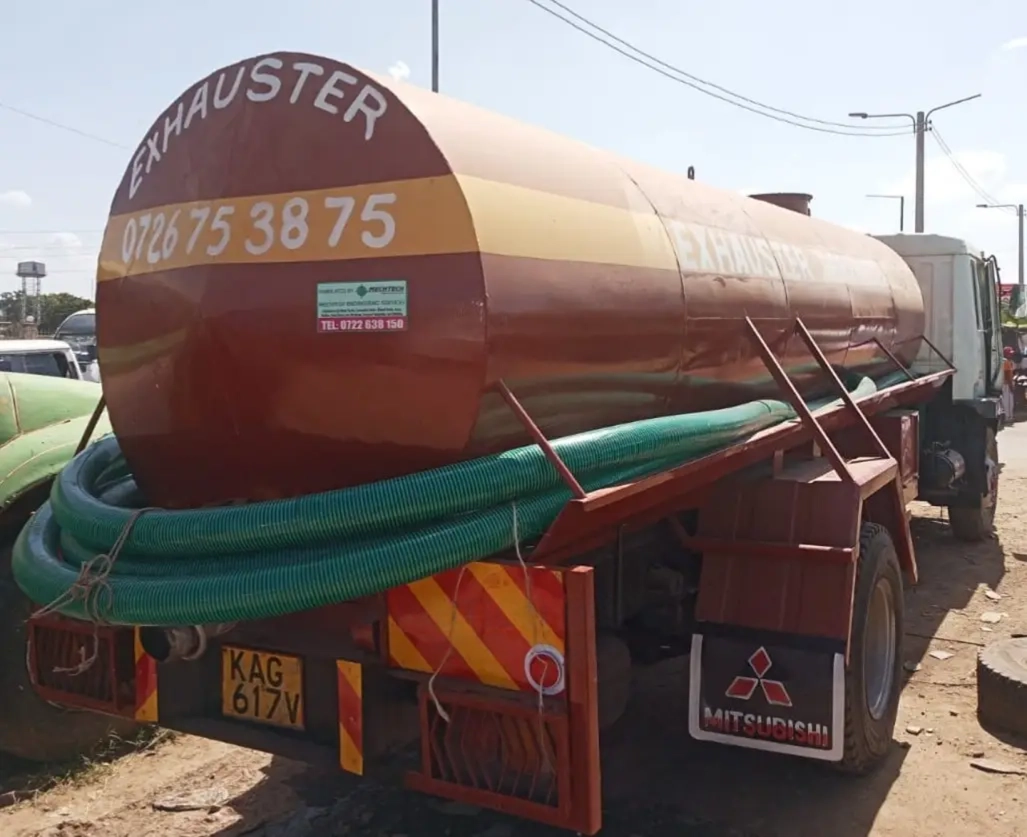
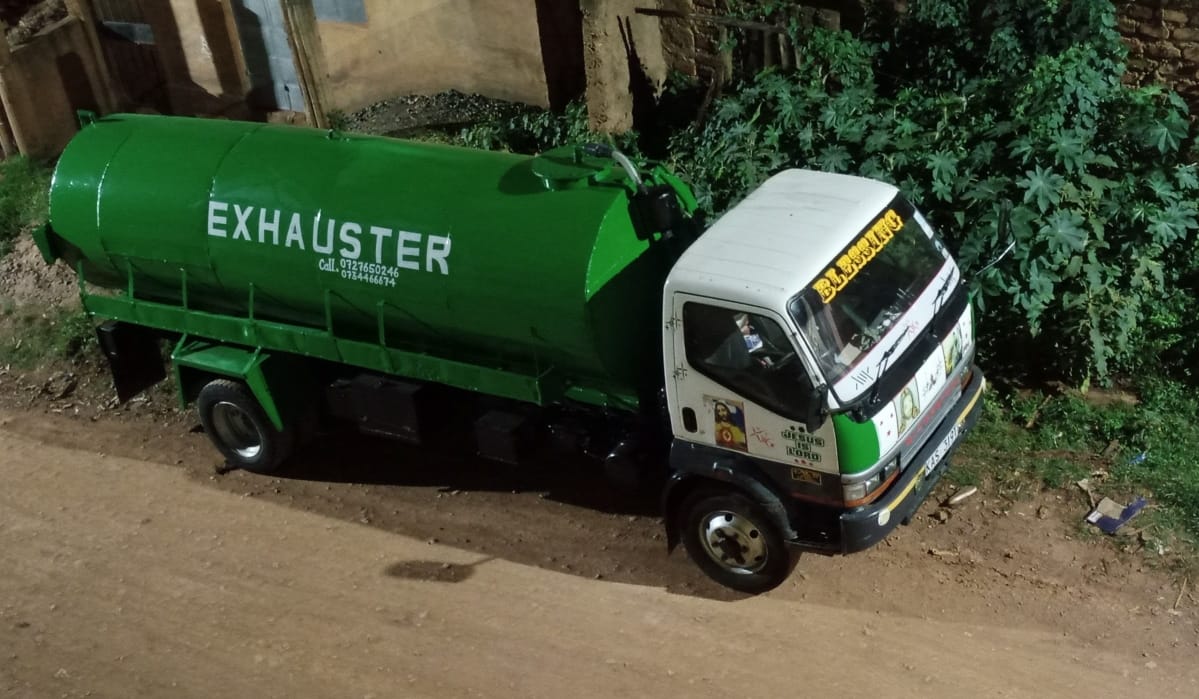
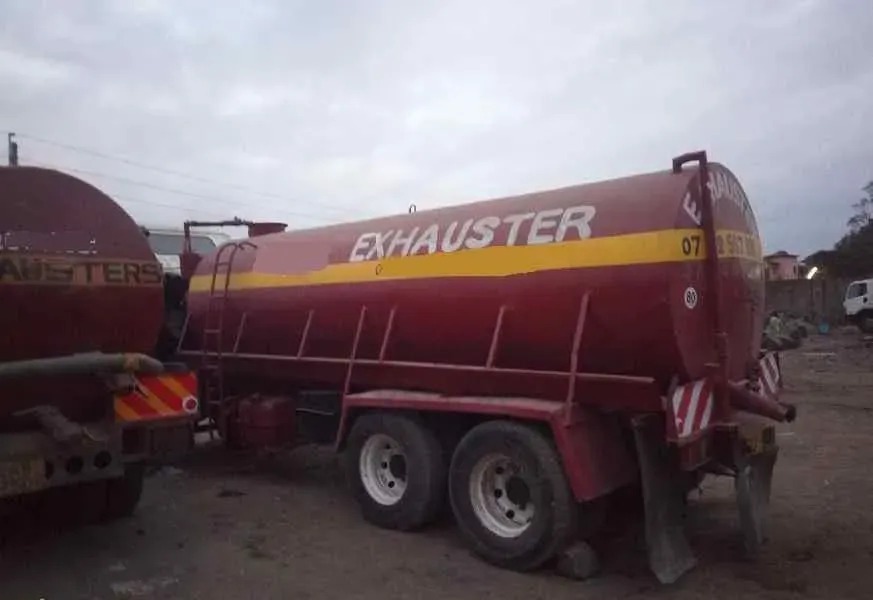
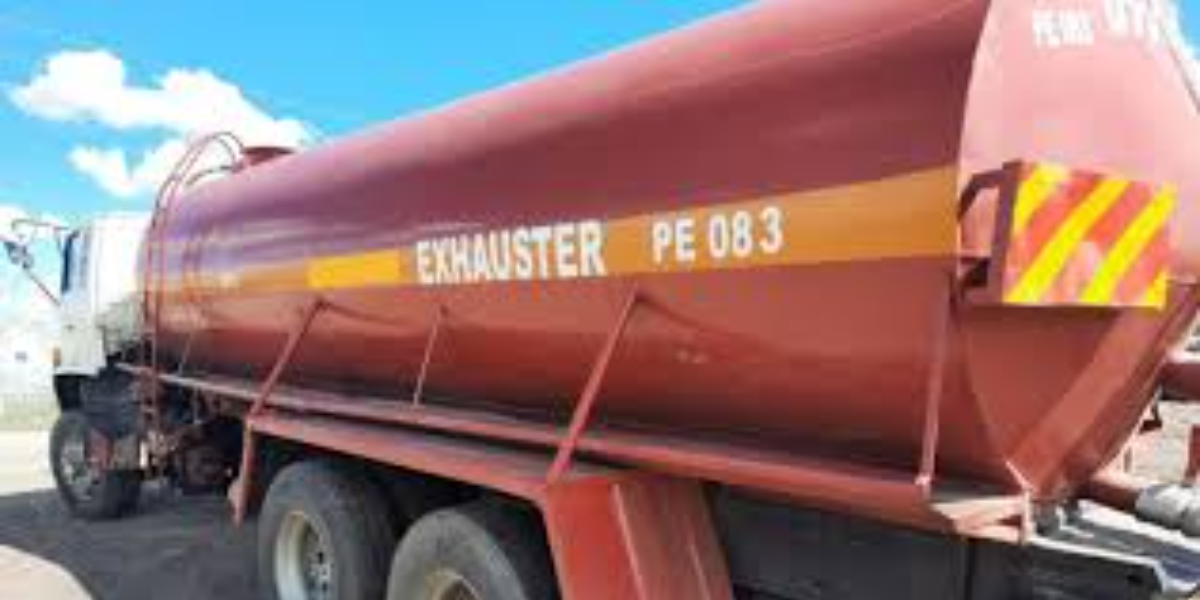
Emergency exhauster services are rapid-response sewage removal services for situations where waste systems have failed suddenly and cannot wait for normal scheduling. The service covers urgent septic tank emptying, conservancy tank emptying, bio-digester waste removal, soak pit drainage, blocked chamber clearing, and wastewater extraction from overflowing manholes, flooded compounds, toilets, bathrooms, kitchens, staff facilities, and commercial premises. It is commonly needed in homes, apartment blocks, estates, schools, hospitals, restaurants, hotels, offices, churches, warehouses, factories, events, and construction sites.
The main purpose of emergency exhauster services is to stop active overflow, reduce immediate health risks, and restore basic sanitation as quickly as possible. When raw sewage is already outside the tank or backing up into toilets, the issue is no longer routine maintenance. It becomes an urgent sanitation problem that can expose people to harmful bacteria, damage floors and walls, contaminate outdoor spaces, attract flies, and create conflict between landlords, tenants, neighbours, customers, or public health officers. In a rental block in Kasarani, a restaurant in Kilimani, a school in Umoja, or a clinic in Eastleigh, fast action can prevent the situation from spreading into a bigger crisis.
Delaying emergency sewage removal can be expensive. A blocked line can push waste back into ground-floor bathrooms, servant quarters, shop washrooms, or restaurant kitchens. Overflowing manholes can contaminate parking areas, gardens, walkways, and drainage channels. In commercial spaces, customers may leave immediately, staff may refuse to continue working, and inspectors may issue warnings or closure notices. This is why emergency exhauster services in Kenya are important for both safety and business continuity, especially in areas where many properties depend on septic tanks instead of reliable main sewer connections.
Many sewage emergencies happen because properties have grown faster than their waste systems. A plot that once had one family home may now have a block of flats with dozens of tenants using the same septic tank design. A school that once served 300 pupils may now have over 900 learners. A small restaurant may have expanded into a busy nyama choma joint with more sinks, toilets, and kitchen waste than the old drainage system can handle. In places like Ruaka, Ruiru, Rongai, Kitengela, Syokimau, Mlolongo, Kikuyu, Juja, and parts of Nairobi, this kind of growth is common, and older septic systems often struggle under the pressure.
Heavy rains are another major trigger. When the ground becomes waterlogged, soak pits may stop absorbing liquid properly. The septic tank fills faster, and pressure pushes waste back through the lowest points in the system, usually ground-floor toilets, servant quarter bathrooms, or outdoor manholes. This is why landlords and caretakers in places like Donholm, Fedha, South C, Githurai, Kisumu, Eldoret, Nakuru, and Nyeri often experience emergency sewage calls during rainy seasons. The system may look fine during dry weather, then fail suddenly after several days of rain.
Blockages also cause many urgent calls. Tenants may flush diapers, sanitary towels, wipes, food remains, plastic wrappers, hair, or other materials that do not break down. Restaurants may send grease and food particles into drainage lines, causing thick blockages that build slowly until the pipe closes completely. In hotels, schools, malls, and apartment blocks, one blocked main line can affect many users at once. Sometimes the tank is not even full, but the waste cannot reach it because the pipe is blocked somewhere between the building and the manhole.
Poor maintenance makes all these issues worse. Some property owners wait until they see overflow before calling for septic tank emptying, even when the system has shown warning signs for weeks. Bad smells, slow flushing toilets, gurgling drains, wet patches near manholes, and frequent bathroom blockages are usually early warnings. Ignoring them allows sludge to build up, pipes to clog, and soak pits to fail. By the time the problem becomes visible, the client may need urgent septic tank emptying, drainage unblocking, disinfection, and sometimes further repairs.
A professional emergency exhauster provider starts by gathering the most important information quickly. They will ask where the property is located, what exactly is overflowing, whether the issue is affecting toilets or outside manholes, how many people are on site, whether the property is residential or commercial, and whether the truck can access the tank or chamber. For apartments in Kilimani, gated homes in Karen, shops in Thika, estates in Kitengela, or restaurants in Westlands, access can affect the speed of response because the team may need long hoses, gate clearance, or night work coordination.
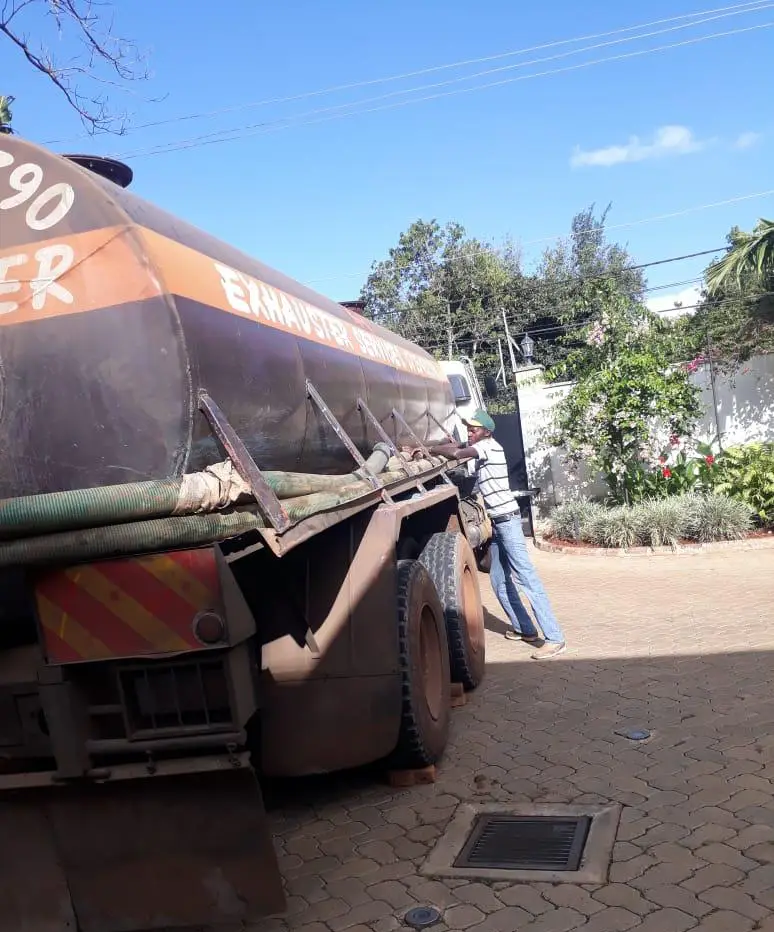
Once on site, the team should first secure the affected area. Raw sewage is hazardous, and people should not walk through it or stand around open manholes. A serious crew will use protective gear, position the truck carefully, lay suction hoses safely, and keep children, tenants, customers, patients, or staff away from the danger zone. In emergencies, speed matters, but careless speed can create more problems. The provider should work fast while still protecting the property and the people around it.
The extraction process usually focuses on lowering the waste level quickly to stop the active overflow. After that, the team should empty the tank or chamber properly, including sludge where possible, because leaving thick waste behind can cause the same problem to return within days. If the overflow is caused by a blocked line, the provider may need to use rodding, jetting, or other unblocking methods to clear the flow before or after emptying. For businesses, schools, healthcare facilities, and large residential blocks, restoring flow is just as important as removing the visible waste.
After the emergency emptying, the affected area should be cleaned and disinfected where necessary. A parking area, walkway, kitchen drain, staff toilet block, or apartment compound should not be left with sewage residue. The crew should also close manholes properly, check that toilets are flushing, and confirm that water is flowing through the line. Responsible providers transport the waste to approved disposal sites instead of dumping it illegally. A receipt or service record is useful, especially if neighbours complained, county officers visit later, or the property manager needs proof that the issue was handled.
You should call for emergency exhauster services immediately when sewage is actively overflowing from a manhole, toilet, bathroom drain, floor drain, or septic tank area. Active overflow means the waste is already outside the system and can spread quickly. In apartment blocks, this can affect tenants on the ground floor first. In homes, it may enter the compound, servant quarters, or garden. In schools and hospitals, the risk is higher because children, patients, and staff may come into contact with contaminated areas.
Backflow inside the building is another urgent sign. If flushing one toilet causes waste or dirty water to rise in another toilet, bathroom, or floor drain, the system may be blocked or full. Waiting can push sewage into bedrooms, corridors, kitchens, staff rooms, or storage areas. For restaurants, butcheries, salons, supermarkets, clinics, hotels, and offices, this can force closure or create serious hygiene concerns. A business cannot operate normally when customers or staff can smell sewage near working areas.
You should also act quickly if sewage is flowing toward a public road, storm drain, neighbour’s compound, borehole area, water tank base, playground, food preparation area, or drainage channel. Once waste spreads beyond your property, the problem becomes more difficult to control and may attract complaints or enforcement action. For events, construction sites, churches, and schools, emergency response may be needed even before overflow becomes severe because many people depend on the facilities at the same time. When sanitation affects many users, delaying is rarely worth the risk.
When you search for emergency exhauster services near me, the provider should respond quickly and communicate clearly. They should answer calls or return them promptly, especially if they advertise 24-hour exhauster services in Kenya. A serious emergency provider will give a realistic arrival window, ask for directions, confirm access details, and explain what they need before arriving. They should not make vague promises just to secure the job while leaving you waiting with sewage still spreading across the compound.
Pricing should also be explained clearly. Emergency work may cost more than scheduled septic tank emptying because it can involve night response, urgent dispatch, longer travel, extra crew, difficult access, or disinfection. Even so, the client deserves to know the expected charges before the work begins. Hidden charges are common when people are under pressure, so ask whether the price includes waste extraction, transport, disposal, unblocking, night service, hose extension, or clean-up. Affordable emergency exhauster services are helpful, but the cheapest quote can be risky if the provider cuts corners.
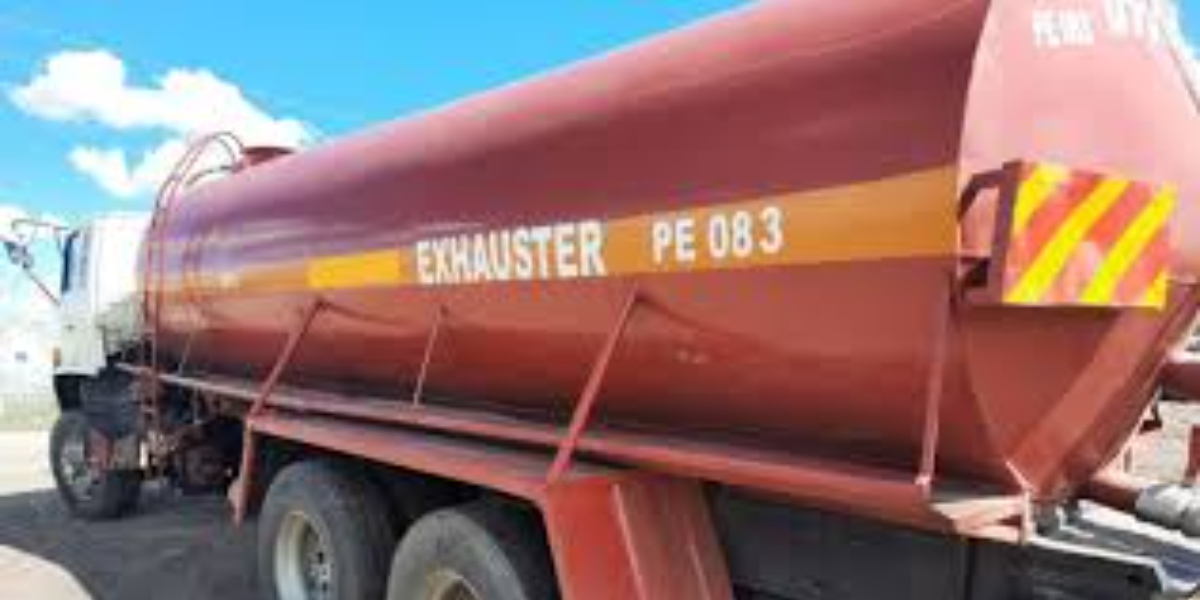
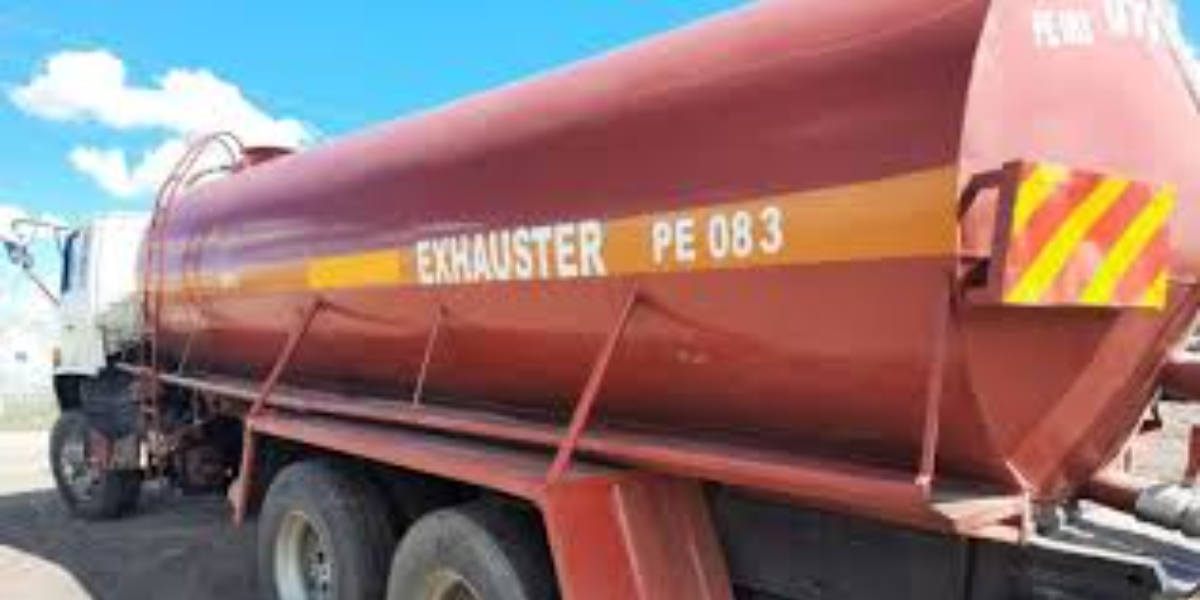
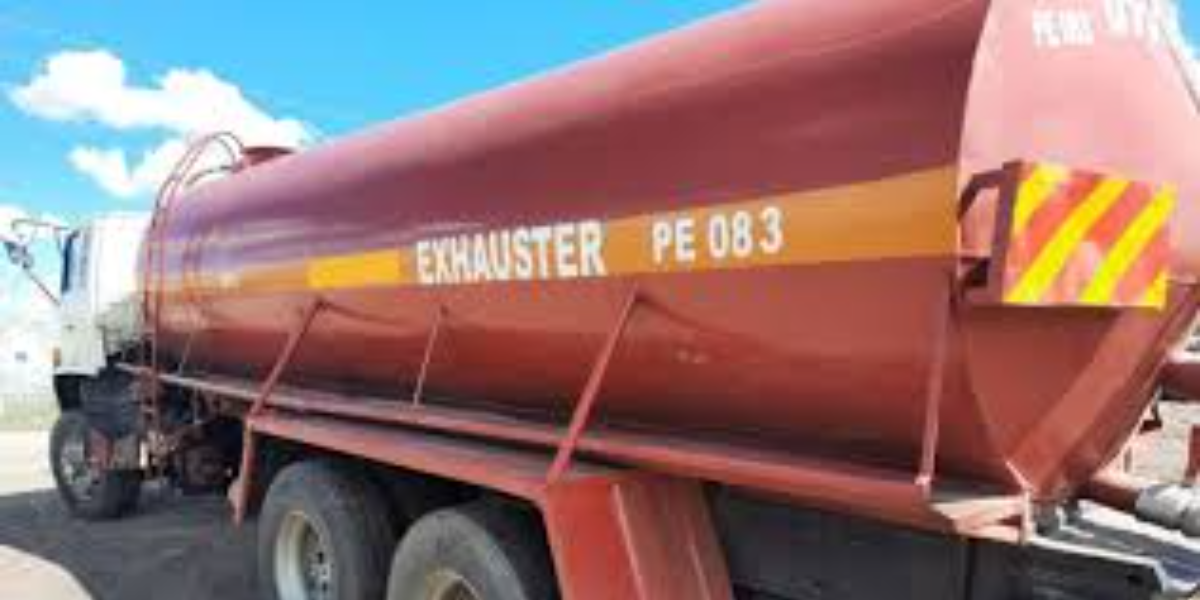
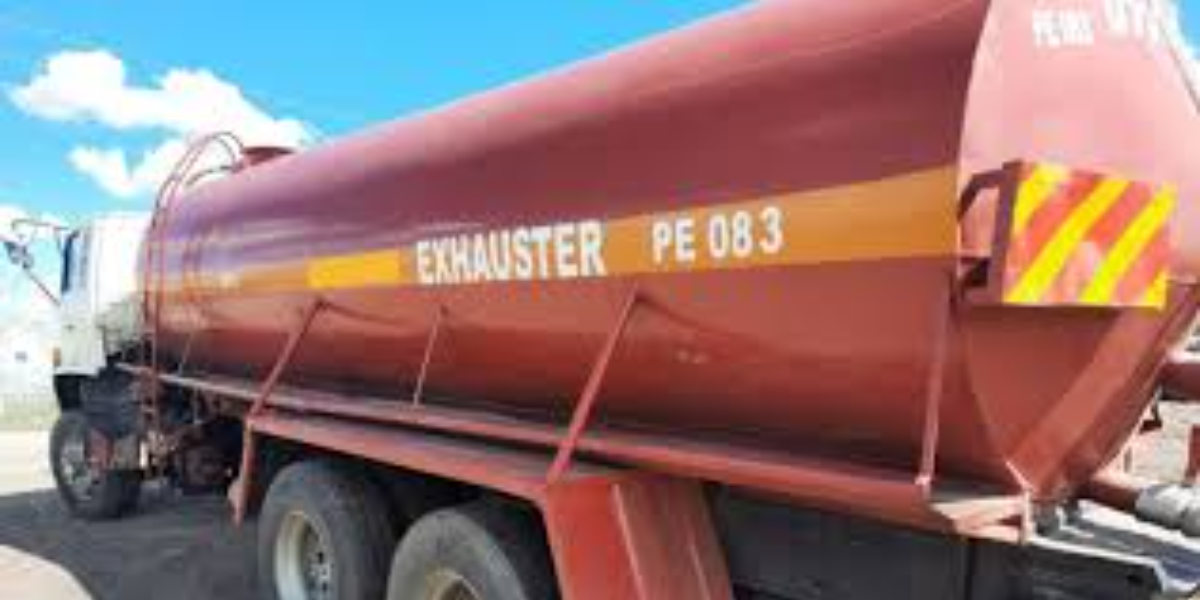
The right equipment matters. A small truck may not help if the septic tank serves a large apartment block, school, commercial property, or estate. The provider should have a truck capacity suitable for the job, working suction hoses, proper protective gear, night lighting if needed, and tools for basic blockage handling. They should also respect the property by avoiding unnecessary damage to cabro paving, gardens, gates, driveways, pipes, or manhole covers. In an emergency, professional conduct helps calm the situation rather than making it more chaotic.
After the job, a reliable provider should explain what they found. Was the tank full? Was there a blocked pipe? Did the soak pit fail because of rain? Was sludge buildup the main issue? Did misuse of toilets cause the blockage? This feedback helps property owners and managers prevent repeat emergencies. They may recommend scheduled emptying, drainage inspection, tenant education, grease trap cleaning, soak pit repair, or tank upgrade depending on the cause. Good emergency support does not just stop today’s overflow; it helps reduce tomorrow’s risk.
When sewage starts overflowing, people naturally panic. A caretaker may pour acid into the manhole, hoping it will dissolve the blockage. A tenant may try to push a metal rod into the toilet line. A landlord may hire casual workers to scoop waste manually and dump it somewhere nearby. These shortcuts can be dangerous, illegal, and ineffective. Strong chemicals can damage pipes, create harmful fumes, and interfere with septic tank bacteria. Manual handling exposes workers and residents to pathogens, cuts, slips, and contamination.
Waiting until morning can also be costly. If sewage enters homes, shops, kitchens, storage rooms, or corridors, cleanup becomes harder and damage increases. Furniture, stock, carpets, wooden fittings, paintwork, and electrical points can be affected. In rental properties, tenants may demand compensation or threaten to leave. In businesses, one night of delay can mean lost sales, spoiled stock, bad reviews, and uncomfortable conversations with county health officers. A sewage emergency is one of those problems where quick action usually saves money.
Professional emergency exhauster services provide the right mix of speed, equipment, safety, and accountability. The team can stop overflow faster, remove waste using sealed systems, dispose of it responsibly, and clean the affected area better than improvised methods. For landlords, this protects tenant relationships. For homeowners, it protects family health and property. For businesses, it helps restore operations before the problem damages customer trust. The difference between a professional response and a panic fix is often the difference between a controlled incident and a bigger crisis.
During an emergency, the temptation to call the first available number is strong, but this is where many clients get into trouble. An unverified provider may promise quick arrival and then show up hours later, by which time sewage has spread further. They may arrive with a leaking truck, worn-out hoses, or equipment too small for the job. In a crowded estate, school compound, restaurant yard, or hospital parking area, poor equipment can turn one overflow into a wider contamination problem.
Illegal dumping is another serious risk. Rogue providers may charge low emergency rates because they have no intention of paying for proper disposal. They may empty the tank and release the waste into a river, quarry, open land, storm drain, or roadside ditch at night. If the waste is traced back to your property or business, you may face complaints, fines, legal pressure, or reputational damage. For hotels, restaurants, clinics, schools, landlords, and gated communities, that risk is not worth a cheap quote.
Safety risks are also real. Untrained crews may leave manholes uncovered in the dark, fail to warn residents, spill waste on walkways, or damage drainage pipes while rushing. If a child, tenant, customer, worker, or visitor falls near an open chamber or slips on contaminated ground, the property owner may be held responsible. In food businesses, clinics, and schools, even small sewage spills can create serious hygiene concerns if they are not cleaned properly.
Incomplete work can leave you paying twice. Some operators remove only the liquid layer to stop visible overflow, then leave thick sludge and blockages behind. The tank looks relieved for a day or two, then the same problem returns because the root cause was not handled. Others add hidden charges once they arrive, knowing the client is desperate. Working with trusted emergency exhauster providers reduces these risks because you are more likely to get a team that communicates clearly, uses proper equipment, and takes responsibility for the service.
The Real Plug helps property owners, landlords, tenants, facility managers, school administrators, event organizers, and business owners connect with vetted local professionals and businesses across Kenya. When sewage is overflowing, you do not have time to scroll through random Facebook comments, call numbers from faded street posters, or wait for someone in a WhatsApp group to recommend a fundi. The Real Plug gives you a more organized way to find providers offering emergency exhauster services when sanitation problems cannot wait.
Through The Real Plug, you can review available providers, compare options, and connect with local professionals in Kenya who offer urgent septic tank emptying, sewage overflow removal, blocked drainage support, and 24-hour exhauster response where available. This is helpful whether you are dealing with an overflowing tank in Kilimani, a blocked apartment line in Roysambu, a school sanitation emergency in Buruburu, a restaurant backup in Ngong Road, or a home septic issue in Kitengela. Instead of guessing, you can look for providers who serve your area and match the urgency of the job.
The platform also helps reduce the risks that come with random hiring. Clients can avoid relying only on unknown contacts, unclear pricing, missed appointments, and providers who may not handle waste responsibly. For planned prevention, The Real Plug is also useful because property managers can identify trusted exhauster service providers before an emergency happens. If you manage several rentals, schools, clinics, restaurants, or commercial buildings, having reliable options ready can save you from panic when the next late-night sewage problem appears.
For businesses offering emergency exhauster services, The Real Plug creates visibility among clients who need urgent help and are ready to hire. Many landlords, caretakers, restaurant owners, school heads, homeowners, and facility managers search online for 24-hour exhauster Kenya, urgent septic tank emptying, sewage overflow removal, or emergency exhauster services near me. If your business is not visible where people are searching, those urgent leads may go to another provider even if you have the right trucks, crew, and experience.
Creating a profile on The Real Plug helps exhauster businesses present themselves professionally and build trust before the client calls. You can highlight your response areas, emergency availability, fleet capacity, types of properties served, night and weekend service, and disposal practices. In a category where clients fear scams, late arrivals, hidden charges, and unsafe waste handling, a strong profile helps genuine providers stand out. The Real Plug gives professional exhauster businesses a better chance to connect with serious clients across Kenya who value speed, accountability, and reliable service.
Emergency exhauster services are important, but the best property managers do not wait for sewage to overflow before thinking about sanitation. Keeping records of the last emptying date, watching for warning signs, educating tenants or staff on what not to flush, and scheduling routine septic tank maintenance can prevent many emergencies. If a tank has overflowed once, it is worth asking whether the system is undersized, blocked, poorly drained, or overdue for more frequent servicing.
Still, emergencies happen even when people try to plan well. Heavy rains, sudden blockages, misuse, old systems, and unexpected high usage can push a drainage system beyond its limit. When that happens, fast professional help protects health, property, operations, and peace of mind. Whether you are a homeowner, landlord, school manager, business owner, or facility manager, having access to trusted emergency exhauster services in Kenya can make the difference between a short disruption and a messy, expensive crisis.
Property owners and facility managers facing urgent sewage overflows can review and hire trusted professionals offering emergency exhauster services through The Real Plug to stop the problem quickly and protect their premises.
Professionals and businesses offering 24-hour emergency exhauster services can create a profile and get listed on The Real Plug to gain visibility and connect with clients across Kenya who need immediate sanitation support.