Nairobi CBD - 00100
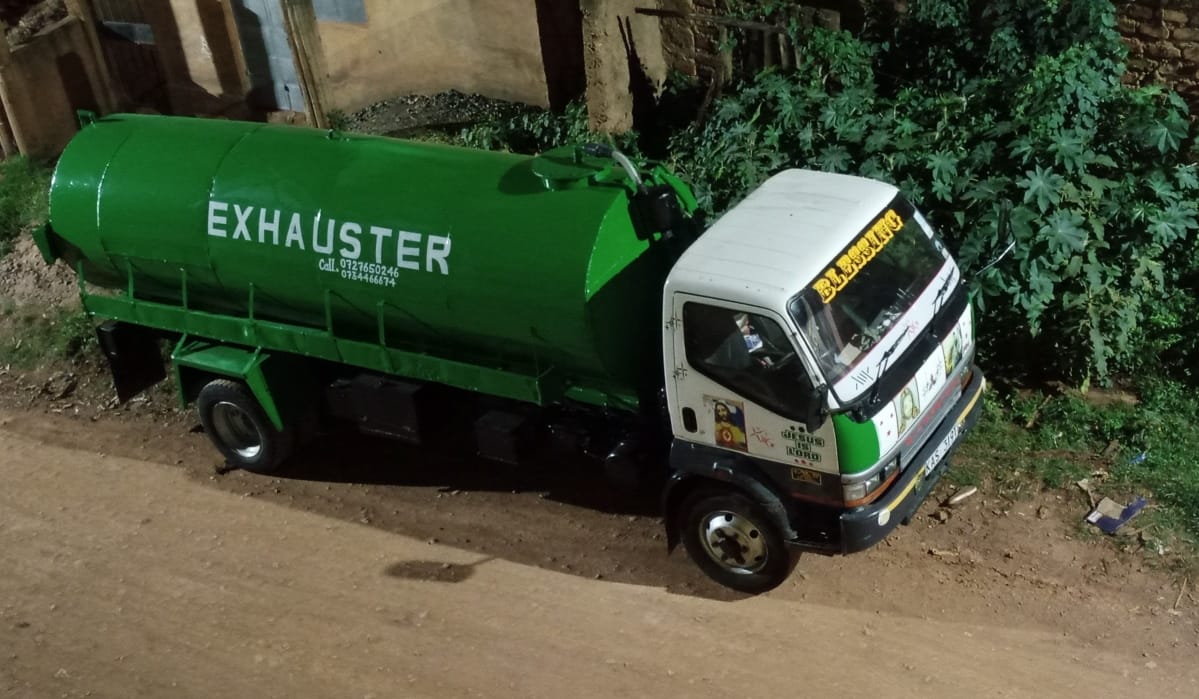
Picture a busy warehouse in Embakasi on a Monday morning, with trucks lined up outside, loaders waiting near the gate, and a supervisor trying to keep the day on schedule. Then someone reports that the staff toilets are overflowing, the changing room drains are pushing back dirty water, and a sharp sewage smell is spreading toward the loading bay. Within minutes, what looked like a normal workday turns into a sanitation emergency. This is exactly when professional sewage removal for warehouses, industrial sites, and worker facilities becomes more than a maintenance task; it becomes a business continuity issue.
On a home compound, a full septic tank is already stressful. On an industrial site, the pressure is much bigger because workers, drivers, contractors, clients, and sometimes inspectors are all affected at once. A blocked or overflowing sewage system can slow down shifts, force staff to leave the premises, attract complaints from neighboring businesses, and expose the company to health and compliance problems. In places like Industrial Area, Athi River, Mombasa Road, Thika, Ruiru, Nakuru, Kisumu, and Mombasa, many warehouses and factories rely on septic tanks, conservancy tanks, bio-digesters, or private drainage systems that need regular emptying. Waiting until sewage is already flowing on the ground is usually more expensive than planning the service early.
Sewage removal for warehouses, industrial sites, and worker facilities is the safe emptying, collection, transportation, and disposal of wastewater and sludge from large commercial or industrial properties. It usually covers septic tanks, soak pits, bio-digesters, conservancy tanks, inspection chambers, and drainage lines connected to staff toilets, canteens, changing rooms, guard houses, outdoor washrooms, and temporary worker camps. The service is commonly needed by warehouse owners, landlords, factory managers, construction site supervisors, school administrators, facility managers, restaurant operators, logistics companies, and commercial property managers.
The reason this service matters is simple: industrial and worker facilities are used heavily every single day. A small residential septic tank might serve a family of five, but a warehouse staff block can serve 80, 150, or even 300 people across different shifts. Drivers may use the gate toilets, casual workers may use outdoor washrooms, cleaning teams may send water through floor drains, and canteens may release greasy wastewater into the system. That level of usage fills tanks faster and increases the risk of blockages, especially where the original drainage design was not built for the current number of users.
Delaying sewage removal can turn a manageable maintenance job into an emergency. A full tank can cause backflow into toilets, bad smells near offices and loading zones, wet patches around manholes, and contaminated runoff during rainy weather. If the facility handles food, packaging, pharmaceuticals, hospitality supplies, or export goods, poor sanitation can also raise serious questions during inspections. For a landlord managing go-downs in Syokimau, a property manager running worker housing in Kitengela, or a factory operator in Thika, reliable sewage management protects both people and operations.
Many industrial and warehouse areas in Kenya have grown faster than the supporting infrastructure around them. Some properties were built in locations where the main sewer line was not available, so developers installed septic tanks, soak pits, or bio-digesters as the practical option. That works well when the property has light use, but once a logistics firm, packaging company, food processor, manufacturing plant, or construction materials supplier moves in, the number of daily users can rise sharply. The drainage system that looked sufficient on paper may begin struggling after just a few months of heavy use.
Worker facilities are often the first areas to suffer because they are used intensely and sometimes maintained last. During shift changes, many staff members use the toilets and wash areas within a short window. In some sites, toilet paper, wipes, plastic wrappers, sanitary items, food leftovers, and other non-biodegradable materials end up in the system. These items do not break down properly, so they collect in pipes, chambers, and tanks until wastewater has nowhere to go. By the time the smell is obvious, the blockage or overflow may already be affecting several sections of the property.
Rainy seasons also make the problem worse in areas with poor drainage or high groundwater levels. When the ground is saturated in places like Nairobi outskirts, Kiambu, Nakuru, Kisumu, or parts of Mombasa, soak pits may stop absorbing liquid properly. Stormwater can also enter damaged manholes and overload the system. That is why serious facilities do not treat sewage removal as a one-off emergency call. They schedule professional sewage removal, inspection, and maintenance before the site reaches crisis point.
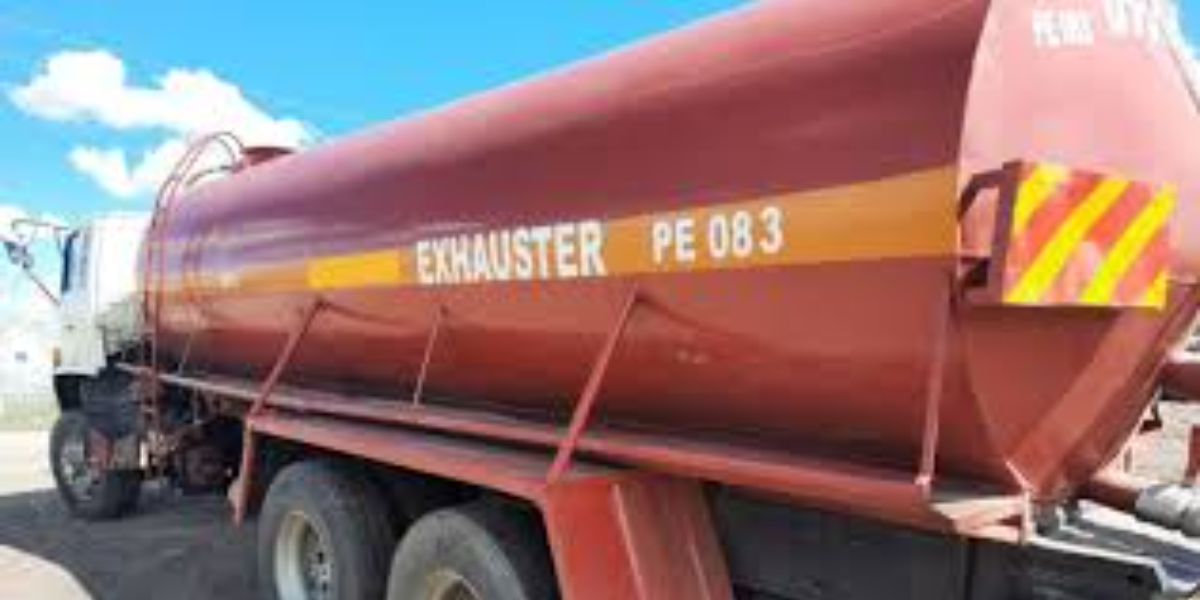
A professional exhauster service does more than arrive with a vacuum truck and start pumping. A serious provider first tries to understand the property, the type of waste involved, the number of users, the tank size, the location of the access points, and whether there is already backflow or blockage. For industrial sites, this assessment matters because the waste may include canteen wastewater, cleaning water, sludge, grease, or other materials that need careful handling. A good team will also ask when the tank was last emptied and whether similar problems have happened before.
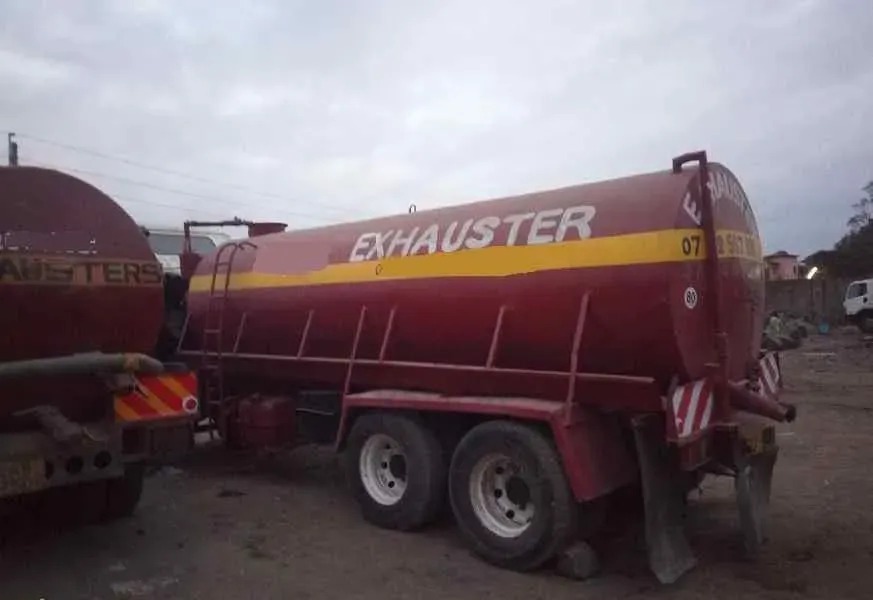
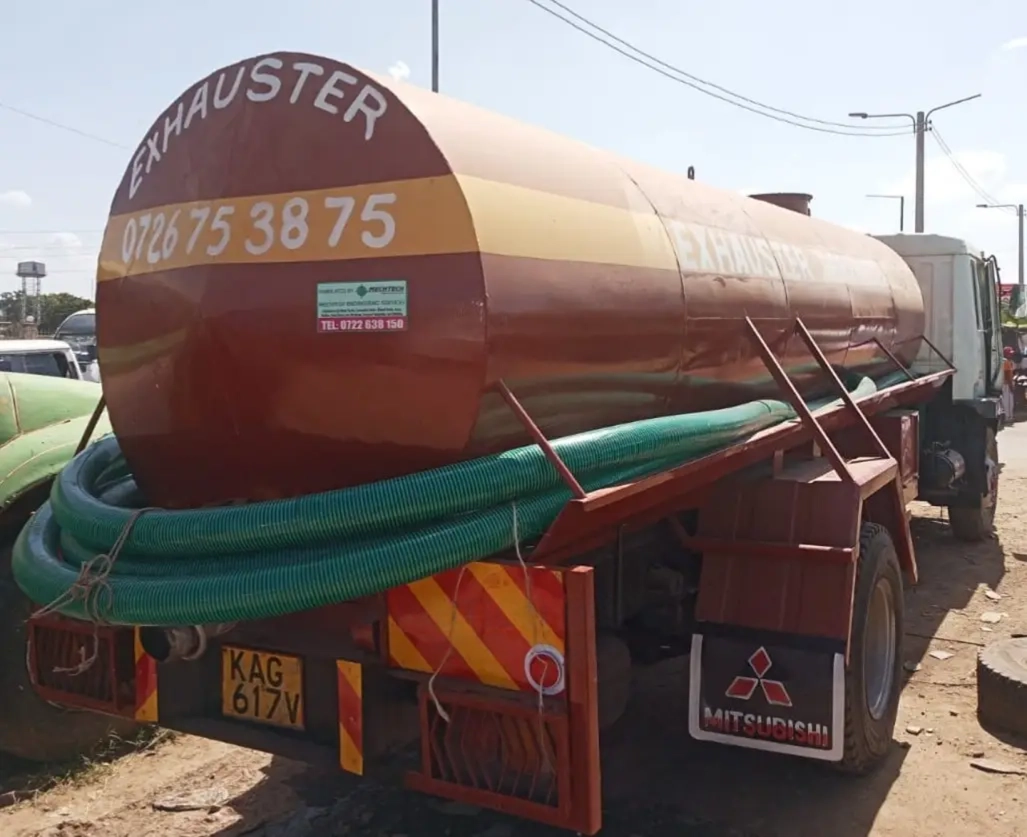
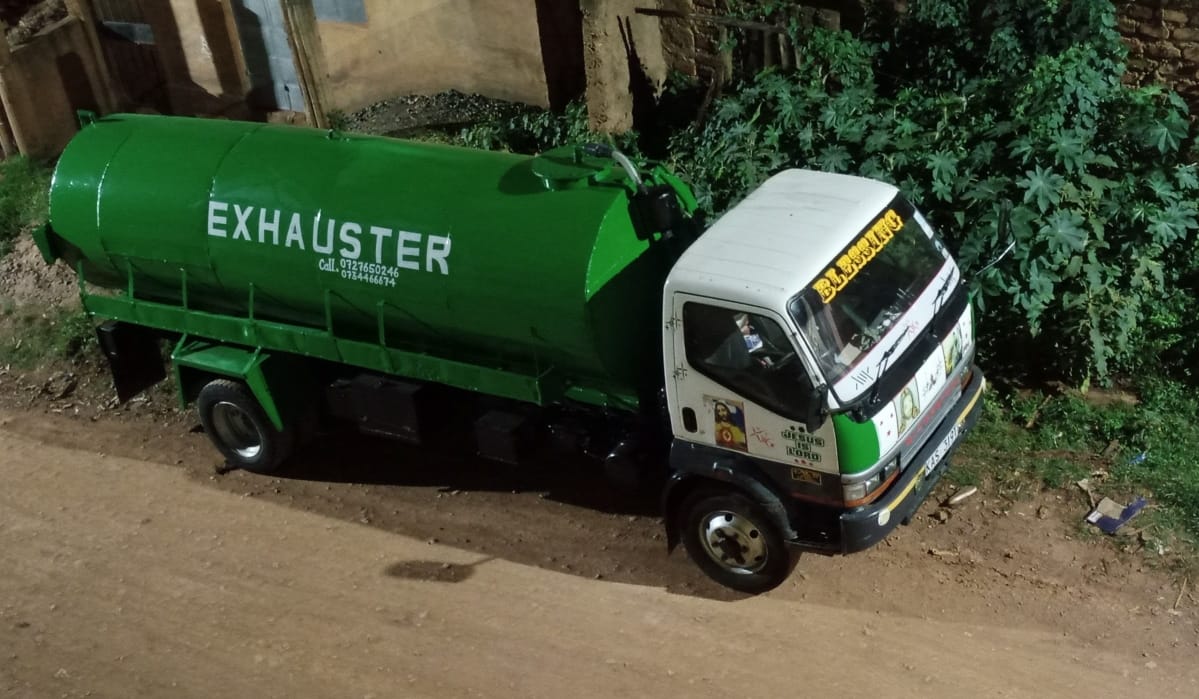
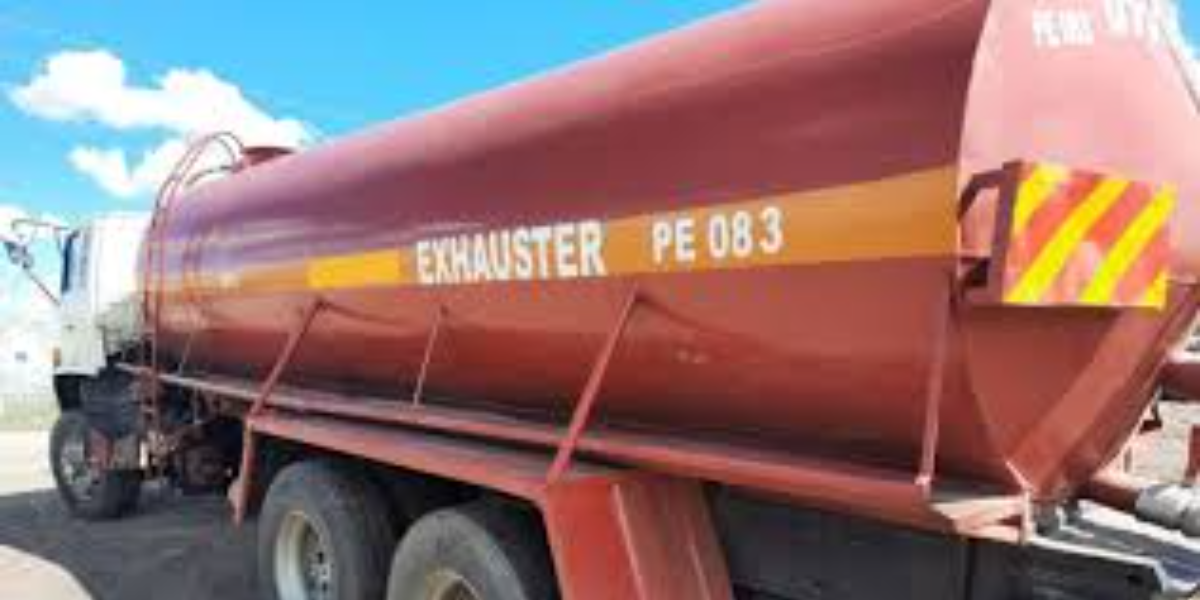
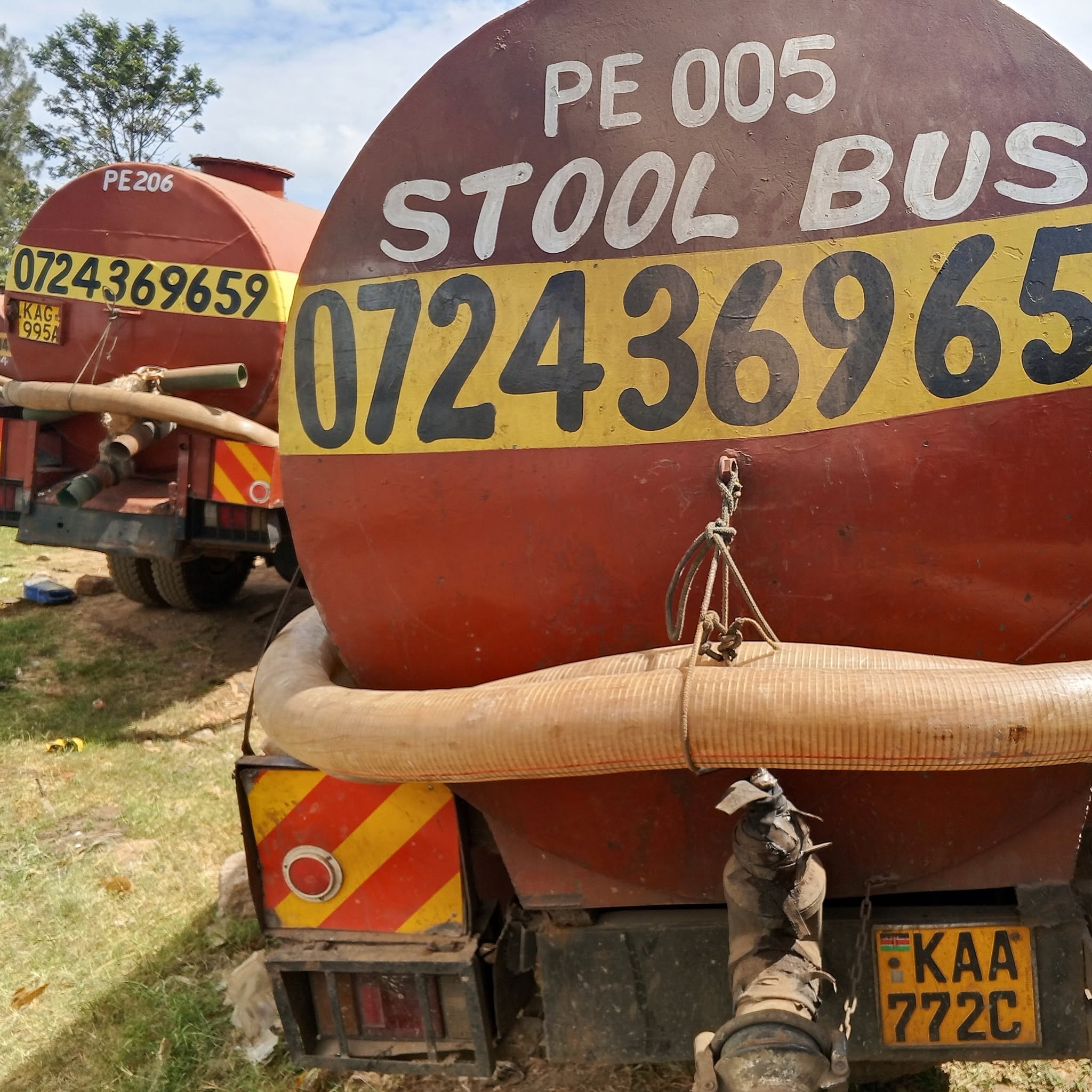
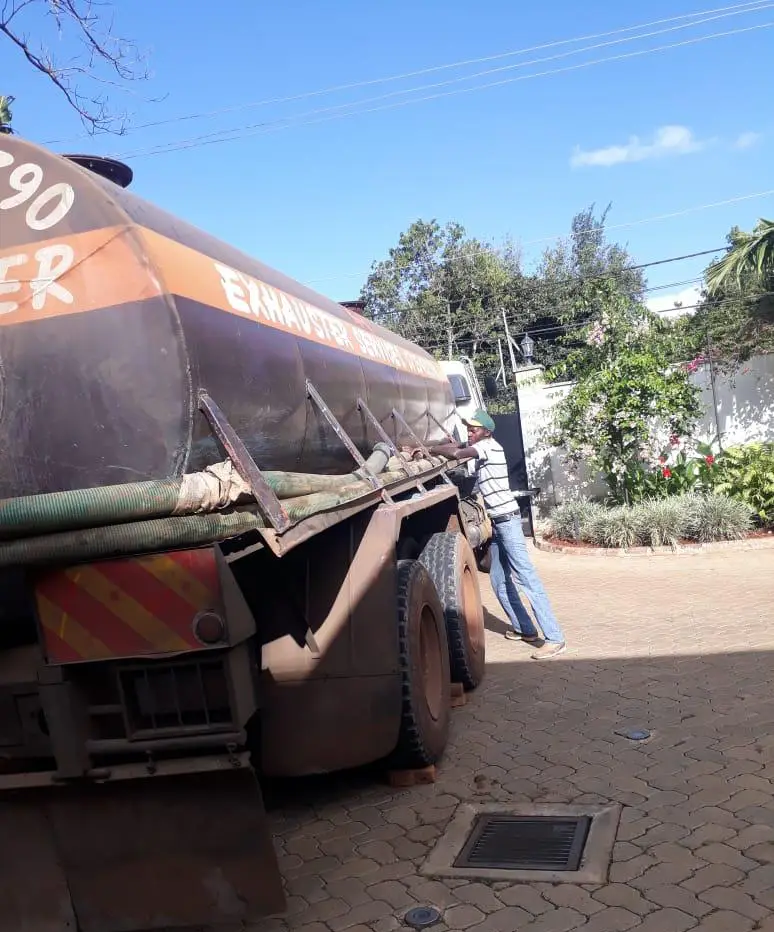
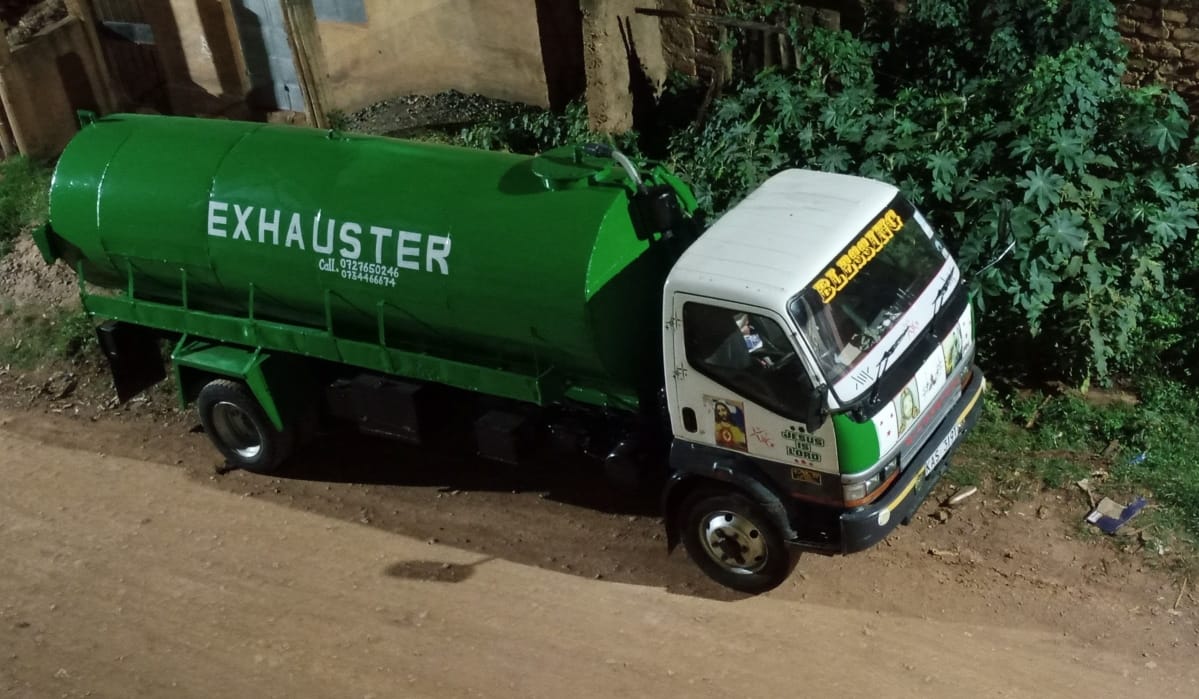
Once the provider understands the job, they plan safe access. In a warehouse or factory compound, the exhauster truck cannot simply park anywhere. It may need to avoid loading bays, forklift routes, production entrances, security barriers, and areas where staff are moving. The team will identify the manholes or tank access points, lay out the suction hoses, open the covers carefully, and begin extraction using equipment suited for the volume of waste. For large sites, high-capacity trucks and long hoses can make the difference between a smooth job and a messy disruption.
Proper sewage removal should extract both liquid waste and settled sludge. This is where many rushed jobs fail. If a provider only removes the watery layer and leaves the thick sludge at the bottom, the tank capacity remains low and the same problem can return quickly. Where drainage lines are blocked, the team may also use rodding or pressure jetting to clear pipes from staff toilets, canteen drains, inspection chambers, or outdoor latrines. After emptying, a reliable provider checks whether the system is flowing properly before leaving the site.
Clean-up and safe disposal are also part of the work. The area around the manhole should not be left with spilled waste, loose covers, or open chambers. The collected sewage should be transported to an approved disposal or treatment facility, not dumped illegally in a river, quarry, roadside trench, or open land. For commercial and industrial clients, disposal records may be useful for internal compliance, landlord files, county inspections, or environmental audits. A responsible provider may also advise on maintenance intervals, signs of tank failure, proper toilet use, grease trap needs, or whether the property requires a bigger system because the workforce has grown.
When searching for sewage removal for warehouses, industrial sites, and worker facilities near me, the first thing to look for is clear communication. A serious provider will not treat your site like a small residential job without asking questions. They should want to know the location, tank access, approximate capacity, number of users, urgency, and whether there is overflow, smell, or pipe blockage. This helps them send the right truck, crew, and equipment instead of arriving unprepared and wasting your time.
Transparent pricing is also important. You should understand whether the quote is based on truck capacity, number of trips, distance, emergency timing, access difficulty, pipe unblocking, or after-hours service. Cheap pricing can look attractive when the staff toilets are already blocked, but the lowest quote is not always the safest option. If the provider cuts corners by removing only part of the waste, using unsafe equipment, or dumping illegally, the client may end up paying more through repeat blockages, clean-up costs, complaints, or penalties.
A professional provider should respect your property and working environment. They should arrive within the agreed window, sign in at the gate where required, follow basic site safety instructions, use proper protective gear, and avoid blocking operations unnecessarily. On busy properties in Industrial Area, Sameer Business Park, Tatu City, Athi River, or Mombasa port-linked yards, poor coordination can affect loading schedules and shift movement. Good providers understand that sanitation work must be done carefully without creating another operational problem.
You should also expect practical advice after the service. If the tank filled too quickly, the provider should help you understand whether the issue is high usage, a damaged soak pit, blocked pipes, poor drainage design, or misuse of toilets. For example, a warehouse can reduce repeat blockages by putting clear notices in staff washrooms, servicing canteen grease traps, scheduling routine emptying, and monitoring manholes during rainy seasons. The right professional does not just empty the tank and disappear; they help you prevent the next emergency.
When a sewage issue starts, it is tempting to try the fastest shortcut. Someone may pour strong chemicals into the toilets, call a random number from a street poster, or ask a casual worker to open the manhole and “check what is inside.” In an industrial setting, that kind of guesswork can create bigger problems. Septic tanks and drainage chambers can contain dangerous gases, slippery surfaces, contaminated waste, and structural hazards. Opening them without proper care puts workers and visitors at risk.
Chemical shortcuts can also damage septic tank and bio-digester systems. Strong products may kill the bacteria that help break down waste, leaving the tank less effective. A small or poorly equipped truck may require multiple trips, delaying operations and increasing the final cost. An inexperienced team may pump the liquid layer only, ignore blocked lines, leave sludge behind, or fail to test the toilets after the job. The site then looks fixed for a few days before the same backflow returns, usually at the worst possible time.
Professional sewage removal gives facility managers more control. The work is assessed, the right equipment is used, the tank is emptied properly, and the drainage flow is checked before handover. For a landlord with several rental go-downs, a factory with shift workers, or a construction camp hosting workers on site, this reduces downtime and protects staff welfare. It also helps managers plan maintenance instead of reacting to complaints, smells, and overflows every few weeks.
The risks of hiring an unverified provider for industrial sewage work are not small. A leaking exhauster truck can spill raw waste across your yard, parking area, or access road. If that waste flows into storm drains, neighbors, county officers, or environmental authorities may raise complaints. In shared industrial parks, one bad spill can affect other tenants and lead to penalties from property management. What started as an affordable sewage removal job can quickly become a reputational and financial headache.
Illegal dumping is another serious concern. Some rogue operators offer low prices because they avoid proper disposal fees and release waste in unsafe places. If that waste is traced back to your site, the business that hired them may face difficult questions, especially if there is a job record, call log, or witness. Industrial clients have more to lose because they often deal with compliance requirements, landlord agreements, brand reputation, and public health expectations. A provider who disappears after being paid leaves you with the consequences.
There are also direct safety and operational risks. Untrained crews may leave manholes uncovered, fail to place warning barriers, use worn-out hoses, spill waste near staff areas, or take too long because their truck is too small for the job. If toilets are not fully restored, workers may have to use unsafe alternatives or leave the site, affecting productivity and morale. In food processing plants, schools, warehouses handling consumer goods, or worker accommodation facilities, poor sewage handling can create hygiene problems that spread beyond the toilet block.
Hidden costs are common too. A random provider may quote a low figure on the phone, arrive late, then add extra charges for hose length, access, night work, sludge, or a second trip. Since the problem is already urgent, the client feels trapped. This is why it is wiser to work with trusted exhauster service providers who communicate clearly, understand commercial sites, and can be held accountable for the quality of the work.
The Real Plug gives clients across Kenya a more practical way to find vetted service providers instead of guessing who to call during a messy emergency. Whether you manage a warehouse in Embakasi, an industrial yard in Athi River, a factory in Thika, staff quarters in Naivasha, a school facility in Kisumu, or a commercial property in Mombasa, the platform helps you review local professionals in Kenya who offer sewage removal for warehouses, industrial sites, and worker facilities. That matters because the right provider for a small home may not be the right provider for a high-volume commercial site.
Through The Real Plug, clients can compare available providers, check who serves their area, and connect with professionals or businesses that understand industrial sanitation needs. This makes it easier to find affordable sewage removal without relying blindly on random WhatsApp forwards, social media comments, street posters, or unverified referrals. You still make the final hiring decision, but you start from a more organized place where you can review options and choose more confidently.
The platform also helps reduce some of the exact risks that make sewage emergencies stressful. Instead of calling a stranger who may disappear after taking a deposit, you can look for listed providers with a clearer service presence. Instead of wasting time explaining the basics to someone who only handles small tanks, you can seek professionals who are better suited for commercial and industrial work. For urgent jobs, planned emptying, routine maintenance, or multi-site property management, The Real Plug makes it easier to connect with help before the problem shuts down operations.
For businesses offering sewage removal for warehouses, industrial sites, and worker facilities, visibility matters as much as equipment. Many facility managers and property owners are actively searching online for professional sewage removal, commercial exhauster services, worker toilet emptying, septic tank emptying, and trusted exhauster service providers near them. If your business is not easy to find, those clients may end up calling someone else even when you have the truck capacity, experience, and team to handle the job properly.
Creating a profile on The Real Plug helps exhauster service providers present themselves more professionally. A listed business can show service areas, types of clients served, emergency availability, commercial experience, fleet capacity, and other trust-building details that matter to serious clients. This is useful for providers serving Nairobi, Kiambu, Machakos, Kajiado, Mombasa, Nakuru, Kisumu, Eldoret, and other growing towns where warehouses, factories, estates, schools, and worker facilities need reliable sanitation support. The platform helps professionals compete on trust, response, and service quality rather than depending only on referrals and roadside advertising.
Sewage removal may not be the most glamorous part of running a warehouse, factory, or worker facility, but it is one of those services that quietly protects everything else. When toilets are working, drains are flowing, and tanks are managed on schedule, staff can focus on their work and managers can focus on operations. When the system fails, the smell, health risk, downtime, and pressure from workers or inspectors can take over the whole day. That is why professional sewage removal for warehouses, industrial sites, and worker facilities should be treated as planned site maintenance, not just an emergency reaction.
The best approach is simple: know your tank capacity, monitor usage, schedule emptying before overflow, and hire providers who understand commercial and industrial environments. A reliable exhauster team can help you avoid repeat blockages, protect your property, reduce hygiene risks, and keep your facility compliant and comfortable for the people using it every day. In Kenya’s fast-growing industrial and logistics spaces, dependable sanitation is not a luxury. It is part of running a responsible, productive, and safe facility.
If you manage a warehouse, factory, industrial site, or worker facility and need reliable sewage removal, review and hire trusted professionals through The Real Plug to keep your premises safe, clean, and operational.
If your business offers sewage removal for warehouses, industrial sites, and worker facilities, create a profile and get listed on The Real Plug to gain visibility and connect with clients across Kenya.