Nairobi CBD - 00100
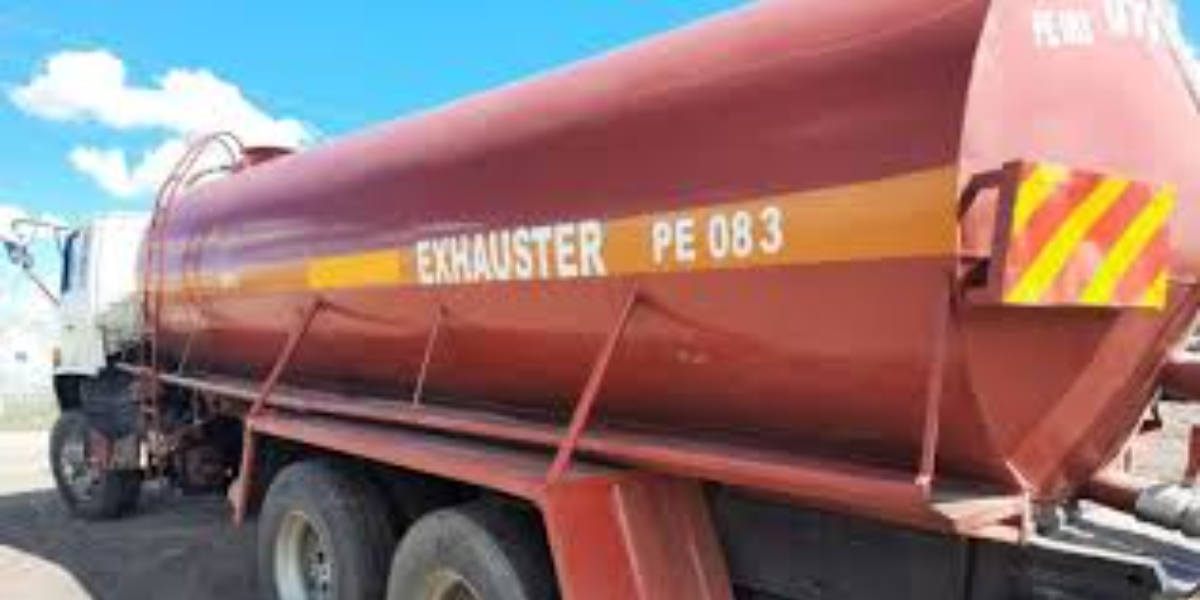
It is late at night in a private hospital in Upper Hill, and the ward nurse notices water backing up through the maternity washroom floor drain. At first, it looks like a normal blockage, but within minutes the smell is moving toward the corridor, the sluice room is wet, and the maintenance officer realizes the septic tank serving that block is already full. Patients are admitted, a theatre list is booked for the morning, visitors will start arriving at dawn, and the facility cannot simply close the toilets and wait. This is the kind of moment where professional exhauster services for hospitals, clinics, and healthcare facilities become urgent, because sanitation failure in a medical environment affects patient safety, infection control, staff workflow, and the reputation of the entire facility.
In healthcare, a sewage issue is never just a bad smell behind the building. It can interfere with clean zones, delay procedures, expose vulnerable patients to contamination, and attract serious concern from county public health officers or facility regulators. A small clinic in Kitengela, a maternity home in Eastleigh, a dialysis centre in Thika, or a hospital in Kisumu may all depend on septic tanks, bio-digesters, conservancy tanks, or private drainage systems instead of a reliable main sewer connection. When those systems are neglected, the whole facility feels it quickly. Patients lose confidence, staff work under pressure, and administrators are forced into emergency mode when the problem should have been planned for earlier.
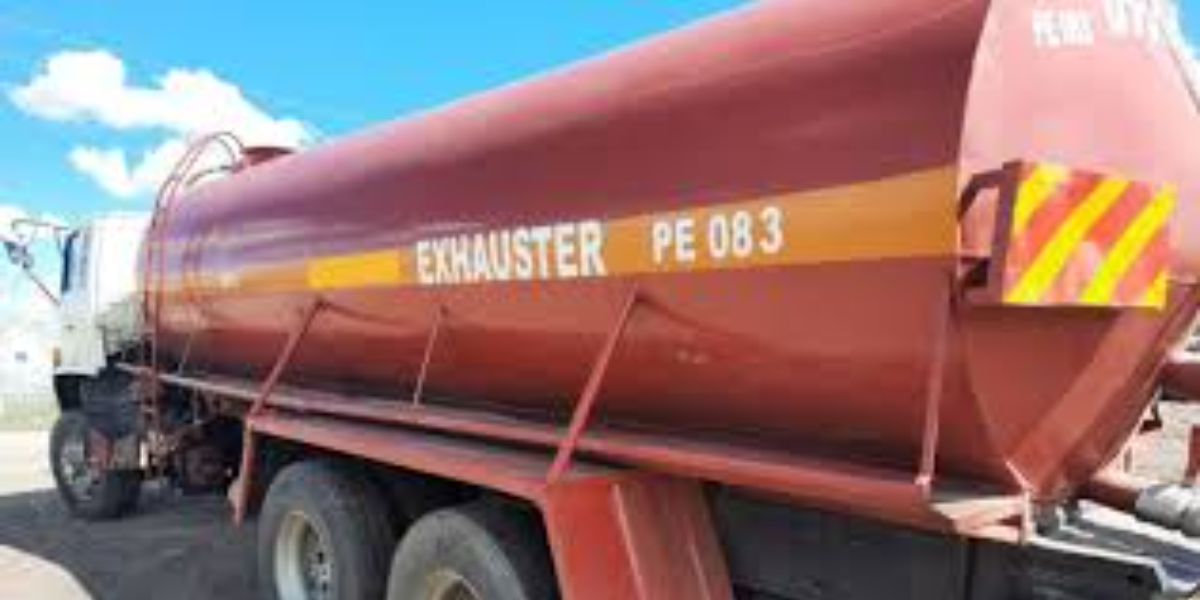
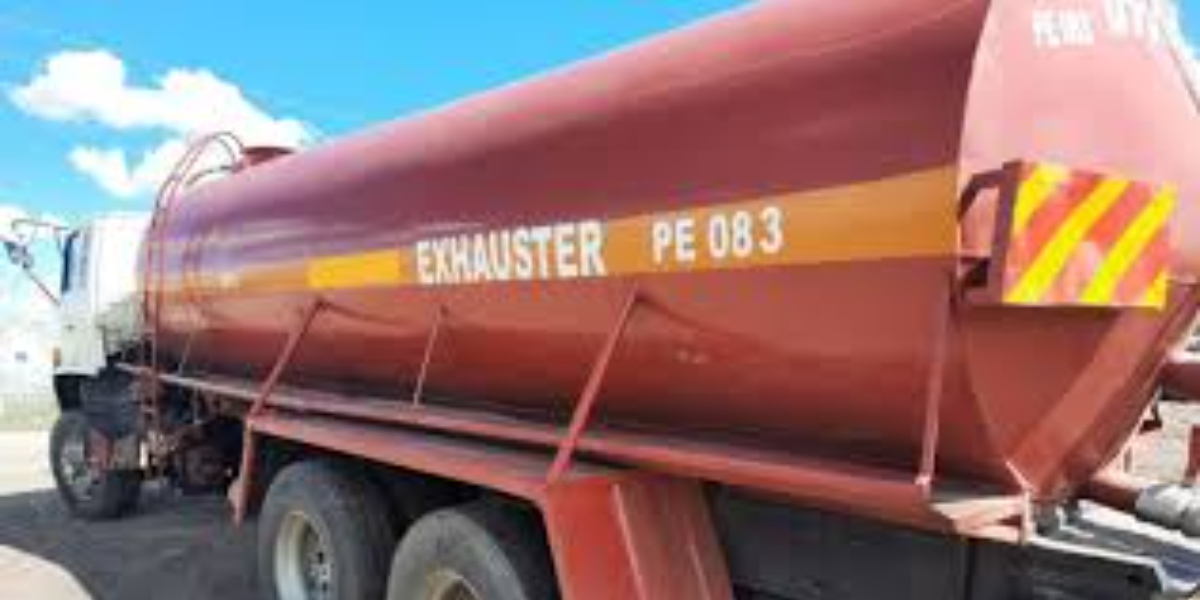
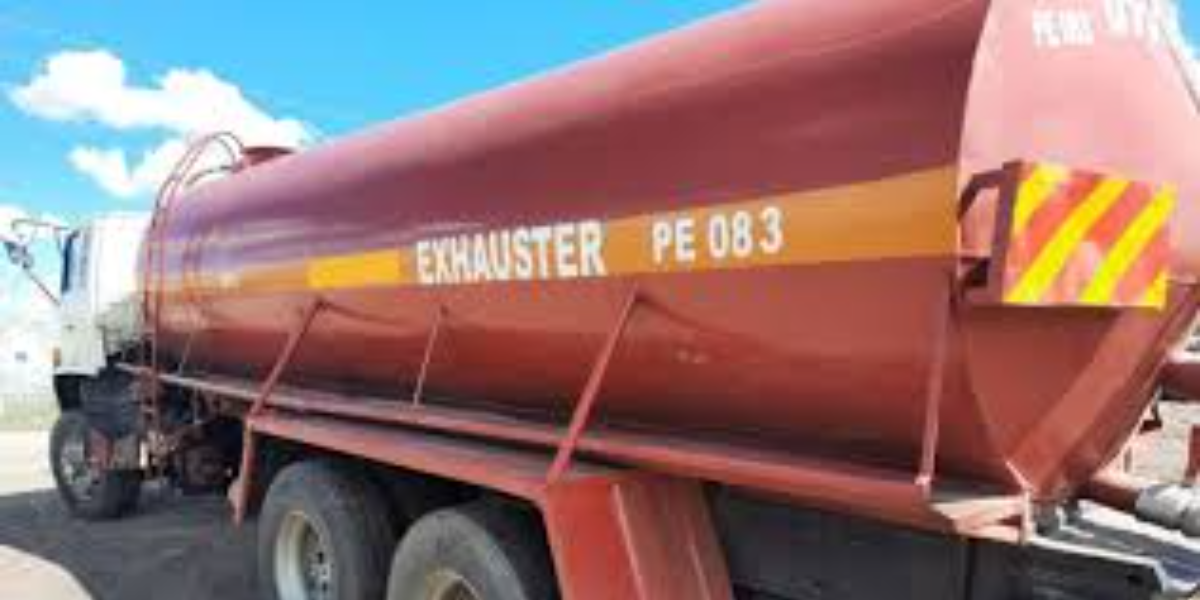
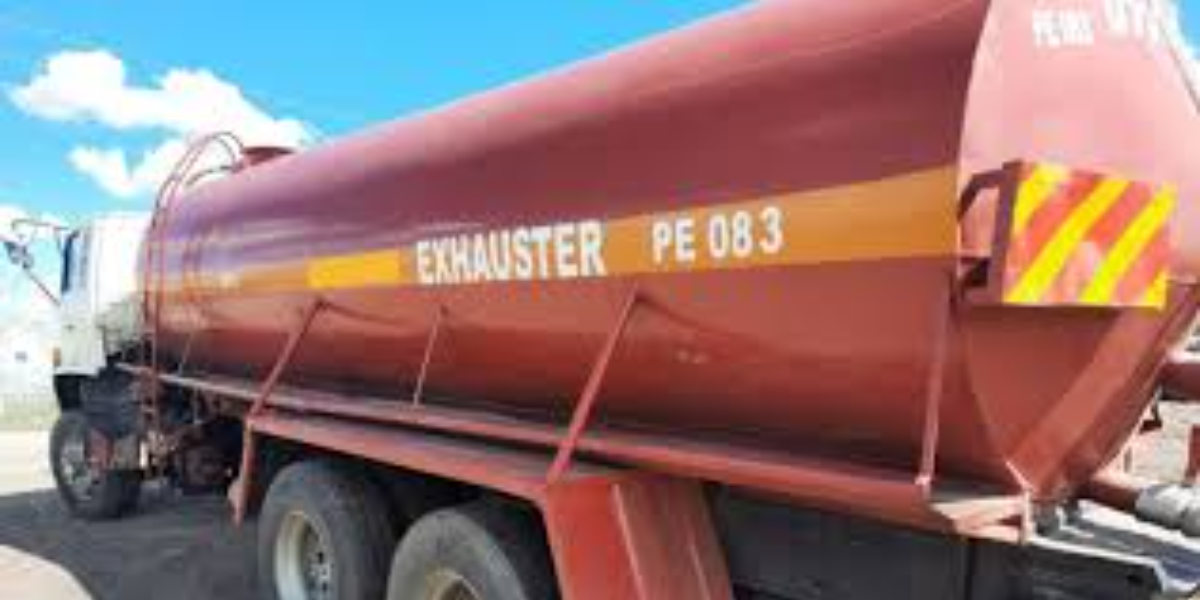
Exhauster services for hospitals, clinics, and healthcare facilities involve the professional emptying, collection, transportation, and safe disposal of wastewater and sludge from sanitation systems serving medical premises. These systems may include septic tanks, bio-digesters, conservancy tanks, inspection chambers, soak pits, and drainage lines connected to patient toilets, staff washrooms, sluice rooms, laboratories, kitchens, laundry areas, theatres, maternity wings, outpatient blocks, and staff quarters. The goal is to remove waste safely, restore drainage flow, and protect the facility from overflow, contamination, bad odours, and operational disruption.
Healthcare facilities produce a heavier wastewater load than ordinary residential properties because toilets, sinks, showers, laundry machines, cleaning points, and disposal areas are used throughout the day and night. A clinic with a busy outpatient department may handle hundreds of visitors in a day, while a hospital with inpatient wards, maternity rooms, and staff accommodation has constant use even after visiting hours end. Laundry areas add large volumes of water, kitchens may contribute grease and food particles, and sluice rooms often handle waste from patient care activities. This constant use makes regular professional exhauster services more important than waiting for visible signs of failure.
Delaying the service can create serious consequences. A full septic tank may cause toilets to back up into wards, wastewater to seep around manholes, or foul smells to spread near treatment rooms. In healthcare settings, this is especially dangerous because some patients have weak immunity, open wounds, newborn babies, respiratory conditions, or post-surgery recovery needs. A sanitation failure near a maternity unit, paediatric ward, laboratory, or theatre area can force the facility to divert patients, postpone procedures, or temporarily close sections of the building. That is why professional exhauster services for hospitals, clinics, and healthcare facilities should be treated as part of facility management, not as an afterthought.
Many healthcare facilities in Kenya have expanded faster than their sanitation systems. A small nursing home may have started with a few beds and one outpatient room, then gradually added a laboratory, maternity wing, pharmacy, dental room, staff quarters, or extra inpatient beds without upgrading the septic system. In fast-growing areas such as Ruaka, Syokimau, Ruiru, Ngong, Kitengela, Athi River, Kiserian, Mtwapa, and parts of Nakuru, sewer connections may be limited or unreliable, so facilities depend on private waste systems. These systems can work well, but only when their capacity matches the actual daily use.
Healthcare wastewater is also different from normal household wastewater. Medical facilities use disinfectants, cleaning chemicals, detergents, body fluid disposal points, and high-volume wash areas. Some of these materials can affect how septic tanks and bio-digesters break down waste, especially if the system is not designed or maintained properly. Thick sludge can build up faster, pipes can block more often, and bad smells can become harder to control. Where staff flush gloves, wipes, sanitary waste, gauze, or other non-flushable items, the drainage lines may clog long before the tank is technically full.
Rainy seasons make the situation worse in places with poor drainage, high water tables, or old soak pits. If groundwater rises around the septic area, liquid may stop soaking away properly, causing the tank to fill faster and push wastewater back toward the building. Facilities built on tight plots in Nairobi, Mombasa, Kisumu, Eldoret, or older town centres may also struggle with access, making emergency emptying more difficult if the provider lacks the right hoses or truck size. For shared buildings, the problem becomes even more complicated because one clinic, pharmacy, laboratory, or tenant may suffer because another user misuses the drainage system.
A professional provider does not treat a healthcare facility like a normal domestic call-out. The process should begin with a careful assessment of the site, the affected areas, the number of patients and staff, the location of the tanks, and the urgency of the issue. A serious provider will ask whether the problem affects wards, outpatient toilets, theatres, maternity rooms, laundry areas, kitchens, or staff facilities. They will also want to know whether there is overflow, backflow, odour, blocked chambers, or restricted access. This information helps them send the right exhauster truck, enough hose length, and a crew that understands the sensitivity of working around patients.
Timing is a big part of the service. Hospitals and clinics do not always have the luxury of shutting down washrooms during peak hours. A professional team may schedule planned work early in the morning, late at night, over weekends, or during quieter periods so the facility can continue operating. During emergencies, they should still coordinate with the administrator, nurse in charge, security team, or maintenance officer to keep patients, visitors, ambulances, and staff away from the work area. In busy facilities around Upper Hill, Parklands, Westlands, South C, Eldoret town, Nyali, or Kisumu CBD, poor coordination can create unnecessary movement problems.
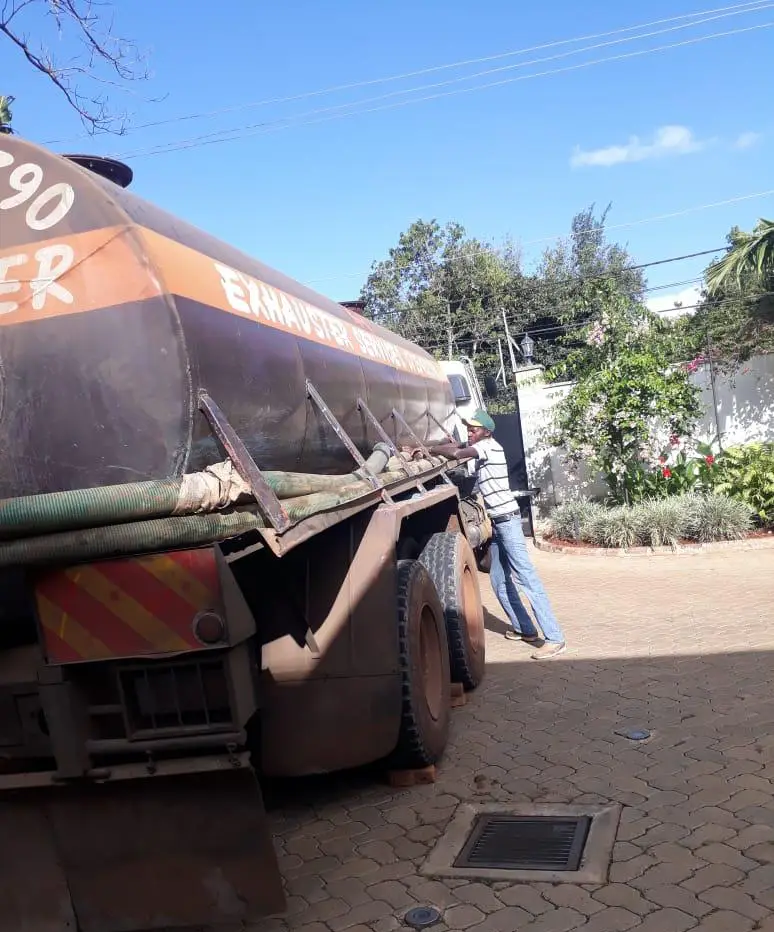
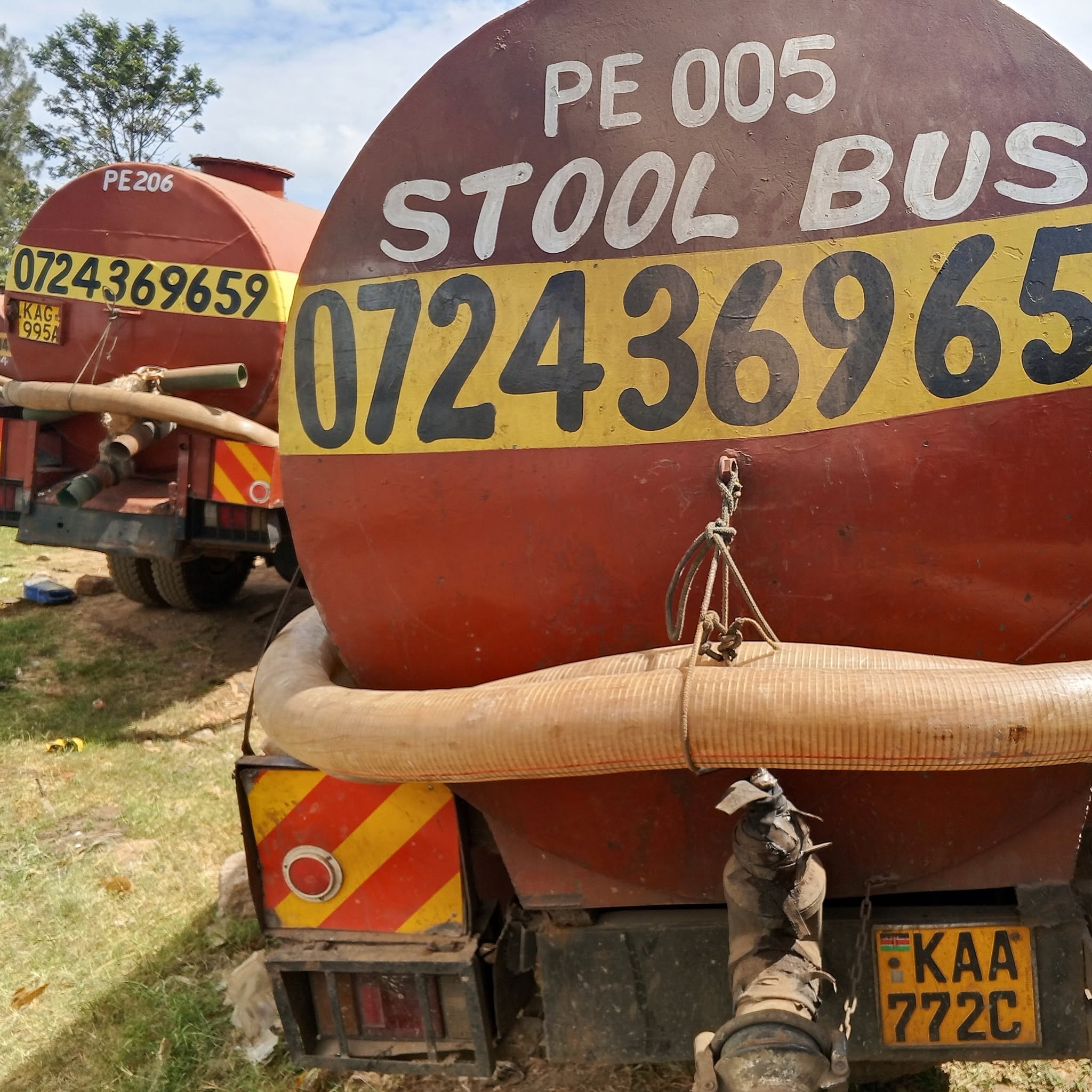
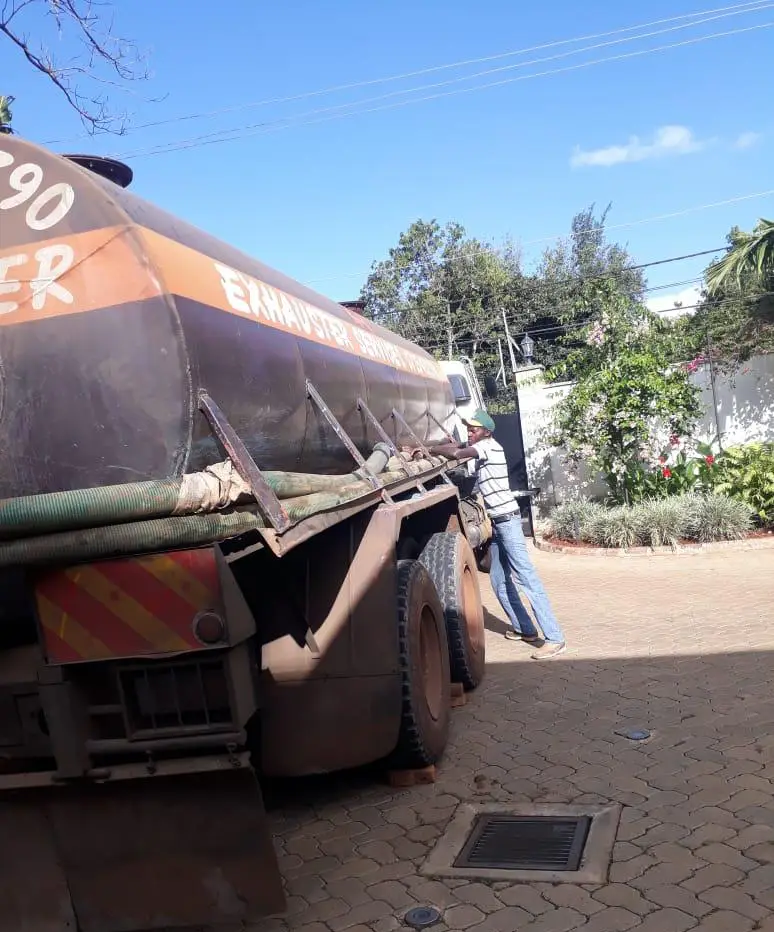
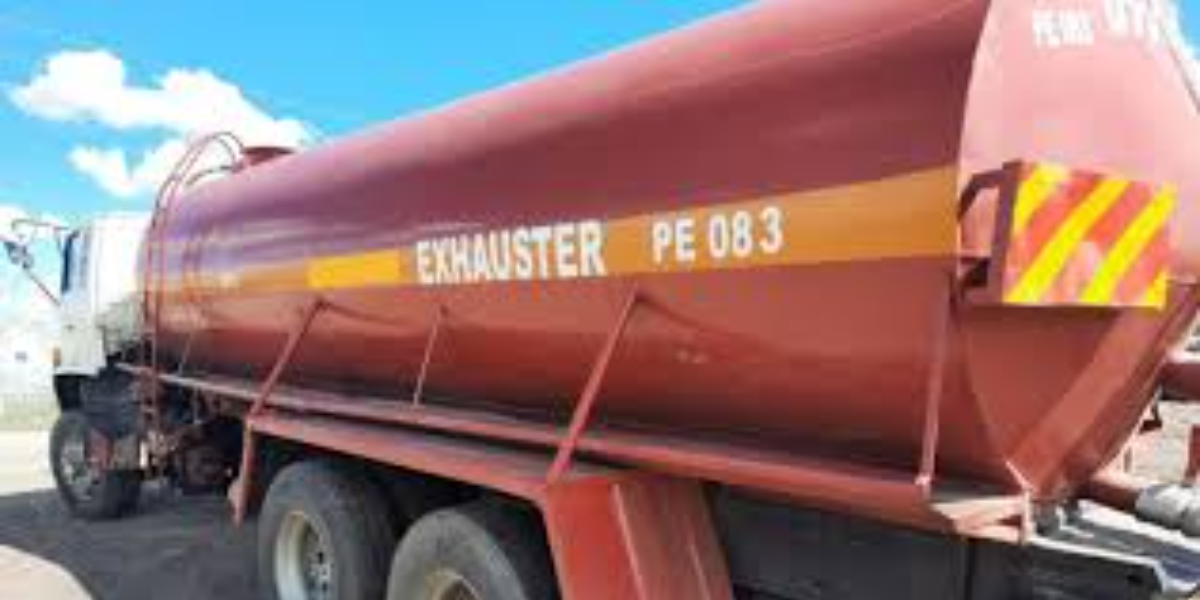
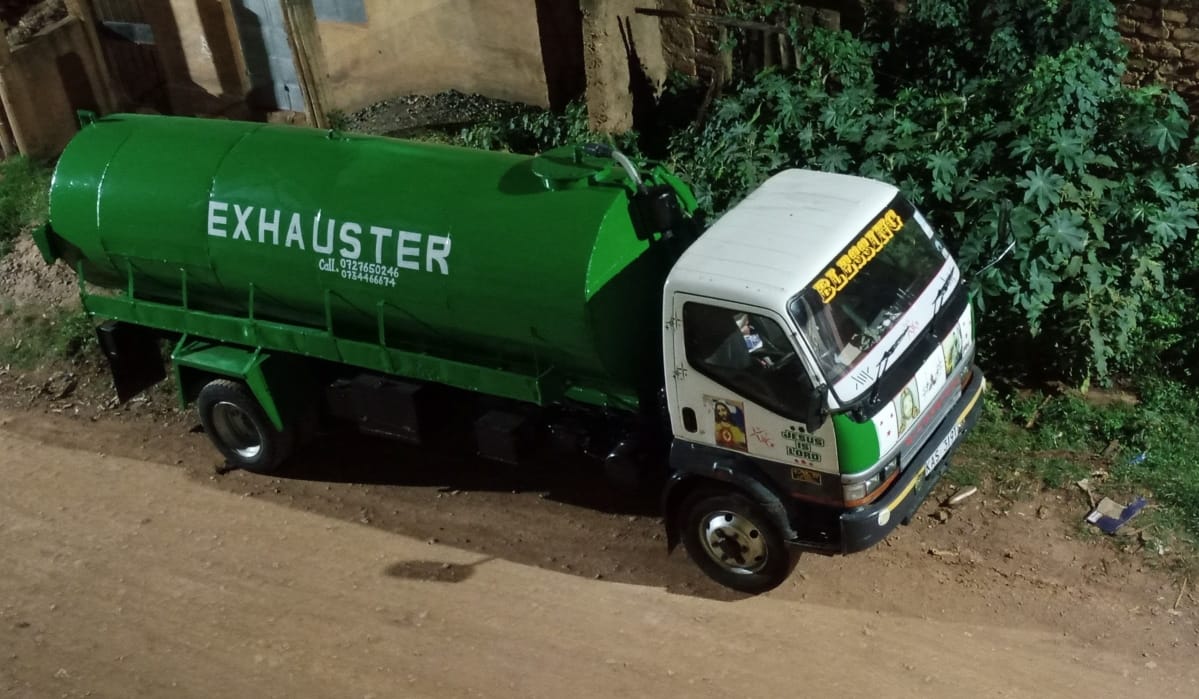
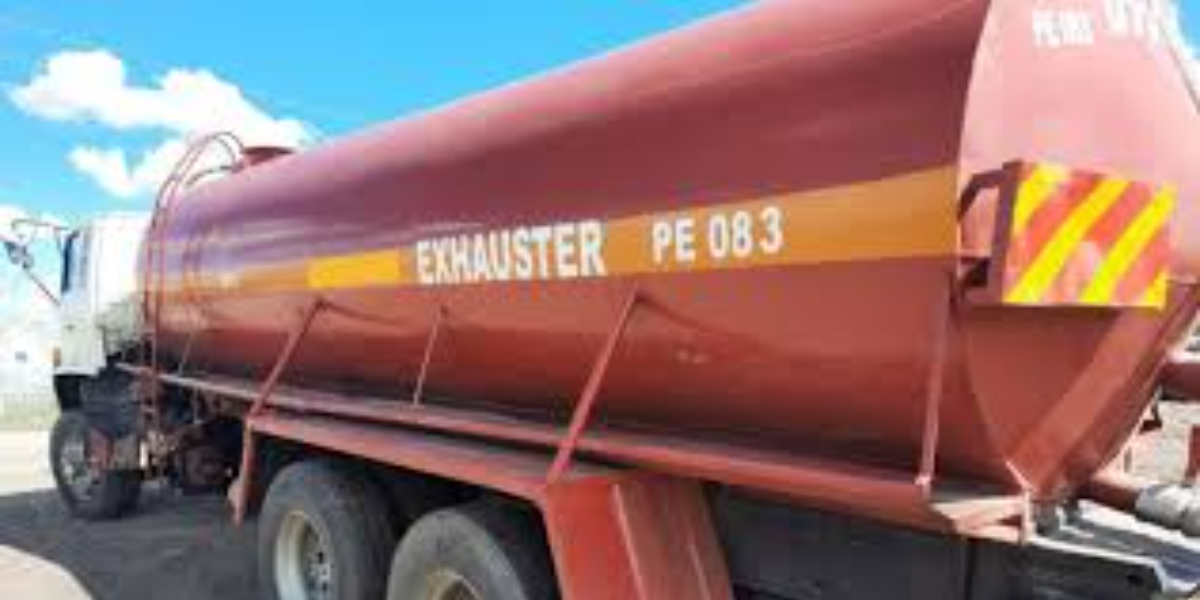
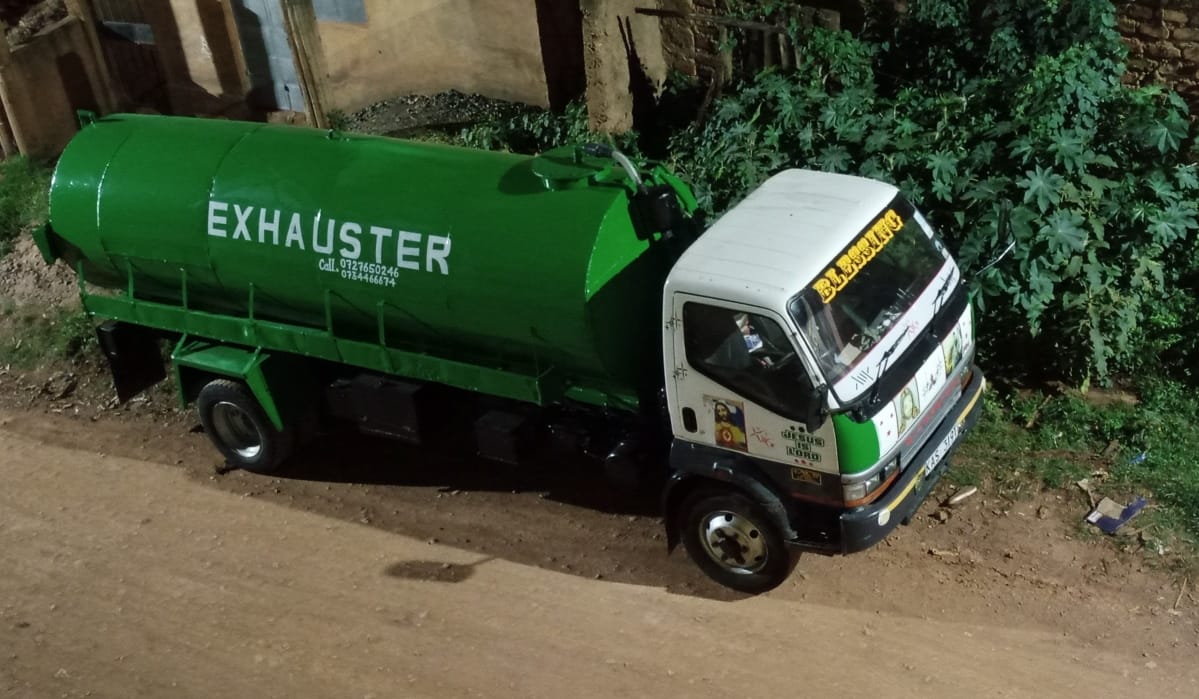
The extraction itself involves opening the correct access points, laying suction hoses safely, and using a vacuum truck to remove liquid waste and settled sludge. Removing sludge matters because it reduces tank capacity and can cause repeat overflow if left behind. Where drainage lines are blocked, the provider may clear pipes using suitable tools such as rods or pressure equipment before checking flow from the affected toilets or drains. After the waste is removed, the team should close manholes securely, clean any affected surfaces, disinfect the immediate work area where necessary, and confirm that toilets, floor drains, and wash points are flowing again.
Responsible disposal is just as important as the emptying process. The collected sewage should be transported to an approved treatment or disposal facility, not released into open land, rivers, storm drains, or quarries. Healthcare administrators should ask for proper documentation, especially when the facility is subject to internal audits, county public health checks, licensing reviews, landlord inspections, or environmental compliance requirements. A reliable provider may also advise on a maintenance schedule, drainage misuse, grease management in kitchens, laundry discharge issues, or whether the facility’s growing patient numbers require a bigger tank or more frequent emptying.
When searching for exhauster services for hospitals, clinics, and healthcare facilities near me, the first thing to expect is professional communication. A serious provider should ask detailed questions before quoting blindly, especially if your facility has multiple blocks or sensitive areas. They should understand the difference between working behind a residential house and working near a ward, lab, maternity room, outpatient waiting bay, or theatre entrance. They should also give a realistic arrival time and explain what they need from your team before they get to the site.
Clear pricing is also important. The quote should explain whether the cost covers full emptying, transport, disposal, emergency response, night work, difficult access, blocked line clearing, or extra trips. Healthcare facilities operate under budgets, but choosing the cheapest provider without checking reliability can become expensive later. If the tank is not fully emptied, if the provider damages a manhole, or if waste is dumped illegally, the facility may face repeat costs, complaints, or regulatory pressure. Affordable exhauster services are useful, but affordability should not mean shortcuts.
A trusted provider should have the right equipment and a crew that respects the healthcare environment. This includes suitable vacuum trucks, proper hoses, protective gear, safety barriers, and careful handling around patients and visitors. The team should avoid leaving open manholes unattended, spilling waste near patient areas, blocking ambulance access, or creating strong odours that spread into clinical spaces. After the work, they should explain what was done, what caused the issue if known, and what the administrator can do to reduce future problems.
Documentation is another sign of professionalism. Hospitals, clinics, laboratories, and care homes may need records showing when the septic tank was emptied, who handled the waste, and where it was taken. These records help during inspections, landlord reviews, internal safety meetings, and facility audits. A provider who cannot explain disposal or refuses to provide proof of service may expose the facility to unnecessary risk. In medical environments, accountability is not optional; it is part of safe operations.
Some facilities try to handle sewage problems internally when the issue appears small. A cleaner may pour strong chemicals into the toilet, a maintenance worker may open the manhole without proper protection, or an administrator may call the first cheap truck available because patients are complaining. These reactions are understandable during pressure, but they can make the situation worse. Healthcare drainage systems handle sensitive waste, and poor handling can expose staff, patients, and visitors to contamination.
Strong chemicals may damage pipes, disturb septic tank bacteria, or create dangerous fumes in enclosed areas. Manual handling of sewage without proper equipment can expose staff to harmful organisms, sharp waste, contaminated fluids, and slippery surfaces. A random provider with a small or poorly maintained truck may remove only part of the waste, leave sludge behind, or fail to clear the actual blockage. When that happens, toilets may work for a few days and then block again, often during visiting hours or at night when response is harder.
Professional exhauster services for hospitals, clinics, and healthcare facilities reduce these risks because the work is done with better planning, safer equipment, and more awareness of the setting. A qualified team knows how to work around clean areas, patient flow, restricted zones, and facility schedules. They can help prevent repeat backups, protect infection control standards, and give administrators useful records for compliance. For clinics, hospitals, dialysis centres, maternity homes, laboratories, and nursing homes, professional support is not just convenient; it is safer and more responsible.
The risks of hiring unverified providers are much higher in healthcare than in many other service categories. A provider with a leaking truck can spill sewage near the outpatient entrance, casualty area, parking bay, ward block, or kitchen service route. In a hospital or clinic, that kind of spill does not just create embarrassment; it can become an infection control issue. Patients, caregivers, and visitors may walk through contaminated areas, and photos can easily circulate online, damaging trust in the facility.
Illegal dumping is another serious risk. Rogue operators may offer very low prices because they do not intend to use proper disposal sites. If they dump waste in a river, roadside drain, open field, or quarry and the job is traced back to your facility, the administrator may have to answer to county officers, environmental authorities, landlords, patients, or the surrounding community. A healthcare brand depends heavily on public confidence, and one careless waste disposal incident can undo years of trust-building.
Unverified providers can also create safety hazards inside the compound. They may leave manholes uncovered, fail to secure hose routes, park badly near ambulance paths, or damage old drainage covers. In a facility where emergency movement matters, blocking the wrong access point can delay patient transfer or delivery of oxygen, medication, food, linen, or supplies. If a staff member, patient, or visitor slips near the work area or falls into an uncovered chamber, the facility may carry the consequences because the incident happened on its premises.
There is also the problem of incomplete work. If thick sludge is left behind, the tank capacity remains low and backflow may return quickly. Repeat sewage backups in maternity, paediatric, theatre, renal, or inpatient areas can disrupt treatment, cancel procedures, and increase stress for staff already working under pressure. A cheap, unverified provider may look like a quick solution, but the facility may end up paying again within weeks while dealing with complaints, downtime, odour, and preventable health risks.
The Real Plug gives healthcare administrators, clinic owners, facility managers, landlords, and procurement teams a more reliable way to find vetted service providers across Kenya. Instead of depending on random WhatsApp contacts, roadside posters, social media comments, or unverified referrals, you can use The Real Plug to review professionals and businesses offering exhauster services for hospitals, clinics, and healthcare facilities. This helps you start your search from a more organized place, especially when you need someone who understands the seriousness of sanitation work in medical environments.
Through The Real Plug, you can compare providers before making a decision. You can look for local professionals in Kenya who serve your area, handle commercial and institutional septic systems, offer urgent response, and understand how to work around sensitive facilities. Whether you run a clinic in Kilimani, a maternity centre in Eastleigh, a hospital in Kisumu, a care home in Kiambu, a dental clinic in Westlands, or a health centre in Machakos, the platform helps you connect with providers who are better suited to your type of job.
The Real Plug also helps reduce common hiring worries such as missed appointments, unclear pricing, poor workmanship, hidden charges, unsafe handling, and lack of accountability. You still choose the provider that fits your needs, but you are not starting from guesswork. For urgent sewage backup, planned septic tank emptying, routine maintenance, or facility-wide sanitation scheduling, The Real Plug makes it easier to hire trusted exhauster service providers with more confidence and less stress.
For businesses offering exhauster services for hospitals, clinics, and healthcare facilities, The Real Plug can help you become more visible to serious clients who are already looking for reliable support. Healthcare facilities do not want casual service, missed calls, or providers who disappear after one job. They want professionals who can respond quickly, explain their process, work safely, and provide proof of service where needed. A profile on The Real Plug gives your business a cleaner, more professional way to be found and considered.
Listing your business can help you reach hospital administrators, clinic owners, procurement officers, landlords, laboratory managers, care home operators, and facility managers across Kenya. You can highlight your service areas, response times, equipment capacity, experience with institutional work, and ability to support planned or emergency jobs. In a market where clients fear scams, poor service, and unsafe waste handling, The Real Plug helps genuine providers compete through trust, visibility, and professionalism.
Exhauster services for hospitals, clinics, and healthcare facilities should be planned before sewage becomes visible or patients start complaining. A facility that tracks tank emptying dates, monitors high-use areas, educates staff on what should not be flushed, and schedules regular servicing is far less likely to face sudden backflow in a ward or outpatient toilet. Good sanitation planning also protects staff morale because nurses, cleaners, doctors, support workers, and maintenance teams should not have to work around preventable sewage emergencies.
For healthcare facilities in Kenya, reliable sanitation supports patient confidence, infection control, regulatory readiness, and smooth daily operations. Whether the facility is small or large, private or public, urban or rural, the principle is the same: sewage systems need professional attention from people with the right tools, experience, and accountability. When you hire qualified providers through a trusted platform like The Real Plug, you reduce risk, save time, and keep your medical environment safer for everyone who depends on it.
Healthcare administrators who need dependable exhauster services for hospitals, clinics, and healthcare facilities can review and hire trusted professionals through The Real Plug to protect patients, staff, and daily operations.
Professionals and businesses offering exhauster services for hospitals, clinics, and healthcare facilities can create a profile and get listed on The Real Plug to gain visibility and connect with healthcare clients across Kenya.