Nairobi CBD - 00100
You may only notice your septic tank when something has already gone wrong. The toilet starts flushing slowly, the bathroom has a stubborn smell, or a wet patch appears near the manhole after days of normal use. For a homeowner in Ruiru, a landlord in Pipeline, or a caretaker managing rentals in Kitengela, that moment can quickly turn stressful because waste problems rarely remain small for long. A Septic Tank Emptying Service helps remove built-up waste safely before it backs up into the house, contaminates the compound, or creates bigger repair costs.
Many homes, rentals, schools, restaurants, lodges, churches, and small businesses in Kenya rely on septic tanks because they are not connected to a main sewer line. These systems are common in places like Syokimau, Rongai, Kiambu, Athi River, parts of Nakuru, Eldoret, Kisumu, and many growing estates around Nairobi. A septic tank works quietly underground, collecting wastewater from toilets, bathrooms, kitchens, and laundry areas. Over time, solids settle at the bottom as sludge while lighter waste forms a top layer, and the liquid part flows out to a soak pit or drainage field.
The problem is that sludge does not disappear completely. It builds up slowly until the tank has less space to hold new waste. When that happens, the system becomes strained, and you may start noticing warning signs such as bad smells, gurgling drains, toilets that need repeated flushing, water pooling near the tank, or sewage pushing back through low drainage points. These signs should not be ignored because they usually mean the tank is full, the soak pit is struggling, or the drainage line is blocked.
A timely Septic Tank Emptying Service prevents a normal maintenance issue from becoming an emergency. If a tank is allowed to overflow, the compound can become contaminated and uncomfortable to live or work in. Tenants may complain, customers may avoid the premises, and property managers may be forced to act under pressure. For businesses such as restaurants, clinics, guest houses, schools, and apartments, poor sanitation can also attract complaints from neighbours or public health officers. It is always better to handle septic tank maintenance early than to wait until raw sewage is already visible.
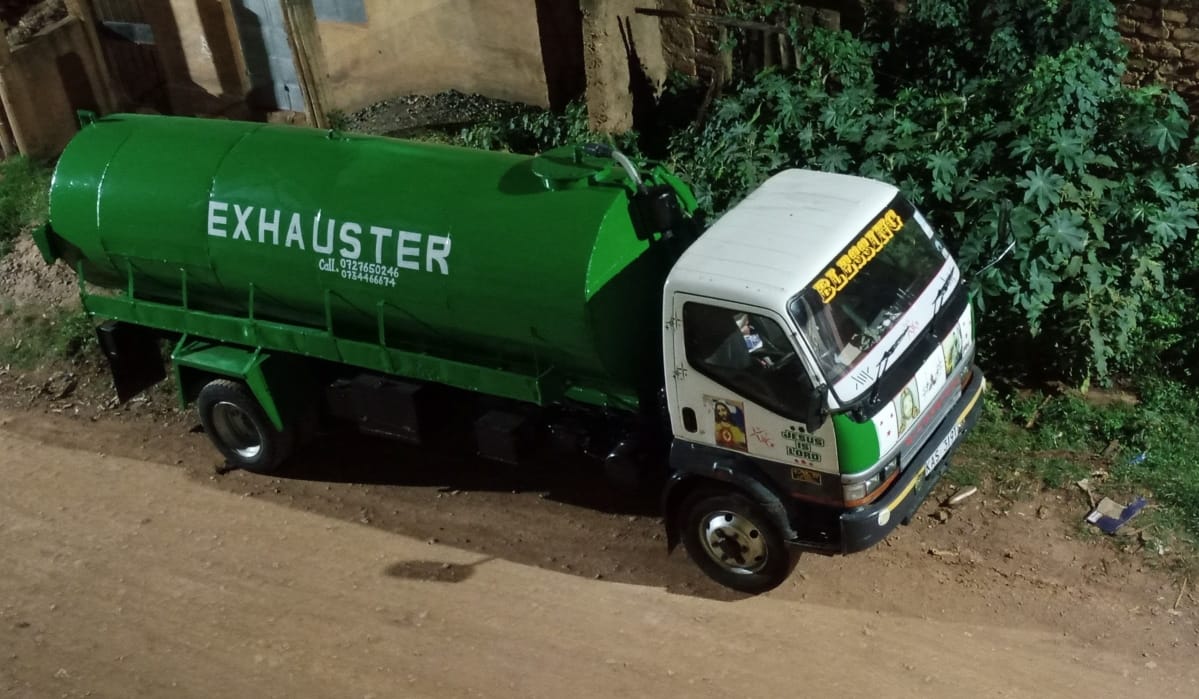
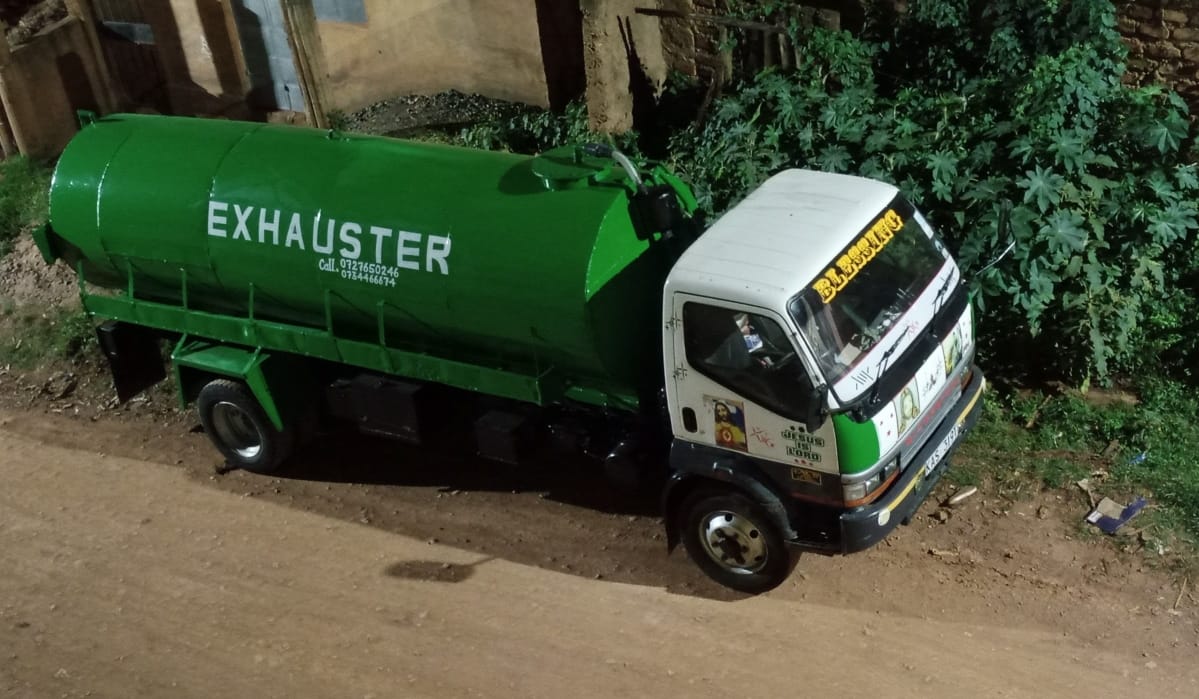
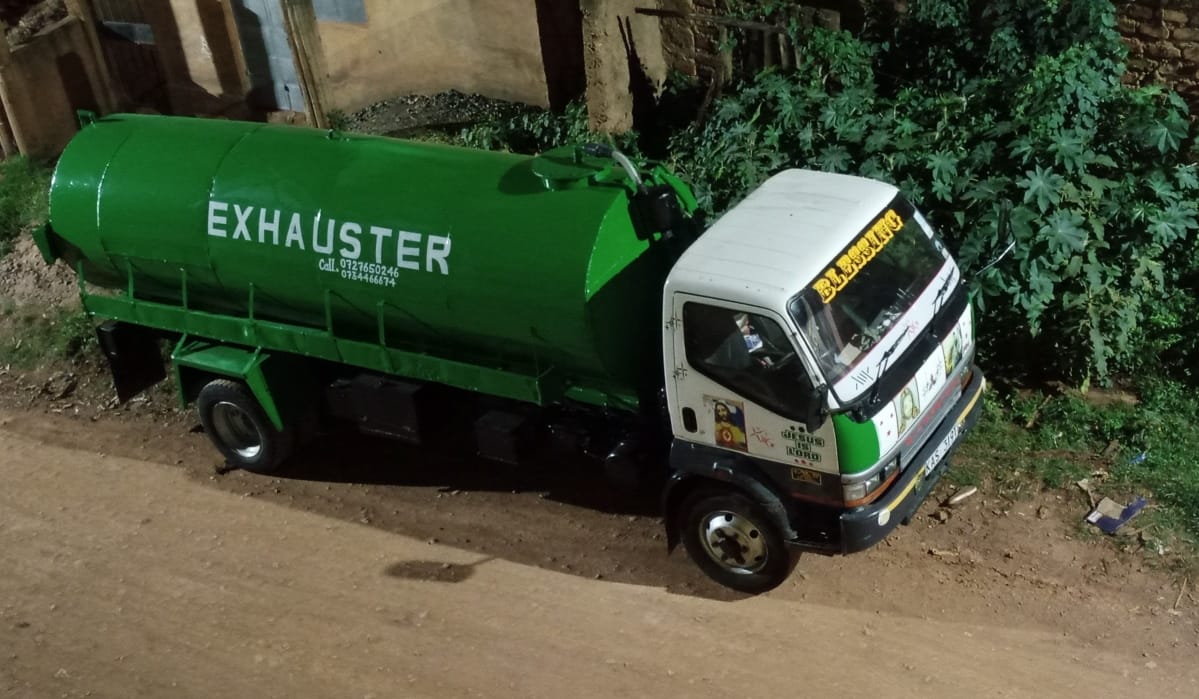
A proper Septic Tank Emptying Service is not just about sending an exhauster truck to suck out liquid waste and leave. A professional provider should first understand the site and the nature of the problem. They may ask where the property is located, how many people use the tank, when it was last emptied, whether there is an overflow, and whether the truck can access the tank area. These questions help them plan the right truck size, hose length, crew, timing, and cost before they arrive.
Once the team gets to the property, they should inspect the access point carefully. Some tanks are easy to reach, especially in homes with open compounds. Others are hidden under paving, behind extensions, near boundary walls, or inside tight rental blocks where a large truck cannot enter. In areas with narrow estate roads or small gates, the provider may need longer hoses or a smaller truck. A serious provider does not guess. They assess the situation so the work can be done safely without damaging gates, cabro paving, manhole covers, pipes, or nearby landscaping.
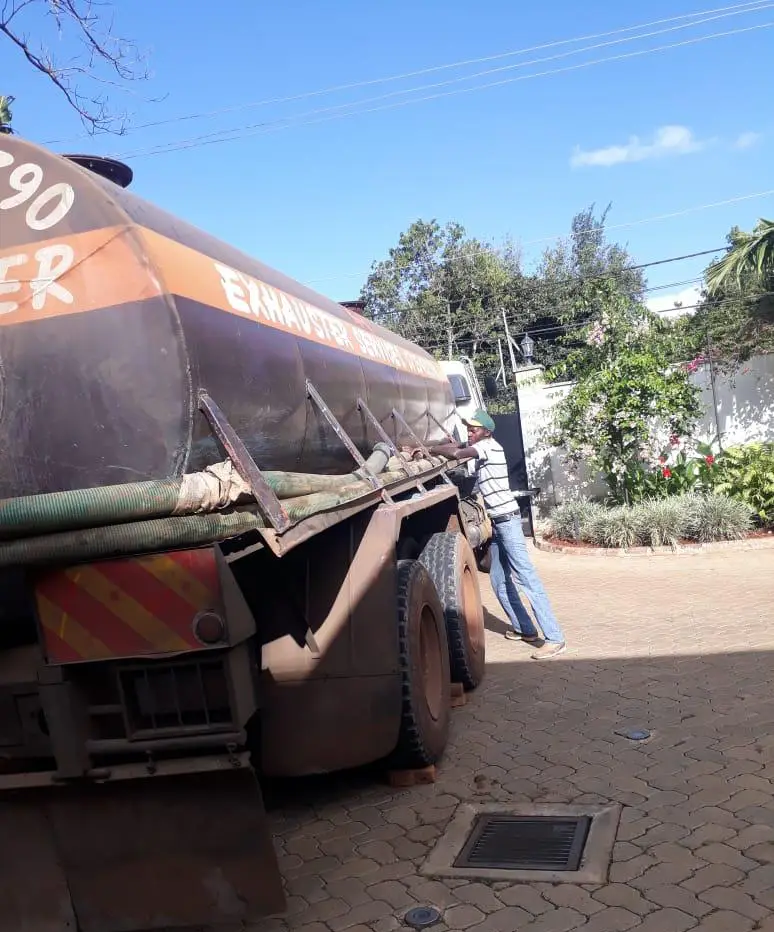
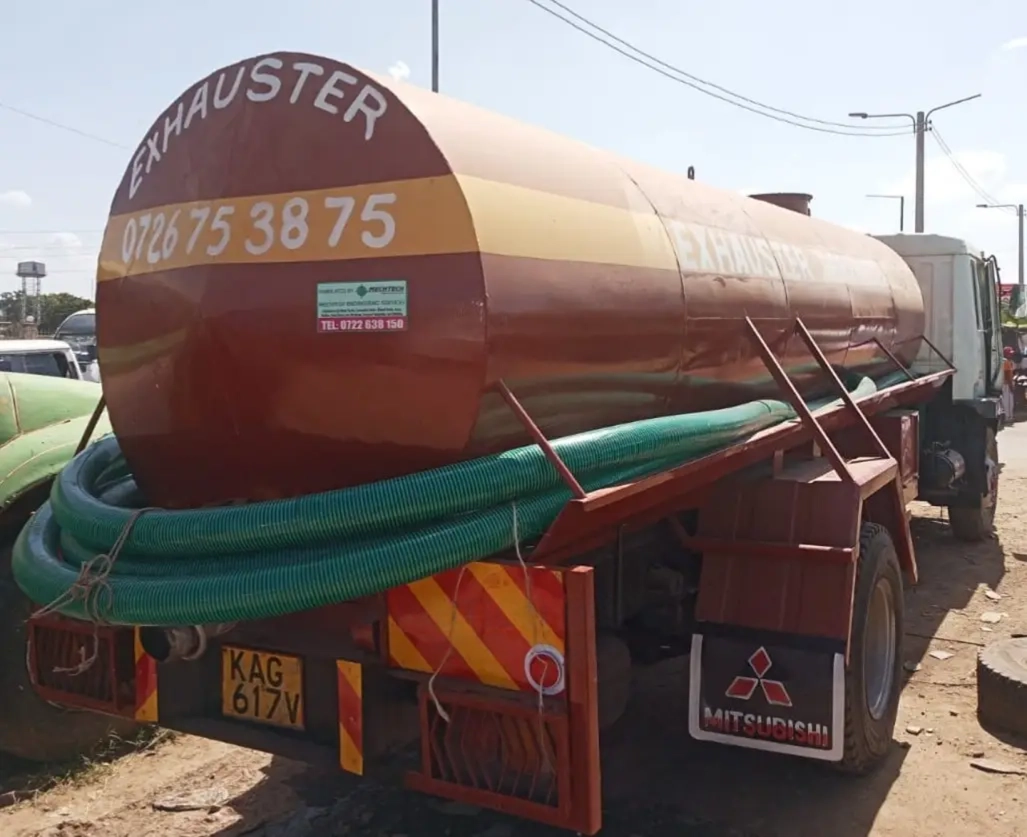
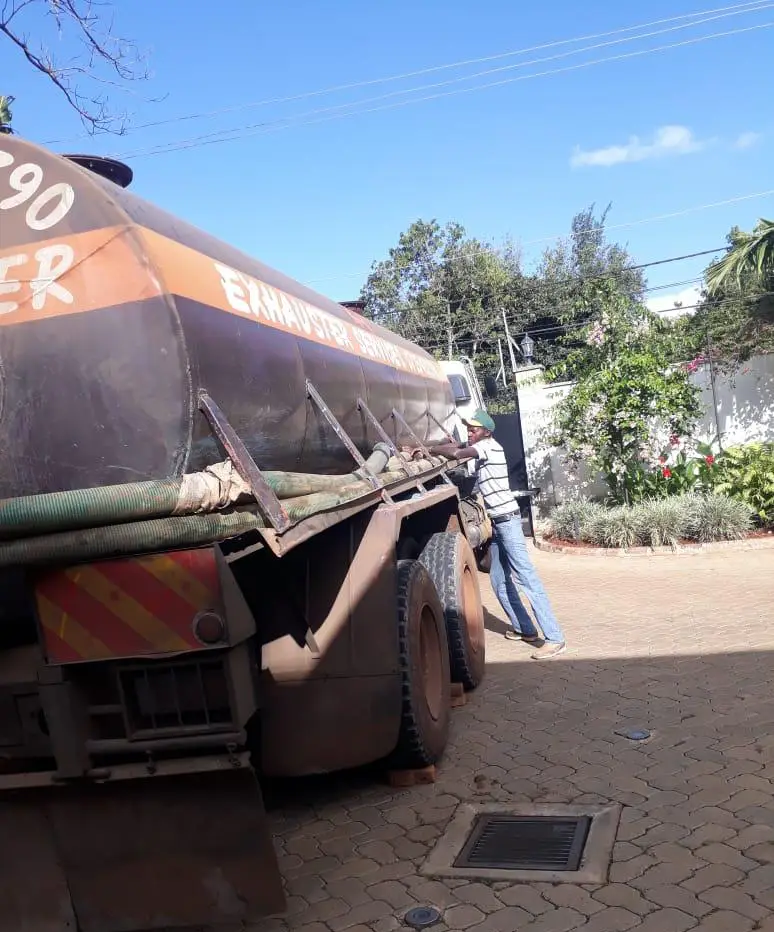
The actual emptying is done using a vacuum truck that removes wastewater and sludge from the tank. A careful crew will try to clear the heavy sludge at the bottom, not just the watery layer on top. This matters because partial emptying can make the tank seem fixed for a few weeks, only for the same problem to return quickly. If the sludge is compacted, the team may need to loosen it using safe methods before pumping. They should also monitor the process so they do not damage older concrete tanks, plastic tanks, or weakened tank walls.
After emptying, a professional may check whether wastewater is flowing properly from the house into the tank. If toilets still drain slowly after the tank has been emptied, the issue may be a blocked pipe, a failed soak pit, tree root intrusion, poor tank design, or stormwater entering the septic system. Good providers explain these findings in plain language instead of leaving the client confused. They may also advise you on when to schedule the next service, what not to flush, and when to call a plumber or drainage specialist for related repairs.
When searching for Septic Tank Emptying Service near me, it is easy to call the first number you see on a poster, WhatsApp group, or social media comment. That may work sometimes, but it can also expose you to delays, poor workmanship, hidden charges, and deposit scams. A reliable provider should communicate clearly from the beginning. They should ask practical questions, explain their pricing, confirm availability, and give you a realistic arrival time based on your location and the urgency of the job.
Pricing can vary depending on tank size, distance, access, truck capacity, disposal costs, and whether the job is planned or urgent. An affordable Septic Tank Emptying Service does not always mean the cheapest one. It means the price is fair, the scope is clear, and the provider is honest about what is included. For example, a small household tank with easy access in Kiambu may not cost the same as a large rental block tank in a congested part of Embakasi where the truck must park far from the manhole. A provider who gives one vague price without asking any details may later adjust the cost on site.
You should also expect the right equipment and a professional approach. The team should come with a working vacuum truck, strong hoses, basic tools for opening manholes, and protective gear for handling waste safely. They should avoid careless spills, protect your compound, and return covers properly after the job. Since septic work involves unpleasant smells and possible health hazards, the crew should work efficiently without rushing in a way that causes damage or leaves the area dirtier than before.
Respect for the client’s property is also important. A good provider understands that they may be working in a family home, an apartment block, a school, a hotel, or a business compound where people are watching. They should not leave oil stains, broken slabs, open manholes, or waste residue behind. They should also be willing to explain what they found during the job. If the tank is damaged, the soak pit is failing, or the system is filling too quickly because of high usage, you need honest guidance so you can plan the next step instead of dealing with the same issue again.
Some people try to delay septic emptying by pouring chemicals, using hardware shop solutions, adding strong detergents, or assuming the smell will disappear on its own. Others call a random fundi because a neighbour said, “Huyo mtu ni cheap.” The problem is that septic tanks are not simple waste pits. They are part of a system that depends on proper flow, safe handling, and responsible disposal. Poor handling can interfere with how the tank works and may cause bigger problems than the one you were trying to avoid.
Professional Septic Tank Emptying Service helps because experienced providers can identify the difference between a full tank, a blocked inlet pipe, a collapsed drain line, or a soak pit that is no longer absorbing water properly. This is important because emptying the tank alone may not solve every problem. If the soak pit has failed, for example, the tank may fill up again soon even after paying for emptying. A professional provider should alert you to such issues early so you do not keep spending money on repeat call-outs without fixing the root cause.
There is also the safety side. Raw sewage can carry harmful germs and contaminate soil, floors, water sources, and surfaces around the compound. Trying to open, scoop, or disturb a septic tank without proper tools and experience is risky. There may also be bad gases inside the tank, and old covers can collapse if handled carelessly. A qualified provider is better equipped to manage these risks and leave the site safer for residents, tenants, staff, or customers.
For landlords and property managers, professional handling also protects reputation. Tenants in busy estates like Kasarani, Githurai, Umoja, Roysambu, and Mtwapa are quick to raise complaints when sanitation fails. A poorly handled septic issue can lead to rent disputes, vacant units, or pressure from residents. For businesses, the impact can be even faster because customers will not tolerate bad smells or visible waste. Paying for a trusted septic tank provider is not just about clearing waste. It is about keeping the property usable, safe, and respectable.
Unverified providers can create several service-specific risks. One of the most common is partial emptying. Some operators only remove the liquid layer because it is quicker and easier, leaving heavy sludge at the bottom. The tank may appear empty immediately after the job, but because most of the solid waste remains, it fills up again much sooner. This leaves the client frustrated and forced to pay another provider to do the job properly.
Another serious concern is poor waste disposal. Septic waste should be taken to approved disposal points, but some unlicensed or careless operators may dump it in rivers, open land, quarries, storm drains, or isolated areas to avoid disposal costs. This is harmful to communities and the environment, and it can create trouble for the property owner or business if complaints arise. Anyone hiring a provider for commercial, school, hospitality, or institutional work should be especially careful and ask how disposal is handled. Where necessary, verify requirements with the relevant county or environmental authority.
Damage to the septic system is also possible when the work is done badly. Rough handling can crack old tanks, break manhole covers, disturb pipe connections, or damage the inlet and outlet points. In some compounds, a careless truck may damage paving, gates, flower beds, or underground pipes while trying to access the tank. What started as a simple emptying job can become a repair project that costs far more than the original service.
There is also the risk of sewage spills during pumping. Worn hoses, loose connections, rushed work, or untrained workers can leave raw waste on driveways, gardens, parking areas, or walkways. That is not just embarrassing. It is a hygiene issue, especially in homes with children, apartment blocks with many tenants, restaurants, schools, and clinics. Cleaning and disinfecting the area may become another cost, and if the provider disappears after payment, the client is left to deal with the mess alone.
Deposit scams and hidden charges are another problem many Kenyan clients worry about. Someone may ask for fuel money or a booking fee, then stop answering calls. Others arrive and increase the price once they see the client is desperate. This is why it is risky to rely only on random phone numbers with no traceable identity, no profile, and no clear accountability. With septic tank work, urgency should not make you ignore basic verification.
Finding a trusted septic tank provider can be difficult when you are under pressure. You may be dealing with an overflowing tank at night, angry tenants, a smelly compound, or a business that cannot operate comfortably. Instead of relying only on street posters, random Facebook comments, or forwarded contacts from a WhatsApp group, The Real Plug gives you a more organised way to find vetted service providers in Kenya.
The Real Plug connects users with local professionals, independent service providers, and businesses across Kenya. If you need Septic Tank Emptying Service for a home, apartment, school, restaurant, office compound, rental property, or commercial site, the platform helps you review available providers and compare options before calling. This can save time, especially when you are searching for professional Septic Tank Emptying Service near me and want someone who is easier to trace than an anonymous number.
The platform does not replace your own judgement, but it gives you a stronger starting point. You can ask providers about pricing, availability, service areas, truck capacity, access needs, and disposal practices before booking. That reduces the chances of dealing with deposit takers, careless operators, or providers who cannot handle your type of job. For homeowners, tenants, landlords, facility managers, and business owners, The Real Plug makes it easier to hire with more confidence and less guesswork.
For professionals and businesses offering Septic Tank Emptying Service, visibility and trust are just as important as having the right truck. Many serious clients want providers they can verify before allowing them onto their property. A business that is only known through a phone number on a wall or a forwarded contact may lose clients who are cautious about scams, illegal dumping, poor workmanship, or missed appointments.
Creating a profile on The Real Plug helps septic tank emptying providers become more discoverable to people actively searching for their service. Homeowners, tenants, landlords, property managers, schools, hotels, restaurants, and businesses across Kenya can find them more easily and make enquiries directly. A professional profile also helps providers compete more confidently by showing that they are part of a platform focused on vetted local professionals and businesses.
For growing sanitation companies, independent operators, and exhauster truck owners, being listed can support long-term credibility. It helps move the business beyond word of mouth and roadside advertising into a space where clients are already looking for trusted service providers. In a market where clients are often nervous about deposits, delays, and poor disposal, that extra visibility can make a real difference.
Clients looking for reliable Septic Tank Emptying Service can review and hire professionals or businesses offering Septic Tank Emptying Service through The Real Plug for safer and more confident hiring.
Professionals and businesses offering Septic Tank Emptying Service should create a profile and get listed on The Real Plug for stronger visibility and more client opportunities across Kenya.