Nairobi CBD - 00100
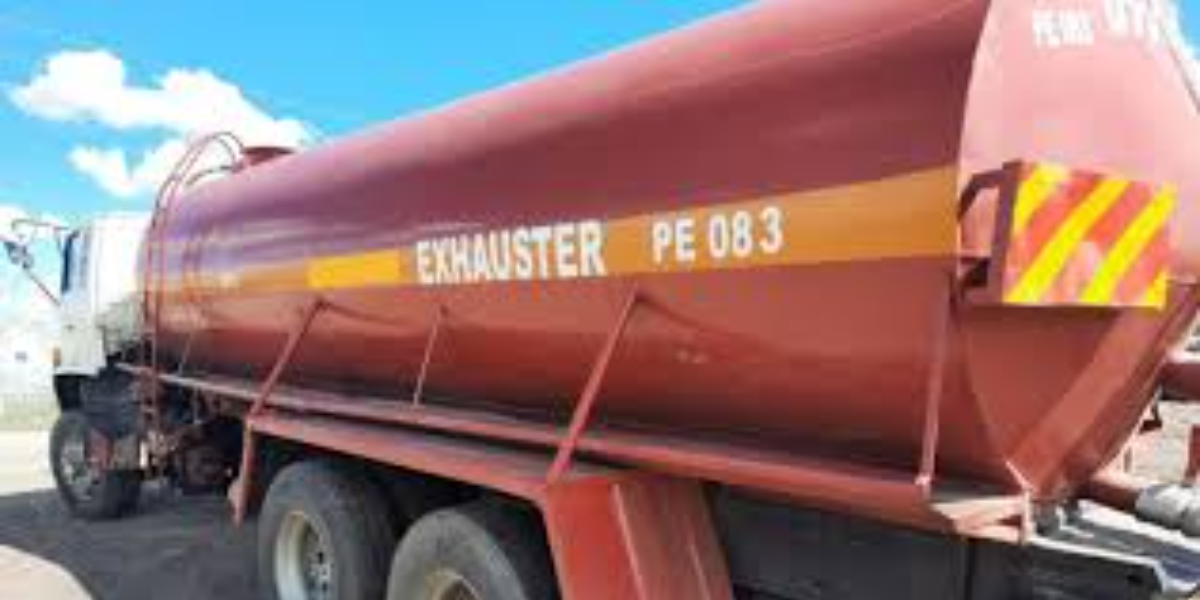
It can start with something as small as a bad smell near the toilet block during morning assembly. A teacher notices pupils covering their noses, the caretaker checks the manhole, and suddenly the school realizes the septic tank or pit latrine is already full. In a busy school in Githurai, Kayole, Kitengela, Kisumu, Nakuru, Eldoret, or Mombasa, that kind of sanitation problem can spread quickly because hundreds of pupils use the same washrooms every day. This is why exhauster services for schools are not just about emptying waste; they are about protecting children, keeping learning uninterrupted, and helping school managers avoid serious health and compliance problems.
When toilets overflow in a school, the disruption is immediate. Pupils cannot concentrate in class, teachers spend time controlling movement around unsafe areas, parents start calling, and the administration may have to answer uncomfortable questions from public health officers. For boarding schools, the pressure is even higher because learners live on the compound and depend fully on the school’s sanitation facilities. A full septic tank, overflowing pit latrine, blocked drainage line, or poorly maintained bio-digester can turn a normal school day into an emergency that affects health, reputation, and learning time.
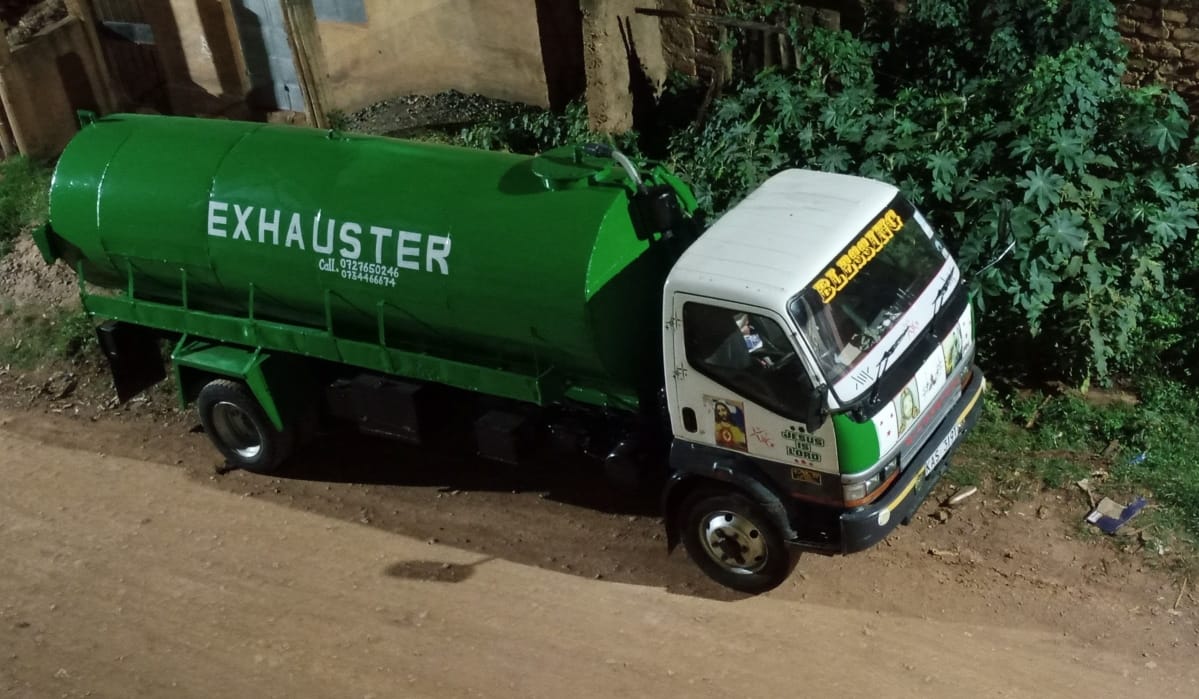
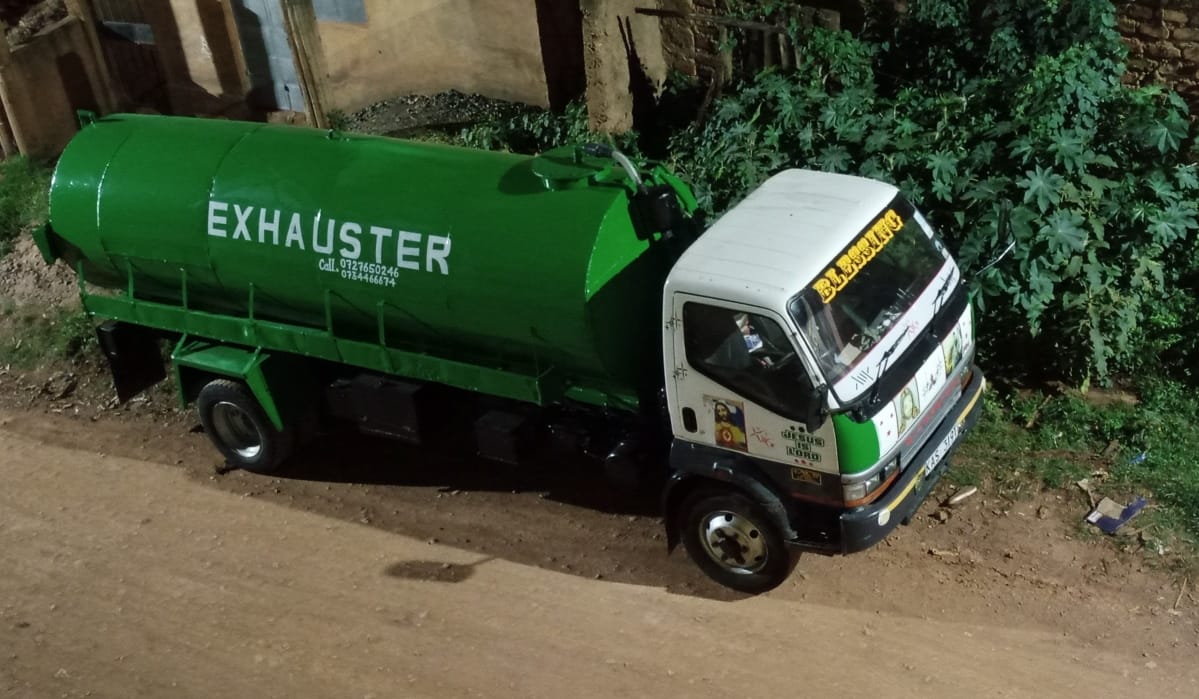
Exhauster services for schools involve the professional emptying, collection, transportation, and safe disposal of waste from septic tanks, pit latrines, bio-digesters, conservancy tanks, and drainage systems used within a school compound. These services are needed in public schools, private academies, boarding schools, day schools, colleges, TVET institutions, religious schools, and early childhood centres. They usually cover pupil toilet blocks, staff washrooms, dormitory bathrooms, kitchen drainage chambers, dining hall waste systems, staff quarters, and outdoor latrines used during games, events, or by support workers.
Schools need this service more often than many people expect because toilet usage is extremely high. A home may have five or six people using one septic system, but a school may have 500, 800, or even 1,500 learners using limited facilities in short breaks between lessons. In boarding schools, the system is used early in the morning, during the day, at night, and over weekends. When kitchen water, laundry areas, staff housing, and dormitory bathrooms are connected to the same drainage system, the load becomes heavier and the tank fills much faster.
Delaying exhauster services for schools can lead to overflowing toilets, bad smells near classrooms, sewage seepage into walkways, contaminated soil, flies around sanitation areas, and unsafe conditions for pupils. In rainy seasons, the problem can become worse because waterlogged ground may reduce absorption around soak pits or push waste closer to the surface. For schools that depend on county health approvals, boarding licenses, or regular inspections, poor sanitation can create serious pressure on the administration. Acting early is usually cheaper, safer, and less stressful than waiting for waste to overflow during a school day.
Many schools in Kenya were built when enrolment numbers were much lower. A septic tank or pit latrine block that was once enough for 250 learners may now be serving 700 pupils after population growth, new classrooms, junior secondary additions, or expanded boarding facilities. The school may have grown step by step, but the sanitation infrastructure may not have been upgraded at the same pace. This is common in fast-growing areas like Ruaka, Rongai, Kasarani, Thika, Kitengela, Athi River, Pipeline, and parts of Kiambu where student numbers can rise quickly.
Another common challenge is misuse of toilets by young learners. Pupils may drop paper, plastics, stones, sanitary pads, food wrappers, wipes, or other items into toilets and pit latrines without understanding the damage they cause. These materials do not break down properly, so they block pipes, fill chambers, and reduce the working capacity of septic tanks. In schools with younger children, toilets can also get clogged because pupils use too much tissue or pour foreign materials into the system during break time.
School kitchens and boarding facilities also add pressure. Where cooking oil, food particles, soap water, and laundry wastewater enter the same drainage system, pipes may block faster and tanks may develop thick sludge. Dormitories are used heavily at specific times of the day, especially early mornings and evenings, which can overload old drainage lines. If the school waits until pupils start complaining, the system may already be close to failure. This is why planned professional exhauster services for schools are important for both day and boarding institutions.
A serious provider starts by assessing the school environment before beginning the job. They may ask how many learners and staff use the facilities, whether the school is day or boarding, how many toilet blocks are affected, when the tank or pit was last emptied, and whether there are signs of backflow or overflow. This assessment helps the provider decide the size of truck needed, the number of trips required, the safest working time, and whether blocked pipes need attention before or after emptying. A school is not the same as a small residential compound, so proper planning matters.
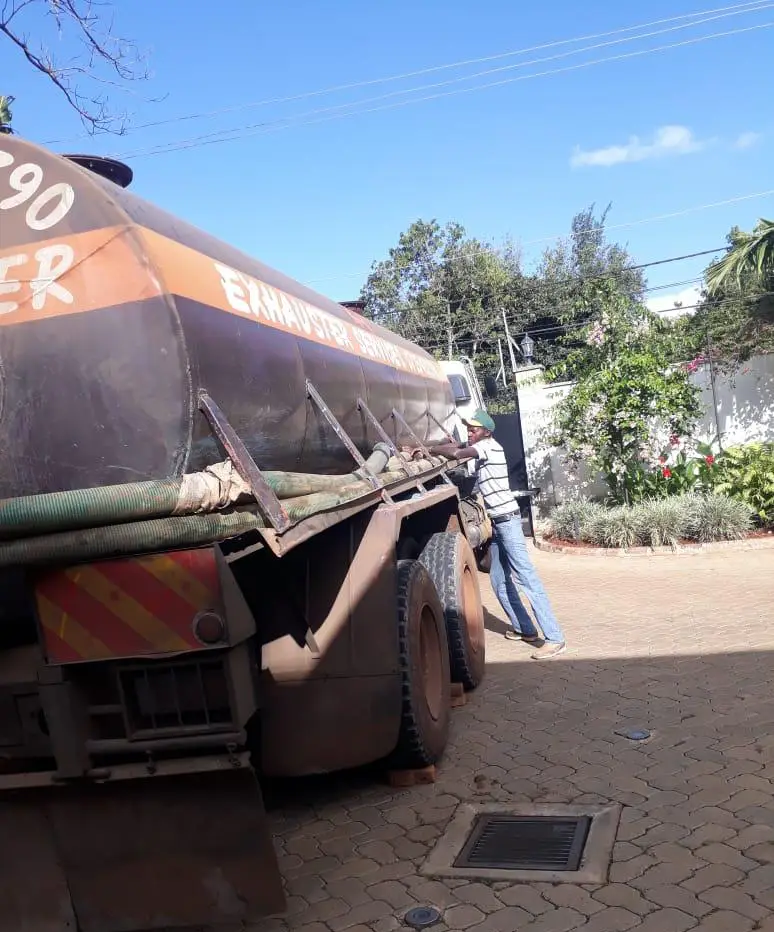
Access and safety are also handled carefully. Schools have children moving around, narrow paths, assembly areas, playgrounds, and sometimes small gates that make truck positioning tricky. A professional team will agree on the best time to work, such as early morning, weekends, holidays, or after classes, unless the issue is an emergency. They should secure the working area, keep pupils away from open manholes or pits, use proper hoses, and make sure the truck does not block school movement more than necessary. Open pits and uncovered manholes are dangerous, so safety cannot be treated casually.
The actual extraction involves removing liquid waste and thick sludge from septic tanks, pit latrines, or bio-digesters. This is important because sludge reduces tank capacity and causes quick repeat filling if it is left behind. Where toilet lines are blocked, the provider may use rodding or pressure cleaning to open the drainage path before confirming that waste is moving properly. In a boarding school, they may also check dormitory washrooms, staff quarters, dining hall drainage, and kitchen chambers if these are connected to the same system.
After emptying, a reliable team checks the flow by flushing toilets, running water through wash areas, and inspecting manholes or chambers for signs of continuing blockage. They should close covers properly, clean the working area, disinfect where necessary, and leave the school compound safe for pupils and staff. The collected waste should be transported to an approved disposal site, not dumped in open fields, rivers, quarries, or roadside drains. For school records, it is helpful when the provider gives a job card, receipt, or service note showing when the work was done.
When a head teacher, director, bursar, caretaker, or BOM member searches for exhauster services for schools near me, the first thing to look for is experience with school environments. A serious provider should understand that schools have children on site and that sanitation work must be planned with extra care. They should ask useful questions, explain their process clearly, and advise on suitable timing. A provider who wants to arrive during break time without considering pupil movement may not be the right fit unless the situation is an unavoidable emergency.
Clear pricing is also important because school budgets are often planned in advance. The provider should explain whether the cost depends on truck capacity, number of trips, distance, emergency response, pit depth, blocked lines, or difficult access. A cheap quote may look attractive, especially when the school is trying to control expenses, but it can become costly if the job is incomplete. If only part of the waste is removed, the school may need another service within weeks, which means paying twice and dealing with the same disruption again.
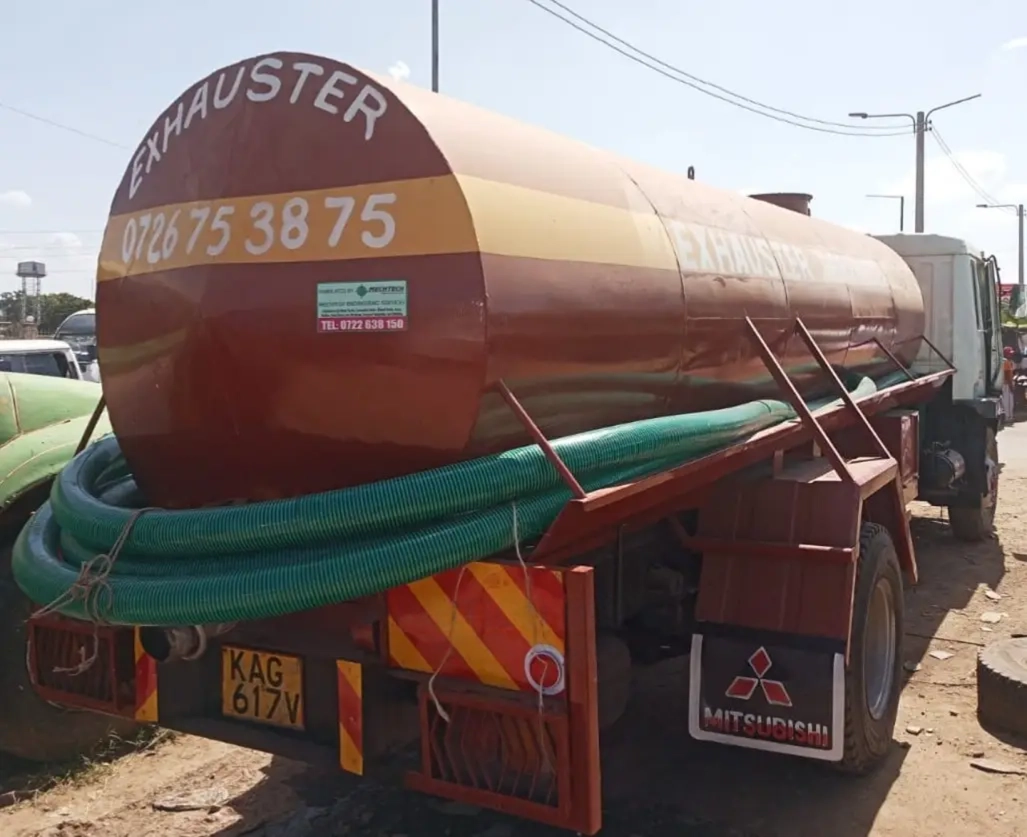
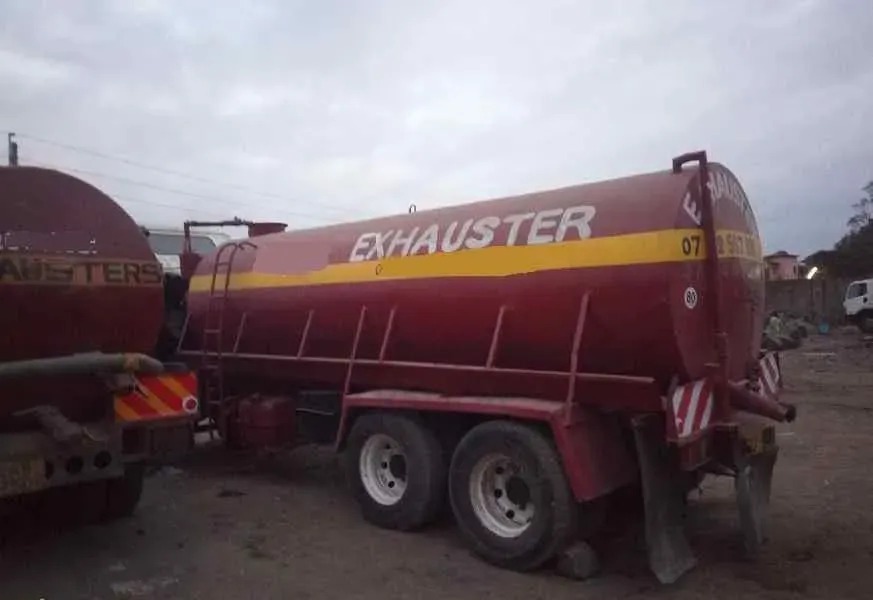
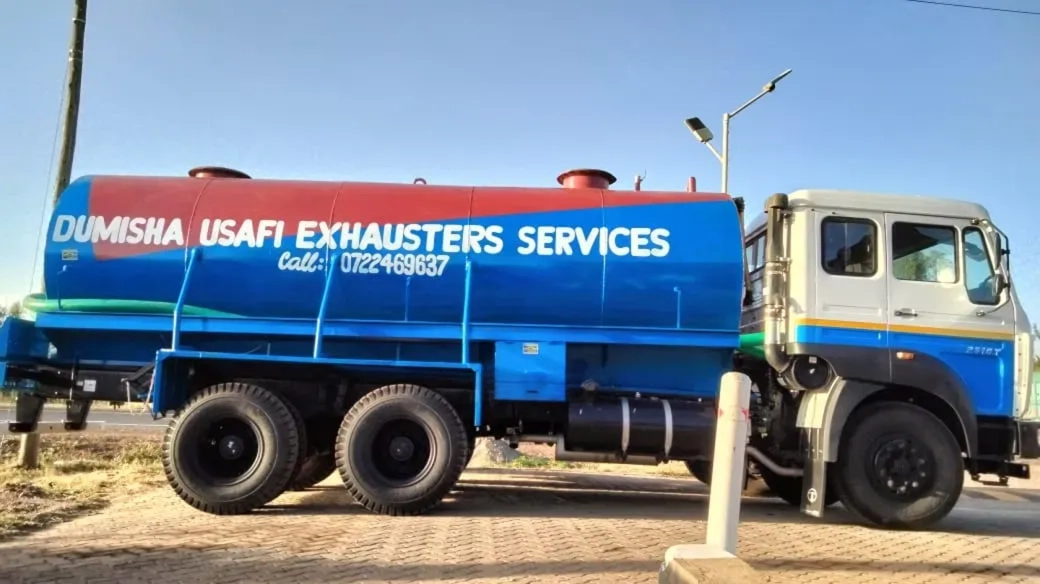
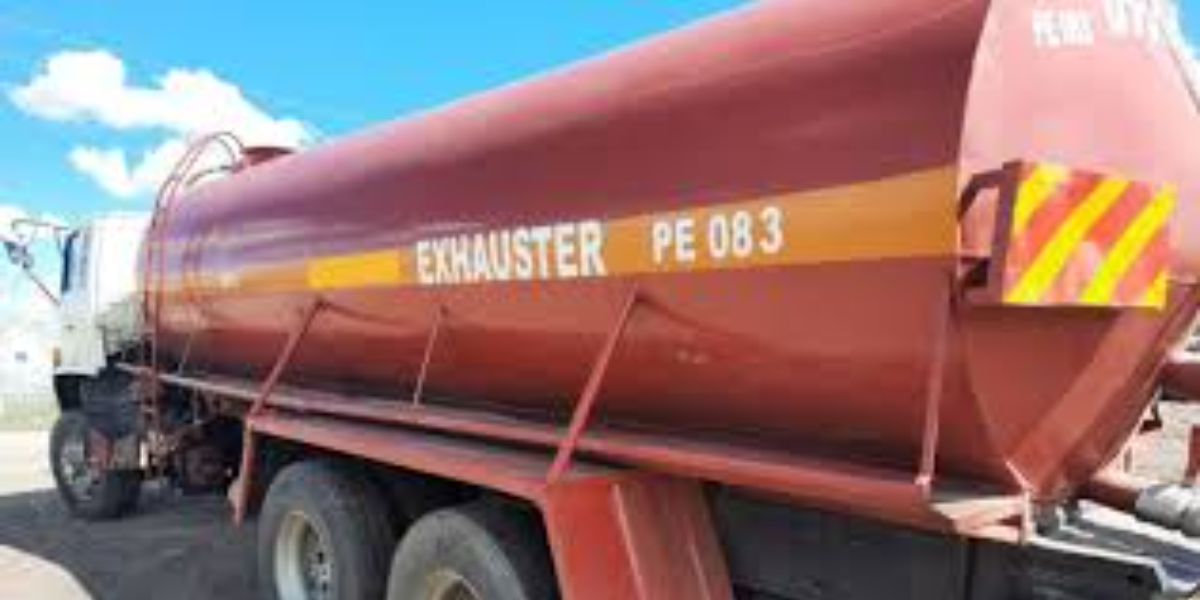
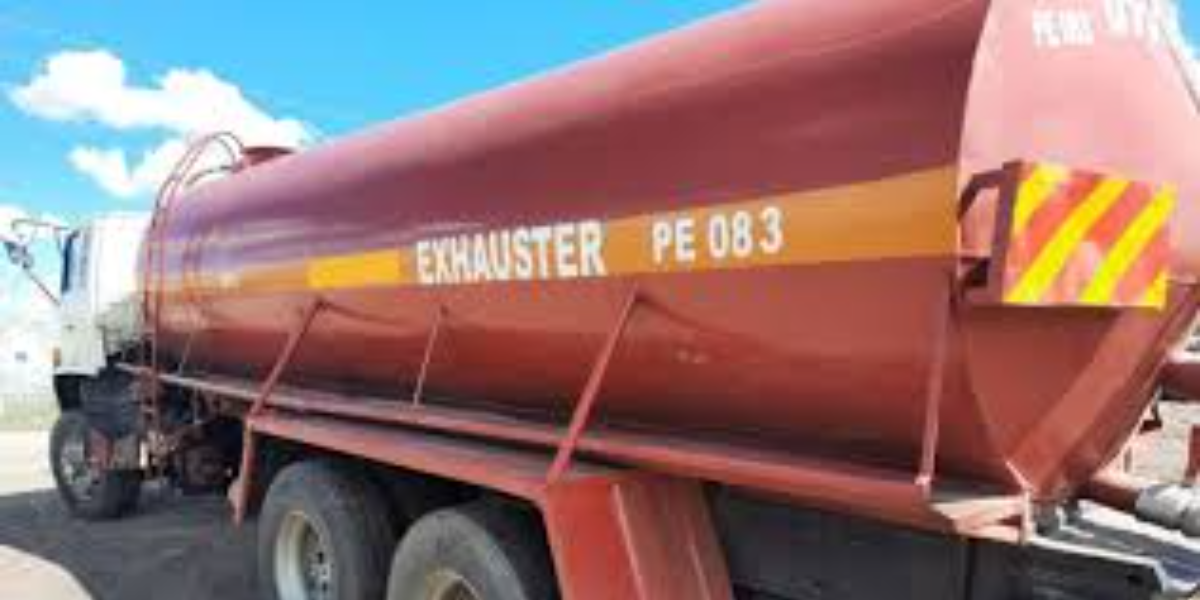
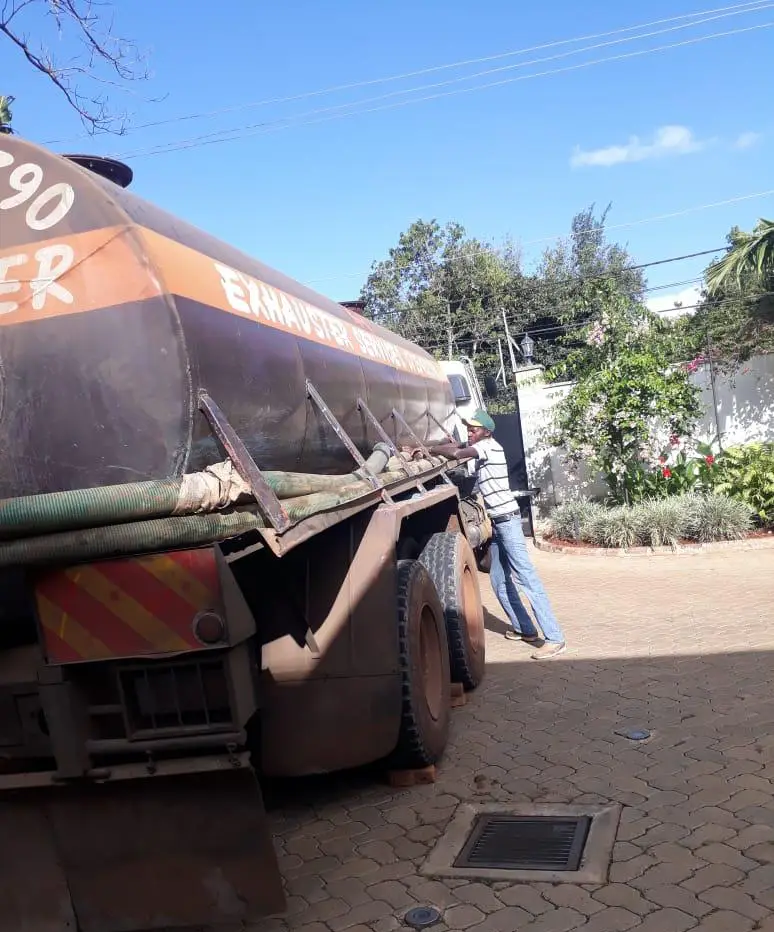
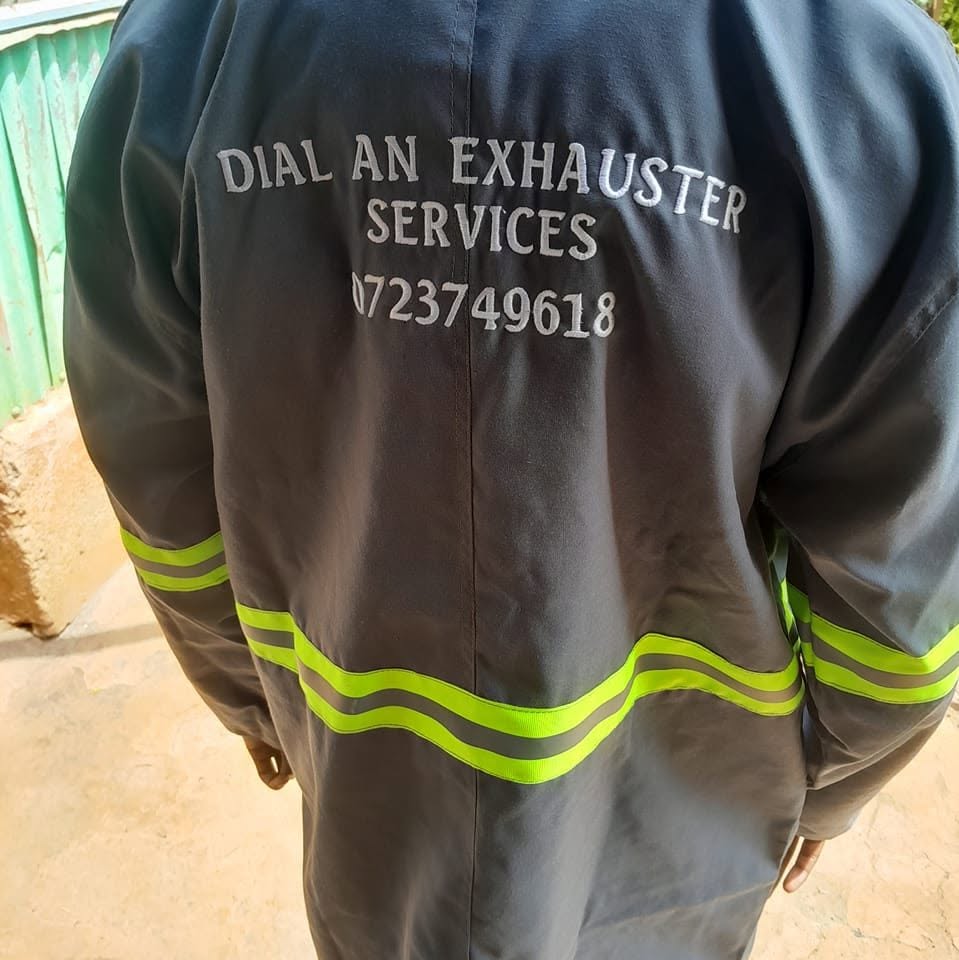
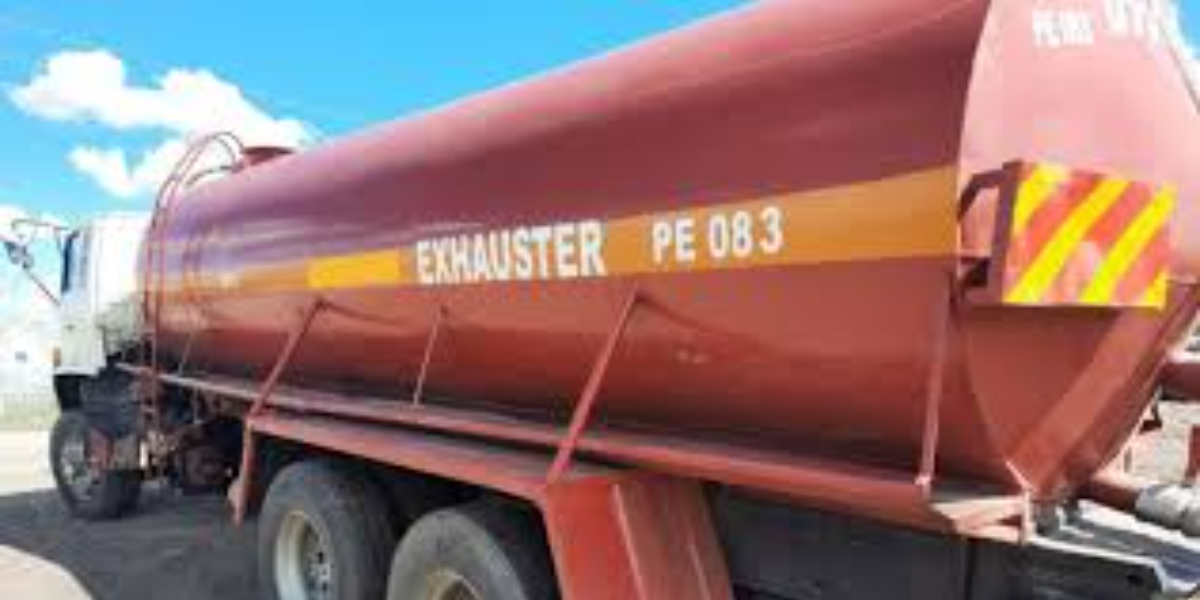
Proper equipment and conduct matter too. Schools should expect a professional exhauster team to come with a suitable vacuum truck, strong hoses, protective clothing, gloves, boots, safety markers, and disinfectant where needed. The crew should behave respectfully on school grounds, follow gate instructions, avoid careless language around pupils, and clean up before leaving. This may sound basic, but it makes a big difference in a school setting where professionalism affects trust.
A reliable provider should also give practical guidance after the job. If the toilets are filling too fast, they should help the school understand whether the cause is high population, blocked lines, wrong items being dumped into toilets, a failed soak pit, an undersized tank, or drainage connected to kitchen waste. Good advice helps the administration plan termly emptying, educate pupils on proper toilet use, budget for upgrades, or separate kitchen waste where possible. The goal is not only to solve today’s emergency but to reduce the chance of another one during exams, visiting days, or inspection periods.
Some schools try to handle sanitation problems internally because funds are tight or because the issue starts after hours. A caretaker may open a manhole to check the level, pour chemicals into the toilet, dig a temporary channel, or call a random person with a small truck. While these quick fixes may seem practical in the moment, they can create bigger health and safety risks. Septic tanks and pit latrines can contain harmful gases, unstable covers, contaminated sludge, and deep openings that should not be handled casually.
Using harsh chemicals can also interfere with septic tanks and bio-digesters by affecting the natural breakdown of waste. Releasing waste into the compound, a garden, a drainage channel, or a nearby stream is unsafe and can expose pupils, staff, neighbours, and the wider community to contamination. A random provider may remove only the liquid layer and leave thick sludge behind, which means the tank fills again quickly. In the end, the school pays for a “cheap” fix but still faces the same problem before the term ends.
Professional exhauster services for schools help avoid those mistakes. A qualified provider knows how to secure the area, empty the system properly, handle waste safely, and restore normal toilet use with minimal disruption. For boarding schools, this protects learners who rely on the compound day and night. For day schools, it reduces complaints from parents and allows teachers to focus on lessons instead of managing toilet queues, bad smells, or restricted movement around unsafe areas.
Schools carry a higher duty of care because children are involved. An unverified provider with poor equipment may spill sewage near classrooms, playgrounds, dormitories, or walkways. That kind of spill is not just unpleasant; it can expose pupils to harmful germs, attract flies, and create panic among parents. If children get sick after a sanitation incident, the school’s reputation can suffer badly, and the administration may face pressure from parents, education officers, and health officials.
Illegal dumping is another major risk. Some rogue providers offer very low prices because they do not plan to dispose of the waste properly. They may dump it in a river, bushy area, quarry, drainage channel, or open field at night. If the waste is traced back to the school, the administration can face serious questions and possible penalties. A school cannot afford to be associated with unsafe waste disposal, especially when it is trusted with children’s welfare.
There is also the danger of accidents on the compound. Open manholes, exposed pits, loose covers, and slippery waste around toilet blocks can lead to serious injury. An untrained crew may fail to secure the area properly, leave covers badly placed, or rush away before checking that the site is safe. If a pupil, teacher, cleaner, or visitor is injured, the school may carry the responsibility because the incident happened on its premises.
Unverified providers can also cause delays and repeat costs. They may miss appointments, arrive with a truck too small for the job, demand extra money halfway through, or disappear after doing partial work. Meanwhile, toilets remain closed, pupils lose learning time, and teachers spend energy managing a preventable crisis. For schools preparing candidates for national exams, even one day of disruption can feel heavy. Hiring trusted exhauster service providers from the start helps schools protect time, money, health, and confidence.
The Real Plug gives school administrators a more reliable way to find vetted service providers across Kenya. Instead of depending on a random phone number from a wall poster, a forwarded WhatsApp contact, or an unverified referral, schools can use The Real Plug to review professionals and businesses offering exhauster services for schools. This is useful for head teachers, directors, BOM members, bursars, caretakers, landlords managing school premises, and facility managers who need quick but careful hiring decisions.
Through The Real Plug, schools can compare available providers before making a decision. They can look for local professionals in Kenya who understand septic tank emptying, pit latrine exhaustion, bio-digester servicing, school toilet drainage, and institutional sanitation needs. A provider serving a small home may not always be suitable for a school with hundreds of pupils, multiple toilet blocks, and limited working windows. The platform helps clients start from a better place by making it easier to identify providers who match the size and urgency of the job.
The Real Plug also helps reduce common hiring worries. Schools can avoid relying only on street posters or social media comments, where it is hard to know who is serious, who has the right equipment, and who will actually show up. By reviewing listed providers, comparing options, and connecting with trusted exhauster service providers, administrators can plan termly emptying, respond to emergencies faster, and reduce the risk of poor workmanship, hidden charges, delays, unsafe handling, or incomplete waste removal. For schools in Nairobi, Kiambu, Machakos, Kajiado, Nakuru, Kisumu, Mombasa, Eldoret, and other counties, that convenience can make sanitation management less stressful.
For professionals and businesses offering exhauster services for schools, The Real Plug creates a practical way to be discovered by people already looking for sanitation support. Many schools want affordable exhauster services, but they also want providers who are reliable, properly equipped, respectful on school grounds, and able to provide documentation when needed. A professional profile helps your business show that you are serious and easier to reach when administrators are comparing options.
Listing on The Real Plug can help exhauster businesses reach head teachers, private school owners, facility managers, landlords, BOM members, procurement officers, colleges, and boarding institutions across Kenya. You can use your presence to highlight the areas you serve, the type of jobs you handle, your experience with school environments, emergency response availability, and your ability to support planned maintenance. In a market where many clients fear scams, missed appointments, and poor service, visibility on a trusted platform helps genuine providers compete more professionally.
Exhauster services for schools should not be treated as a last-minute rescue call only when pupils are already avoiding the toilets. The better approach is to monitor toilet usage, keep records of when tanks or pits were last emptied, educate pupils on proper toilet use, and schedule servicing before the school compound becomes unsafe. This is especially important for boarding schools, schools with large enrolment, institutions with old septic systems, and schools where kitchen or dormitory drainage increases the load on the main tank.
Good sanitation supports learning quietly in the background. When toilets work, pupils stay comfortable, teachers stay focused, parents feel reassured, and administrators avoid unnecessary drama. When sanitation fails, the entire school feels it. By hiring professional exhauster services for schools through a trusted platform like The Real Plug, schools can protect pupil health, reduce emergency costs, and keep the learning environment clean, safe, and dignified.
School administrators looking for safe and reliable exhauster services for schools can review and hire trusted professionals through The Real Plug to protect pupils, staff, and learning time.
Professionals and businesses offering exhauster services for schools can create a profile and get listed on The Real Plug to gain visibility and connect with schools across Kenya.