Nairobi CBD - 00100
A temporary toilet problem can ruin a well-planned day faster than most people expect. Imagine an outdoor wedding in Karen with guests enjoying the reception, the caterer serving food, and the event planner trying to keep everything smooth, then someone quietly reports that the mobile toilets are full and the smell is moving toward the seating area. The same issue can happen at a construction site in Athi River, a church gathering in Nakuru, a road project in Turkana, or a concert in Mombasa where hundreds of people depend on portable toilets for the whole day. This is exactly why temporary toilet waste removal is such an important service in Kenya, especially where there is no permanent sewer connection nearby.
Portable toilets are useful because they make sanitation possible in places where permanent washrooms are not available. The problem is that they do not manage themselves. Once the holding tanks fill up, the units become unpleasant, unsafe, and sometimes completely unusable. Guests start avoiding them, workers lose morale, neighbours complain, and organizers end up rushing to fix a mess that could have been prevented with proper planning. For event planners, contractors, NGOs, schools, county project teams, and site managers, reliable temporary toilet waste removal keeps people comfortable, protects public health, and helps the event or project continue without unnecessary embarrassment.
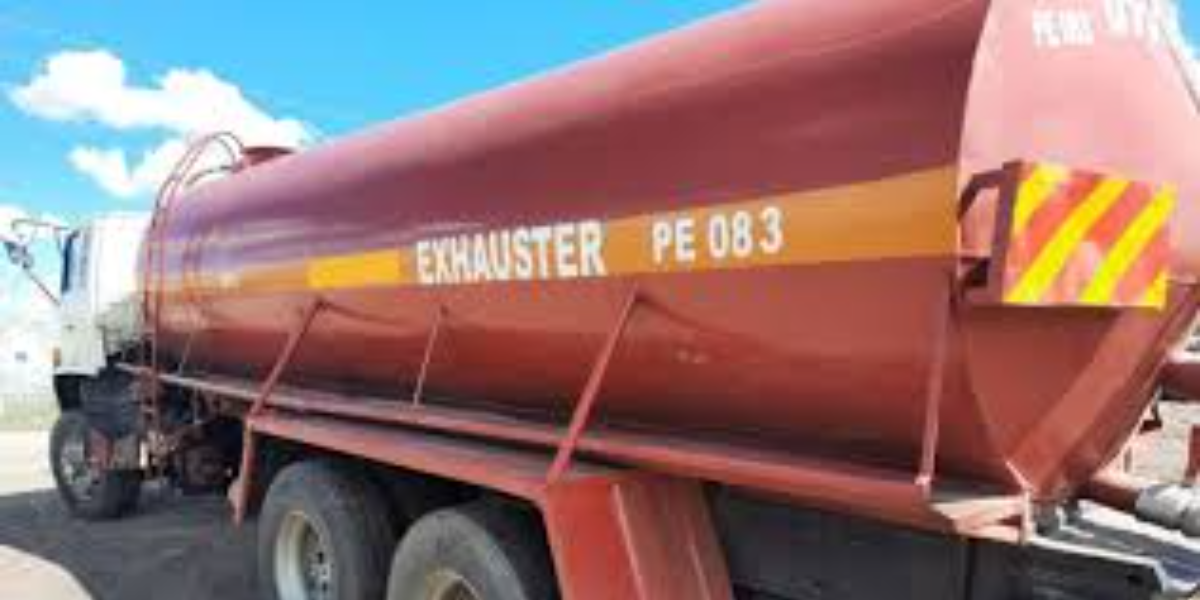
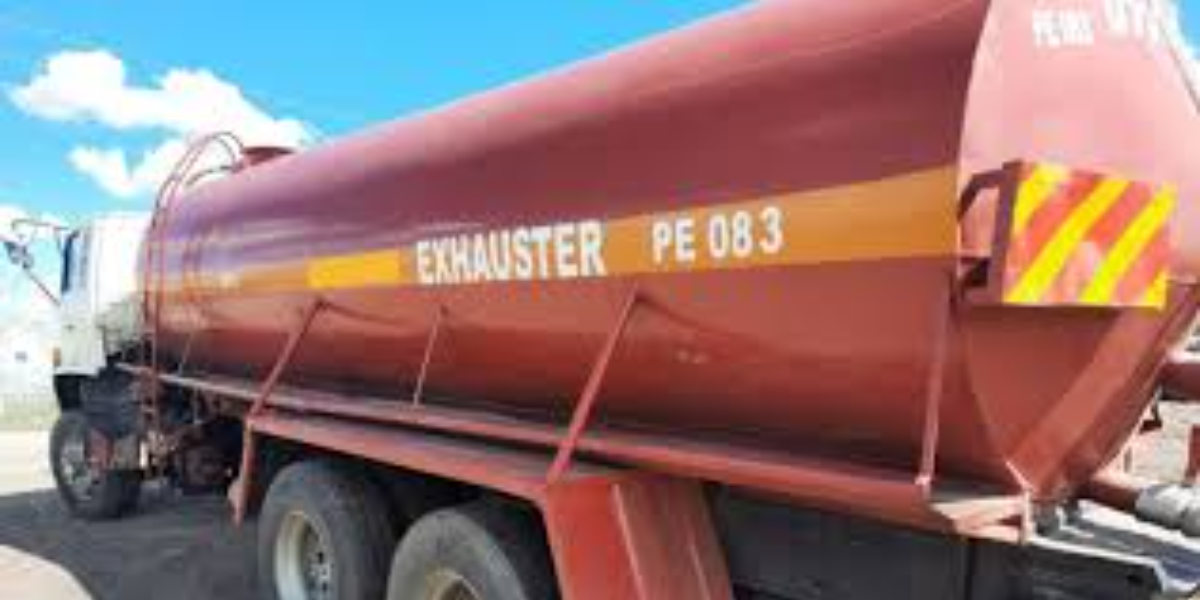
Temporary toilet waste removal is the professional emptying, cleaning, transportation, and safe disposal of waste from portable toilets, mobile toilets, chemical toilets, temporary latrines, and sanitation units used at short-term or remote locations. The service usually includes suctioning waste from the toilet holding tank, removing sludge and liquid waste, cleaning the unit, deodorizing it, restocking supplies where agreed, and transporting the waste to an approved disposal or treatment facility. It is commonly needed where people gather or work but there are no permanent toilets, septic tanks, or sewer lines available on site.
This service is useful for weddings, funerals, concerts, sporting events, religious crusades, political rallies, festivals, school functions, construction sites, roadworks, mining sites, farms, medical camps, disaster response centres, and temporary worker camps. A rally in Kisumu, a burial in Murang’a, a housing project in Kiambu, a road construction camp in Marsabit, or a food festival in Nairobi may all need portable toilets. But once those toilets are delivered, someone must manage the waste properly. Otherwise, the units fill up, smell spreads, users complain, and the whole sanitation plan fails.
Delaying temporary toilet waste removal can create serious health and operational problems. A full portable toilet can overflow, attract flies, expose users to pathogens, and push people to use nearby bushes, drainage areas, or open spaces instead. At an event, that damages the guest experience and can attract complaints from venue owners or county officers. On a construction site, poor sanitation can affect worker welfare and may raise compliance concerns during inspections. For NGOs and government projects, poor waste handling can also affect reporting, community trust, and environmental responsibility. In short, temporary toilets are only effective when waste removal is handled on time.
One of the biggest mistakes clients make is underestimating toilet usage. Portable toilets have limited holding capacity, and that capacity can disappear quickly when many people are using the same units. At a wedding with food and drinks, guests may use the toilets more often than expected. At a funeral, people may arrive early and stay for hours. At a construction site, workers may use the toilets throughout the day, especially where the site is far from shops, homes, or public facilities. If there are too few toilets or no planned emptying schedule, the tanks can fill before the event or workday is over.
Kenyan weather also affects temporary toilets. In hot areas like Mombasa, Garissa, Lodwar, Isiolo, and parts of Kajiado, heat can make odours stronger and cause toilet chemicals to lose effectiveness faster. During rainy seasons in places like Kakamega, Kisii, Nyeri, and parts of Nairobi, muddy ground can make toilet access difficult for users and waste removal trucks. If the units are placed on soft or uneven ground, they can shift, sink, or become hard to service safely. Good placement and regular servicing make a big difference.
Construction sites face their own challenges. Workers may use the toilets for items that should not go into the tank, including plastic bottles, cement bags, food wrappers, wipes, stones, or other debris. Some sites run long shifts, meaning the toilets are used from early morning until late evening or even through the night. On large sites in Syokimau, Ruiru, Mlolongo, Juja, Kitengela, and Athi River, a few portable toilets may serve many casual workers, subcontractors, guards, and visitors. Without scheduled portable toilet emptying in Kenya, the site can quickly become unhygienic and uncomfortable.
A serious provider starts by understanding the job before sending a truck. They should ask how many toilets are on site, how many people are expected to use them, how long the event or project will run, where the toilets are placed, and whether the client needs a one-time emptying or repeated servicing. For a one-day wedding in Tigoni, the plan may be different from a three-day music event in Naivasha or a six-month road project in Kitale. Proper planning helps prevent overflow, bad smells, and last-minute panic.
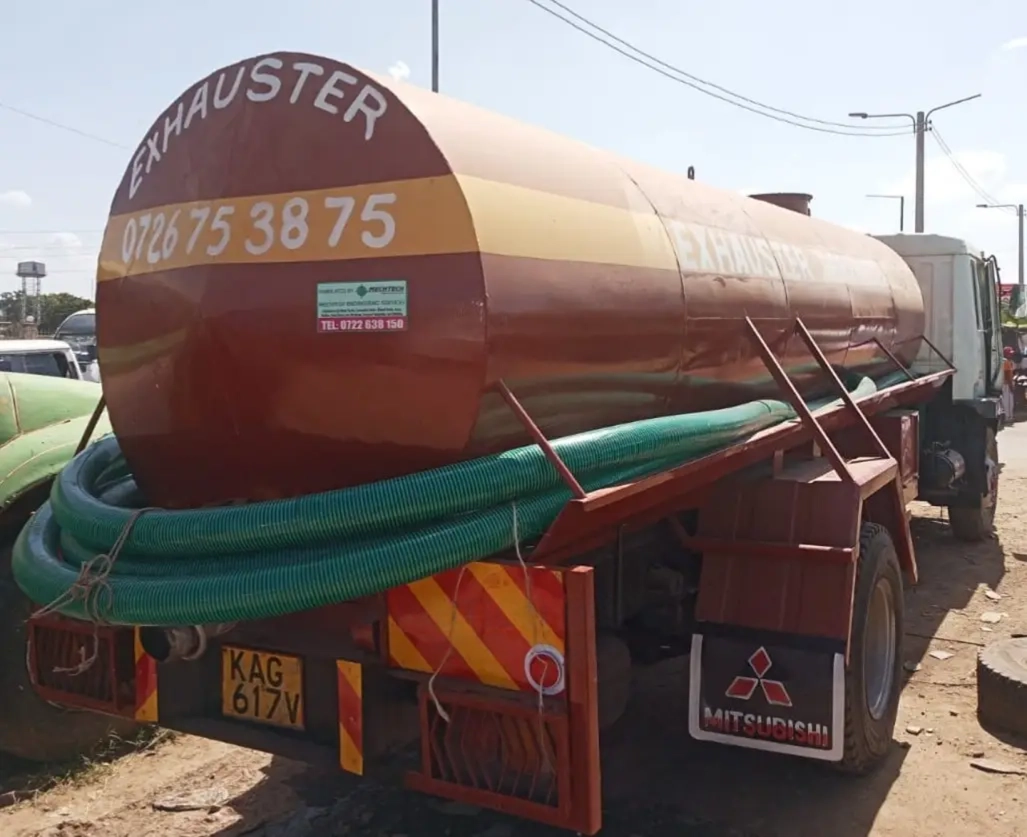
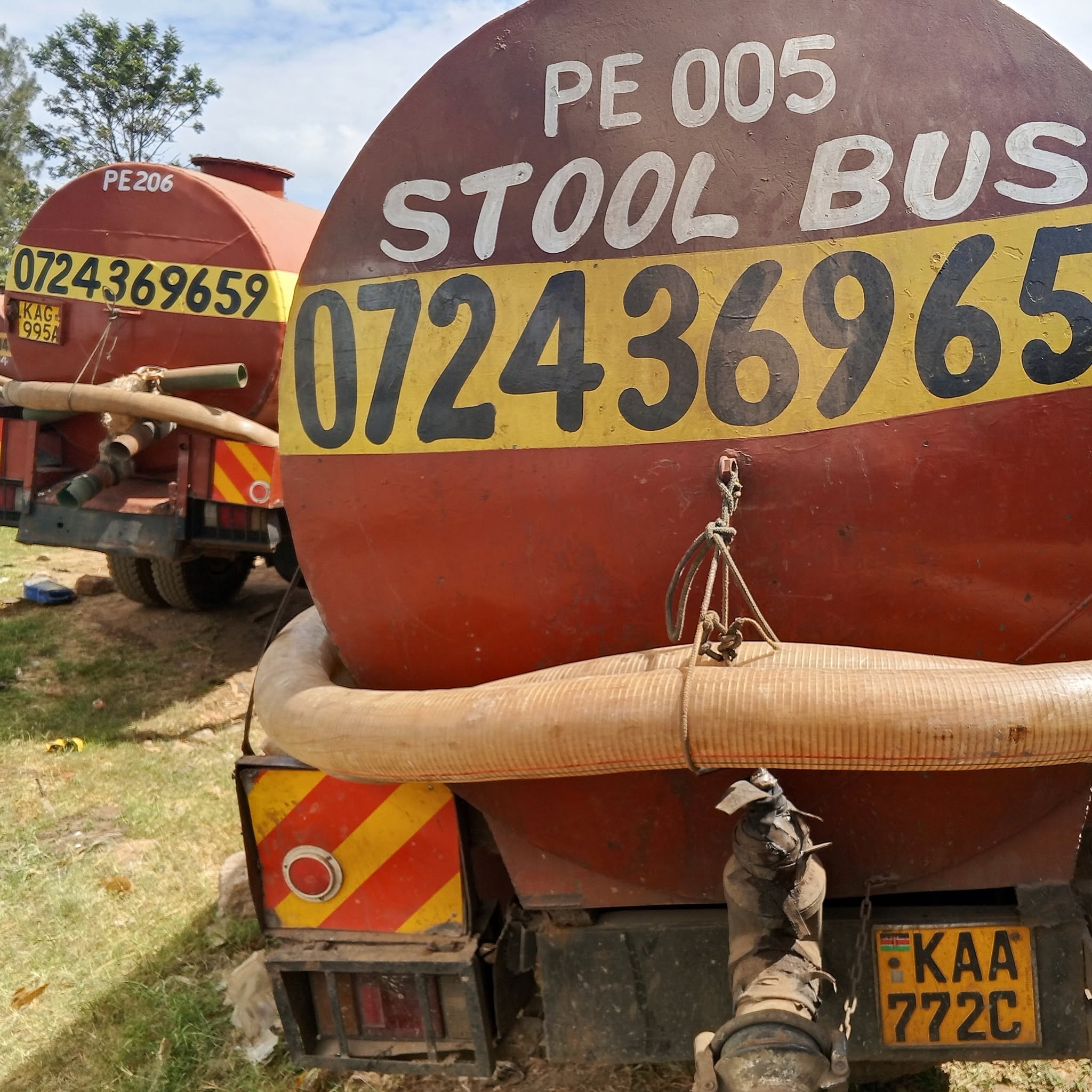
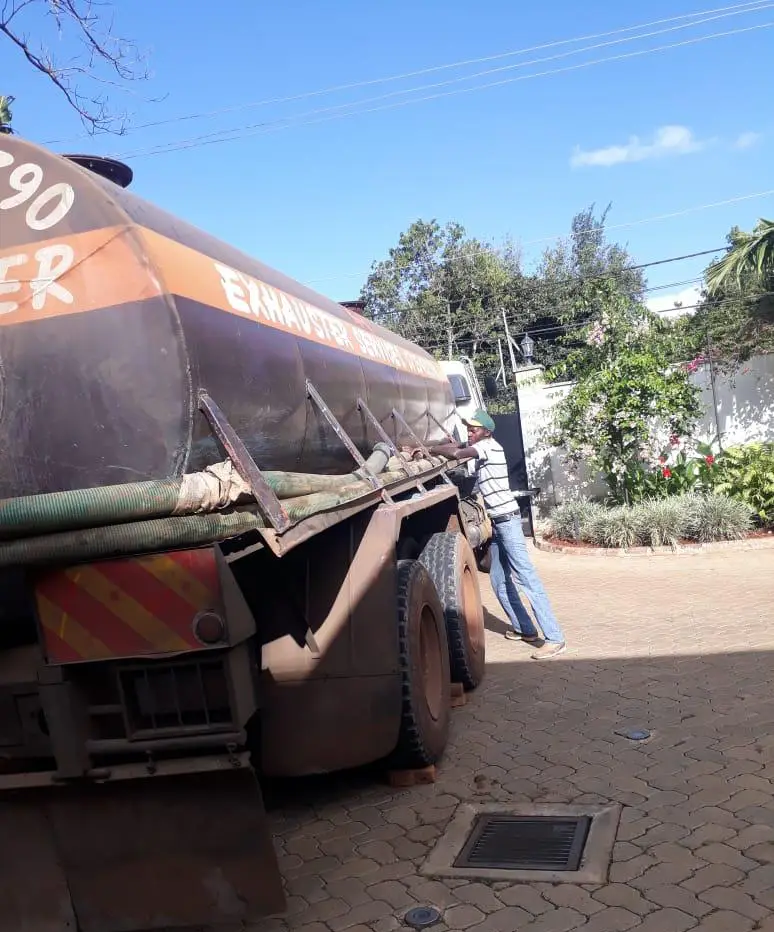
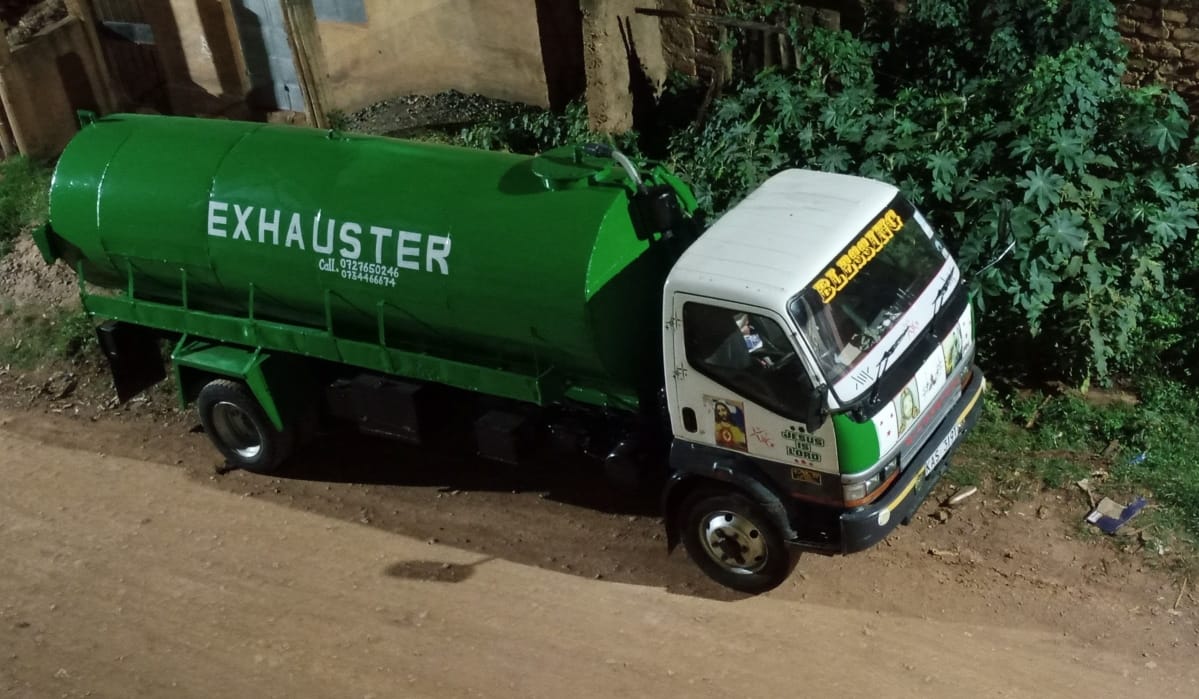
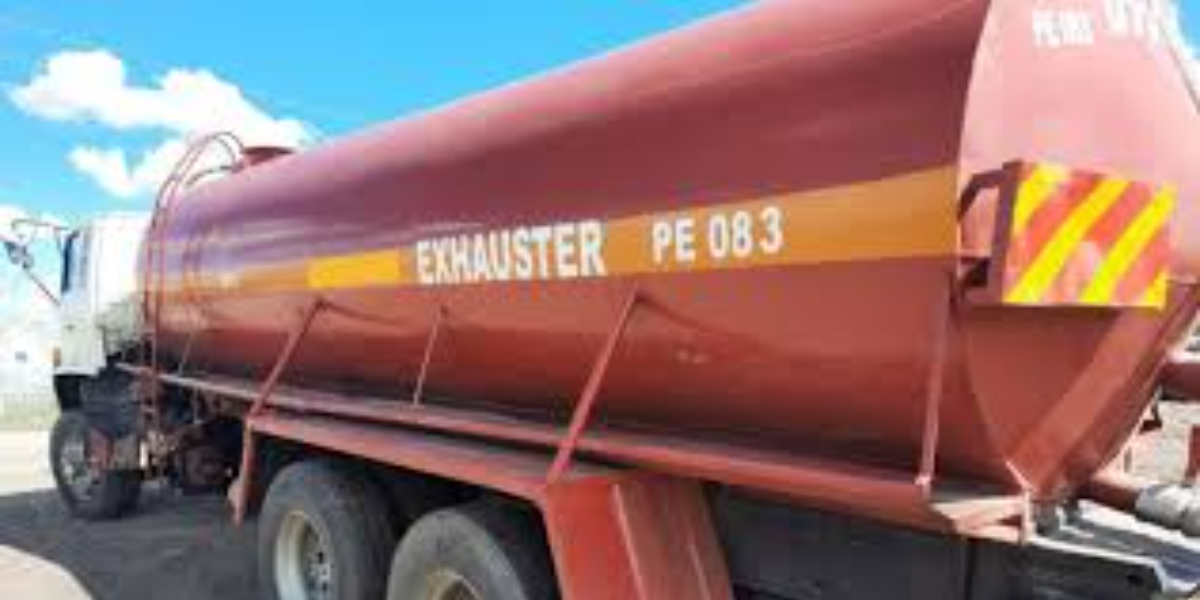
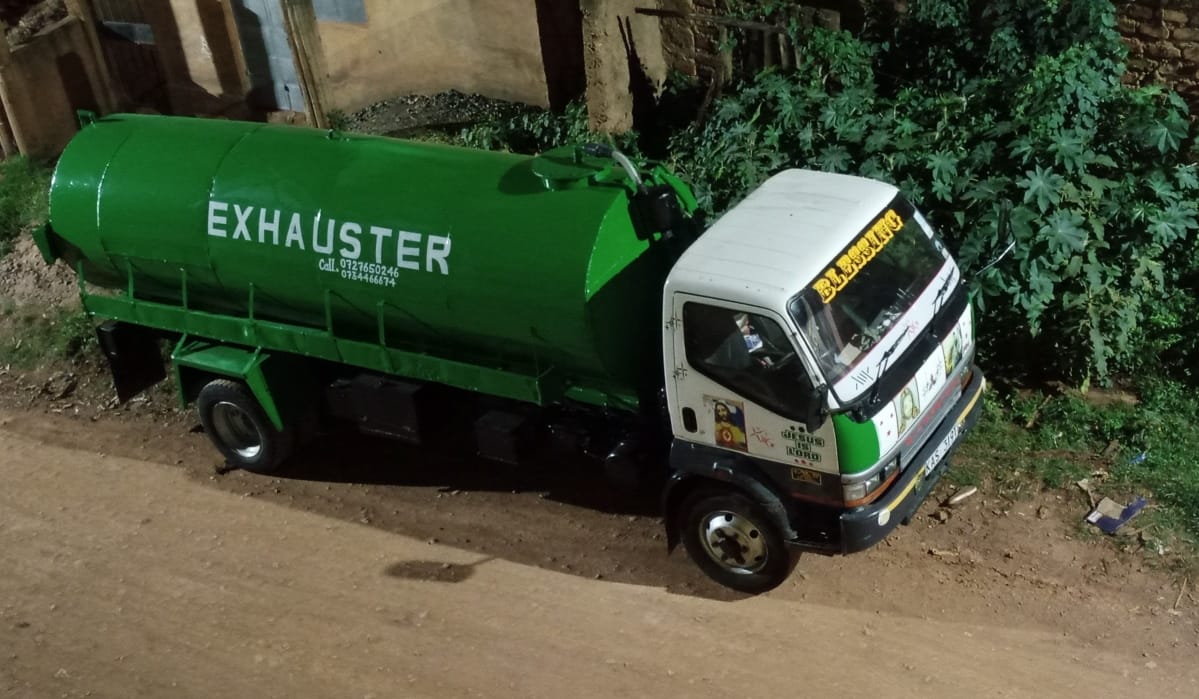
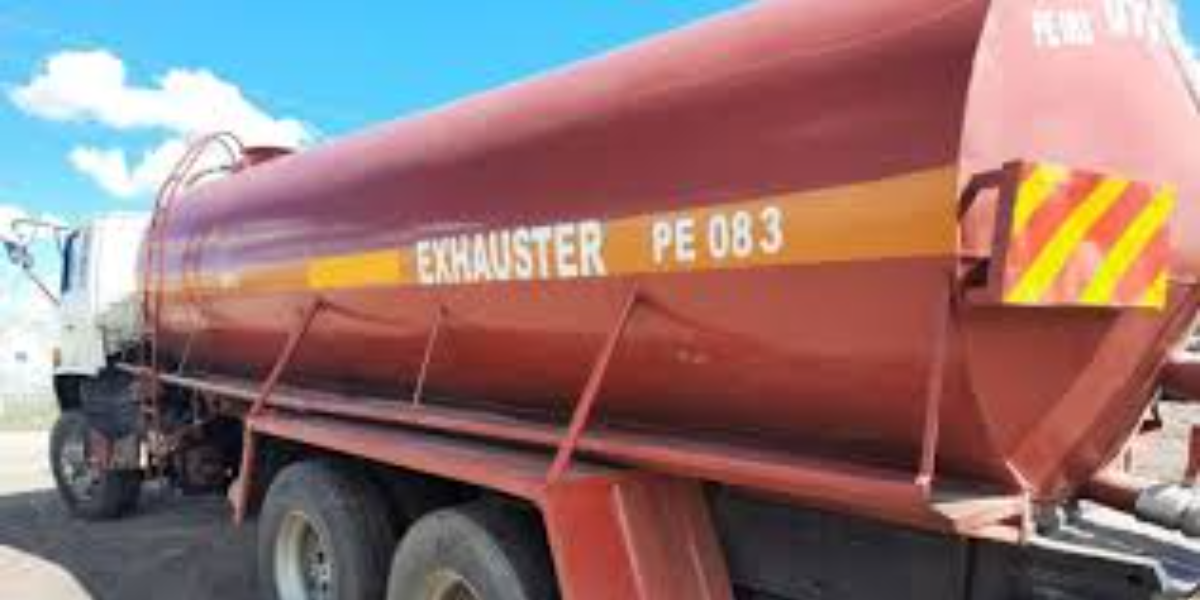
During the service, the provider uses a vacuum truck or suitable suction equipment to remove waste from the portable toilet holding tanks. The crew should extract both liquid waste and heavier settled material because leaving sludge behind reduces the toilet’s usable capacity. After emptying, the unit may be cleaned, disinfected, deodorized, and restocked with toilet paper, sanitizer, or chemicals depending on the agreement. For VIP toilet units used at corporate events, weddings, exhibitions, and high-end outdoor functions, cleaning standards are especially important because guests expect comfort and privacy.
Waste handling does not end when the toilet tank is empty. The collected waste must be transported safely in a sealed truck and disposed of at an approved facility. This is where professional service matters. A responsible provider will avoid spills, keep the site clean, close the toilet access points properly, and make sure the units are ready for use again. For large events, the provider may service toilets discreetly during low-traffic periods so guests are not disturbed. For construction sites, the work may be scheduled early in the morning, during lunch breaks, or after work hours to avoid interrupting site operations.
Experienced providers also advise clients on the number of toilets needed, the right servicing frequency, and the best placement. Toilets should be on firm, level ground, away from food preparation areas, but still close enough for users and service trucks to access them. The provider may recommend more frequent servicing for events with alcohol, long queues, hot weather, or heavy foot traffic. For long-term sites, they may suggest weekly, twice-weekly, or even daily emptying depending on the number of users. That kind of guidance helps clients avoid both overspending and under-planning.
Events are one of the most common reasons people search for temporary toilet waste removal near me. Outdoor weddings, dowry ceremonies, funerals, music concerts, food festivals, church crusades, sports tournaments, political events, school open days, and corporate activations often depend on mobile toilets. In venues such as gardens, open fields, farms, stadium grounds, beaches, and community spaces, permanent washrooms may be too few or too far from the main activity area. Portable toilets solve that access problem, but only if they are emptied and cleaned before they become unpleasant.
Construction projects also rely heavily on temporary toilet waste removal. Housing developments in Kiambu, roadworks in Machakos, industrial projects in Athi River, and commercial builds in Nairobi often have workers on site long before permanent washrooms are completed. Site managers need proper sanitation to keep workers comfortable and maintain professional standards. If toilets fill up, workers may leave the site to find alternatives, which wastes time and affects productivity. Good sanitation also shows that the contractor takes worker welfare seriously.
Temporary toilets are also important for emergency response, remote projects, farms, filming locations, and public service activities. Medical camps, vaccination drives, disaster response sites, harvest camps, mining operations, road maintenance teams, and film crews often work in places without fixed sanitation. In these settings, reliable waste removal protects the community around the site and prevents contamination of soil, water sources, and public spaces. Whether the site is in Nanyuki, Baringo, Naivasha, Kwale, Kericho, Bungoma, or Tana River, the need is the same: toilets must remain clean, usable, and safely serviced.
A professional provider should communicate clearly from the beginning. They should ask practical questions instead of giving a rushed quote without understanding the site. How many toilets are there? How many people will use them? Is the event one day or several days? Is the site accessible by truck? Are the toilets spread out across a large venue? These details affect the timing, equipment, crew, and cost of the service. A provider who does not ask may arrive unprepared or underquote, then add surprise charges later.
Clients should also expect transparent pricing. The quote should explain whether the cost is per unit, per visit, per truck, or based on distance and frequency. It should also clarify whether cleaning, chemicals, restocking, emergency response, night service, weekend service, and final disposal are included. Affordable temporary toilet waste removal is important, especially for budget-conscious events and projects, but the cheapest option is not always the safest. A very low quote may mean poor cleaning, partial emptying, late arrival, or unsafe disposal.
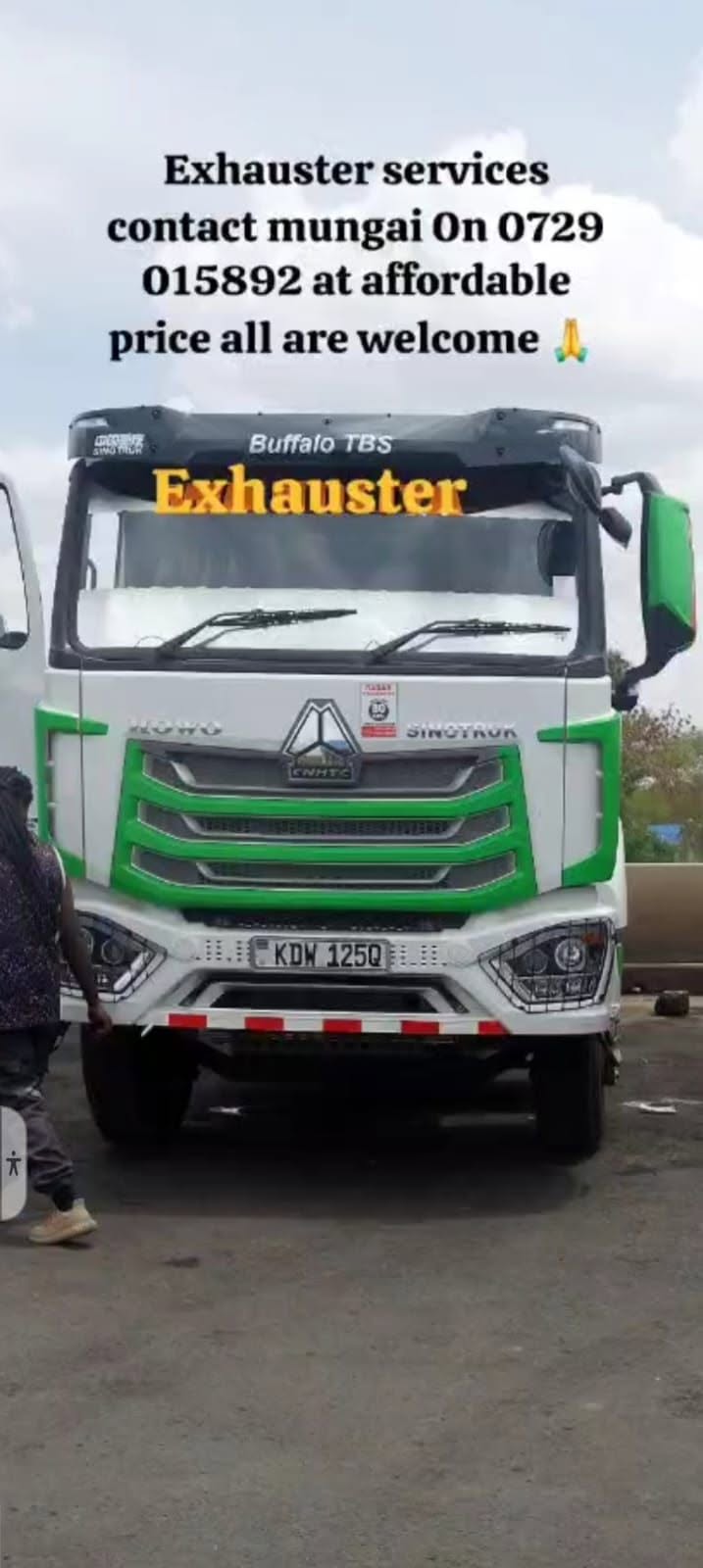
Equipment and conduct are just as important as price. The provider should have a sealed waste truck, working suction equipment, enough hose length, protective gear, cleaning supplies, and trained crew members who can work without creating unnecessary disturbance. At weddings, corporate events, school functions, and public gatherings, the crew should be discreet and respectful. On construction sites, they should follow site safety rules, coordinate with the foreman or manager, and avoid damaging materials, cables, fences, or access routes.
After service, the toilets should be clean, usable, and free from strong odours. There should be no waste spills around the units, no open caps, and no mess left behind for the client to handle. For contractors, NGOs, corporate clients, and government projects, documentation may also be needed to show when the toilets were serviced and where the waste was taken. A serious provider understands that accountability matters, especially when sanitation is part of a permit, contract, donor report, or site compliance requirement.
Trying to manage temporary toilet waste without proper equipment is risky and unpleasant. Some organizers assume the toilets will last the whole event, only to discover too late that the tanks are full. Others try to solve the issue by calling a random person with no proper truck or by allowing waste to be drained into a nearby ditch, bush, or open field. That kind of shortcut is unsafe, illegal, and harmful to the environment. It can also embarrass the organizer if guests, workers, neighbours, or county officers notice what is happening.
Professional temporary toilet waste removal uses proper suction systems, trained crews, disinfectants, deodorizing chemicals, and approved disposal processes. The job is faster, cleaner, and safer than improvising under pressure. For an event planner, it protects the guest experience and keeps the venue owner comfortable. For a contractor, it keeps workers on site and reduces complaints. For an NGO or public project, it helps maintain community trust and supports responsible sanitation management.
There is also the issue of reputation. People may forget the colour of the tents or the exact menu at an event, but they rarely forget overflowing toilets. Workers may forgive a delayed material delivery, but they will complain loudly if basic sanitation is ignored. Professional servicing helps prevent those avoidable problems. It gives the client peace of mind because someone is responsible for keeping the units clean, functional, and legally handled from start to finish.
The biggest risk with unverified providers is illegal dumping. Some operators offer low prices because they avoid proper disposal costs and release waste into rivers, quarries, open land, storm drains, or roadside areas. If that waste is linked back to your event, construction site, camp, or project, you may face complaints, fines, reputational damage, or legal trouble. This is especially serious for public events, corporate functions, government projects, donor-funded work, and construction contracts where accountability matters.
Poor hygiene is another major risk. Temporary toilet waste contains harmful bacteria and can spread disease if handled badly. A careless crew may spill waste while emptying a unit, fail to disinfect the toilet after service, or leave residue around the site. At a school event, market day, wedding, religious gathering, or food festival, that exposes many people to unpleasant and unsafe conditions. If users start complaining or posting videos online, the damage can spread quickly.
Unreliable providers can also disrupt your schedule. If a provider misses a planned service during a three-day event in Naivasha, a marathon in Eldoret, or a construction project in Rongai, the toilets may become unusable before the next service arrives. At events, guests start leaving or avoiding food and drinks because they do not want to use dirty toilets. On job sites, workers may slow down, leave the site, or use unsafe alternatives. The cost of a missed service can be much higher than the amount saved by hiring cheaply.
There is also the risk of damaged units or site property. Inexperienced crews may crack toilet tanks, damage doors, break hand-wash stations, drive over cables, block access roads, or leave the units unstable after service. The client may then have to pay for repairs, replacements, or venue damage. A trusted provider reduces these risks by using proper equipment, trained workers, and better coordination with the person managing the site.
The Real Plug is a trusted platform that connects clients with vetted local professionals, independent service providers, and businesses across Kenya. Instead of relying on random social media comments, street posters, forwarded WhatsApp numbers, or someone who only “knows a guy,” you can use The Real Plug to review providers offering temporary toilet waste removal. This is helpful when time is tight and you need a provider who understands event sanitation, construction site toilet servicing, emergency emptying, and proper waste handling.
Through The Real Plug, clients can compare available providers before making a decision. An event planner can look for a team that handles weddings, concerts, and corporate outdoor functions. A contractor can search for professionals who provide regular mobile toilet service for construction sites. An NGO or project manager can look for providers who understand documentation and planned servicing. Whether you need portable toilet emptying in Nairobi, mobile toilet waste removal in Mombasa, event sanitation services in Nakuru, or trusted exhauster service providers near a remote site, The Real Plug makes the search easier and more organized.
The platform also helps reduce common hiring risks. You are less dependent on unknown numbers, unclear pricing, and providers who may not show up when the toilets are already full. You can review options, contact providers, compare availability, and choose based on your location, urgency, and type of job. For planned events, you can arrange servicing before the day arrives. For long-term projects, you can connect with a provider who can maintain a schedule. For emergencies, you have a better starting point than panicking while users are already complaining.
For businesses offering temporary toilet waste removal, The Real Plug creates visibility among clients who are actively searching for dependable sanitation support. Event planners, contractors, venue managers, NGOs, county project teams, schools, churches, and corporate organizers all need providers who can empty portable toilets on time, clean them properly, and handle waste responsibly. A professional profile helps your business stand out from random operators and gives clients a clearer reason to trust you.
Getting listed on The Real Plug can help providers showcase service areas, truck capacity, emergency response, event experience, construction site experience, cleaning options, and disposal practices. This matters because clients do not just want someone with a truck; they want someone who can keep their event or site running smoothly. As more Kenyans search online for temporary toilet waste removal near me, mobile toilet service, event sanitation services, and vetted service providers, being visible on a trusted platform can bring more serious leads and better client opportunities.
Temporary toilets are a practical solution, but they need professional waste management to work properly. Whether the toilets are serving wedding guests, construction workers, festival crowds, mourners, school visitors, farm labourers, or emergency response teams, the same rule applies: full toilets create problems quickly. The best approach is to plan the right number of units, place them properly, schedule regular emptying, and work with providers who understand safe disposal and hygienic servicing.
In Kenya, where events, construction projects, public gatherings, and remote work sites are constantly growing, temporary toilet waste removal is not something to leave to chance. A clean toilet area protects health, improves comfort, supports compliance, and saves the organizer from last-minute embarrassment. With the right provider, sanitation stays in the background where it belongs, quietly supporting a successful event or productive work site.
Event planners, contractors, and site managers who need dependable temporary toilet waste removal can review and hire trusted professionals through The Real Plug to keep toilets clean, compliant, and ready for use.
Professionals and businesses offering temporary toilet waste removal can create a profile and get listed on The Real Plug to gain visibility and connect with clients across Kenya looking for reliable sanitation support.