

You turn the knob on your gas cooker, expecting the familiar click-click-click before the flame catches.
Instead, nothing happens.
Maybe you can hear gas hissing, but there is no spark. Maybe the cooker clicks continuously, but the burner still refuses to light. So you reach for the matchbox, annoyed but not surprised. Many Kenyan homes have been there. One day the ignition works perfectly, and the next day you are lighting the cooker the old way.
A faulty cooker igniter may look like a small problem, but it affects safety, convenience, and everyday cooking. In homes across Nairobi, Nakuru, Kisumu, Mombasa, and smaller towns, gas cookers are used daily. When the igniter fails, even making tea or preparing supper becomes frustrating.
The good news is that most ignition problems have clear causes. Some are simple, like a dead battery, wet burner, or misaligned cap. Others need a technician, especially when the spark module, thermocouple, wiring, or gas flow system is involved.
How a Cooker Igniter Works
Most gas cookers have a small ceramic igniter near each burner. When you press and turn the knob, the gas valve opens and the ignition system creates a spark. That spark lights the gas coming from the burner holes.
On cookers with electric ignition, the spark system gets power from the socket. You hear clicking as the igniter sends sparks until the flame lights.
On battery ignition cookers, which are common in many Kenyan homes, the spark comes from a battery, often placed underneath, behind, or inside a small compartment near the cooker body. If the battery dies or leaks, the cooker may stop clicking completely.
Modern cookers may also have a thermocouple or flame failure safety device. This part senses heat from the flame and keeps the gas flowing. If the flame goes out, it cuts gas to reduce danger.
So when the igniter stops working, the issue may be electrical, mechanical, gas-related, or simply caused by dirt and moisture.
No Clicking at All? Start With Power or Battery
If the cooker does not click at all, start with the simplest checks.
For an electric ignition cooker, confirm that it is plugged in and the socket works. In some rentals, sockets become loose or weak over time. Test the socket with another small appliance.
If the cooker uses a battery, open the battery compartment and check it. A dead battery is one of the easiest ignition problems to fix. If the battery has leaked, you may see white or greenish corrosion on the contacts. Clean the contacts gently with a dry cloth or fine sandpaper, then insert a new battery.
In humid coastal areas like Mombasa, Nyali, Diani, and Malindi, batteries can corrode faster. It helps to check them regularly even before the ignition fails.
If the socket works, the battery is good, and there is still no clicking from any burner, the spark module may have failed. The spark module sends voltage to the igniters. Power surges can damage it, especially where electricity is unstable.
Spark module replacement should be handled by a technician because it involves electrical parts and high voltage.
Clicking but No Flame? The Spark May Not Be Reaching the Gas
This is one of the most common cooker ignition complaints.
You turn the knob and hear clicking. You may even smell gas. But the burner does not light.
The first thing to check is moisture. If you recently cleaned the cooker, water may have entered the igniter or burner area. Kenyan kitchens often get a proper wash-down, but pouring water around burners can interfere with ignition.
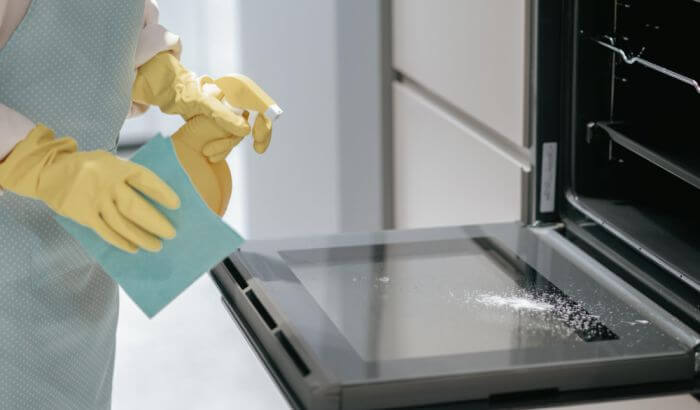
Dry the burner, igniter, and surrounding area with a clean cloth or tissue. Give it time to air out, then try again. After cleaning, it is better to wipe the cooker instead of flooding it with water.
Next, check the burner cap and ring. If the burner cap is not sitting properly, gas may not flow where the spark is. Remove the cap, clean it, and place it back correctly. It should sit flat and centered.
Food spills are another common cause. Ugali water, soup, oil, tea, and sauces can block the small burner holes. When the holes are clogged, gas comes out unevenly and the spark may not catch.
Turn off the gas before cleaning. Use a small pin, needle, or soft brush to clear the holes gently. Do not enlarge the holes. That can affect the flame and make the cooker unsafe.
One Burner Not Lighting While Others Work
If one burner refuses to light but the others work, the problem is probably local to that burner.
It could be a dirty burner, cracked igniter, loose wire, faulty knob switch, or blocked gas port.
Try swapping the burner cap from a working burner of the same size. If the problem moves with the cap, the cap or burner head may be the issue. If the same burner still fails, the igniter or wiring may need attention.
The small switch behind the knob can also fail. When you push or turn the knob, that switch tells the ignition system to spark. If it does not work, that burner may not click even though the rest of the cooker works.
A technician can test the switch, igniter, and wiring before replacing anything.
Weak Spark or Slow Lighting
Sometimes the cooker lights, but only after several seconds of clicking. Other times it lights today and refuses tomorrow.
That usually means the spark is weak or inconsistent.
A weak spark can come from a dirty igniter tip, cracked ceramic, loose wire, failing spark module, poor earthing, or moisture around the burner. Grease buildup can also insulate the igniter, making the spark less effective.
Clean the igniter gently with a dry toothbrush or a cloth lightly dampened with alcohol. Make sure the cooker is off before doing this. Avoid using water directly around the igniter.
If the spark remains weak after cleaning and drying, the igniter or module may need replacement.
Poor earthing can also affect electric ignition systems, especially in older homes. If your cooker has always had weak ignition or shocks lightly when touched, call a technician. That is not normal.
Sometimes the Igniter Is Not the Real Problem
A cooker may fail to light even when the igniter is working.
If there is no gas hissing when you turn the knob, check the gas cylinder. It may be closed or empty. Also check the regulator and hose. A faulty regulator may stop gas from flowing properly.
If other burners work but one does not, the cylinder is not the issue. The problem is likely that burner’s gas flow, igniter, or switch.
If the burner lights but the flame is yellow, weak, or uneven, the burner may be dirty or the air mixture may be wrong. A yellow flame wastes gas, blackens sufurias, and may indicate poor combustion. Clean the burner first. If the flame remains yellow, call a technician.
If the flame lights but goes off when you release the knob, the thermocouple may be faulty. The thermocouple is a safety device that keeps gas flowing only when it senses flame. If it fails, the cooker may behave as if the flame is not there.
Thermocouple replacement is a common cooker repair, but it should be done properly because it is part of the safety system.
What a Professional Cooker Igniter Repair Looks Like
A good technician will not simply replace parts without checking.
They should ask what happens when you turn the knob. Is there clicking? Is there gas? Does one burner fail or all of them? Did the problem start after cleaning, a spill, or a power issue?
They should check power or battery first, then inspect the burner caps, igniter tips, wires, switches, spark module, thermocouple, and gas flow. If parts need replacing, they should explain which part failed and why.
Common cooker ignition repairs may include replacing an igniter, cleaning blocked burners, replacing a knob switch, changing a spark module, or replacing a thermocouple.
The technician should test all burners before leaving. They should also check for safe flame quality and make sure there are no gas leaks.
The Real Plug can help homeowners, landlords, Airbnb hosts, and food businesses find vetted cooker repair technicians by location and service type. For this issue, look for professionals who handle gas cooker ignition faults, spark module replacement, thermocouple repair, and burner servicing.
Gas Safety Should Come First
Gas cooker repairs should never be treated casually.
If you smell gas strongly, turn off the cylinder immediately. Open windows and doors. Do not light a match. Do not switch lights on or off. Do not keep trying the igniter repeatedly while gas is building up.
If the smell continues, leave the area and call a qualified technician.
Never bypass a thermocouple to make the cooker light more easily. That safety device is there for a reason. If the flame blows out and gas continues flowing, the situation can become dangerous.
If you must use a match temporarily, light the match first, then turn on the gas. Do not turn the gas on and start searching for a match afterward.
How to Keep Cooker Igniters Working Longer
Good habits can prevent many ignition problems.
After cleaning, dry the igniters and burners properly. Avoid pouring water directly over the cooker top. Wipe instead. Clean spills before they harden and block the burner holes.
Remove burner caps occasionally and clear the ports gently. Do not use objects that can break inside the holes. Do not enlarge the holes.
Handle heavy sufurias carefully. Dropping cookware onto the burner can crack the ceramic igniter. Avoid using the cooker as a counter or placing heavy items on top of it.
For battery ignition cookers, replace the battery regularly. In humid areas, check for corrosion more often. For electric ignition cookers, consider surge protection if power in your area is unstable.
These small habits help the ignition system last longer.
When Repair Makes Sense and When Replacement Is Better
If your cooker is fairly new and only one igniter, switch, or thermocouple has failed, repair usually makes sense. These are common faults and can often be fixed affordably.
But if the cooker is very old, rusted, has multiple failed burners, damaged knobs, weak gas flow, and ignition problems across the whole unit, replacement may be worth considering.
For built-in hobs, also consider the condition of the glass, knobs, burners, and gas lines. If several parts are failing at once, a technician should help you compare repair cost against replacement.
A trustworthy technician will not push repairs that do not make financial sense.
The Click You Depend On
A cooker igniter is one of those parts you only notice when it stops working.
When it works, cooking starts smoothly. When it fails, every meal becomes slower, and safety questions start creeping in. Is gas leaking? Is the spark weak? Should you keep using matches?
Most ignition problems are simple if caught early. A wet igniter, dead battery, dirty burner, misaligned cap, or blocked port can often be fixed quickly. Spark modules, switches, wiring, and thermocouples need proper diagnosis and repair.
Keep the cooker clean, dry, and protected from power issues. And when the fault is beyond basic cleaning, call a technician who tests carefully and explains the repair.
That way, the next time you turn the knob, you get the sound you want: a clean click, a steady flame, and food back on the fire without drama.