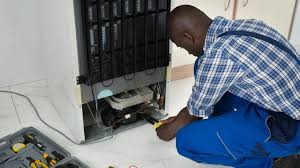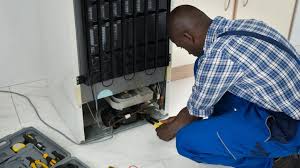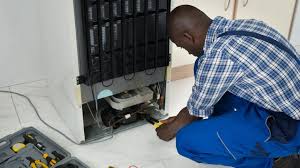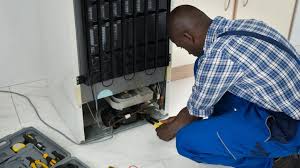


In Kenya, the word fundi carries weight. Sometimes it means the person everyone in the estate recommends because they repaired a fridge properly, charged fairly, and came back when there was a follow-up issue. Other times, it means the person people warn you about in WhatsApp groups because they took a deposit, promised to return, and then disappeared.
For appliance repair professionals, that difference comes down to trust.
And these days, trust does not start when you arrive at the customer’s gate. It starts online. Before a homeowner in Kileleshwa lets you near their Samsung fridge, before a shop owner in Nakuru asks you to check a commercial freezer, before someone in Nyali sends you transport money, they will probably search your name, check your profile, ask around, or look for reviews.
If they find nothing, they hesitate. If they find proof, they call.
Why Trust Matters More Than Ever Online
Appliance repair is personal work. You enter people’s homes, handle expensive machines, and sometimes deal with urgent problems. A fridge full of food, a leaking washer, or a faulty cooker can make a customer anxious. They are not just looking for skill. They are looking for someone safe, honest, and accountable.
That is why verified appliance repair professionals need to show their credibility online. Being good at the job is no longer enough if customers cannot see evidence of it.
A verified profile, real reviews, work photos, clear pricing, and professional communication can make the difference between being ignored and being booked.
Show Proof, Not Just Promises
Every technician says they are reliable. Customers have heard that before. What convinces them is proof.
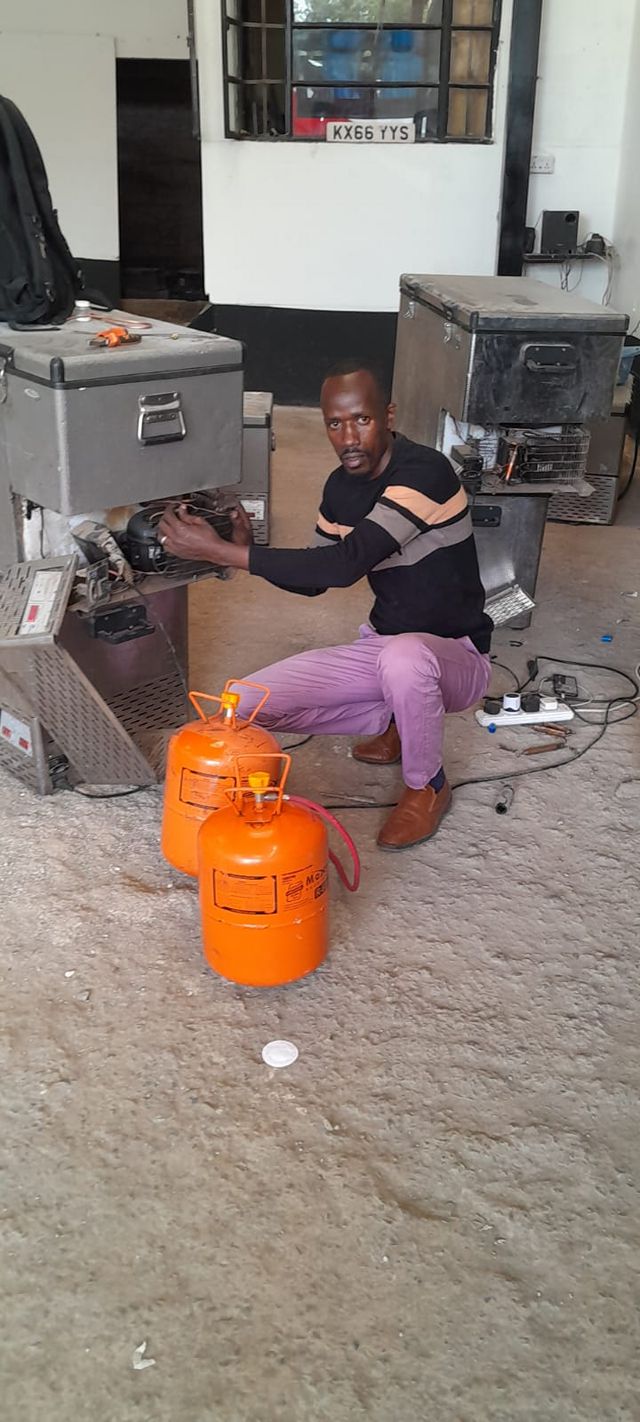
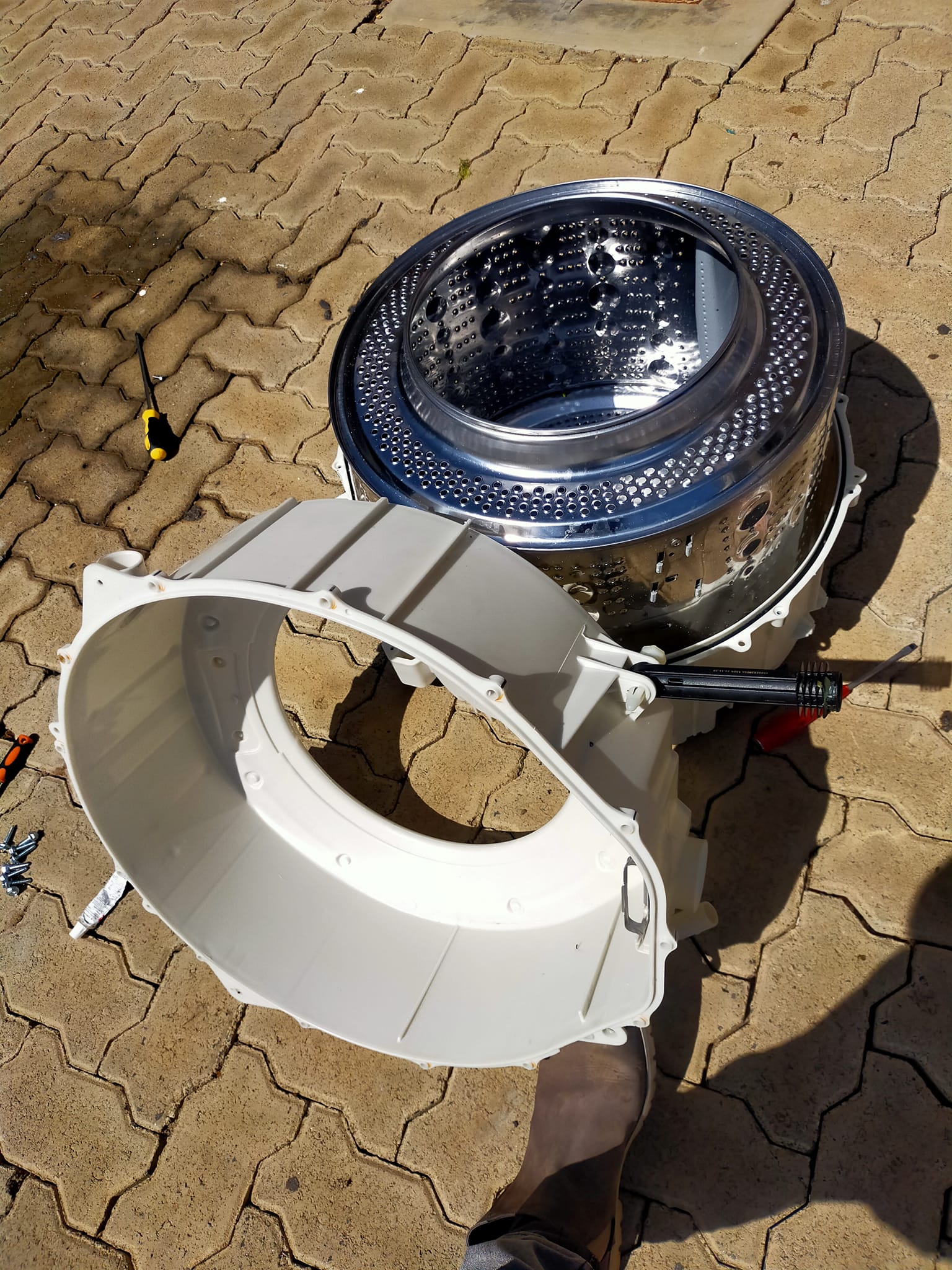
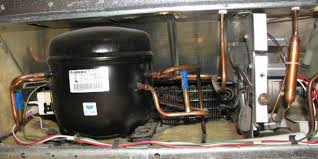
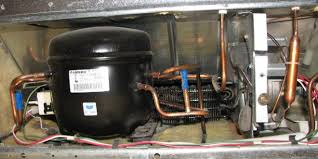
Post real photos of your work. Show the blocked washing machine filter you cleaned in South B. Show the damaged fridge fan you replaced in Lang’ata. Show the cooker burner before and after servicing in Bamburi.
You do not need fancy content. A simple photo with a clear caption works well: “Fixed LG fridge not cooling in Imara Daima. Fault was freezer fan, not gas. Tested and working.”
That kind of post shows skill, honesty, and location. Over time, your page becomes a visible record of real jobs.
Use Your Real Name and Face
People trust people more than faceless pages. If your profile only has a toolbox photo and a vague name like “Best Repairs Kenya,” customers may not feel safe.
Use your real name or business name consistently. Add a clear photo of yourself, especially on WhatsApp Business, Google Business Profile, Facebook, and service platforms. When someone is inviting you into their home, seeing a real person matters.
It also helps customers remember you. You stop being “that number from the group” and become “James, the technician who repaired that washer in Fedha.”
Collect and Display Reviews
Reviews are the new word of mouth. A detailed review from a real customer is stronger than a poster, flyer, or boosted advert.
After every successful job, ask the customer politely to leave a review. Make it easy by sending the link directly. If you are listed on The Real Plug at https://therealplug.online/, send your profile link so customers can rate your service there.
Good reviews build confidence. A customer reading “He repaired my Samsung washer in Kilimani and explained the issue clearly” is more likely to call than someone who sees only a phone number.
Reply to reviews too. Thank happy customers. If someone complains, respond calmly and offer to resolve it. How you handle problems online says a lot about your professionalism.
Be Clear About What You Actually Repair
Avoid saying you repair everything if you do not. Customers today search for specific services and brands. They want someone who understands LG inverter fridges, Samsung Ecobubble washers, Beko cookers, Bosch dishwashers, or Ramtons microwaves.
List the appliances and brands you handle confidently. If you specialize in fridges, washers, cookers, microwaves, or water dispensers, say so. If you do not handle a certain brand, it is better to be honest than to damage someone’s appliance and your reputation.
Specificity builds trust. It shows you know your lane.
Explain Your Process
Customers fear guesswork. They have heard too many stories of technicians saying “gas imeisha” without testing or blaming the control board before checking simpler parts.
Show your process online. You can post short updates like: “Client reported fridge not cooling. Checked power, relay, fan, and thermostat. Fault was fan motor. Replaced and tested.”
This tells customers you diagnose before repairing. It also shows that you are not just changing parts blindly.
Short videos can work even better. A 20-second clip explaining a common washing machine error code or fridge fault can make people trust your knowledge before they ever meet you.
Be Transparent About Pricing and Warranty
Nobody likes surprise charges. You do not have to publish every exact repair price, but give customers a clear idea of how your charges work.
Mention your diagnosis fee, areas covered, emergency call-out terms, and whether diagnosis is deducted from the repair cost. If you offer a labour warranty, say so.
For example: “Diagnosis in Nairobi from KSh 1,500. Labour warranty available depending on repair type.”
When quoting a customer, put the details in writing on WhatsApp. Include labour, parts, transport, and warranty period. This prevents arguments later and makes you look professional.
Communicate Like a Professional
Fast, clear communication builds trust quickly. If you cannot answer immediately, use WhatsApp Business auto-replies. Let customers know what details to send: appliance type, brand, location, photos, videos, and error codes.
If you are running late, tell the customer early. A simple message like “I’m delayed in Westlands traffic, I’ll arrive around 3:30” is better than silence.
After the repair, follow up. Ask whether the appliance is working well. That one message can turn a customer into someone who recommends you again and again.
Use Verification Properly
If you are verified, make that visible. Verification tells customers that someone has checked your identity, service category, or professional profile.
Platforms like The Real Plug help users discover vetted professionals and businesses in Kenya. If you have a profile there, share it in your WhatsApp bio, Facebook page, Google profile, and customer messages. It gives nervous customers a safer way to confirm you are not random.
Verification does not replace good work, but it supports it. It gives customers one more reason to trust you.
Keep Your Online Presence Consistent
Use the same business name, phone number, and service description across platforms. If you are “David Appliance Repair Nairobi” on Google, avoid using a completely different name on Facebook and WhatsApp. Confusion reduces trust.
Update old pages. Remove outdated prices. Add recent photos. Make sure your phone number works. A clean, active profile shows customers that you are serious.
Build Trust Slowly, Then Let It Work for You
Online trust does not appear overnight. It grows through small, consistent actions: one real photo, one honest review, one clear quote, one polite follow-up, one well-handled complaint.
After a few months, customers searching for appliance repair in your area will find a professional with proof, reviews, and a visible track record. That is far stronger than a random number on a poster.
Your repair skills get the job done. Your online trust gets the customer to call you in the first place. In Kenya’s appliance repair market, the technicians who show proof, communicate clearly, and stay accountable are the ones customers remember.