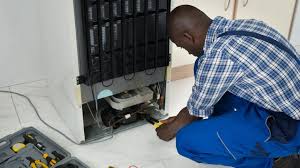


There is always that awkward moment after a technician gives you a quote. Your fridge is making noise, the washing machine has stopped spinning, or the microwave is heating food halfway. Then the fundi says the repair will cost KSh 12,000, and suddenly you are doing mental calculations.
Should you fix it? Should you replace it? Are you saving money, or just delaying the inevitable?
In Kenya, this decision is not always easy. New appliances are expensive, and many households would rather repair than replace. That can be smart. But sometimes, repairing an old appliance becomes more expensive than buying a new one in the long run.
Here is how to know when an appliance is too expensive to repair.
Start With the Age of the Appliance
Age gives you the first clue. If an appliance is still fairly new, repair usually makes sense. If it is old and already showing several problems, be careful.
For appliances under three years old, repair is usually worth it unless the damage is serious. Parts are more available, the appliance still has useful life left, and the body is likely in good condition.
For appliances between three and seven years old, look closely at the type of repair. A door seal, thermostat, belt, pump, or minor board repair may be reasonable. A major compressor, drum, or motor repair needs more thought.
For appliances over seven years old, think carefully before spending heavily. Other parts may soon start failing too. If the appliance is over 12 years old, avoid expensive repairs unless the issue is very minor.
Use the Repair Cost Rule
A simple rule helps: if the repair costs more than 40% to 50% of the price of a new similar appliance, consider replacing it.
For example, if a new washing machine costs KSh 55,000 and the repair is KSh 25,000, replacement may make more sense, especially if the washer is already old.
But if a KSh 70,000 fridge needs a KSh 6,000 repair and is only four years old, fixing it is likely the better option.
Always compare repair costs with current prices, not what you paid years ago.
Watch Out for Repeat Repairs
One repair is normal. Two repairs close together are a warning. Three repairs in a year usually mean the appliance is becoming a money pit.
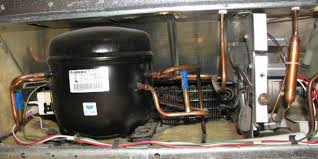
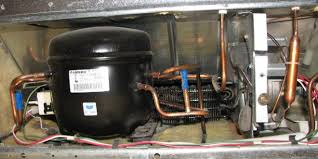
Appliances age as systems. If the washing machine bearings fail, the drum and suspension may also be worn. If an old fridge compressor fails, the thermostat, fan, and seals may not be far behind.
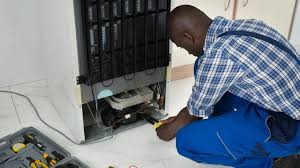
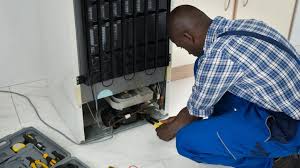
A reliable technician should tell you when more problems are likely. If they only fix one issue without explaining the bigger picture, you may keep paying again and again.
Consider Energy and Water Costs
Sometimes an appliance is cheap to repair but expensive to run. Older fridges can use much more electricity than newer inverter models. Old washing machines may use more water per cycle than modern front-loaders.
With current household costs in Kenya, power and water bills matter. A fridge that adds thousands to your KPLC tokens every month may not be worth keeping, even if the repair looks affordable.
Before repairing an old appliance, ask yourself whether it is still efficient.
Check Spare Parts Availability
Some appliances are hard to repair because parts are scarce. Common brands may have parts available in Nairobi, Mombasa, Kisumu, Nakuru, and other towns. But some imported or less common models can be difficult.
If a technician says the part must be imported, will take weeks, or has no warranty, pause. A repair that takes too long or uses uncertain parts may not be worth the stress.
This is where The Real Plug at https://therealplug.online/ can help. It connects users with vetted professionals in Kenya, making it easier to find technicians who can give honest advice on whether repair or replacement makes sense.
When Repair Is Usually Worth It
Repair often makes sense when the appliance is still young, the body is in good shape, parts are available, and the repair cost is reasonable.
Small repairs like replacing fridge seals, washing machine belts, cooker igniters, microwave fuses, filters, thermostats, and hoses are usually worth doing.
Repair is also sensible for high-end appliances where replacement would cost much more, provided the technician is qualified and the parts are reliable.
When Replacement Is the Better Choice
Replacement is usually better when the appliance is very old, has multiple faults, uses too much electricity, or needs a major repair that costs nearly as much as a new one.
If your fridge compressor has failed on a rusty 12-year-old fridge, replacing it may be smarter. If a washing machine needs a new drum, control board, and bearings, the repair may not justify the cost.
Also replace if the technician cannot offer any warranty. If they are not confident in the repair, you should not be either.
Get a Second Opinion for Expensive Repairs
If the repair quote is over KSh 10,000, get another opinion. Appliance repair quotes can vary widely in Kenya. One technician may say the compressor is dead, while another finds a faulty relay.
Using vetted technicians through The Real Plug at https://therealplug.online/ can reduce the risk of overpaying or accepting poor advice from someone who is guessing.
Make the Decision With Clear Math
Before paying for a repair, ask yourself:
How old is the appliance?
How much does a new one cost today?
Is the repair more than 40% to 50% of replacement cost?
Has it broken down before?
Will it still use too much power or water?
Does the technician offer a warranty?
If the answers point to more future costs, replacement may be the wiser move.
The Smartest Choice Is the One That Saves You Long-Term
An appliance is too expensive to repair when the cost no longer matches the value you will get from it. A cheap repair that lasts years is a win. An expensive repair that fails again next month is wasted money.
In Kenya, where every shilling matters, do not repair out of panic. Get a proper diagnosis, compare costs, ask about parts, and choose a technician who tells you the truth.
Sometimes fixing is smart. Sometimes letting go saves more.