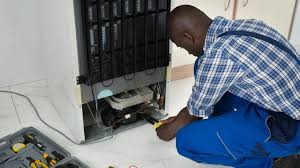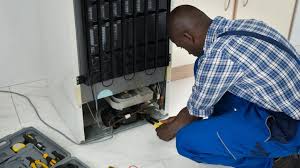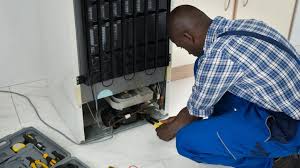


There’s a moment during appliance repair when everything feels a bit rushed. The technician has opened your fridge, washing machine, cooker, or microwave, looked around for a few minutes, and then gives you the verdict. “Compressor imeenda.” “Board imechapa.” “Pump needs replacing.” The quote follows quickly, and because you just want the appliance working again, it’s tempting to nod and say, “Sawa, fanya.”
That quick yes can be expensive.
Across Kenya, from apartments in Utawala and South B to homes in Nyali, Kisumu, Nakuru, and Eldoret, many people approve repairs without fully understanding what they are paying for. Sometimes the technician is honest but poor at explaining. Other times, the diagnosis is rushed. And, once the work starts, it becomes harder to question the cost, the parts, or the result.
A good appliance technician should not mind your questions. In fact, the reliable ones expect them. Asking before approving the job protects your money, your appliance, and even the technician, because everyone is clear from the beginning.
Start by Asking What Exactly Is Wrong
The first question should be simple: “What exactly is the problem?”
Avoid accepting vague answers like “imeharibika,” “ni gas,” or “ni motherboard.” Those answers do not tell you much. A proper technician should explain the issue in clear, everyday language.
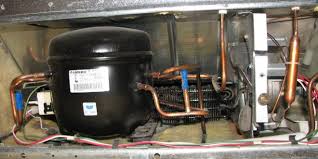
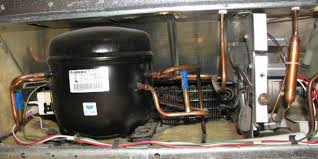
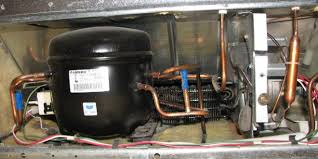
If it is a fridge, they might say the compressor relay has burnt, the thermostat is not cutting off, the fan is not moving cold air, or there is a leak in the cooling system. If it is a washing machine, they should be able to mention the drain pump, belt, door lock, bearings, inlet valve, or control board.
The point is not for you to become a technician on the spot. You just need to know that they have identified a real fault, not guessed based on the symptoms.
Ask How They Confirmed the Diagnosis
This is where many bad repairs are exposed. Once the technician tells you what is wrong, ask, “How did you confirm that?”
A fridge that is not cooling does not automatically need gas. A washing machine that refuses to spin does not always need a new motor. A cooker that will not ignite may only need cleaning around the burner or igniter.
A serious technician will mention the test they performed. They may have used a multimeter, checked pressure, tested continuity, read an error code, inspected wiring, or opened a blocked filter. For modern washing machines and fridges, proper testing matters because digital boards and sensors can mislead anyone who is guessing.
If the answer is just, “Nimeona tu,” slow down. A repair based on guesswork can easily turn a small issue into a bigger bill.
Ask Them to Show You the Fault
Where possible, ask the technician to show you the problem. A burnt relay can often be seen. A blocked washing machine filter can be opened and shown. A torn door seal is visible. A leaking fridge pipe may have oily residue around the damaged area.
You do not need to touch anything or argue about the technical side. You only want transparency.
A reliable fundi will not make you feel foolish for asking. They will point to the part and explain what has failed. Be cautious if someone refuses completely and hides behind statements like, “Hii ni technical, huwezi elewa.” You are not asking to do the repair yourself. You are asking to understand what you are paying for.
Get a Full Cost Breakdown Before Saying Yes
A total figure alone is not enough. If the technician says the repair is KSh 12,000, ask what that amount includes.
The quote should separate labour, parts, transport, diagnosis, and any consumables such as fridge gas. This helps you see whether the price is fair and prevents surprise additions later.
For example, a fridge repair may include KSh 3,500 for gas, KSh 2,000 for labour, and KSh 500 for transport. A washing machine repair may include the pump cost, labour, and diagnosis. Once you see the breakdown, you can compare it better with another quote or decide whether the repair is worth it.
Also ask whether the price is final. Some technicians start with a low amount, then add “small things” after the appliance is already open. A professional should give you a clear estimate before starting.
Ask What Type of Part Will Be Used
Kenya’s spare parts market is mixed. You can find genuine parts, compatible parts, refurbished parts, and parts that are cheap but unreliable. This is especially common around popular spare parts hubs in Nairobi and other major towns.
Before approving the repair, ask whether the part is new, genuine, compatible, or refurbished. There is nothing wrong with choosing a compatible part if your budget is tight, but you should know what you are paying for.
For instance, an original washing machine control board may cost more but last longer. A compatible board may be cheaper but come with a shorter warranty. A refurbished compressor or motor may work, but it carries more risk than a new one.
A trustworthy technician explains the options without forcing you into the most expensive one or secretly installing the cheapest.
Ask About Warranty in Writing
Warranty is one of the clearest signs of confidence. A technician who stands by their work should be willing to give some guarantee, especially on labour.
The warranty does not have to cover the whole appliance. If they replace a washing machine pump, the warranty should apply to that repair. If they fix a fridge leak and refill gas, there should be a clear period where they come back if the same fault returns.
In Kenya, even a WhatsApp message is better than a verbal promise. Ask them to write something simple: the repair done, amount paid, part replaced, and warranty period. This matters because memories become selective when a repair fails after one week.
If they offer no warranty at all, ask why. Sometimes there is a fair reason, such as unstable power or a very old appliance. But they should explain it clearly.
Ask What Happens If the Repair Does Not Work
This question saves a lot of arguments later. Ask, “If we do this repair and the same issue comes back, what happens?”
Appliances can have more than one fault. A fridge may have a weak compressor and a faulty relay. A washing machine may have both a blocked pump and a damaged sensor. A good technician should explain what they are guaranteeing and what remains uncertain.
You are not asking for a lifetime promise. You are asking for accountability. If they are confident in the diagnosis, they should have a reasonable answer.
Confirm Whether They Have Worked on Your Brand Before
Modern appliances are not all the same. An LG inverter fridge, Samsung washing machine, Bosch dishwasher, Ramtons cooker, and Mika microwave may all need different repair knowledge.
Ask whether the technician has repaired your brand or model before. This is especially important for inverter fridges, front-load washing machines, built-in ovens, and high-end imported appliances common in areas like Westlands, Kileleshwa, Lavington, and Kilimani.
A confident but inexperienced technician can damage clips, seals, boards, or sensors while trying to figure things out. It is better to know their experience before they start.
Agree on the Timeline
Repairs can take one hour, one day, or several days depending on the fault and parts availability. Ask whether the repair will be finished on-site or whether the appliance needs to go to a workshop.
If the appliance must be taken away, do not let it leave without documentation. Ask for a receipt with the technician’s name, phone number, ID or business details, appliance model, serial number if available, and expected return date. Take photos before it leaves your home.
“Kesho” can become a long story if you do not agree on specifics.
Ask How to Prevent the Same Problem
A good technician should leave you with useful advice. Maybe your fridge needs more space from the wall. Maybe your washing machine filter should be cleaned monthly. Maybe your cooker burners need regular cleaning. Maybe your appliance needs a surge protector because power fluctuations are damaging boards.
These small tips matter. They show the technician is not just chasing the next repair. They also help you avoid repeat breakdowns.
For people who want a safer starting point when looking for repair professionals, The Real Plug at https://therealplug.online/ can be useful. It is a platform where users can discover vetted professionals and businesses in Kenya, including appliance technicians with visible profiles and customer feedback. You still ask your questions, but you are not starting from a random poster or forwarded number.
Approve the Repair Only When You Are Comfortable
Before you say yes, make sure you understand the fault, the cost, the part being used, the warranty, and the timeline. Also ask yourself whether the technician communicates clearly and whether you feel comfortable letting them continue.
A reliable technician will not rush or pressure you. They will explain, answer, and let you decide. The ones who get annoyed by basic questions are often the same ones who become hard to reach when the repair fails.
Appliance repairs in Kenya do not have to feel like gambling. Ask first, approve second. Those few minutes can save you from poor workmanship, inflated costs, and the headache of paying twice for the same problem.