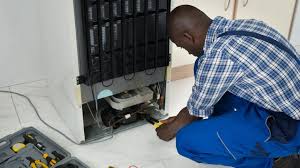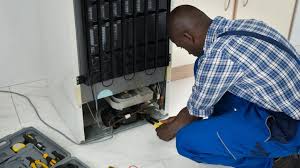


A few years ago, an appliance repair technician in Kenya could survive well on referrals, estate posters, and caretaker recommendations. You fixed one fridge in South B, the neighbour called you next week, then the landlord saved your number for future tenants. That system still works, but it is no longer enough.
Today, when a washing machine floods a house in Bamburi or a Samsung fridge stops cooling in Kilimani, most people do not walk around asking for a fundi. They search on Google. They post in a WhatsApp group. They check Facebook. They ask, “Who knows a reliable fridge technician near me?”
That small shift has changed the whole repair business. Some technicians are fully booked because customers find them online every day. Others may be skilled but quiet, waiting for calls that never come. The difference is not always talent. Many times, it is visibility.
If you repair fridges, washing machines, cookers, microwaves, water dispensers, or dishwashers in Kenya, getting more customers online is no longer optional. It is part of the job now.
Why Online Visibility Matters for Appliance Repair Technicians in Kenya
When someone’s appliance breaks down, they are usually stressed. Food may be spoiling. Clothes may be stuck in the washer. A cooker may refuse to light before dinner. In that moment, they want someone who looks available, trustworthy, and easy to reach.
That is why your online presence matters. It helps people trust you before they call.
A customer in Ruiru does not know you personally. But if they see your Google profile, photos of real repairs, reviews from other Kenyans, and a clear list of services, they are more likely to contact you. If they only see a phone number with no name, no reviews, and no proof of work, they may scroll past.
Online trust is built through simple things: clear information, real photos, fast replies, honest pricing, and customer feedback.
Start With a Google Business Profile
Google Business Profile is one of the easiest ways to get found by customers searching for appliance repair services near them. It is free, and it can place your business on Google Maps when someone searches phrases like “fridge repair Nairobi,” “washing machine repair Ruiru,” or “cooker technician Mombasa.”
Use your real business name or a clear service name. Avoid confusing names that do not say what you do. Something like “Mwangi Fridge and Washing Machine Repair Nairobi” is clearer than “Mwangi Electrical Solutions.”
Add your phone number, working hours, service areas, and the exact appliances you repair. Do not just write “Kenya.” Be specific. Mention areas like Kilimani, Westlands, Kileleshwa, South B, Donholm, Rongai, Ruiru, Mombasa, Kisumu, Nakuru, or wherever you actually serve.
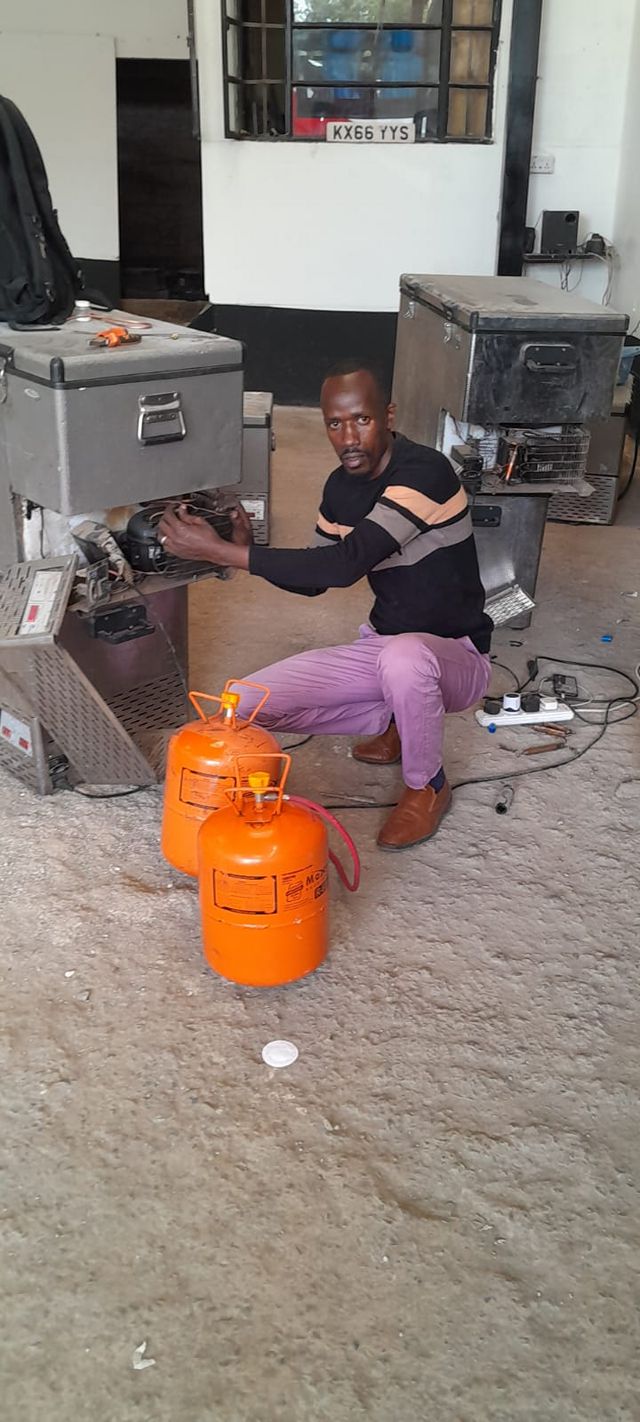
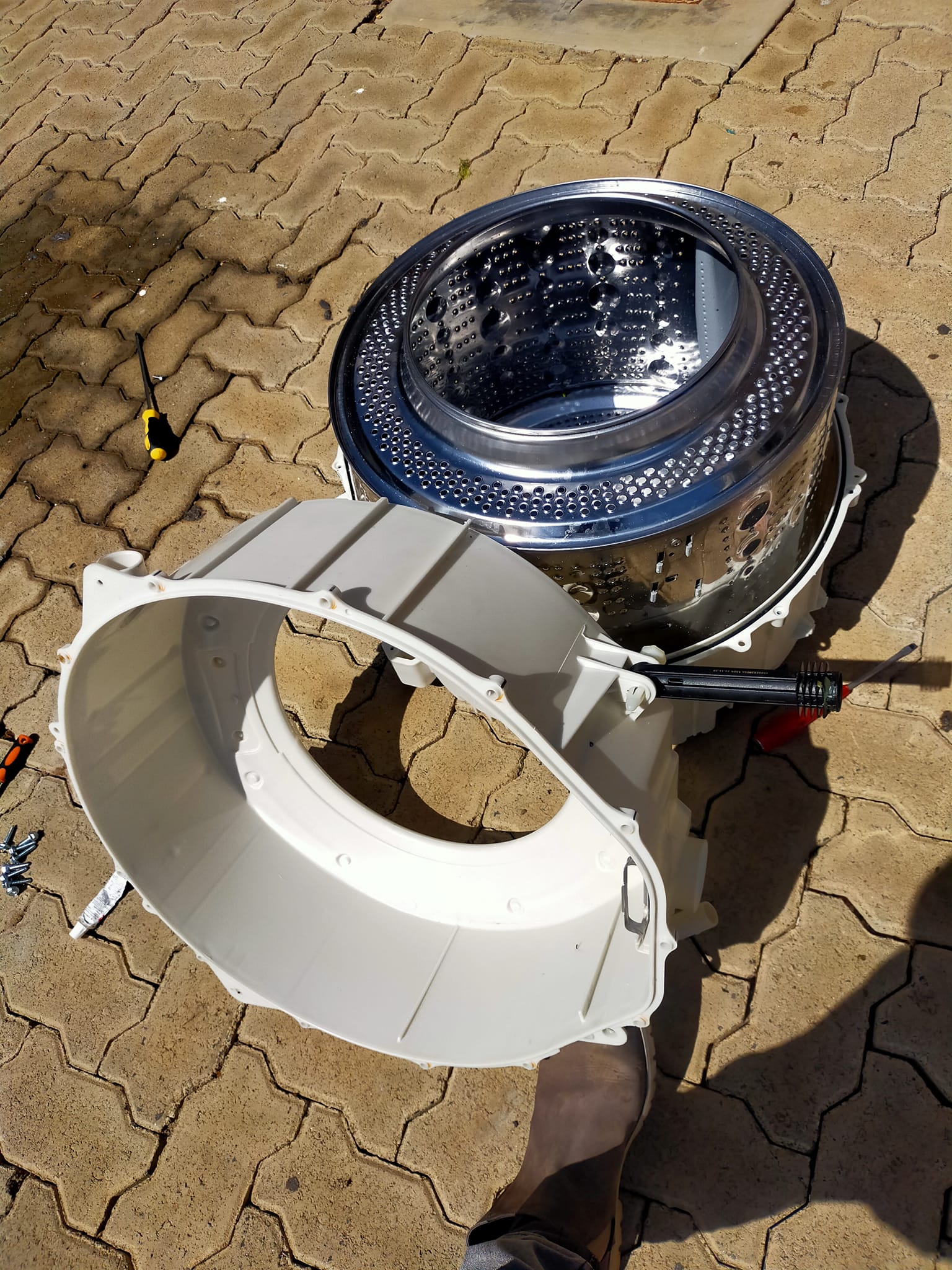
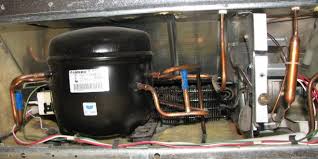
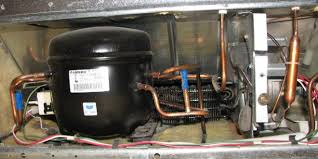
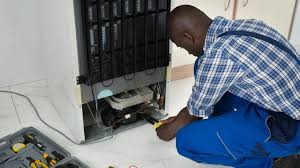
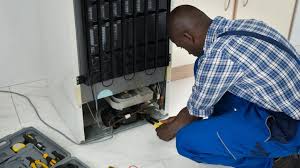
Photos matter a lot. Upload real pictures of you working, tools, repaired appliances, replaced parts, or before-and-after jobs. A photo of a Samsung washer opened for repair looks more believable than a random stock image downloaded online.
Ask Customers for Reviews After Every Good Job
Reviews are powerful in Kenya because people fear being conned. A simple review saying, “He repaired my LG washing machine in Lang’ata and came back when I had a question,” can bring you more work than a printed poster.
After finishing a job, politely ask the customer to leave a review on Google, Facebook, or your service platform profile. Send them the link directly. Most happy clients will do it if you make it easy.
Do not ignore bad reviews either. Reply calmly. If the complaint is genuine, offer to sort it out. People reading your profile are not expecting perfection. They want to see whether you are accountable.
Use Facebook the Right Way
Facebook still works well for local service businesses in Kenya. Many estates, towns, and neighbourhoods have active groups where people ask for recommendations daily.
Create a simple Facebook page with a clear name, such as “Nairobi Fridge and Washer Repair” or “Mombasa Appliance Technician.” List your services clearly: fridge repair, washing machine repair, cooker repair, microwave repair, dishwasher repair, and appliance servicing.
Post real work regularly. You do not need fancy graphics. A photo with a useful caption is enough. For example: “Fixed a Beko washer in Syokimau today. Problem was a blocked drain pump. Machine now draining properly.”
Join local groups, but do not spam. Nobody likes someone dropping the same advert under every post. Instead, answer people helpfully. If someone says their fridge is not cooling, you can reply with a short explanation and offer help. That shows knowledge without sounding desperate.
Make WhatsApp Business Your Mini Office
Most Kenyan customers prefer WhatsApp. They want to send photos, videos, voice notes, and location pins. That is why WhatsApp Business is better than using normal WhatsApp for repair work.
Set up your business profile with your name, location, services, working hours, and a short description. Use the catalogue feature to list services such as fridge diagnosis, washing machine repair, cooker servicing, microwave repair, and same-day callouts.
Use an automatic greeting message. Something simple works: “Hello, thanks for contacting us. Please send your appliance type, brand, location, and a photo or video of the problem.”
This makes you look organized. It also helps you avoid asking the same questions repeatedly.
Labels are useful too. Mark chats as “new inquiry,” “job booked,” “parts needed,” “completed,” or “follow-up.” When you have customers from Rongai, Kasarani, Ngong, and Westlands messaging at the same time, those labels save you from confusion.
Show Proof With Photos and Short Videos
People trust what they can see. If you repair appliances every week but never show your work, online customers have no reason to believe you are active.
Take photos with permission. Show the appliance, the fault, the part replaced, or the final test. Do not expose a customer’s home details or private information.
Short videos work even better. A 20-second clip explaining why a washing machine is not draining or why a fridge fan has failed can make you look knowledgeable. You do not need expensive equipment. A clean phone camera, steady hands, and clear speech are enough.
These videos can go on WhatsApp Status, Facebook, TikTok, Instagram, or Google updates. Over time, they build your reputation.
Be Specific About Brands and Services
Online customers search for specific problems. They do not usually search “fundi wa appliances.” They search things like “LG washing machine repair Nairobi,” “Samsung fridge not cooling,” “Beko cooker technician,” or “microwave repair Mombasa.”
So be clear about what you handle. If you repair LG, Samsung, Beko, Bosch, Ramtons, Mika, Von, Bruhm, Armco, Hisense, or Whirlpool, mention those brands. If you specialize in inverter fridges, front-load washers, cooker ignition systems, or microwave heating faults, say so.
But be honest. Do not claim to repair brands you do not understand. One bad job on a high-end appliance can damage your reputation quickly, especially in estate groups where people talk.
Respond Fast and Communicate Clearly
Speed matters. If a customer messages you in the morning and you reply in the afternoon, they may already have booked someone else.
Even if you are busy, reply with a short message: “I’m currently on a job, but send your location and appliance brand. I’ll call you shortly.” That small response can keep the customer.
Be clear about diagnosis fees, transport, labour, and emergency charges. Customers appreciate honesty more than vague promises. If diagnosis costs KSh 1,500, say it upfront. If same-day evening service costs extra, explain before going.
After the job, follow up. A simple message the next day asking whether the appliance is working well can turn a one-time customer into a repeat client.
List Yourself on Trusted Platforms
Doing everything alone can be tiring. Posting, replying, looking for leads, and convincing strangers takes time. That is why listing your services on platforms built for local professionals can help.
The Real Plug at https://therealplug.online/ is one place where users can discover vetted professionals and businesses in Kenya. For appliance repair technicians, it gives customers a way to find you based on service type, location, and trust signals. Instead of depending only on posters or random referrals, you can have a profile that shows what you do and helps serious customers contact you.
For a technician trying to grow, this kind of visibility matters. It puts you where customers are already looking.
Avoid Mistakes That Kill Online Trust
Do not use fake photos. Customers can tell when an image looks copied. Use your real work.
Do not quote major repairs without diagnosis. Saying “compressor ni 18k” before checking the fridge makes you look dishonest.
Do not disappear after taking a deposit. If a part delays, communicate. Silence makes people suspicious.
Do not argue with customers online. Even when a client is unfair, respond professionally. Other potential customers are watching how you handle pressure.
Build a Reputation, Not Just a Contact List
Getting more appliance repair customers online is not about going viral. It is about being visible, consistent, and trustworthy.
Create a Google profile. Use WhatsApp Business. Post real repairs. Ask for reviews. Join local groups without spamming. Be clear about your prices. List your services where customers already search, including platforms like The Real Plug.
In Kenya, reputation still carries the business. The internet simply helps that reputation travel faster. If you do good work and show it properly, customers will find you, trust you, and recommend you.
Your next client is probably already online, searching for someone reliable. Make sure they can find you.