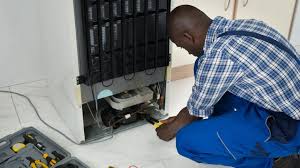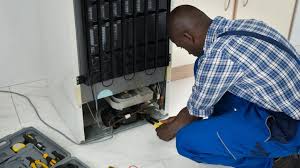


Beko has become one of those appliance brands you’ll now see in many Kenyan homes without really being surprised. A Beko fridge in a Syokimau apartment, a front-load washer in Nakuru, a cooker in Bamburi, or a dishwasher in a townhouse around Kiambu Road all feel normal now. The brand sits in that comfortable middle space: not the cheapest on the shelf, not as pricey as some premium models, but modern enough to feel like a proper upgrade.
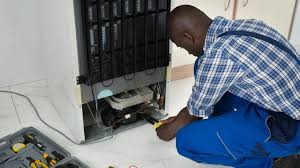
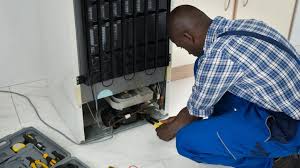
That balance is why many people choose Beko. The appliances look neat, come with useful features, and usually cost less than high-end LG, Samsung, Bosch, or Siemens models. But when they break down, things can get tricky. Beko appliance repair in Kenya needs a technician who understands the brand, its European-style design, and the local conditions that wear appliances out faster than expected.
Power surges, hard water, dust, humidity, and inconsistent spare parts can all affect how long your Beko fridge, washing machine, cooker, or microwave lasts. Knowing the common problems and how to handle them can save you money before a small fault becomes a full-blown repair bill.
Why Beko Appliances Need the Right Repair Approach
Beko is a Turkish brand under Arçelik, and it is widely sold in Europe and many other markets. In Kenya, you’ll find Beko appliances in major retailers and mid-range appliance shops in Nairobi, Mombasa, Kisumu, Nakuru, Eldoret, and other towns.
The good thing is that many Beko appliances in Kenya come through official channels, which helps with warranty and spare parts. The challenge is that there are also grey imports, especially models brought in from Dubai, the UK, or other markets. Two Beko fridges may look almost identical but use different boards, sensors, or control panels depending on the market they were made for.
That matters during repair. A technician who orders the wrong board or assumes all Beko models are the same can waste your time and money. Some fundis also treat Beko like a basic appliance brand, yet many models use inverter motors, electronic controls, error codes, and no-frost systems that need proper diagnosis.
Common Beko Fridge Problems in Kenya
Fridge Not Cooling but Freezer Still Works
This is one of the most common Beko fridge complaints. The freezer stays cold, but the lower fridge section becomes warm. Many people immediately assume the fridge needs gas, but with no-frost models, the issue is often airflow.
Beko no-frost fridges use a fan to move cold air from the freezer into the fridge section. If the fan motor fails, the damper sticks, or ice blocks the vents, the fridge section will warm up even when the freezer looks fine.
A proper technician should check the evaporator fan, defrost system, damper, and airflow before recommending gas refill. If someone says “gas imeisha” without opening or testing anything, ask more questions.
Beko Fridge Error Codes
Some Beko fridges display error codes such as E0, E3, E4, E8, and E9. These usually point to sensor, fan, defrost, or ice maker issues.
For example, E4 may point to a freezer fan problem. If the code already suggests a fan issue, there is no reason to jump straight to compressor or gas repairs. Before calling a technician, write down the exact error code and share it when booking.
A technician who understands Beko should be able to interpret the code and test the related parts.
Water Dispenser Problems
Beko side-by-side fridges with water dispensers can develop issues when inlet valves clog or filters are not changed regularly. This is common in homes using borehole water in places like Athi River, Rongai, Kitengela, and some parts of Kajiado.
If the dispenser stops working, the technician should check water pressure, the filter, inlet valve, and water line before replacing expensive components.
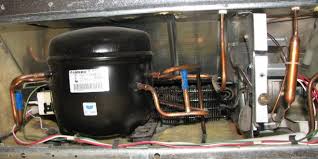
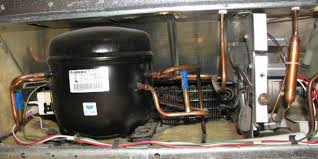
Compressor Running Nonstop
If your Beko fridge never seems to rest, the problem may be poor ventilation, dirty condenser coils, a weak door seal, thermostat issues, or a cooling fault. In hot or humid areas like Mombasa, Kilifi, and Malindi, door seals can wear faster.
A new door seal is much cheaper than compressor work and can reduce electricity use quickly. Always make sure the simple causes are checked first.
Ice Buildup in Frost-Free Models
A frost-free fridge should not keep building ice. If ice keeps forming, the defrost heater, sensor, timer, or control system may be failing. Dust on condenser coils can also force the compressor to overwork.
Cleaning the coils every few months is a small habit that can prevent bigger problems.
Common Beko Washing Machine Problems
Beko washing machines are popular because they offer decent features at a manageable price. Many models come with ProSmart inverter motors, digital controls, and front-load efficiency. Still, Kenyan water and power conditions can expose weaknesses over time.
Beko Washing Machine Error Codes
Beko washers may show error codes such as E01, E02, E03, E05, E06, E08, E09, E10, and E11.
E01 often points to a door lock issue. E02 may mean the machine is not getting water. E03 usually means drainage trouble. E06 can indicate motor-related problems, while E10 and E11 may point to communication faults.
In towns where water pressure is low or water has debris, E02 and E03 are common. Before assuming a major fault, check the tap, inlet filter, drain hose, and pump filter.
Machine Not Spinning Properly
If clothes come out soaking wet, the washer may not be spinning. This can happen because of an unbalanced load, blocked drain, worn motor brushes, hall sensor problems, or control board faults.
A good technician should begin with the simple checks. If the machine has not drained, it will not spin properly. If it is overloaded, it may stop to protect itself.
Washer Leaking From the Door or Underneath
Front-load Beko washers often leak when the door seal is torn by coins, zippers, or bra wires. Leaks underneath may come from hoses, pumps, or cracked connections.
Avoid quick silicone patches on door seals. They rarely last and can make the area messy. A proper seal replacement is better.
Violent Shaking During Spin
A washing machine that shakes badly may simply be unlevelled. This often happens after moving house or shifting the washer during cleaning. If the machine is older, worn shock absorbers or bearings may be the problem.
Bearing replacement can be labour-intensive, so if the washer is already old, compare the cost with buying a new one.
Not Powering On After a Blackout
Power surges are a real issue in Kenya. If your Beko washer or fridge stops powering on after an outage, the noise filter, fuse, or board may be damaged.
A technician should test the cheaper parts before declaring the main board dead.
Beko Cooker and Microwave Problems
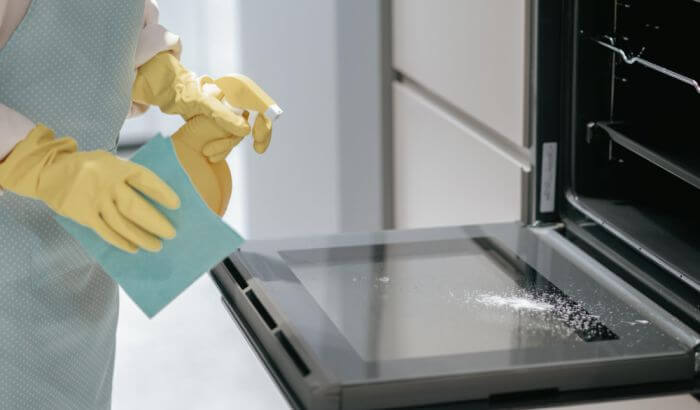
Beko cookers are generally solid, but ignition problems are common when water or grease gets into the ignition system. Spraying water directly around knobs and burners during cleaning can damage ignition modules.
If burners produce weak flames, the jets may be blocked by food spills or grease. Proper cleaning and servicing often solves the issue.
For ovens, uneven heating may be caused by a faulty thermostat, heating element, or fan motor. If the grill works but the oven does not heat evenly, the fan or element should be checked.
Beko microwaves may stop heating because of a fuse, magnetron, door switch, diode, or inverter issue. If the microwave is completely dead, the fuse should be tested first before replacing expensive parts.
Maintenance Tips for Beko Appliances in Kenya
Beko appliances can serve well, but they need some help in Kenyan conditions.
Use surge protectors for fridges, washing machines, microwaves, and other sensitive appliances. A small protector can save you from expensive board repairs after a power surge.
Clean washing machine filters monthly. Borehole water and county water can carry sediment that blocks inlet valves and pumps.
Do not overload the washer. If you have to force clothes into the drum, the load is too heavy. Overloading damages bearings, motors, and shock absorbers.
Leave the washer door open after use so moisture can escape. This helps prevent mould, bad smells, and early seal damage.
For fridges, leave enough space behind the appliance for airflow. Clean the condenser coils at least twice a year, or more often in dusty areas like Kitengela, Athi River, Nakuru, and parts of Nairobi.
If you live near the Coast, wipe fridge and microwave surfaces regularly to reduce rust from salty air.
Finding a Technician Who Understands Beko
Not every appliance technician has experience with Beko. Before approving repairs, ask whether they have worked on Beko no-frost fridges, ProSmart washers, or your specific appliance type.
Ask where they source Beko parts and whether the part is genuine, compatible, or refurbished. Also ask for a warranty on the repair.
For a safer starting point, The Real Plug at https://therealplug.online/ can help you find vetted professionals and businesses in Kenya, including appliance technicians familiar with different brands. It is useful when you want to avoid random referrals and find someone with visible feedback.
When to Repair and When to Replace
If your Beko appliance is under five years old and the issue is a fan, seal, valve, pump, sensor, or minor board repair, fixing it usually makes sense.
If it is older than eight years and needs a major compressor, board, drum, or bearing repair, pause and compare the repair cost with a new appliance. Also consider how often it has broken down before.
A repair that costs nearly half the price of a new appliance may not be worth it unless the machine is still in very good condition.
Keep Your Beko Running Longer
Beko appliances offer good value for Kenyan homes, but they need proper care and the right technician when something goes wrong. Learn the error codes, protect the appliance from power surges, clean filters regularly, and do not ignore early warning signs.
When repair is needed, choose someone who understands Beko instead of treating every appliance the same. The right repair can add years to your appliance. The wrong one can make a manageable fault painfully expensive.