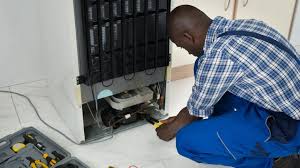


A gas cooker is one of those things people use every day without thinking too much about it. Morning tea in a bedsitter in Kahawa West. Chapati in a family kitchen in Buruburu. Supper for ten in a home in Karen. A quick lunch in an Airbnb in Kilimani before guests check in.
It is reliable, fast, and familiar.
But because gas cookers are so common in Kenya, many people forget one important thing: gas is safe only when the cooker is installed and maintained properly.
A loose hose, faulty regulator, leaking cylinder, blocked burner, or poorly ventilated kitchen can turn an ordinary cooking moment into a serious risk. Most gas cooker problems that technicians see are preventable. They often start with rushed installation, old parts, DIY connections, or small warning signs that were ignored because “the cooker still works.”
Gas safety is not about fear. It is about doing the small things right before they become big problems.
Why Proper Gas Cooker Installation Matters
Buying a cooker is easy. Getting it installed safely is where many mistakes happen.
Someone buys a new cooker from town, brings it home, connects it using an old hose, tightens the regulator by hand, pushes the cylinder into a cabinet, and starts cooking. It may work, but working does not always mean safe.
A proper gas cooker installation starts with location. The cooker should be placed in a well-ventilated kitchen where fresh air can move in and gas can escape safely if there is a leak.
LPG is heavier than air. If it leaks, it does not rise and disappear quickly. It can settle near the floor, especially in closed kitchens, cabinets, or poorly ventilated rooms. One spark from a switch, socket, fridge, or electrical appliance can create danger.
That is why ventilation matters. A gas cooker should not be installed in a closed room with no window, vent, or airflow. If the kitchen is internal, as some modern apartments are, proper ventilation becomes even more important.
Where the Gas Cylinder Should Be Placed
The gas cylinder should always stand upright on a stable, flat surface.
If possible, it is safer to keep the cylinder outside in a properly ventilated area or cage, with the gas pipe running safely to the cooker. Many apartments and estates in Kenya are moving toward this setup because it reduces indoor risk.
If the cylinder must stay indoors, keep it away from heat, direct sunlight, and the cooker itself. It should not sit right next to the flame or oven. It should also not be placed inside a closed cabinet, under the sink, or near cleaning chemicals.
A leaking cylinder inside a closed cabinet is especially risky because gas can collect unnoticed.
Never lay a gas cylinder on its side. LPG cylinders are designed to stand upright. Laying one down can send liquid gas into the regulator, damage the system, and create unsafe pressure.
Use the Right Hose and Regulator
The hose and regulator may look like small parts, but they are critical for safety.
Use a proper LPG hose that is suitable for gas use. It should be in good condition, not cracked, stiff, burnt, or oily. A hose should not be too long because long hoses can sag, kink, or rub against surfaces. It should also be secured properly with the right clamps.
Avoid using wire, string, or improvised fasteners to hold the hose. Wire can cut into the rubber over time and create leaks.
Gas hoses do not last forever. Heat, oil, age, dust, and movement slowly weaken them. If the hose is hard, cracked, expired, or smells of gas, replace it immediately.
The regulator also matters. A domestic gas cooker needs the correct low-pressure regulator. Using the wrong regulator can cause weak flames, roaring flames, gas wastage, or dangerous pressure.
When you open the cylinder valve, listen carefully. If you hear hissing while the cooker knobs are off, close the valve immediately. That may be a leak at the regulator, hose, or cylinder connection.
Always Test for Gas Leaks Safely
Never test for a gas leak using a match or lighter.
The safe basic method is soapy water. Apply it around the regulator, hose connections, and cylinder valve area. If bubbles form, gas is leaking.
If you find a leak, turn off the cylinder valve. Tighten the connection if it is safe to do so, or replace the faulty part. If the leak continues, call a technician.
A professional installer should always test for leaks before leaving. They should not just connect the cooker, light one burner, and walk away.
They should check the regulator, hose, cylinder connection, cooker inlet, burners, and flame quality. A proper installation is not complete until the system has been tested.
Why Blue Flames Matter
A healthy gas flame should be mostly blue, steady, and even.
If the flame is yellow, orange, lazy, or producing soot, the cooker is not burning gas properly. You may notice black marks under sufurias, slow cooking, or a smoky smell.
Yellow flames can come from blocked burner holes, poor air mixture, dirty burners, or the wrong jet size. They also indicate incomplete combustion, which can increase the risk of carbon monoxide buildup in poorly ventilated kitchens.
Carbon monoxide is dangerous because you cannot see or smell it. It can cause headaches, dizziness, nausea, and in serious cases, death.
If your flame stays yellow after cleaning the burner and improving ventilation, call a technician. Do not keep cooking for months on a flame that is clearly not burning properly.
Simple Gas Cooker Maintenance Every Home Should Do
You do not need to be a technician to keep your cooker safer.
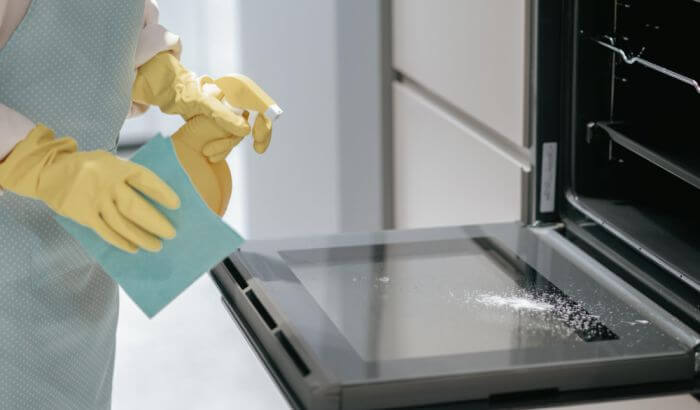
Start by cleaning spills when they happen. Milk, tea, soup, oil, and ugali water can block burner holes when they dry and burn onto the metal. Once the holes are blocked, the flame becomes weak, uneven, or yellow.
After the burner cools, remove the burner cap and ring. Clean the holes gently with a pin or soft brush. Do not enlarge the holes. Dry the parts properly before putting them back.
Check flame colour regularly. Light each burner and look at the flame. It should be blue and steady. If one burner is yellow or uneven, clean it. If all burners are weak or yellow, the issue may be the regulator, gas pressure, air mixture, or a deeper cooker fault.
Inspect the hose every few months. Bend it gently and look for cracks. Check whether it is too close to the oven, back panel, or any hot surface. If it looks burnt, hard, swollen, or cracked, replace it.
Also keep the igniters clean and dry. Grease and moisture weaken the spark. After cleaning the cooker, wipe around the igniter instead of pouring water over the hob.
What to Do If You Smell Gas
A gas smell should never be ignored.
If you smell gas, turn off the cylinder valve immediately. Open windows and doors. Do not light a match. Do not switch lights on or off. Do not use electrical appliances near the leak.
Check whether a cooker knob has been left slightly open. This happens in busy homes and homes with children. If all knobs are off and the smell continues, leave the area and call a qualified technician.
Do not keep trying to light the burner if you can already smell gas. Let the kitchen ventilate first.
If the smell is strong, move people out of the room and deal with it from a safe distance. Gas safety is one area where caution is always better than confidence.
What a Professional Gas Cooker Service Should Include
A proper cooker service should involve more than wiping the surface.
A technician should remove and clean burner parts, clear blocked ports, inspect the hose and regulator, test for leaks, check flame colour, and adjust the air mixture where necessary. If the cooker has a flame failure safety device, they should test whether it cuts gas when the flame goes out.
For ovens, they should check the oven burner, flame pattern, ignition, and gas supply. For built-in hobs, they should confirm that the hob is fitted securely and that gas cannot collect beneath the counter.
They should also inspect igniters, thermocouples, knobs, valves, and visible gas connections.
A good technician explains what they found. For example, they may tell you that the flame was yellow because the burner ports were blocked, or that the hose was too close to heat and needed replacement.
The Real Plug can help homeowners, landlords, Airbnb hosts, restaurants, and small food businesses find vetted gas cooker technicians by location and service type. For gas safety, look for professionals who mention cooker installation, LPG leak testing, burner servicing, regulator replacement, and flame failure device checks.
Common Gas Cooker Mistakes in Kenyan Homes
Some mistakes are common because people do not realize how risky they are.
One is using the wrong regulator. A high-pressure regulator should not be used on a domestic cooker unless the cooker is designed for it. It can create large, unstable flames and unsafe gas flow.
Another mistake is keeping flammable items near the cylinder or cooker. Petrol, kerosene, paint thinner, aerosols, and cleaning chemicals should not be stored near gas equipment.
Leaving the cylinder valve open overnight is also risky. Even if the cooker knobs are off, a small fault can allow gas to leak slowly. Closing the cylinder after cooking adds an extra layer of safety.
Some people also ignore faint gas smells because the cooker still works. That is dangerous. A small leak can become serious in a closed kitchen.
Children should also be kept away from cooker knobs. In homes with small children, knob covers or extra supervision can prevent accidental gas release.
When Repair Is Not Enough
Sometimes servicing is not enough, and replacement is safer.
If the cooker is old, badly rusted, leaking, has damaged internal gas pipes, weak valves, broken knobs, and repeated ignition or flame problems, it may not be worth repairing.
Rust is especially concerning because gas pipes and metal parts weaken over time. At the coast, corrosion can happen faster because of salty air and humidity.
If the glass top on a built-in hob is cracked, it should also be taken seriously. Heat can worsen the crack and make the hob unsafe.
A trustworthy technician should tell you when replacement is the safer option. Not every cooker should be kept running just because it can still light.
How Often Should You Service a Gas Cooker?
For most homes, a full gas cooker service once a year is a good habit.
If you cook heavily, run a small food business, host guests, or use the cooker many times a day, servicing every six months is more sensible.
Between services, keep up with basic checks: clean burners, inspect the hose, test for leaks with soapy water, check flame colour, and close the cylinder valve after cooking.
These habits do not take much time, but they reduce risk and keep the cooker working efficiently.
Safety Is a Daily Habit
A gas cooker is not dangerous when installed correctly, used properly, and maintained regularly. The danger comes when people rush installation, reuse old parts, ignore gas smells, cook with yellow flames, or treat leaks casually.
In Kenya, many homes use gas in small kitchens, apartments, rentals, and busy family spaces. That means safety habits matter every day.
Use the right hose and regulator. Keep the cylinder upright. Make sure the kitchen is ventilated. Test for leaks. Keep flames blue. Clean burners. Close the cylinder after use. Call a technician when something does not feel right.
Gas safety is not one big action. It is a series of small decisions made consistently.
And when those small things are done well, the cooker stays what it should be: a reliable part of the kitchen, not a risk waiting to happen.