

An oven usually fails when you actually need it.
You have mandazi in the oven in Kahawa West, guests coming in the afternoon, and the top still looks pale while the bottom is almost burnt. Or you are baking a cake order in Syokimau, set the oven to 180 degrees, and after half an hour the middle is still wet. Maybe the oven does not heat at all, or it trips the power the moment you switch it on.
In Kenyan homes, ovens are not always used every day, but when they are needed, they matter. Birthdays, holidays, family gatherings, weekend baking, Airbnb hosting, and small baking businesses all depend on an oven that heats evenly and safely.
Ovens look simple from the outside, but inside they have heating elements, thermostats, fans, selectors, sensors, wiring, and seals. For gas ovens, there are burners, igniters, thermocouples, and gas controls. When one of these parts fails, the oven may heat poorly, cook unevenly, trip power, smell burnt, or refuse to start.
The good news is that most oven problems can be diagnosed properly if you know the signs and call the right technician early.
When the Oven Will Not Heat at All
If your oven turns on but stays cold, start with power.
Electric ovens use a lot of current, so the socket, plug, fuse, or breaker may be the issue. In older rentals and apartments, sockets can weaken or burn over time. Check whether the socket works by testing another appliance. Also check the consumer unit to see whether the breaker has tripped.
Some ovens will not work after a power cut until the clock is reset. If the oven display is flashing, set the clock and try again. This simple issue catches many people after blackouts.
If power is fine and the oven still does not heat, the heating element may have failed. Most electric ovens have a bottom bake element, a top grill element, and sometimes a circular fan element at the back. If one element burns out, the oven may heat only from one side or not at all, depending on the setting.
A technician will test the element with a multimeter. If there is no continuity, the element is dead and needs replacement.
If multiple heating functions fail, the thermostat, selector switch, relay, or control board may be involved. The selector switch is the knob or control that chooses bake, grill, or fan mode. If its contacts burn out, power may not reach the element.
This is not a part to guess. Proper testing prevents replacing the wrong item.
When the Oven Heats but Does Not Reach the Right Temperature
Sometimes the oven warms up, but never gets hot enough.
You set 200 degrees, but food takes twice as long. Cakes sink. Meat cooks slowly. Bread refuses to brown. This often points to a faulty thermostat or temperature sensor.
The thermostat controls oven temperature. If it drifts out of calibration or fails, it may switch off too early because it thinks the oven is hot enough. A technician can compare the oven’s actual temperature with a reliable oven thermometer and confirm whether the thermostat is accurate.
A weak heating element can also cause low temperature. It may still glow, but not strongly enough to heat the oven properly. In fan ovens, the fan may run while the fan element behind the back panel is dead. This can make it look like the oven is working, while the heat is actually weak or uneven.
Door seals also matter. If the rubber or fibre seal around the door is loose, flat, cracked, or missing, heat escapes. The oven then works harder, uses more electricity or gas, and still may not reach the correct temperature.
If you feel heat escaping around the door, or see steam leaking from one side, the seal may need replacement.
Uneven Cooking: Burnt Bottoms, Raw Tops, and One-Sided Heat
Uneven cooking is one of the most frustrating oven problems, especially for home bakers.
You place a tray in the oven expecting even heat, but one side browns faster. Mandazi burn underneath but stay pale on top. A cake rises badly or cooks on the edges while the middle remains soft.
If your oven has a fan, the fan may not be working properly. The fan circulates hot air so the temperature stays even. If the fan motor fails, becomes clogged with grease, or makes grinding sounds, heat may collect in one area while other areas remain cooler.
A faulty thermostat can also cause uneven cooking. The oven may overheat, then cool too much before heating again. Food gets exposed to temperature swings instead of steady heat.
In static ovens without fans, some unevenness is normal. Heat naturally rises, so tray position matters. The middle rack usually gives the best results. Rotating trays halfway through can also help.
But if uneven cooking has become worse than before, or if the oven burns food even at normal settings, a technician should check the elements, thermostat, fan, and door seal.
When the Oven Trips Power
If the oven trips the breaker or cuts power when switched on, stop using it.
This is usually a sign of an electrical fault. One of the most common causes is a shorted heating element. When the element casing cracks, moisture or internal damage can cause electricity to leak to the metal body of the oven. The breaker trips to protect you.
Do not keep resetting the breaker and trying again. That can be dangerous.
Other causes may include damaged wiring, a faulty selector switch, a failed fan motor, or moisture inside electrical parts after cleaning.
A technician should isolate the faulty part and test safely before replacing anything. Tripping power is not a normal oven problem to ignore.
Burning Smells and Smoke Need Attention
A burning smell can come from simple residue, or it can point to something more serious.
If food, oil, sugar, or sauce has spilled onto an element or the oven floor, it may smoke when heated. Cleaning the oven once it cools can solve the problem.
But a smell of burning plastic, rubber, or electrical wiring is different. That may mean wires near the heating elements have become brittle, insulation is burning, or a component is overheating.
Switch off the oven and unplug it if possible. Do not continue baking to “finish quickly.” Electrical smells should be checked before the oven is used again.
Also avoid lining the bottom of the oven with foil. Many people do this to catch spills, but foil can block airflow, trap heat, melt, or touch elements. It can damage the oven and create smoke.
Oven Light or Fan Not Working
If the oven light stops working, it may simply be the bulb. But oven bulbs are not ordinary bulbs. They are designed to handle high temperatures. A normal bulb can fail quickly or break from heat.
Make sure the oven is off and cool before changing the bulb. If a new oven bulb does not work, the holder, switch, or wiring may be faulty.
A fan that stops working is more serious in fan ovens. Without the fan, heat does not circulate properly. Food may cook unevenly or take longer than usual.
Sometimes the fan motor is dead. Sometimes it is clogged with grease or dust. In homes where meat, fish, and oily foods are roasted often, grease can build up around the fan and make it noisy or stiff.
A technician can clean, test, or replace the fan motor depending on the fault.
Common Gas Oven Problems
Gas ovens have a different set of problems from electric ovens.
If a gas oven will not light, the igniter may be dirty, wet, cracked, or faulty. You may hear clicking but see no flame. Cleaning the igniter gently may help, but cracked ceramic or damaged wiring needs replacement.
If the oven lights but goes out when you release the knob, the thermocouple may be faulty. This safety part senses flame heat and keeps the gas valve open. If it fails, the oven shuts off the gas because it thinks there is no flame.
If the gas oven produces yellow flames or soot, stop using it until it is checked. Yellow flames mean poor combustion, which can create carbon monoxide risk in poorly ventilated kitchens. A technician should clean the burner, check the jets, and adjust the air mixture.
If the oven has a strong gas smell before lighting, ventilate the room and call a technician. Do not keep trying to ignite it while gas is building up.
What a Professional Oven Repair Should Look Like
A good technician does not guess.
If the oven is not heating, they should test the elements, thermostat, selector switch, fuse, wiring, and control system. If it is cooking unevenly, they should check the fan, door seal, thermostat accuracy, and heating elements. If it trips power, they should isolate the short safely.
For gas ovens, they should check the igniter, burner, thermocouple, gas flow, flame colour, and leaks.
They should explain the fault clearly before replacing parts. You should know what failed, why it caused the problem, and what the repair will involve.
After repair, they should test the oven. It should heat, hold temperature, and function safely. If it is a fan oven, the fan should run properly. If it is gas, the flame should be blue and stable.
The Real Plug can help you find vetted oven repair technicians by location and service type. Look for professionals who handle electric oven elements, oven thermostats, fan motors, gas oven repairs, tripping faults, and built-in oven servicing.
How to Maintain Your Oven and Avoid Repairs
A little maintenance can prevent many oven problems.
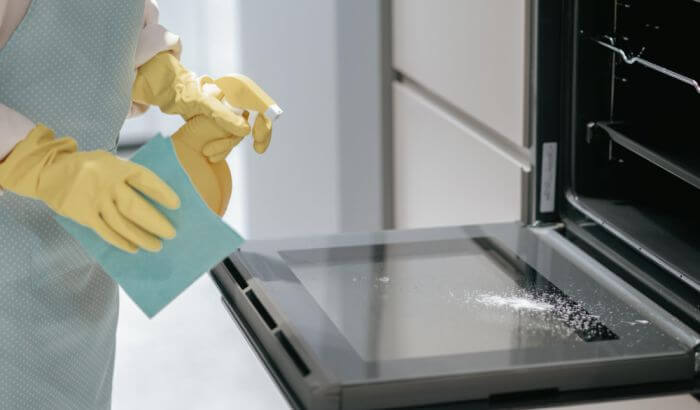
Clean spills after the oven cools. Do not let sugar, oil, and food residue bake onto elements or burner parts. Avoid spraying water directly into fans, switches, or vents. Wipe surfaces instead.
Do not slam the oven door. Door hinges and seals can weaken over time, causing heat loss and uneven cooking. Check the door seal every few months. If it is torn, loose, or flat, replace it.
Use an oven thermometer occasionally to check whether the temperature is accurate. If you set 180 degrees but the oven runs much hotter or cooler, have the thermostat checked.
For electric ovens, use proper power protection where voltage fluctuations are common. For gas ovens, check flame colour regularly and service the oven yearly.
If you bake often for business, cleaning and servicing should be more frequent. Grease buildup and heavy use wear parts faster.
When Repair May Not Be Worth It
Not every oven should be repaired.
If the oven is fairly new and needs an element, thermostat, fan motor, bulb holder, seal, or igniter, repair usually makes sense.
But if the oven is very old, rusted, has brittle wiring, cracked glass, several failed parts, and poor insulation, replacement may be safer and more practical.
If the repair cost is more than half the price of a similar new oven, and the appliance is already old, compare carefully before spending money.
A trustworthy technician should tell you when repair is sensible and when replacement is the better option.
A Good Oven Should Be Predictable
A working oven should not keep you guessing.
When you set the temperature, it should heat properly. Food should cook evenly. The oven should not trip power, smell burnt, leak heat, or leave food raw on top and burnt underneath.
Most oven problems start small: a weak element, dirty fan, loose seal, faulty thermostat, or blocked gas burner. Fixing them early saves ingredients, time, power, and stress.
In Kenyan homes, ovens carry birthdays, holidays, Sunday meals, and side hustles. When yours starts acting up, do not keep adjusting recipes to work around a faulty appliance. Check the basics, then call a technician who tests properly and repairs safely.
That way, the next tray of mandazi, cake, chicken, or bread comes out the way it should.