

A faint gas smell in the kitchen is easy to dismiss.
Maybe you walk into your South B apartment and notice it for a second, then open a window and continue cooking. Or you switch on the oven in your Rongai home and smell something burning, but assume it is just old food stuck somewhere inside. In many Kenyan homes, these small warning signs are brushed off because the cooker still works.
That is the risky part.
Gas cookers are part of everyday life in Kenya. They make morning tea, boil beans, cook ugali, heat leftovers, and keep small food businesses running. But gas and heat are not things to treat casually. A small leak, a cracked hose, a faulty regulator, a burning wire, or a yellow flame can become dangerous very quickly.
Most gas cooker accidents do not begin with a dramatic failure. They begin with a smell someone ignored.
A Gas Smell Means Gas Is Already in the Air
LPG does not naturally have a strong smell. The rotten-egg smell is added so people can detect leaks early.
So if you smell gas, even faintly, it means gas is escaping somewhere.
LPG is heavier than air, so it does not simply float away. It sinks and collects near the floor, especially in closed kitchens, cabinets, and poorly ventilated rooms. This is why a small leak in a flat in Pipeline, Kawangware, Kasarani, or any crowded apartment block can become serious if windows are closed.
Gas leaks often happen in predictable places. The hose may be old, cracked, or burnt. The regulator may be worn out. The connection may not have seated properly after a cylinder change. A cooker valve may not close fully. A burner knob may be slightly open after cleaning or from being knocked by a child.
If you smell gas when all burners are off, treat it as a leak. If you smell gas only when trying to light a burner, gas is flowing but not burning. If the smell comes after cooking, a valve may not be sealing properly.
All three situations need attention.
Burning Smells Are Also Warning Signs
Not every burning smell is the same, but none should be ignored.
A burning plastic or electrical smell is serious. It may mean wiring is overheating, insulation is melting, or a component inside the cooker or oven is failing. Electric ignition cookers, built-in ovens, and cookers with fans or control boards all have wiring that can be damaged by heat, grease, age, or power surges.
If you smell burning plastic, switch off the cooker at the wall if it is safe, turn off the gas cylinder, and stop using it until a technician checks it.
A burning food smell may be less serious if food has spilled onto an element or burner. But if the oven is empty and the smell continues, old grease, cracked elements, or burnt insulation may be involved.
A burning rubber smell may point to the hose. If the gas hose touches the hot back of the cooker or oven, it can melt slowly. First you smell rubber. Later, you may smell gas. That is a dangerous combination.
A smoky or oily smell from burners often comes with yellow flames. That means the gas is not burning cleanly. It can waste gas, blacken sufurias, and increase carbon monoxide risk in poorly ventilated kitchens.
Yellow Flames and Soot Are Not Normal
A healthy gas flame should be mostly blue, steady, and even.
If your cooker flame is yellow, orange, lazy, or smoky, something is wrong. The burner may be clogged with food and grease. The air mixture may be off. The jet may be the wrong size. The burner cap may not be seated properly.
Yellow flames mean incomplete combustion. Apart from wasting gas and leaving soot under your pots, this can produce carbon monoxide, a dangerous gas that you cannot see or smell.
In a small kitchen with poor airflow, especially where windows are kept closed, carbon monoxide can build up. Headaches, dizziness, nausea, and weakness may be signs of exposure.
If your flame stays yellow after cleaning the burner and opening windows, stop using that burner and call a technician.
How Quickly a Small Gas Leak Can Become Dangerous
One reason people ignore gas smells is because nothing happened the last time.
That is the trap.
A small leak can continue for days or weeks without incident. Then one night the kitchen is closed, the air is still, the gas collects near the floor, and one spark is enough. The spark could come from a light switch, fridge motor, socket, phone charger, cooker igniter, or another appliance switching on.
Gas accidents are often sudden because the dangerous condition builds quietly.
Burning electrical faults can also escalate. A wire may smolder for days before finally shorting against metal. The cooker may still work, so the user assumes it is fine. Then one day it trips power, melts parts, or starts a fire.
With gas and heat, early action matters. The first minute after smelling gas is when you still have control.
What to Do Immediately If You Smell Gas
If you smell gas and no burner is on, act calmly but quickly.
Turn off the gas at the cylinder valve. Open windows and doors to let air move through the kitchen. Do not switch lights on or off. Do not plug or unplug appliances. Do not use the cooker igniter. Do not light a match.
If the smell is strong, leave the house and take others with you. Call a qualified technician or gas supplier from outside the kitchen.
If the smell happens only when you are trying to light a burner, turn the knob off, close the cylinder valve, and ventilate the room. The igniter may be faulty or the burner ports may be blocked. Do not keep clicking the igniter while gas is building up.
If you smell burning electrical parts, switch off power to the cooker if safe to do so and turn off the gas. Do not continue cooking to “finish quickly.” That small delay can be costly.
Why DIY Gas Fixes Are Risky
Kenyans are practical people. If something is loose, we tighten it. If something leaks, we try to seal it. That works for many household problems, but gas is different.
Using wire to tighten a gas hose can cut into the rubber and create a worse leak. Using the wrong tape on fittings can stop them from sealing properly. Enlarging burner jets with a needle to make the flame bigger can make the cooker unsafe and cause yellow flames.
Bypassing a flame failure device because the burner keeps going off is especially dangerous. That safety device shuts off gas if the flame goes out. Without it, gas can continue flowing into the kitchen if wind or a spill puts the flame out.
Using the wrong regulator is another common mistake. Domestic gas cookers need the correct low-pressure regulator. A high-pressure regulator can cause unstable flames, gas wastage, and serious danger.
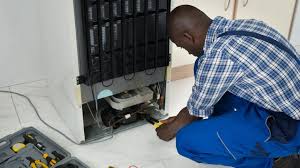
If you are not trained, do not open gas valves, internal pipes, jets, or safety devices. A qualified technician should test, repair, and confirm the cooker is safe.
What a Technician Should Check
A proper gas cooker safety check is more than lighting the burner once.
A technician should inspect the regulator, hose, cylinder connection, cooker inlet, knobs, valves, burners, igniters, thermocouples, and flame quality. They should test for leaks using soapy water or proper leak detection methods, not a flame.
If there is a burning smell, they should inspect wiring, switches, oven elements, fan motors, insulation, and areas where the hose may be exposed to heat.
If the flame is yellow, they should clean the burner ports, check the jet, adjust the air mixture, and make sure the flame burns blue and steady.
If the cooker has flame failure protection, they should test whether gas cuts off when the flame goes out.
The Real Plug can help homeowners, landlords, restaurants, Airbnb hosts, and small food businesses find vetted gas technicians by location and service type. For this kind of issue, look for professionals who handle gas leak testing, cooker servicing, regulator replacement, burner adjustment, and flame failure device checks.
Maintenance That Prevents Leaks and Burning Smells
Gas safety starts with simple habits.
Replace the gas hose regularly, especially if it is cracked, hard, burnt, oily, or expired. Do not wait for a leak to appear. Heat and age weaken hoses over time.
Use a good-quality regulator and replace it if it hisses, feels loose, or no longer controls gas flow properly.
Check connections after every cylinder change. Apply soapy water around the regulator and hose joints. If bubbles appear, there is a leak.
Keep the cylinder upright and in a ventilated area. Avoid placing it inside a closed cabinet or near heat. Close the cylinder valve after cooking, especially overnight.
Clean burners often. Food spills block ports and cause yellow flames. Wipe the cooker instead of pouring water over it. Keep igniters dry and free from grease.
Service the cooker at least once a year. If you cook heavily, run a food business, or use the cooker in a rental or Airbnb, servicing every six months is more sensible.
When to Replace Parts or the Whole Cooker
Some parts should be replaced before they fail completely.
Replace old hoses, faulty regulators, stiff valves, cracked burner caps, damaged igniters, and weak thermocouples. These repairs are usually much cheaper than dealing with the consequences of a leak or fire.
But if the cooker is very old, rusted, leaking internally, has damaged valves, cracked glass, multiple ignition problems, and unreliable burners, replacement may be safer than repeated repair.
Rust is especially concerning around gas lines and valves. At the coast, salty air and humidity can speed up corrosion.
A trustworthy technician should tell you when repair is reasonable and when replacement is the safer option.
Your Nose Is a Safety Tool
In the kitchen, your senses matter. You know when food is burning. You know when gas smells wrong. You know when something does not feel normal.
Do not ignore that.
Gas should not smell when the cooker is off. Burning plastic should not happen. Yellow flames should not be treated as normal. A hose should not feel brittle or burnt. A regulator should not hiss.
If something smells wrong, stop, ventilate, and check safely. If you are not sure, call a technician.
With gas, the cost of ignoring a warning sign is not just a repair bill. It can be your home, your safety, and the people around you.
No meal is worth that risk.