

A microwave is one of those appliances you only notice when it stops behaving.
Most days, it just works quietly in the corner. You warm tea before leaving for work in Kahawa West. You heat githeri for the kids after school in Buruburu. You defrost meat quickly in Kileleshwa because visitors arrived earlier than expected. Two minutes here, three minutes there, and life moves on.
Then one day, it runs but the food stays cold. Or it starts sparking. Or it trips the power the moment you press start.
In many Kenyan homes, microwaves are used often but maintained very little. Food splatters, power surges, dust, cockroaches, moisture, and wrong containers can slowly damage the appliance. And while a microwave may look simple from the outside, it is not something to open casually. It uses high-voltage parts that can remain dangerous even after unplugging.
The good news is that many microwave problems can be repaired if caught early. The important thing is knowing what the signs mean, when repair makes sense, and when replacement is the safer option.
When the Microwave Runs but Does Not Heat
This is probably the most common microwave problem.
The light comes on. The plate spins. The timer counts down. You hear the usual sound. But when you open the door, the food is still cold.
When a microwave runs but does not heat, the fault is usually in the high-voltage section. Common causes include a faulty magnetron, diode, capacitor, or transformer. The magnetron is the part that creates the microwave energy that heats food.
Power surges can damage these parts, especially in areas where electricity fluctuates often. Running the microwave empty can also damage the magnetron because there is no food or liquid to absorb the energy. Even heating a cup of water is safer than running it with nothing inside.
This is not a DIY repair. The high-voltage capacitor inside a microwave can hold a dangerous charge even after the appliance has been unplugged. A trained technician knows how to discharge it safely before testing parts.
If the microwave is fairly new and the magnetron or diode is the issue, repair may be worth it. If it is old and the repair cost is close to the price of a new unit, replacement may be smarter.
When the Microwave Sparks Inside
Sparks inside a microwave are never something to ignore.
Sometimes the cause is simple. There may be metal inside the microwave: a spoon, foil, metallic food packaging, or a container with a shiny rim. In Kenya, people sometimes reheat food in takeaway packs, margarine tins, foil trays, or containers that were not designed for microwaves. That can cause arcing.
If you see sparks, stop the microwave immediately and unplug it. Remove anything metallic and check whether the sparking stops.
If there is no metal inside, check the waveguide cover. This is usually a small cardboard-like panel on the inside wall of the microwave. It protects the magnetron area from food splashes. When food splatters collect on it and burn, the cover can arc and create sparks.
A burnt or damaged waveguide cover should be replaced. Continuing to use the microwave with a burnt cover can damage the magnetron, which is much more expensive.
Chipped paint or exposed metal inside the microwave cavity can also cause sparking. Small areas may be repairable with proper microwave cavity paint. But if the cavity is badly rusted, burnt, or peeling widely, replacement is often safer.
When the Turntable Stops Spinning
If the microwave heats food unevenly, check whether the turntable is moving.
The turntable helps food rotate so heat spreads more evenly. When it stops, one side of the food may become hot while the other stays cold.
Start with the simple checks. Remove the glass plate and roller ring. Clean the track underneath. Food crumbs, sauce, oil, or hardened spills can stop the plate from rotating smoothly. Place the plate back properly on the coupler and try again.
Some microwaves also have a turntable on/off setting, so check that it has not been turned off accidentally.
If the plate still does not move, the turntable motor may have failed. Dust, grease, and spills that run underneath the plate can damage it over time. This is usually a straightforward repair for a technician.
Do not ignore a failed turntable for too long. Uneven heating can leave cold spots in food, especially meat, stews, and leftovers.
When Buttons Stop Working or the Display Goes Dead
A microwave keypad gets touched every day, often with wet, oily, or flour-covered hands. Over time, some buttons may stop responding.
Humidity can also affect the keypad and control panel, especially in coastal areas like Mombasa, Diani, Malindi, and Kisumu’s humid seasons. Cockroaches are another real problem in many Kenyan kitchens. They can get behind the control panel and damage the board or keypad membrane.
If some buttons work and others do not, the keypad membrane may be worn or damaged. If the whole display is dead, the issue may be a fuse, control board, power supply fault, or internal wiring problem.
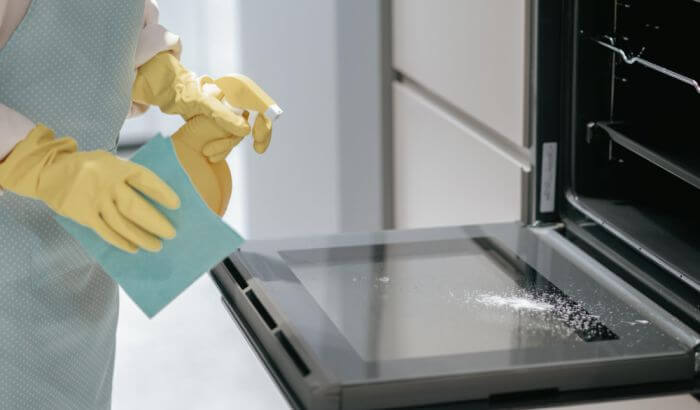
Avoid spraying cleaner directly onto the keypad. Liquid can seep behind the panel and create new faults. Spray the cloth, then wipe.
If the microwave is dead but the socket works, have it checked before assuming it is finished. Sometimes a blown internal fuse or small control fault can be repaired.
When the Microwave Trips Power
If the microwave trips the breaker or causes the house power to go off, stop using it.
This often means there is a short circuit inside. Possible causes include a faulty magnetron, capacitor, transformer, door switch, wiring issue, or moisture inside electrical components.
Door switches are especially important. A microwave has safety switches that prevent it from running when the door is open. If one fails, the microwave may blow a fuse, trip power, or refuse to start.
Do not keep resetting the breaker and trying again. That can damage the microwave further and may create a safety risk for your house wiring.
A technician should isolate the fault using proper testing. If the high-voltage transformer or magnetron has failed on an older microwave, replacement may not be worth it.
When the Microwave Makes Loud Humming or Buzzing Sounds
A microwave should hum softly while running. A loud buzz, grinding noise, or heavy humming is a warning sign.
A loud hum with no heating may point to a faulty diode, capacitor, magnetron, or transformer. A grinding noise may come from the turntable motor. A noisy fan can also make the microwave sound rough.
The cooling fan is important because it helps keep internal parts from overheating. If the fan is blocked by dust, grease, or a failing motor, the magnetron can overheat and fail.
If the microwave suddenly becomes louder than usual, stop using it and have it checked. Small parts may still be repairable before they damage larger components.
When the Door Does Not Close Properly
The microwave door is not just a door. It is part of the safety system.
If the door does not latch properly, the microwave should not run. If it runs while the door is open or partly open, stop using it immediately. That means the safety switches or latch system may have failed.
Doors can become misaligned when they are slammed, leaned on, or handled roughly. Hinges can wear out. Latches can break. Food buildup around the door seal can also prevent proper closing.
If the door glass is cracked, the microwave should not be used. The mesh in the door helps contain microwave energy. A damaged door is a safety concern.
A technician can sometimes adjust hinges or replace door switches and latches. But if the door structure itself is badly damaged, replacing the microwave may be safer.
When There Is Smoke or a Burning Smell
A burning smell can come from food, but it can also come from electrical parts.
If food has burnt inside, unplug the microwave, let it cool, and clean it thoroughly. Burnt food residue can carbonize and later cause sparking.
If the smell is like burning plastic, wiring, or electrical parts, stop using the microwave immediately. That may point to a failing transformer, capacitor, board, motor, or wiring.
Do not open the back cover yourself. Microwaves contain high-voltage parts that can shock you even when unplugged.
A technician can discharge the capacitor safely, inspect burnt parts, and tell you whether repair is safe.
What a Professional Microwave Repair Should Look Like
A good technician should not guess.
They should ask what happened: no heating, sparking, tripping power, noisy operation, dead display, or door issue. They should inspect safely and discharge the capacitor before working around high-voltage parts.
For no heating, they should test the diode, capacitor, magnetron, fuse, transformer, and door switches. For sparking, they should inspect the cavity, waveguide cover, paint condition, and signs of metal contact. For tripping, they should isolate the short instead of replacing random parts.
After repair, they should test the microwave with a cup of water and confirm that it heats properly, does not spark, and does not trip power.
The Real Plug can help homeowners, landlords, Airbnb hosts, and small food businesses find vetted microwave repair technicians by location and service type. Look for professionals who handle magnetron replacement, microwave sparking, turntable motor repair, door switch faults, and control board repairs.
When Microwave Repair Is Not Worth It
Not every microwave should be repaired.
If the issue is a turntable motor, fuse, waveguide cover, door switch, or minor control fault, repair may make sense. These are common faults and can often be handled affordably.
But if the magnetron, transformer, and control board are all damaged, the repair cost can quickly approach the price of a new microwave.
Use the 50% rule. If the repair costs more than half the price of a similar new microwave, and the appliance is already old, replacement may be better.
Also replace the microwave if the cavity is badly rusted, the paint is peeling widely, the door glass is cracked, or the door no longer seals properly. Safety matters more than squeezing a few more months out of an unsafe unit.
How to Make Your Microwave Last Longer
Most microwave problems come from misuse, poor cleaning, and power issues.
Never run the microwave empty. Always have food or a cup of water inside when testing. Cover food to prevent splatters. Clean spills immediately, especially near the waveguide cover.
Do not use metal containers, foil, metallic rims, or containers that are not microwave-safe. Do not slam the door. Keep vents clear so the microwave can cool itself.
Use a surge protector or stabilizer if power in your area is unstable. This helps protect the control board and high-voltage parts.
Keep the microwave clean and dry. Wipe the door seals and control panel with a damp cloth, not by spraying liquid directly. If cockroaches are a problem, use traps around the kitchen area, but never spray insecticide inside the microwave.
Once a month, heat a bowl of water with lemon for a few minutes, then wipe the inside. It loosens grease and keeps smells under control.
Safe, Fast, and Working
A microwave saves time in a Kenyan kitchen. When it works, tea is warm in two minutes, leftovers are ready quickly, and defrosting does not become a whole plan.
When it fails, the signs are usually clear. No heat. Sparks. Tripping power. Loud humming. Dead buttons. A turntable that will not move. A door that will not close properly.
Do not ignore those signs, and do not open the microwave yourself. The safest move is to check the simple things, like the socket, plate position, food splatter, and container type, then call a technician for anything internal.
Repair what is worth repairing. Replace what is unsafe or too costly to fix.
That way, the next time you press start, you get warm food, not sparks, smoke, or a power trip.