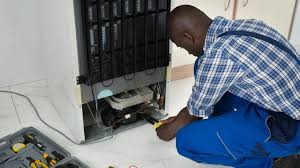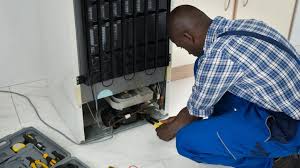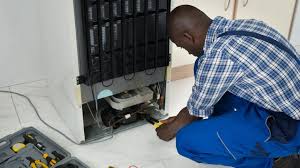


A faulty microwave can leave you stuck between two choices: repair it or replace it.
Maybe your microwave in Ruaka suddenly makes a loud buzzing sound, then goes dead. Maybe the plate still turns, the light comes on, but the food stays cold. Or maybe it trips power every time you press start.
In many Kenyan homes, microwaves are used more than people realize. They warm tea, reheat ugali, defrost meat, heat baby food, and save time during busy mornings. Because basic microwaves are fairly affordable compared to fridges, cookers, and washing machines, many people throw them out the moment they fail.
But not every microwave fault means the appliance is finished.
Some problems are simple and affordable to fix. Others are expensive, unsafe, or not worth repairing. The trick is knowing the difference before you spend money.
Why Microwave Repairs Need Caution
A microwave may look harmless from the outside, but inside it has a high-voltage system.
The magnetron creates the microwave energy that heats food. The transformer and capacitor support that high-voltage process. The capacitor can hold a dangerous charge even after the microwave has been unplugged.
This is why opening a microwave is not like opening a blender or kettle. It can be dangerous if you do not know what you are doing.
Simple external checks are fine. You can test the socket, clean the inside, check whether the turntable is seated correctly, and confirm whether you accidentally used a metal container. But internal repairs should be left to a trained technician.
The repair-or-replace decision should always include safety, not just cost.
When the Microwave Is Completely Dead
If the microwave has no light, no display, no sound, and no response, start with the socket.
Plug in another appliance or phone charger to confirm that power is reaching the outlet. If the socket is fine, the microwave may have a blown fuse, faulty door switch, damaged control board, or a deeper high-voltage fault.
A blown internal fuse can happen after a power surge, which is common in areas where electricity fluctuates. Fuse replacement may be affordable if the fuse failed on its own.
But if the fuse blows again immediately, there is likely a short inside the microwave. This could involve the capacitor, diode, magnetron, transformer, or wiring. At that point, the repair cost and safety risk need careful evaluation.
If the microwave is old, basic, and cheap to replace, major internal repair may not make financial sense.
When It Runs but Does Not Heat
This is one of the most common microwave problems.
The light works. The plate spins. The timer counts down. You hear the usual hum. But the food comes out cold.
In many cases, this points to a failed magnetron, high-voltage diode, capacitor, or transformer. The magnetron is usually the most expensive part in this group. It can fail from age, power surges, or misuse, especially running the microwave empty.
If the microwave is fairly new, clean, and a good-quality model, replacing a magnetron may be worth it. But if it is old, rusty, or was a low-cost model to begin with, the repair may cost too much compared to buying a new one.
A technician should test the parts before recommending replacement. Do not accept a guess based only on the symptom because several parts can cause “running but not heating.”
When the Microwave Sparks Inside
Sparks or arcing inside a microwave should be treated seriously.
Sometimes the cause is simple: metal inside the microwave. A spoon, foil, metallic food packaging, or a dish with gold trim can cause sparks. If that is the case, stop the microwave, remove the metal, and inspect the inside for damage.
If there is no metal, the waveguide cover may be burnt. This is the small cardboard-like panel on the inside wall. It protects internal parts from food splatter. When grease and food residue build up on it and burn, it can start sparking.
Replacing a waveguide cover is usually a minor repair if the cavity behind it is still clean and undamaged.
But if the inside wall is burnt, pitted, rusted, or has exposed metal, replacement is often safer. A damaged microwave cavity can continue arcing and may compromise safety.
Never keep using a microwave that sparks repeatedly. That can damage the magnetron and make the repair more expensive.
When the Turntable Stops Moving
A turntable that stops spinning is usually one of the more repairable microwave faults.
First, remove the glass plate and roller ring. Clean the track and check whether the plate is seated correctly on the coupler. Food spills can harden underneath and stop smooth movement.
Some microwaves also have a turntable off setting, so check that it has not been disabled.
If everything is clean and properly placed but the plate still does not move, the turntable motor may have failed. This is usually a manageable repair and often worth doing if the microwave heats normally.
Ignoring a dead turntable is not ideal. Food heats unevenly, which can leave cold spots in meat, stews, or leftovers.
When Buttons or Display Stop Working
If some buttons work and others do not, the keypad membrane may be worn. If the display is dead but the microwave still responds in some way, the control board or power supply may be faulty.
Humidity, power surges, grease, and cockroaches can damage control panels. In warm kitchens, insects often hide inside appliances. Their waste can corrode boards and create faults.
Control board or keypad replacement can be worth it for a higher-end microwave, especially grill or convection models. For a basic microwave, the cost may be too close to buying a new one.
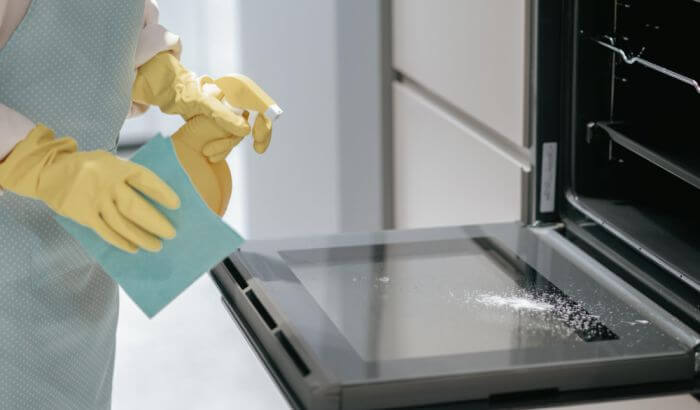
Avoid spraying cleaner directly onto the control panel. Liquid can seep behind the buttons and cause faults. Spray the cloth instead, then wipe.
When the Microwave Trips Power
If the microwave trips the breaker as soon as you start it, unplug it and stop using it.
This usually means a short circuit. Common causes include a faulty capacitor, magnetron, transformer, door switch, or wiring issue. These are internal faults and should only be handled by a technician.
Do not keep resetting the breaker and trying again. That can damage the microwave further and may affect your home wiring.
For an older basic microwave, tripping power may be a sign that replacement is better. For a newer or more expensive model, diagnosis may be worth it before deciding.
Door Problems Are a Serious Safety Issue
A microwave door is part of the safety system.
If the door does not close properly, the microwave should not run. If it runs with the door open or partly open, stop using it immediately.
Door switches, latches, hinges, and the metal mesh inside the door help keep microwave energy contained. If the door is bent, cracked, loose, or damaged, repair may not be safe.
Door switch replacement can be reasonable if the door itself is in good condition. But if the door structure, glass, mesh, or seal area is damaged, replacing the microwave is often the safer option.
No microwave is worth gambling with safety.
Use the 50% Rule
A practical way to decide is the 50% rule.
If the repair costs more than half the price of a similar new microwave, and the appliance is already several years old, replacement usually makes more sense.
For example, repairing a minor fuse, turntable motor, door switch, or waveguide cover on a good microwave may be worth it. But replacing a magnetron, transformer, and control board on an old basic unit may not be.
Age matters too. Once a microwave gets older, one repair may be followed by another. A new unit gives you a fresh warranty and better peace of mind.
The rule is not perfect, but it helps you avoid spending heavily on an appliance that may fail again soon.
Safety Reasons to Replace Immediately
Some microwave problems should not be repaired.
Replace the microwave if the inside cavity is badly rusted, burnt, or pitted. Replace it if the door is bent, the glass is cracked, the mesh is damaged, or the latch no longer holds properly. Replace it if there are burn marks inside that suggest repeated arcing.
Also be cautious if the microwave has a persistent electrical burning smell even after inspection.
A technician should never advise bypassing safety switches, using the microwave without the waveguide cover, or ignoring door damage. Those are red flags.
The Real Plug can help you find vetted microwave repair technicians who can diagnose safely and advise honestly whether repair or replacement makes sense. Look for reviews that mention proper testing, clear explanations, and honest replacement advice.
What a Professional Diagnosis Should Include
A good microwave technician should not guess.
They should ask what happened: no power, no heat, sparks, tripping, dead buttons, or door problems. They should check the fuse, door switches, diode, capacitor, magnetron, transformer, and control board where necessary.
Before touching high-voltage parts, they should discharge the capacitor safely. They should also inspect the cavity, waveguide cover, door condition, and signs of rust or burning.
After testing, they should give you a clear explanation. For example: “The magnetron is dead, the repair will cost this much, and because the microwave is old, replacement may be better.” That kind of honesty helps you make a smart decision.
How to Make Your Microwave Last Longer
A few habits can reduce microwave repairs.
Never run it empty. If you are testing it, place a cup of water inside. Cover food to prevent splatter. Wipe spills quickly before they harden and burn.
Do not use metal, foil, or containers with metallic trim. Use microwave-safe glass, ceramic, or plastic. Avoid slamming the door because it can damage switches and latches.
Keep the vents clear so the microwave does not overheat. Use a surge protector if power in your area is unstable. Keep the kitchen clean to discourage cockroaches from entering the control panel area.
Clean the inside regularly. A bowl of water with lemon heated for a few minutes can loosen grease and reduce smells. Wipe afterward with a damp cloth.
These habits are simple, but they help protect the magnetron, waveguide cover, control board, and door switches.
So, Should You Repair or Replace?
Repair makes sense when the microwave is fairly new, the body is clean, the door is intact, and the fault is minor. Fuses, turntable motors, waveguide covers, door switches, and small control issues are often worth repairing.
Replacement makes more sense when the appliance is old, rusty, badly burnt inside, has door damage, or needs expensive high-voltage parts that cost close to a new microwave.
When unsure, get a diagnosis and compare the repair cost with a new unit. A good technician will help you decide based on safety, age, condition, and cost.
A microwave is convenient, but it is not worth risking your home or health. Repair what is safe and sensible. Replace what is unsafe or too expensive to justify.
That way, the next time it fails, you will not guess. You will know what to check, what to ask, and when to move on.