

A microwave should hum quietly. It should not flash like there is a tiny storm happening inside.
So when you put a plate of food in your microwave in Lang’ata, press start, and suddenly see sparks or hear sharp zapping sounds, stop immediately. Do not stand there watching to see whether it will stop. It usually will not. Sparking inside a microwave is a warning sign that something is wrong.
In Kenyan kitchens, microwave sparking is fairly common. Sometimes it is caused by something simple, like a spoon left in the bowl or a container with metallic trim. Other times, the problem is a burnt waveguide cover, chipped paint, food carbon buildup, damaged accessories, or a failing internal part.
The important thing is not to ignore it. A small spark can burn the inside of the microwave, damage the magnetron, create smoke, or make the appliance unsafe to use.
What Microwave Sparking Actually Means
Microwave sparking is also called arcing.
A microwave heats food by sending microwave energy into the cavity. That energy should be absorbed by food, especially moisture, fat, and sugar. The metal walls inside the microwave reflect the energy so it keeps bouncing around until the food absorbs it.
Sparking happens when that energy hits something it should not, especially a sharp piece of metal, burnt carbon, exposed metal, or a damaged surface. The energy concentrates in one spot and jumps as a spark.
That spark can burn whatever it touches. Burnt areas then become more conductive, which makes future sparking even easier. So a small problem can grow quickly if the microwave keeps being used.
If you see flashes inside the microwave, hear zapping, smell burning, or notice smoke, the safest move is to stop using it until you find the cause.
Metal Inside the Microwave Is the Most Common Cause
The first thing to check is metal.
A spoon left in a bowl, foil around food, a metallic takeaway container, a plate with gold or silver trim, or even a twist tie can cause sparks. It does not have to be a large piece of metal. Small sharp edges are enough.
Foil is especially risky because it has thin, crinkled edges that concentrate microwave energy. Metallic rims on plates can also spark, especially older dishes commonly found in rentals or family homes.
If the microwave sparks, stop it immediately and check what is inside. Remove anything metallic and inspect the cavity before using it again.
Use microwave-safe glass, ceramic, or plastic containers. If you are not sure whether a container is microwave-safe, do not use it.
A Burnt Waveguide Cover Can Cause Repeated Sparks
If there is no metal inside, check the waveguide cover.
This is the small mica or cardboard-like panel usually found on the side wall or ceiling inside the microwave. It protects the opening where microwave energy enters the cavity.
In many Kenyan homes, food is reheated uncovered. Stew, soup, githeri, beans, oily meat, and sauce can splatter onto the cover. Over time, the splatter dries, burns, and turns into carbon. Carbon conducts electricity, so the microwave starts sparking from that spot.
You may see black marks, a brown burn patch, bubbling, or a small hole on the cover.
A burnt waveguide cover should be replaced before the microwave is used again. The cover itself is usually a minor part, but if you continue using the microwave while it sparks, the magnetron behind it can get damaged. That repair is much more expensive.
Do not scrape the waveguide cover aggressively or remove it and continue using the microwave. It is there for a reason.
Chipped Paint or Exposed Metal Inside the Cavity
The inside of a microwave is coated with special cavity paint. If that paint chips and exposes metal underneath, sparks can occur from the same spot again and again.
This can happen when people scrub the inside with steel wool, knives, rough pads, or harsh cleaning methods. It can also happen as the microwave ages, especially if spills are left to burn repeatedly.
Small chips may sometimes be repaired with proper microwave cavity paint. Normal paint should never be used because it is not designed for microwave heat and can release fumes or burn.
If there is rust, deep pitting, large exposed metal areas, or repeated burn marks inside the cavity, replacement is usually safer than repair. A damaged cavity can continue arcing even after cleaning.
Food Debris and Grease Can Turn Into Spark Points
Food residue can also cause sparks.
When food splatters onto the ceiling, walls, or corners and is left there, it eventually burns into hard black carbon. That carbon can behave almost like metal inside the microwave.
This is common when people heat oily foods uncovered or use the microwave for grilling functions without cleaning afterward. Grease and sauce may not seem serious at first, but once they carbonize, they can create arcing.
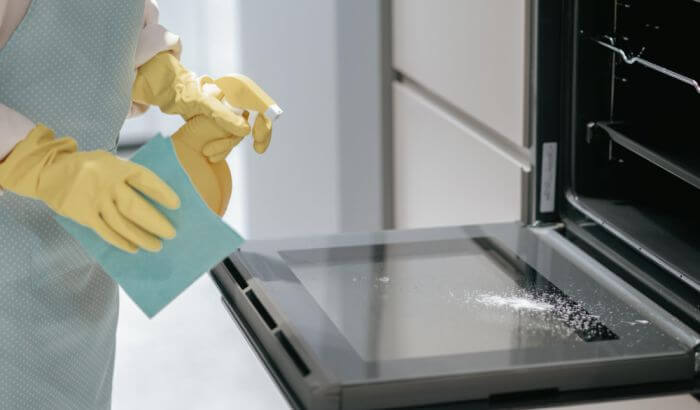
Clean the microwave regularly using a damp cloth and mild soap. For stuck grease, heat a bowl of water with lemon for a few minutes, let the steam soften the grime, then wipe gently.
Avoid using sharp tools to scrape food off the walls. You may damage the cavity coating.
Faulty Racks or Accessories Can Also Spark
Some microwaves come with metal racks for grilling or convection functions. These accessories are safe only when used exactly as the manufacturer intended.
If a rack is used in the wrong mode, touches the microwave wall, has broken plastic feet, or sits too close to the cavity, it can spark. The same applies to accessories not made for your microwave.
If the sparking started after using a rack, tray, or accessory, remove it and inspect the inside for burn marks.
Do not assume every rack is microwave-safe in every mode. Grill mode and microwave mode are not always the same.
What to Do Immediately When a Microwave Sparks
If your microwave starts sparking, stop it immediately.
Press stop or open the door. Opening the door should cut power. Then unplug the microwave from the socket.
Do not pour water inside. This is an electrical appliance, and water can make the situation worse.
Let the microwave cool before inspecting it. Check for metal objects, burnt food, a damaged waveguide cover, chipped paint, rust, smoke marks, or a damaged rack.
If you clearly find a metal object and there is no visible damage, clean the inside and test carefully with a cup of water. If it sparks again, stop using it and call a technician.
If the waveguide cover is burnt, the cavity is chipped, the inside is rusted, or there is a burning electrical smell, do not use the microwave again until it is checked.
Why Ignoring Sparks Is Risky
Sparking can damage the microwave quickly.
The magnetron, which is the part that creates microwave energy, can fail when arcing sends energy back into it. Once the magnetron is damaged, repair becomes more expensive and may not be worth it for an older microwave.
Arcing can also burn the cavity wall. If the metal becomes pitted or damaged, the microwave may no longer be safe to use. The door seal area can also be affected if sparking happens near the front.
There is also a fire risk. Sparks can ignite grease, paper, plastic, or burnt food residue. A small arc can become smoke or flame if the microwave keeps running.
This is why even one spark should be taken seriously. It may be a quick fix, but only if you stop early.
What a Technician Will Check
A good microwave technician will not simply replace one part and leave.
They should inspect the waveguide cover, cavity walls, door area, rack supports, turntable area, and signs of burning or rust. If the waveguide cover is burnt, they should replace it and check whether the magnetron antenna has been damaged.
They may also test the magnetron, diode, capacitor, fuse, and door switches if the microwave stopped heating, started buzzing, or tripped power after sparking.
A technician should tell you honestly if the microwave is unsafe to repair. If the cavity is badly burnt, rusted, or pitted, replacement may be safer.
The Real Plug can help you find vetted microwave repair technicians by location and service type. For this issue, look for professionals who handle microwave sparking, waveguide cover replacement, magnetron testing, cavity inspection, and microwave safety checks.
When Repair Makes Sense
Repair may be worth it if the microwave is otherwise in good condition and the problem is minor.
A burnt waveguide cover, dirty cavity, faulty turntable motor, or minor switch issue can often be repaired affordably. If the microwave is fairly new, clean inside, and has no rust or door damage, fixing it may save money.
Repair also makes sense for higher-end microwaves, such as grill, convection, or larger-capacity models, as long as the cavity and door are safe.
A proper diagnosis helps you avoid replacing an appliance that only needed a small part.
When Replacement Is Safer
Replacement is usually better if the microwave cavity is rusted, burnt through, pitted, or has large areas of exposed metal.
Also replace it if the door is damaged, does not close properly, has cracked glass, or the mesh is compromised. The door is part of the microwave’s safety system.
If sparking has damaged the magnetron and the microwave is old or basic, replacement may make more sense than spending heavily on repair.
A useful guide is the 50% rule. If repair costs more than half the price of a similar new microwave, and the appliance is already old, replacement is usually the better option.
How to Prevent Microwave Sparking
Most microwave sparking can be prevented with simple habits.
Never use metal containers, foil, twist ties, spoons, or plates with metallic trim. Cover food before heating to prevent splatter. Clean spills immediately before they burn onto the walls or waveguide cover.
Do not run the microwave empty. If you need to test it, place a cup of water inside. The energy needs something to absorb it.
Clean the inside regularly. Be gentle around the waveguide cover. Do not scrub it harshly. If it becomes greasy, burnt, or damaged, replace it.
Inspect the cavity from time to time. Look for rust, chips, burn marks, or exposed metal. Keep the door seal area clean so the door closes properly.
Use a surge protector if power in your area is unstable. Power issues can damage microwave boards and high-voltage components.
Sparks Are Not Normal
A microwave should not spark, flash, or zap during normal use.
If it does, stop immediately. Check for metal, inspect the waveguide cover, look for burnt food, and check the cavity surface. If the cause is not obvious, unplug it and call a technician.
Do not keep using it to “see if it stops.” Sparking usually gets worse, and the repair becomes more expensive.
A working microwave saves time. A sparking microwave risks the appliance, your food, and your kitchen. Handle the warning early, and you may save both the machine and the cost of replacing it.