

In many Kenyan homes, the fridge, washing machine, and cooker quietly carry the household. The fridge keeps sukuma, milk, meat, fruits, and leftovers fresh. The washing machine saves hours of scrubbing, especially on busy weekends. The cooker handles everything from quick morning tea to slow-cooked beans, chapati, pilau, and family meals.
The problem is that these appliances are expensive to replace. A good fridge, washer, or cooker can cost tens of thousands of shillings. So when one breaks down before its time, it does not just hurt the budget. It disrupts the whole rhythm of the home.
Luckily, many appliance problems are preventable. With a few small habits, you can extend the lifespan of your fridge, washing machine, and cooker without doing anything complicated.
Why Home Appliances Break Down Too Soon in Kenya
Kenyan homes deal with a few conditions that make appliance care even more important. Power fluctuations are common in many estates, especially during rains or unexpected outages. These sudden changes can damage fridge compressors, washing machine boards, and electric cooker parts.
Dust is another issue. In dry months, fine dust settles everywhere, including behind fridges and around appliance vents. Over time, that dust blocks airflow and makes machines overwork.
Water quality also matters. In places with hard water, such as parts of Nakuru, Kitengela, Machakos, and the Coast, minerals build up inside washing machines. You may see the same white residue in kettles. Inside a washer, that buildup can affect pipes, filters, and heating elements.
Then there are everyday habits. Overloading the washing machine, putting hot food straight into the fridge, ignoring gas leaks, or leaving cooker spills for days may seem harmless. But over months and years, these small things cause real damage.
Fridge Maintenance Tips for a Longer Lifespan
A fridge is one of those appliances you only truly appreciate when it stops working. Suddenly, milk goes bad, vegetables wilt, and frozen meat becomes a problem. Good fridge maintenance in Kenya starts with airflow, temperature control, and power protection.
Leave Space Around the Fridge
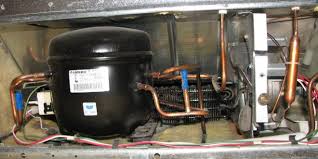
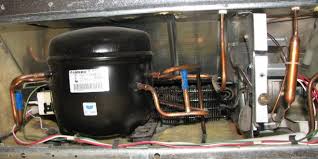
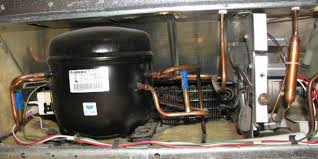
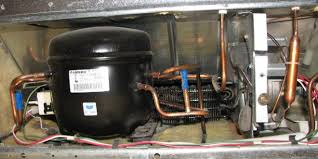
Your fridge needs breathing room. The back and sides release heat while the appliance cools the inside. When the fridge is pushed tightly against the wall or squeezed between cabinets, heat gets trapped. The motor then works harder than it should.
Leave about 5 to 10 centimeters of space at the back and sides. In smaller apartments, especially in Nairobi or Mombasa where kitchen space can be tight, this may not always be easy. Still, avoid sealing the fridge into a corner completely.
Every few months, pull it out and clean the back gently with a dry cloth, soft brush, or old paintbrush. Dust on the condenser coils makes the fridge use more power and shortens its life.
Let Food Cool Before Refrigerating
Putting hot food directly into the fridge is a common mistake. A hot pot of beans, stew, or githeri raises the internal temperature quickly. The fridge then has to work harder to cool everything down again.
Let food cool at room temperature first, then store it in covered containers. Do not leave food out for too long, but give it enough time to stop steaming before placing it in the fridge.
Avoid Overloading the Fridge
A packed fridge may look practical, especially after shopping day, but cold air needs space to circulate. When shelves are too full, some items do not cool properly, and the compressor works harder.
At the same time, a completely empty fridge is not very efficient either. If you live alone or rarely fill your fridge, keep a few bottles of water inside. They help stabilize the temperature.
Check the Door Seal
The rubber strip around the fridge door keeps cold air inside. If it becomes loose, cracked, or dirty, the fridge loses cool air and uses more energy.
Try this simple test: close the fridge door on a piece of paper. If the paper slides out too easily, the seal may be weak. Clean the rubber seal with warm soapy water once in a while, and replace it if it is damaged.
Use a Fridge Guard
Power surges can damage fridge compressors. A fridge guard helps by delaying power after an outage, giving the voltage time to stabilize before the fridge switches back on.
For many Kenyan homes, especially in areas with regular blackouts, this small device can save you from a costly repair.
Washing Machine Care Tips That Actually Work
A washing machine saves time, but it also needs careful use. Most washer problems come from overloading, poor drainage, hard water, and trapped moisture.
Do Not Overload the Drum
Overloading is one of the fastest ways to damage a washing machine. The motor strains, the belt wears out, and the drum may go out of balance. Clothes also do not clean properly when they cannot move freely.
Fill the drum loosely, ideally about three-quarters full. Heavy items like duvets, blankets, curtains, and towels should be washed separately. Even when there seems to be extra space, wet fabric becomes much heavier during the cycle.
Keep the Machine Level
If your washer shakes loudly or moves during the spin cycle, it may not be level. That shaking affects the drum, bearings, and internal parts.
Adjust the small feet under the machine until it sits firmly on the floor. A balanced machine runs more quietly and lasts longer.
Deal With Hard Water Buildup
Hard water leaves mineral deposits inside the washing machine. Over time, this affects heating elements, pipes, and water flow.
Every two or three months, run an empty hot cycle with white vinegar or a washing machine descaler. This helps remove limescale and keeps the machine working efficiently.
Clean the Filter
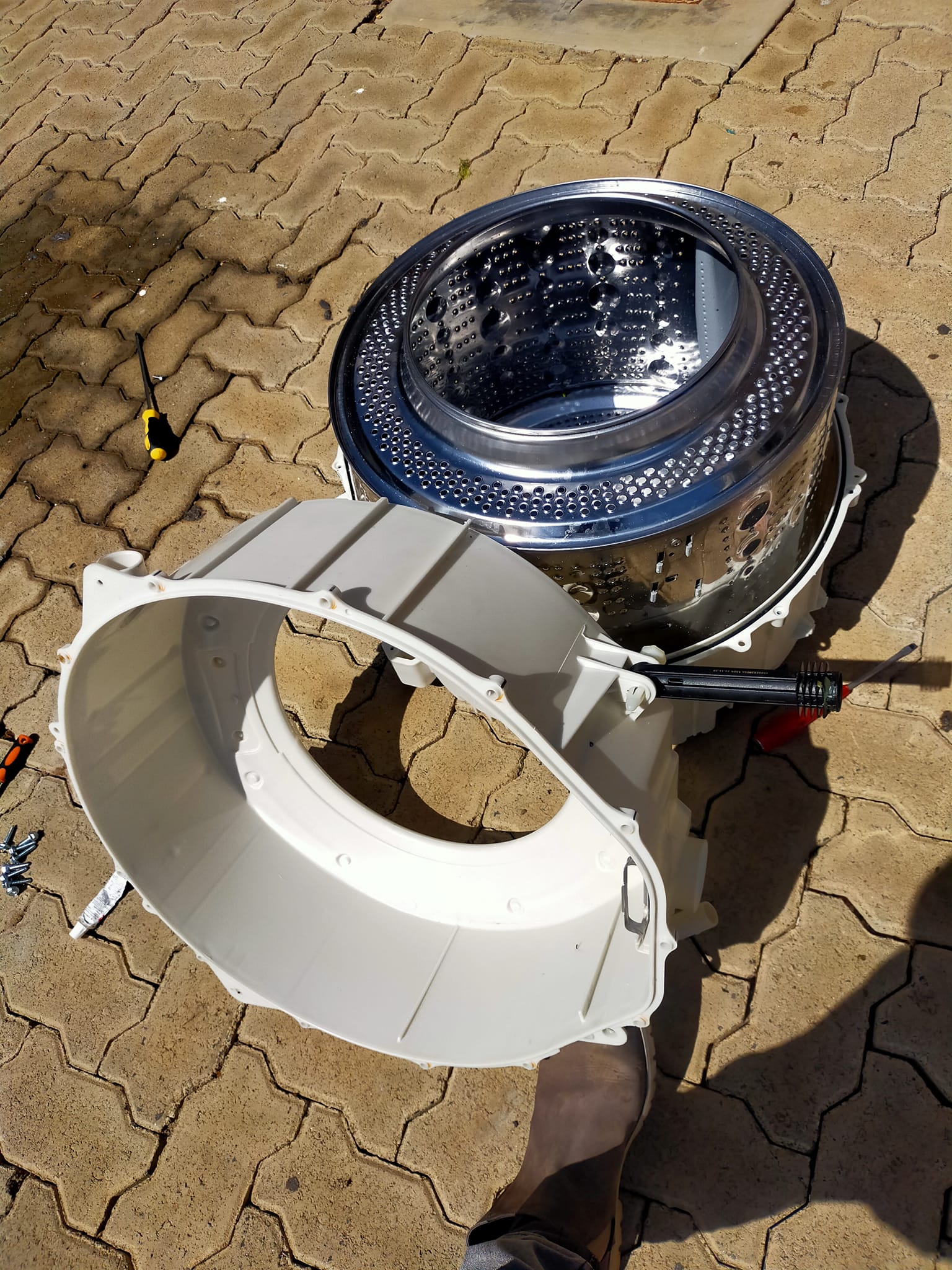
Many front-load washing machines have a small filter near the bottom front panel. It catches coins, lint, hairpins, and small debris from clothes.
If the filter clogs, the machine may fail to drain properly or stop mid-cycle. Open it carefully with a towel nearby, because some water may come out. Cleaning this filter regularly can prevent unnecessary repair calls.
Leave the Door Open After Washing
After a wash, moisture remains inside the drum and rubber gasket. If you close the door immediately, mold and bad smells can develop.
Leave the door and detergent drawer slightly open after use. Wipe the rubber seal, especially on front-loaders, because dirt and moisture often collect in the folds.
Cooker Cleaning and Safety Habits
Cookers work hard in Kenyan kitchens. They handle boiling, frying, baking, simmering, and the occasional spillover from ugali or rice water. Whether yours is gas, electric, or a mixed cooker, regular care keeps it safe and reliable.
Clean Spills Before They Harden
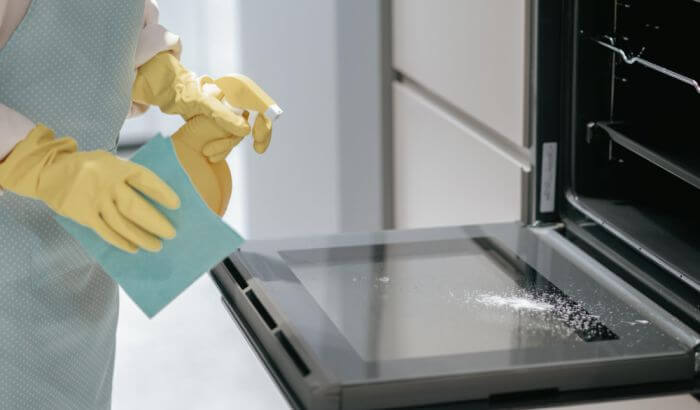
Food spills may look harmless, but they can block gas burner holes or burn onto electric plates. Once spills cool, wipe them off before they become stubborn.
For ovens, avoid aggressive scrubbing that scratches the surface. A simple trick is to place a bowl of water with lemon slices inside, heat the oven gently for about 20 minutes, then wipe the loosened grime.
Check Gas Pipes and Connections
If you use LPG, safety should come first. Check the gas pipe regularly for cracks, stiffness, or loose connections. Replace old pipes before they become dangerous.
You can test for leaks using soapy water. Apply it around the connection and open the gas slightly. If bubbles form, there is a leak. Turn off the gas immediately and replace the faulty part.
Watch the Flame Colour
A healthy gas flame should be blue and steady. Yellow or orange flames may mean the burner is dirty or the air mixture is not right. This wastes gas and leaves soot on sufurias.
Remove burners occasionally, soak them in warm soapy water, clear blocked holes gently, and dry them fully before putting them back.
Be Gentle With the Oven Door
Oven doors have hinges and glass panels that can weaken if handled roughly. Avoid slamming the door or placing heavy items on it when open.
Also, do not line the bottom of the oven with foil. It can trap heat and damage the heating element. Use a baking tray on a lower rack to catch drips instead.
When to Call a Professional
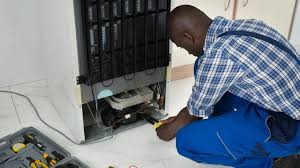
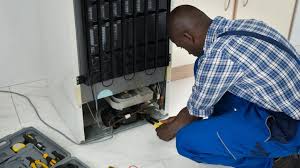
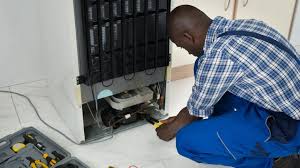
Some appliance problems are better left to trained technicians. If your fridge runs nonstop but does not cool, the issue may involve refrigerant or the compressor. If your washing machine leaks from underneath, refuses to drain, or shows repeated error codes, it may need proper diagnosis.
For cookers, never ignore the smell of gas. Turn off the cylinder, open windows, avoid flames or switches, and call a professional immediately.
Finding a reliable technician is not always easy. That is why platforms like The Real Plug at https://therealplug.online/ can be useful. It helps users find vetted professionals and businesses in Kenya, including appliance repair technicians, without relying only on guesswork or random referrals.
Small Habits Can Save You Big Money
Taking care of your fridge, washing machine, and cooker does not require special skills. It comes down to simple, consistent habits. Give your fridge space, protect it from power surges, and avoid putting hot food inside. Use your washing machine within its capacity, clean the filter, and control hard water buildup. Keep your cooker clean, check gas connections, and handle oven parts gently.
These appliances work for you every day. Treat them well, and they are far more likely to serve your home for many years.