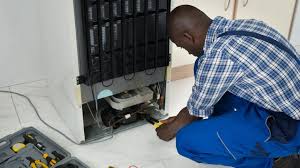


A broken fridge can cause stress very quickly. One moment it is quietly working in the corner, and the next you are touching warm milk, soft ice cream, or meat that may not survive the night. For a family home, that is inconvenient. For a shop, kibanda, butchery, or small restaurant, it can mean real losses.
Once the fridge stops working, the question comes fast: should you repair it or replace it?
In Kenya, the answer depends on more than just the repair quote. You have to think about the fridge’s age, the type of fault, power consumption, spare parts, and how reliable the appliance has been. A repair can save you money, but sometimes it only delays a bigger expense.
Start by Knowing What Is Actually Wrong
Before deciding, get a proper diagnosis. A fridge may fail for many reasons, and not all are expensive.
If the fridge is completely dead with no light or sound, the issue may be electrical. It could be a fuse, socket, thermostat, relay, or overload protector. These are usually cheaper repairs and often worth doing.
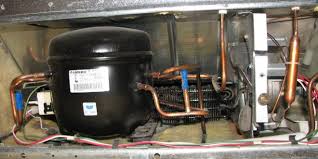
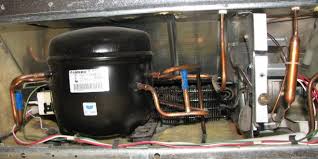
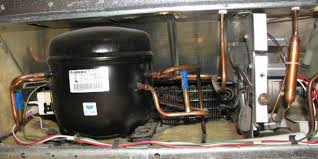
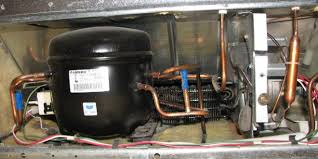
If the fridge runs but does not cool, the problem may be more serious. It could be low refrigerant, a gas leak, blocked system, or failing compressor. This is where repair costs rise.
If the freezer works but the lower section is warm, especially in a no-frost fridge, the issue may be a fan, defrost heater, sensor, or airflow problem. These repairs are often worth considering.
If the fridge runs nonstop, check the door seal, thermostat, and condenser coils. A weak door seal or dirty coils can increase power use without needing a major repair.
When Repair Makes Sense
Repair is usually the better option if the fridge is still fairly new, the body is in good condition, and the fault is not too expensive.
If your fridge is under five years old, repairing it often makes sense. Parts are more likely to be available, and the appliance still has many useful years left.
Simple repairs such as replacing a thermostat, relay, fan, door seal, or drain part are usually worth it. These fixes cost much less than buying a new fridge.
Repair may also be smart if you own a high-end or built-in model. Replacing such fridges can be very expensive, so a proper repair may give you good value.
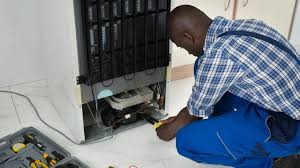
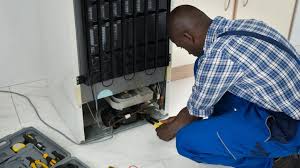
For reliable diagnosis, platforms like The Real Plug at https://therealplug.online/ can help you find vetted fridge technicians in Kenya instead of relying on guesswork or random contacts.
When Replacing Is the Better Choice
Replacement may make more sense if the fridge is old, inefficient, or keeps breaking down.
If your fridge is more than 10 years old and needs a major compressor repair, think carefully. You may spend a lot only for another part to fail soon after.
Rust is another warning sign. If the cabinet is badly rusted, the door does not seal properly, or the insulation is failing, repairs may not solve the real problem.
If you have repaired the fridge several times in one year, it may be time to let it go. Repeated repairs can quietly cost more than a new appliance.
Energy use also matters. Older fridges can consume much more electricity than newer energy-efficient models. Even if a new fridge feels expensive upfront, lower power bills may make it cheaper over time.
Use the 50% Rule Carefully
A common rule is this: if the repair costs more than half the price of a new fridge, consider replacing it. That is useful, but in Kenya, you should apply it with context.
New fridges are expensive, so a repair that looks costly may still be reasonable if the fridge is young and reliable. But if the fridge is old, uses too much power, and needs a major part, replacement may be wiser.
Always compare the repair quote with current fridge prices from local shops or online stores. Do not rely on what the fridge cost years ago.
Hidden Costs People Forget
The repair quote is not the whole story. A fridge that keeps failing can cost you through spoiled food, wasted time, higher electricity bills, and emergency technician visits.
For businesses, downtime is even more costly. A milk shop, butchery, wines and spirits shop, or small food business needs reliable cooling. If a fridge failure means lost stock and lost customers, replacement may be the safer business decision.
Ask for a Second Opinion
If a technician immediately says the compressor is dead or the fridge needs gas without testing, get another opinion. Many fridge problems are misdiagnosed.
A good technician should test the relay, thermostat, compressor, fan, and refrigerant system before giving a final quote. They should also explain whether the repair comes with a warranty.
Using The Real Plug at https://therealplug.online/ can make it easier to compare vetted professionals and get a more trustworthy assessment.
Make the Decision Based on Facts
Repair the fridge if it is relatively new, the repair is affordable, parts are available, and the body is still solid.
Replace it if it is old, rusty, inefficient, unreliable, or the repair cost is too close to the price of a new one.
A broken fridge can feel urgent, but do not decide out of panic. Get a proper diagnosis, compare costs, think about energy use, and choose the option that gives you better value over the next few years.